Red Cedar (Juniperus virginiana ‘Taylor’)
In the world of ornamental trees, the red cedar, scientifically known as Juniperus virginiana ‘Taylor’, stands out as a versatile and aesthetically pleasing choice for landscaping and gardening. This evergreen coniferous plant is native to North America and has a rich cultural and ecological significance. Its adaptability, striking foliage, and various practical uses make it a valuable addition to gardens, urban environments, and natural landscapes.
In this comprehensive guide, we will delve into every aspect of the red cedar, exploring its cultural significance, practical applications, and essential care tips for nurturing this remarkable tree. From understanding its ecological role to leveraging its therapeutic properties, this guide aims to provide a holistic view of the red cedar and equip enthusiasts with the knowledge needed to appreciate and cultivate this iconic tree.
What Is the Red Cedar (Juniperus virginiana ‘Taylor’)?
The red cedar, also known as the Eastern red cedar, is a species of juniper native to eastern North America. It belongs to the cypress family (Cupressaceae) and is known for its durable, aromatic wood and needle-like foliage. The ‘Taylor’ variety is a specific cultivar of the species, prized for its unique growth patterns and ornamental characteristics.
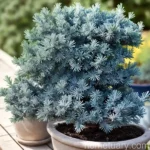
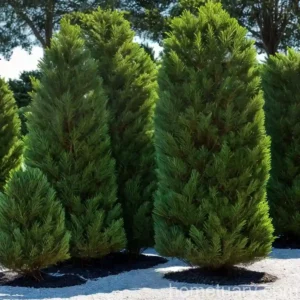
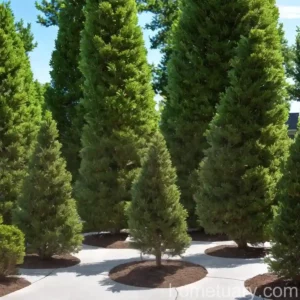
This evergreen tree is renowned for its dense, pyramidal form and needle-like, blue-green foliage, which serves as a distinguishing feature in landscapes. The red cedar’s enduring relevance in traditional medicine, woodworking, and horticulture is a testament to the tree’s cultural and practical significance.
Key Takeaways – Red Cedar (Juniperus virginiana ‘Taylor’)
Before we delve into the intricacies of red cedar care and cultivation, it’s essential to highlight the key takeaways associated with this remarkable tree. Whether you’re considering incorporating it into your garden or exploring its diverse applications, these key points encapsulate the red cedar’s significance and capabilities:
- Red Cedar Characteristics: Evergreen, coniferous, aromatic foliage, durable wood
- Cultural Significance: Native American rituals, spiritual symbolism, eco-friendly practices
- Practical Uses: Landscaping, wildlife habitat, timber, aromatherapy, herbalism
- Garden Benefits: Privacy screen, erosion control, shelter for wildlife, windbreak
- Care Tips: Sunlight requirements, soil preferences, pruning techniques, propagation methods
Culture of Red Cedars (Juniperus virginiana ‘Taylor’)
Understanding the cultural and ecological context of red cedars is vital for appreciating their significance and integrating them harmoniously into various settings. From historical uses to contemporary practices, the following sections provide insights into the tree’s cultural legacy and sustainable cultivation.
Native American Traditions and Symbolism
Red cedars hold profound significance in Native American cultures, embodying resilience, protection, and spiritual symbolism. Traditionally, various parts of the tree, including the wood, leaves, and berries, were utilized in rituals, crafts, and healing practices. The fragrant wood and foliage were valued for their therapeutic and ceremonial purposes, cementing the red cedar’s status as a symbol of vitality and spiritual balance.
The evergreen nature of red cedars also symbolizes endurance and the enduring connection between humans and nature in Native American traditions. Its use in crafting tools, ceremonial objects, and traditional medicine underscores the tree’s role as an essential resource for indigenous communities across North America.
Ecological Impact and Wildlife Habitat
Beyond its cultural significance, red cedars play a crucial role in supporting diverse wildlife and contributing to ecosystem resilience. The dense foliage and durable wood provide shelter, nesting sites, and food sources for various bird species, including the cedar waxwing and the Eastern bluebird. The tree’s capacity to thrive in diverse habitats and withstand harsh weather conditions makes it an invaluable component of natural landscapes and wildlife habitats.
From urban green spaces to rural woodlands, red cedars enrich ecosystems by creating pockets of biodiversity and offering protection to avian species. Understanding the tree’s ecological role is pivotal for conservation efforts and sustainable landscaping practices that prioritize the preservation of native species and their associated habitats.
Uses of Red Cedars (Juniperus virginiana ‘Taylor’)
The red cedar (Juniperus virginiana ‘Taylor’) presents a myriad of uses, ranging from landscaping and woodworking to cultural traditions and ecological restoration. Appreciating the tree’s practical applications enables individuals to leverage its diverse benefits while preserving its ecological significance and cultural heritage.
Landscaping with Red Cedars
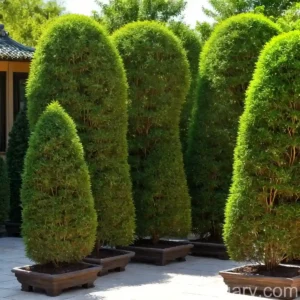
As an ornamental tree, red cedars add elegance and structure to landscapes, thanks to their distinctive pyramidal form and vibrant foliage. Whether used as standalone specimens or as part of hedgerows, their adaptable nature makes them well-suited for various landscaping styles, including traditional, contemporary, and wildlife-friendly designs.
The ‘Taylor’ variety, in particular, stands out for its compact size and graceful branching habit, making it an ideal choice for small gardens, urban settings, or architectural planting schemes. Red cedars’ ability to thrive in a range of soil conditions and their resistance to pest and disease issues further enhance their appeal as landscaping assets.
Timber and Woodworking
The durable, aromatic wood of red cedars has been revered for centuries for its woodworking potential and versatile applications. Its natural resistance to decay and insect damage makes it a sought-after material for crafting outdoor furniture, fencing, decking, and decorative woodwork. The distinct reddish-brown color and fine grain of red cedar wood contribute to its widespread use in woodworking and artisanal crafts.
The ‘Taylor’ variety’s compact growth habit and dense wood production further elevate its appeal for woodworking and carpentry projects, offering a sustainable source of high-quality timber with a distinct rustic charm. Integrating red cedar wood into architectural elements and interior design further showcases its enduring appeal and timeless aesthetic value.
Aromatherapy and Herbalism
The aromatic properties of red cedar foliage and essential oils have long been esteemed for their therapeutic and sensory benefits. The tree’s fragrant wood and foliage are utilized in aromatherapy practices, contributing to relaxation, stress relief, and respiratory wellness. Red cedar essential oil, derived from steam distillation of the wood, is prized for its calming, grounding effects and its role in promoting a harmonious indoor environment.
In herbalism, red cedar leaves and berries have been utilized in traditional remedies and natural dyes, showcasing the tree’s multifaceted contributions to holistic wellness and sustainable practices. Exploring the tree’s aromatic potential underscores its holistic value beyond ornamental and practical applications, emphasizing its sensory appeal and wellness-enhancing properties.
Care Tips for Red Cedars (Juniperus virginiana ‘Taylor’)
Cultivating and maintaining red cedars necessitates adhering to specific care guidelines that cater to their unique needs and environmental requirements. From optimal sunlight exposure to soil preferences, the following sections outline essential care tips for nurturing healthy and thriving red cedars in various settings.
Water
When establishing red cedars, proper watering is crucial to facilitate root establishment and long-term resilience. While the trees exhibit drought tolerance once established, consistent watering during the initial growth phase is essential to ensure healthy development. Adequate hydration supports the tree in adapting to new surroundings and promotes robust root growth, enhancing its ability to withstand environmental stressors.
Supplemental watering may be necessary during prolonged dry spells or in regions with limited rainfall, aiming to maintain soil moisture without creating waterlogged conditions. Mulching around the base of red cedars aids in moisture retention and root insulation, contributing to overall water efficiency and soil health.
Sunlight
Red cedars thrive in full sunlight, displaying their best growth and foliage coloration when exposed to ample direct sunlight. Whether incorporated into open landscapes, garden borders, or hedgerows, ensuring unobstructed exposure to sunlight enables the tree to maximize its photosynthetic potential and maintain its vibrant appearance throughout the year.
Shade-intolerant by nature, red cedars may experience reduced growth and foliage density in shaded conditions, underscoring the importance of selecting suitable planting locations that prioritize sunlight accessibility. Additionally, optimizing sunlight exposure contributes to the tree’s natural disease resistance and overall vitality, promoting its long-term performance in various environments.
Fertilizer
In most cases, red cedars exhibit minimal fertilizer requirements, particularly when grown in nutrient-rich soils with adequate organic matter content. Prioritizing soil health through regular mulching, organic amendments, and balanced soil pH facilitates optimal nutrient uptake and reduces the reliance on synthetic fertilizers for sustained growth and vigor.
If necessary, applying a slow-release, balanced fertilizer in early spring can provide supplemental nutrients for red cedars, particularly in instances of nutrient-deficient soils or inadequate organic matter levels. The selection of a suitable fertilizer that aligns with the tree’s specific nutritional needs and environmental conditions is pivotal for promoting balanced, sustainable growth without risking potential nutrient imbalances or excessive nutrient runoff.
Soil
Red cedars thrive in well-draining, loamy soils with a slightly acidic to neutral pH range, showcasing adaptability to various soil textures and moisture levels. Ensuring the soil’s capacity to facilitate good drainage while retaining adequate moisture is instrumental in promoting healthy root development and minimizing waterlogged conditions that can compromise the tree’s vitality.
Regular soil testing and organic soil amendments contribute to maintaining optimal soil structure and fertility, enhancing the ability of red cedars to access essential nutrients and moisture. Incorporating organic mulch around the base of the trees serves as a beneficial soil conditioner, fostering a conducive soil environment and minimizing weed competition.
Pruning
Pruning red cedars at strategic intervals is essential for preserving their aesthetic appeal, managing growth patterns, and promoting structural integrity. Regular maintenance pruning, conducted during the dormant season, helps shape the tree, remove dead or damaged branches, and enhance air circulation within the canopy.
Formative pruning during the early stages of growth enables gardeners to guide the tree’s shape and prevent potential overcrowding, ensuring a balanced, symmetrical form that accentuates the tree’s ornamental value. Understanding the principles of selective pruning and adhering to proper pruning techniques is crucial for safeguarding the overall health and visual allure of red cedars throughout their lifespan.
Propagation
The propagation of red cedars can be achieved through various methods, including seed sowing, cuttings, and layering, offering enthusiasts opportunities to expand their collection of these alluring trees. Seed propagation, while requiring patience and adherence to specific germination protocols, presents a cost-effective and rewarding approach to cultivating new red cedar specimens and preserving the genetic diversity of the species.
Softwood or hardwood cuttings, taken from healthy, mature red cedars, provide an alternative propagation method that can expedite the establishment of new trees. Rooting hormone application and careful attention to environmental conditions are integral for promoting successful root development and subsequent growth of propagated red cedars.
Layering, wherein a low-lying branch is encouraged to form roots while still attached to the parent tree, represents an additional propagation technique suited to red cedars, particularly for individuals seeking a straightforward, low-maintenance approach to expanding their red cedar collection.
Container Cultivation of Red Cedars (Juniperus virginiana ‘Taylor’)
For gardening enthusiasts with limited outdoor space or those seeking to incorporate red cedars into terrace, patio, or balcony settings, container cultivation presents an attractive alternative. The ‘Taylor’ variety’s compact growth habit and adaptability make it well-suited for container gardening, enabling individuals to enjoy the tree’s ornamental charm and practical benefits even in confined urban settings.
Popularity in Container Gardening
The ‘Taylor’ red cedar’s favorable attributes, including its compact size, striking foliage, and minimal care requirements, position it as a popular choice for container gardening enthusiasts. Its ability to thrive in containers of various sizes and compositions, coupled with its resistance to environmental stress, makes it an appealing option for individuals seeking to incorporate ornamental trees into urban and small-scale garden settings.
The versatility of red cedars in container gardening extends to their potential use in vertical gardening, elevated planters, and architectural planting arrangements, amplifying their visual impact and horticultural value in modern landscapes and urban green spaces. Moreover, container cultivation facilitates greater control over soil conditions, water management, and sunlight exposure, ensuring the tree’s adaptability to diverse settings and design preferences.
Container-Specific Care Guidelines
Container-grown red cedars benefit from specific care considerations tailored to their confined growing environment. Adequate drainage, well-aerated potting mix, and regular monitoring of moisture levels are integral for sustaining healthy root development and minimizing water-related issues commonly associated with container gardening.
Balancing the tree’s nutrient requirements through periodic fertilization with a slow-release, balanced fertilizer supports sustained growth and vitality, preventing nutrient depletion and maintaining the tree’s ornamental appeal. Moreover, selecting appropriately sized containers that accommodate the tree’s root system and facilitate unrestricted growth is crucial for promoting optimum performance and long-term sustainability in container settings.
Common Diseases Affecting Red Cedars (Juniperus virginiana ‘Taylor’)
Despite the red cedar’s overall resilience, it is susceptible to certain diseases that can impact its vitality and aesthetic appeal. Understanding the common diseases affecting red cedars facilitates proactive management measures and supports the tree’s long-term health in various settings.
Disease Diagnosis and Management
Anthracnose, a fungal disease that manifests as irregular leaf spots and twig dieback, is a prevalent issue affecting red cedars, particularly during periods of high humidity and fluctuating weather conditions. Timely identification of anthracnose symptoms, coupled with cultural practices such as promoting air circulation and practicing proper pruning techniques, minimizes the disease’s impact and prevents its progression within red cedar populations.
Cedar-apple rust, caused by the fungal pathogen Gymnosporangium juniperi-virginianae, represents another common disease affecting red cedars, characterized by distinctive orange gelatinous spore-producing structures on the tree’s foliage. Implementing disease-resistant red cedar cultivars, managing alternate host plants, and applying appropriate fungicidal treatments when necessary are essential for mitigating cedar-apple rust’s effects and safeguarding the tree’s overall vigor.
Preventative Measures and Horticultural Practices
Cultural practices geared towards promoting overall tree health, including optimizing growing conditions, ensuring proper sanitation, and adhering to landscape hygiene protocols, serve as foundational components of disease prevention and integrated pest management strategies. Regular monitoring of red cedars for early signs of disease, coupled with prompt mitigation measures, enhances the tree’s resistance to potential pathogens and supports its long-term viability in diverse landscapes and garden settings.
Equipping gardeners and landscapers with comprehensive knowledge of disease symptoms, environmental triggers, and disease-tolerant red cedar cultivars empowers proactive mitigation efforts, fostering resilient, disease-resistant red cedar populations and sustainable ornamental tree management practices.
Common Pests Affecting Red Cedars (Juniperus virginiana ‘Taylor’)
Certain pests pose potential threats to the health and appearance of red cedars, necessitating vigilant monitoring and proactive pest management practices to preserve the tree’s ornamental and ecological value.
Pest Identification and Management
Spider mites, known for causing stippling damage on red cedar foliage and affecting the tree’s overall vigor, represent a common pest issue that can impact the tree’s aesthetic appeal and physiological functions. Timely detection of spider mite infestations and appropriate pest control methods, including targeted insecticidal treatments and cultural practices that promote natural predator populations, are essential for mitigating the pest’s effects and sustaining red cedar health.
Bagworms, recognized for their distinct spindle-shaped protective casings and defoliation of red cedars, constitute another significant pest concern that requires careful monitoring and targeted management interventions. Employing integrated pest management strategies, including handpicking bagworms, deploying biological control agents, and implementing selective insecticidal treatments, facilitates effective pest suppression and preserves the tree’s ornamental value.
Integrated Pest Management Practices
The adoption of integrated pest management practices, emphasizing preventative measures, biological control approaches, and sustainable pest mitigation strategies, fosters the cultivation of healthy, pest-resistant red cedars in varied landscapes and gardening contexts. Encouraging beneficial insect populations, promoting natural predator-prey interactions, and deploying pest-specific control measures in a targeted manner contribute to balanced, resilient red cedar ecosystems and sustainable horticultural practices.
Cultivating a nuanced understanding of red cedar pest dynamics and implementing site-specific pest management strategies supports the preservation of red cedar populations and their ecological contributions, harmonizing landscape aesthetics with sustainable pest control practices.
Botanist’s Tips for Cultivating Red Cedars (Juniperus virginiana ‘Taylor’)
Drawing upon botanical expertise and practical insights, experienced botanists offer valuable advice and recommendations for successfully cultivating red cedars in diverse settings, enriching enthusiasts’ understanding of the tree’s ecological, cultural, and practical dimensions.
Tailoring Planting Locations to Red Cedar Preferences
Selecting optimal planting locations that align with red cedar sunlight, soil, and moisture requirements is pivotal for promoting strong, resilient growth and minimizing potential stressors that may compromise the tree’s well-being. Evaluating site conditions, considering long-term growth projections, and accommodating the tree’s spatial needs contribute to creating an environment conducive to the tree’s natural development and long-term vitality.
Furthermore, prioritizing suitable companion plantings that complement red cedars’ preferences and augment landscape aesthetics fosters harmonious plant associations and enhances the ecological and ornamental value of red cedar-inclusive landscapes. Incorporating native plant species and promoting biodiversity further underpins sustainable, biodiverse ecosystems that support red cedar populations and associated wildlife.
Supporting Sustainable Maintenance Practices
Adhering to sustainable maintenance practices, including organic soil amendments, water-conscious gardening techniques, and judicious pruning protocols, sustains red cedar health and vitality while minimizing ecological impacts. Embracing ecological landscaping principles, such as xeriscaping, permaculture, and wildlife-friendly gardening, underscores the compatibility of red cedars with sustainable, environmentally conscious horticultural practices.
Engaging with local conservation initiatives, botanical gardens, and native plant societies fosters a deeper understanding of red cedar ecological roles and cultivates an appreciation for the tree’s native habitat preferences and conservation significance. Leveraging scientific knowledge and ecological principles in red cedar cultivation promotes sustainable, biodiverse landscapes and nurtures a greater ecological awareness within the gardening and landscaping community.
Fun Facts about Red Cedars (Juniperus virginiana ‘Taylor’)
Uncovering the captivating intricacies and historical allure of red cedars unveils a tapestry of fascinating facts and anecdotes that enrich the tree’s cultural and ecological legacy, underscoring its enduring relevance and multifaceted impact.
- The red cedar’s aromatic wood and foliage have been integral components of Native American rituals, symbolizing resilience, vitality, and spiritual harmony within indigenous traditions across North America.
- Red cedars’ dense foliage and enduring nature contribute to their role as an essential component of wildlife habitats, providing shelter, nesting sites, and food sources for diverse bird species and contributing to ecosystem resilience.
- The red cedar’s durable, fragrant wood has been revered for its applications in traditional woodworking, crafting outdoor furniture, decking, and decorative features, showcasing its aesthetic appeal and lasting value in artisanal practices.
- Red cedars’ therapeutic potential is showcased through the extraction of aromatic essential oils, utilized in aromatherapy for promoting relaxation, respiratory wellness, and sensory enrichment, demonstrating the tree’s holistic contributions to wellness and sensory experiences.
Links to External Resources
To further enrich your understanding of red cedars, explore the following external resources that offer in-depth insights, practical guidance, and historical context related to this iconic tree:
- The University of Tennessee: Red Cedar Tree
- USDA Natural Resources Conservation Service: Eastern Red Cedar
- [The United States Forest Service: Eastern Redcedar