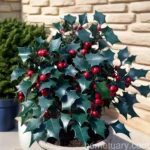
Winterberry (Ilex verticillata ‘Winter Red’): A Comprehensive Guide
In the realm of ornamental plants, few selections can rival the striking beauty and seasonal interest offered by the winterberry (Ilex verticillata ‘Winter Red’). As a plant scientist with a deep passion for horticulture, I am excited to delve into the world of this captivating shrub. In this comprehensive guide, we will explore every aspect of the winterberry’s culture, uses, care, and much more.
What is Winterberry (Ilex verticillata ‘Winter Red’)?
Winterberry, scientifically known as Ilex verticillata, is a deciduous holly native to eastern North America. It is a member of the Aquifoliaceae family and is revered for its vibrant red berries, which adorn the plant in the fall and persist through the winter months, adding a pop of color to the otherwise subdued winter landscape. The ‘Winter Red’ variety is particularly cherished for its profusion of bright red berries, making it a standout feature in cold-season gardens.
This iconic shrub typically grows in a rounded, multi-stemmed form, reaching heights of 6 to 10 feet and spreads of 6 to 12 feet. Its serrated, dark green leaves provide a striking contrast to the brilliant berries, further enhancing its visual appeal. Beyond its aesthetic attributes, winterberry plays an essential ecological role by providing a valuable food source for birds during the harsh winter months.
Key Takeaways – Winterberry (Ilex verticillata ‘Winter Red’)
Before we delve into the specific aspects of culture, uses, care, and maintenance of the winterberry, let’s highlight some key takeaways that encapsulate the essence of this remarkable plant.
- Botanical Name: Ilex verticillata ‘Winter Red’
- Common Name: Winterberry
- Plant Type: Deciduous shrub
- Native Range: Eastern North America
- Notable Feature: Abundance of bright red berries in fall and winter
- Wildlife Value: Attracts birds and provides food during winter
- Landscape Use: Adds seasonal interest, especially in winter gardens and holiday decor
- Challenges: Requires proper pruning and attention to soil moisture levels
- Cultural Significance: Traditional medicinal and herbal uses
With these key points in mind, let’s embark on a journey to understand the intricacies of integrating winterberry into gardens and landscapes.
Culture
Cultivating winterberry can be a rewarding endeavor, provided that its specific cultural requirements are met. From soil preferences to water needs, understanding the plant’s cultural nuances is crucial for its long-term health and vitality.
Uses
Winterberry has a wide range of uses, from ornamental landscaping to traditional medicine. Knowing its various applications can inspire diverse approaches to incorporating it into different settings.
Water
Understanding the water requirements of winterberry is essential for preventing water-related stress and promoting healthy growth and berry production.
Sunlight
Proper sunlight exposure is critical for the overall development and berry production of winterberry. Learning about its sunlight needs helps in selecting the most suitable planting locations.
Fertilizer
Applying the right type and amount of fertilizer at the appropriate times is key to supporting the growth and fruiting of winterberry plants.
Soil
The soil conditions greatly influence the health and vigor of winterberry. Insights into its soil preferences aid in creating optimal growing environments.
Pruning
Pruning is an essential aspect of maintaining the shape, size, and berry production of winterberry. Learning the proper pruning techniques and timing is crucial for its overall health and aesthetic appeal.
Propagation
Understanding the methods of propagating winterberry allows for the expansion of its presence in gardens and landscapes, offering opportunities for conservation and cultivation.
Container Popularity
The use of winterberry in containers adds versatility to its cultivation, enabling its incorporation into various settings, from small urban gardens to expansive landscapes.
Container Common Diseases
Awareness of common diseases affecting winterberry in container settings is crucial for implementing preventive measures and appropriate treatment.
Disease Diagnosis
Recognizing the symptoms and causes of diseases that may afflict winterberry is essential for timely intervention and efficient management.
Common Pests
Identifying the common pests that pose threats to winterberry plants facilitates the implementation of suitable pest control measures to minimize damage.
Botanist’s Tips
Insights from experienced botanists provide valuable guidance on cultivating and caring for winterberry, offering practical advice based on expertise and knowledge.
Fun Facts
Discovering intriguing and little-known facts about winterberry enriches the overall understanding and appreciation of this remarkable plant, adding a delightful aspect to its allure.
With these critical aspects in mind, let’s explore each of them in detail, uncovering the intricacies of caring for winterberry and harnessing its full potential in various contexts.
Water
Proper watering is crucial for the health and vigor of winterberry plants. Despite their resilience in wet areas, they require consistent moisture levels, especially during the establishment phase and in the lead-up to the development of berries.
| Watering Needs | Description |
|---|---|
| Establishing Phase | Regular watering to support root development and establishment |
| Berry Development | Adequate moisture to support the development and plumpness of berries |
| Winter Moisture Needs | Ensuring soil hydration during winter, especially in regions with insufficient snow cover |
In general, winterberry thrives in moist to wet soils, making it an excellent choice for rain gardens, wetland edges, and areas with poor drainage. However, it is essential to strike a balance, as excessive waterlogging can lead to root rot and other detrimental conditions. Mulching the root zone and monitoring soil moisture levels provide effective means of ensuring adequate hydration for the plant.
Sunlight
Winterberry exhibits a versatile tolerance for different light conditions. While it flourishes in full sun to partial shade, it can adapt to various environments, making it suitable for a wide range of garden settings.
| Sunlight Preferences | Description |
|---|---|
| Full Sun | Enhances berry production and overall plant vigor |
| Partial Shade | Tolerates partial shade conditions, although berry production may be slightly reduced |
| Site Adaptability | Demonstrates resilience in adapting to different light conditions, offering versatility for landscaping |
When selecting planting locations, it is essential to consider the specific light requirements and preferences of the ‘Winter Red’ variety to optimize its growth and berry production. Observing its performance in different light conditions provides valuable insights for future plantings and design considerations.
Fertilizer
Applying a balanced fertilizer at the right times supports the growth and fruiting of winterberry. Understanding its fertilizer needs and the appropriate application schedule is crucial for maintaining the plant’s health and promoting robust berry production.
| Fertilizer Recommendations | Guidelines |
|---|---|
| Balanced Fertilizer | Applying a balanced, slow-release fertilizer in early spring |
| Nutrient Requirements | Addressing potential nutrient deficiencies, especially in poor soils or container settings |
| Avoiding Overfertilization | Exercising caution to prevent excessive vegetative growth at the expense of berry production |
A soil test can provide valuable insights into the specific nutritional requirements of winterberry in a given planting location, guiding the formulation and application of an appropriate fertilizer regimen. By addressing its unique nutrient needs, it is possible to optimize the plant’s growth and vitality, thereby enhancing its aesthetic and ecological contributions.
Soil
The soil preferences of winterberry encompass a range of characteristics, from moisture levels to pH, influencing its overall health and berry production. Understanding its soil requirements is essential for establishing thriving plantings and ensuring long-term sustainability.
| Soil Preferences | Considerations |
|---|---|
| Moisture Levels | Thrives in moist to wet soils, accommodating variations in water levels |
| pH Requirements | Adaptable to a wide pH range, though slightly acidic to neutral soils are optimal |
| Organic Matter | Benefits from organic-rich soils with good drainage, promoting root development and nutrient availability |
By selecting suitable soil types and creating favorable soil conditions, one can enhance the growth and performance of winterberry, ensuring its resilience and vitality in diverse garden and landscape settings.
Pruning
Pruning plays a pivotal role in shaping the form and promoting the berry production of winterberry. Understanding the specific pruning requirements and techniques is crucial for maintaining the plant’s aesthetic appeal and optimizing its berry display.
| Pruning Considerations | Best Practices |
|---|---|
| Timing | Pruning in late winter to early spring to avoid interfering with berry set |
| Shaping and Thinning | Structuring the plant to maintain a balanced form and improve berry visibility |
| Regeneration | Stimulating new growth and enhancing overall plant vigor |
With the correct pruning approach, it is possible to accentuate the natural beauty of winterberry, sculpting it into a visually captivating feature in the landscape while encouraging prolific berry production.
Propagation
Propagating winterberry offers an opportunity to expand its presence in various settings, from private gardens to public landscapes. Whether through seeds or vegetative methods, understanding the propagation techniques allows for the conservation and dissemination of favored selections.
| Propagation Methods | Considerations |
|---|---|
| Seed Propagation | Collecting and germinating seeds to produce new plants |
| Vegetative Propagation | Utilizing stem cuttings or division to propagate specific varieties |
| Conservation Efforts | Preserving and promoting the genetic diversity of valued winterberry populations |
By embracing both traditional and innovative propagation approaches, it is possible to ensure the longevity and diversity of winterberry selections, enriching landscapes and fostering conservation efforts.
Container Popularity
The use of winterberry in container gardening offers a versatile and creative way to incorporate this striking plant into diverse environments, from urban balconies to spacious patios. Its adaptability to container culture opens up exciting possibilities for its inclusion in various design and horticultural endeavors.
Container Common Diseases
While winterberry generally exhibits good resistance to diseases, certain issues may arise, particularly in container settings. Identifying common diseases and implementing proactive measures is essential for maintaining the health and vigor of container-grown winterberry plants.
Disease Diagnosis
Recognizing the symptoms and causes of diseases that may afflict winterberry plants is crucial for effective disease management. Timely diagnosis allows for swift intervention, minimizing potential damage and promoting plant recovery.
Common Pests
Despite its resilience, winterberry is susceptible to pest infestations that can compromise its overall health and berry production. Vigilance and early detection are vital for implementing appropriate pest control strategies, safeguarding the plant from potential harm.
Botanist’s Tips
Drawing from the expertise and experiences of seasoned botanists provides valuable insights and guidance on the cultivation, care, and use of winterberry. Their practical advice enriches the understanding of this beloved plant and offers inspiration for its dynamic integration into diverse landscapes.
Fun Facts
Exploring the fascinating and lesser-known aspects of winterberry unveils a wealth of interesting facts and anecdotes, underscoring its cultural, ecological, and aesthetic significance. These engaging details add a delightful dimension to the appreciation of this exceptional plant.
Conclusion
In summary, the winterberry (Ilex verticillata ‘Winter Red’) stands as a captivating symbol of seasonal interest, ecological value, and horticultural versatility. From its vivid berries to its resilience in wet areas, this native shrub offers multifaceted appeal and potential for myriad uses in landscapes, gardens, and conservation efforts. By embracing its cultural, environmental, and practical dimensions, we can harness the full potential of winterberry, enriching our surroundings and sustaining its legacy for future generations.
As we continue to explore the diverse facets of winterberry, from pollinator attraction to herbal uses, it becomes clear that its significance transcends mere ornamentation. Instead, it emerges as a living testament to the intertwined narratives of nature, culture, and stewardship, beckoning us to appreciate, cherish, and safeguard its enduring presence in the natural world.
I invite you to delve deeper into the captivating realm of winterberry, exploring its rich dimensions and discovering new ways to embrace its beauty, ecology, and heritage.
Links to External Resources
For additional insights and resources on winterberry, you may find the following links helpful:
- American Holly Society – www.americanholly.org
- The Native Plant Trust – www.nativeplanttrust.org
- University of Connecticut Plant Database – www.hort.uconn.edu/plants
- USDA Plant Guide: Winterberry – www.plants.usda.gov/plantguide
- The Connecticut Agricultural Experiment Station – www.ct.gov/caes
These resources offer a wealth of information, research, and community engagement opportunities related to winterberry and its broader ecological and cultural significance.
With a deeper understanding of its captivating allure and ecological value, I hope you are inspired to embark on your own journey of discovery and appreciation for the remarkable winterberry (Ilex verticillata ‘Winter Red’).