Chinese Amaranth (Amaranthus Tricolor)
The world of plants is rich and diverse, offering a multitude of species that not only beautify our surroundings but also provide nourishment, medicine.
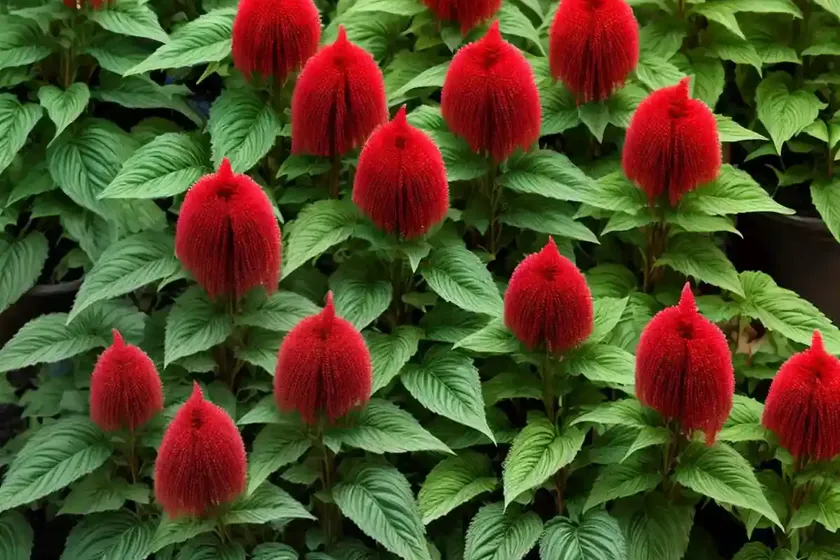
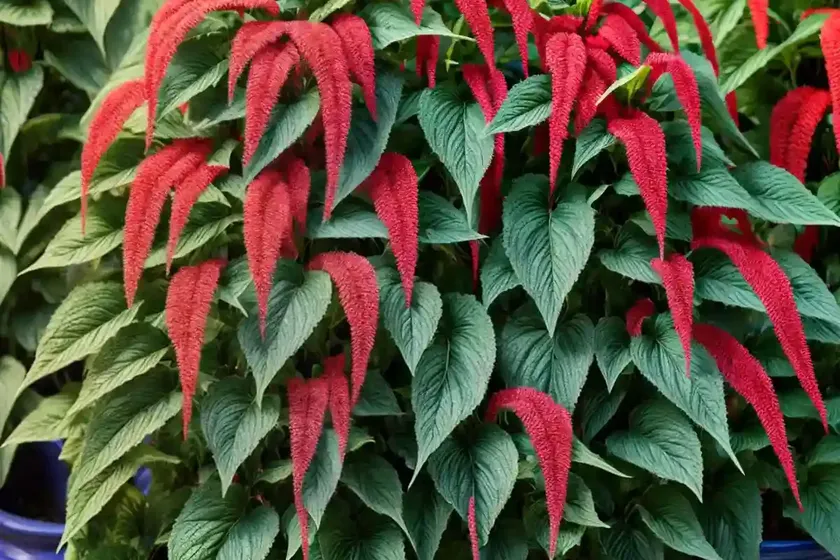
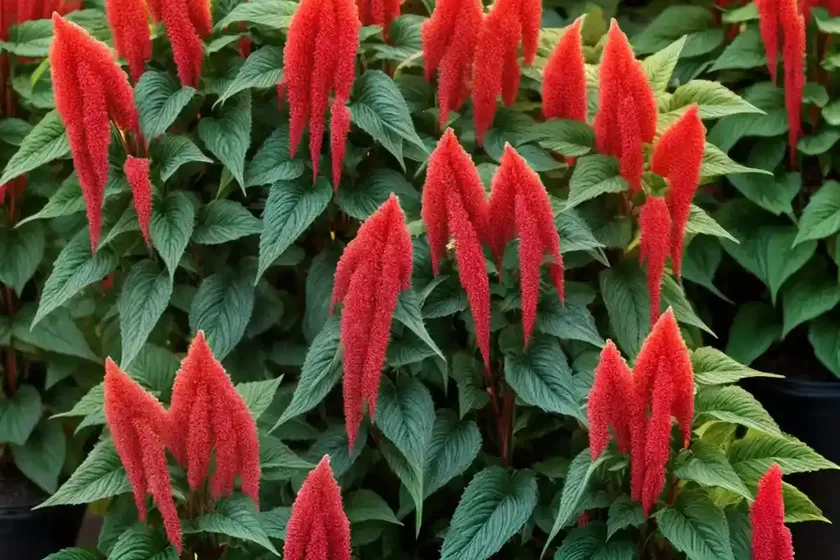
The world of plants is rich and diverse, offering a multitude of species that not only beautify our surroundings but also provide nourishment, medicine, and numerous other benefits. In this article, we will delve into the captivating realm of Chinese Amaranth (Amaranthus Tricolor). From its cultural significance to its culinary uses and propagation methods, let’s explore the various facets of this remarkable plant.
What is Chinese Amaranth?
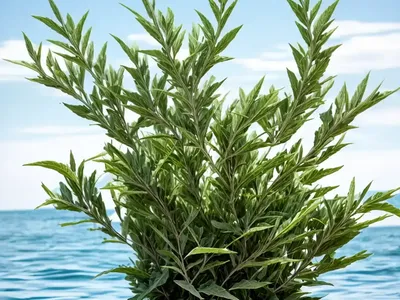
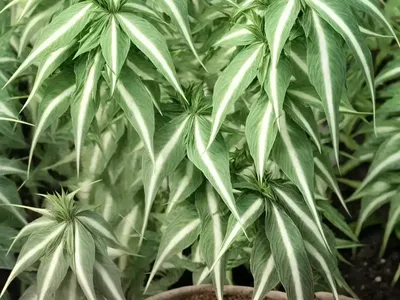
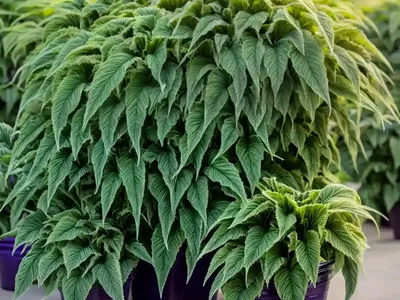
Amaranthus Tricolor, commonly known as Chinese Amaranth or edible amaranth, is a species of ornamental plant with both edible and ornamental purposes. Belonging to the Amaranthaceae family, this annual plant is native to Southeast Asia and is widely cultivated in various parts of the world. Renowned for its vibrant and striking foliage, Chinese Amaranth is not only a visual feast but also a source of valuable nutrients.
Key Takeaways – Chinese Amaranth (Amaranthus Tricolor)
Before we delve into the detailed aspects of Chinese Amaranth, here are the key takeaways at a glance:
- Cultural Significance: Chinese Amaranth holds a significant place in Chinese tradition and cuisine, featuring in various traditional recipes and culinary practices.
- Culinary Uses: The tender leaves and stems of Chinese Amaranth are used in a myriad of dishes, ranging from stir-fries to soups and salads, owing to their nutritional value and delightful taste.
- Unique Features: Its striking foliage and vibrant colors make Chinese Amaranth a popular choice for both ornamental gardens and culinary herb gardens.
Now, let’s take a comprehensive look at the various aspects of this fascinating plant.
Culture
Understanding the cultural significance of Chinese Amaranth provides insight into its traditional uses and symbolic importance in various communities. Let’s explore its cultural context and the role it plays in different traditions.
Cultural Significance in Chinese Tradition
Chinese Amaranth, as the name suggests, holds deep-rooted cultural significance in Chinese tradition. It is a symbol of prosperity, and its use in traditional Chinese recipes signifies auspiciousness and abundance. In Chinese culinary practices, the inclusion of Chinese Amaranth in dishes holds special cultural relevance and is often associated with festive and celebratory occasions.
Furthermore, the vibrant colors of its leaves symbolize vitality, growth, and longevity, making it a favored choice for decorative arrangements during Chinese New Year and other celebratory events.
Uses
The uses of Chinese Amaranth are diverse, ranging from culinary applications to its role as an ornamental plant. Let’s explore the various ways in which this versatile plant is utilized.
Culinary Uses
The tender young leaves and stems of Chinese Amaranth are a staple in many Asian cuisines, particularly in Chinese and Vietnamese culinary traditions. The mild, earthy flavor of the leaves adds a delightful dimension to a wide range of dishes, making them a sought-after ingredient in stir-fries, soups, salads, and steamed dishes.
In addition to its culinary uses, Chinese Amaranth is also employed in traditional Chinese medicine for its purported health benefits and medicinal properties, as it is believed to have cooling and detoxifying effects. The plant is used in herbal concoctions and tonics, showcasing its versatility beyond its role as a culinary herb.
Ornamental Purposes
Beyond its culinary significance, Chinese Amaranth is prized for its ornamental value. The vibrant hues of its foliage make it a popular choice for ornamental gardens, where it adds a splash of color and visual interest. The plant’s striking appearance makes it an exquisite addition to floral arrangements, bringing a touch of elegance and vibrancy to bouquets and decorative displays.
Plant Care
To cultivate Chinese Amaranth successfully, it is essential to understand the plant’s requirements in terms of water, sunlight, soil, fertilizer, and other crucial factors. Let’s explore the specific care guidelines for nurturing this remarkable plant.
Water
Chinese Amaranth thrives in well-drained soil and requires regular watering to maintain adequate moisture levels. However, it is essential to avoid waterlogging, as the plant is susceptible to root rot in excessively wet conditions. The frequency of watering will depend on environmental factors such as temperature and humidity, with a general guideline of providing water when the top layer of soil feels dry to the touch.
Sunlight
Ample sunlight is vital for the healthy growth of Chinese Amaranth. It flourishes in full sun, receiving a minimum of 6-8 hours of direct sunlight per day. However, the plant can also tolerate partial shade, especially in regions with intense afternoon sun or high temperatures.
Fertilizer
To promote vigorous growth and abundant foliage, Chinese Amaranth benefits from regular feeding with a balanced, all-purpose fertilizer. Fertilize the plant once a month during the growing season, following the instructions on the fertilizer package for appropriate application and dosage.
Soil
Chinese Amaranth thrives in well-draining, loamy soil with a slightly acidic to neutral pH range of 6.0-7.0. Amending the soil with organic matter such as compost can improve its texture and fertility, providing an ideal growing medium for the plant.
Pruning
Pruning is essential for maintaining the shape and vigor of Chinese Amaranth. Regularly remove any damaged or yellowing leaves, as well as spent flowers, to encourage continuous growth and prevent the plant from diverting energy to seed production.
Propagation
The propagation of Chinese Amaranth can be accomplished through several methods, including sowing seeds directly in the garden, transplanting seedlings, and taking stem cuttings. Each propagation technique has its advantages and can be employed based on the specific requirements and preferences of the gardener.
Seed Propagation
Sowing Chinese Amaranth seeds directly in the garden or in seed trays is a common method of propagation. The seeds should be sown at a depth of 1/4 inch in well-prepared soil and kept consistently moist until germination occurs, typically within 7-14 days. Once the seedlings have developed several true leaves, they can be thinned to ensure adequate spacing for healthy growth.
Stem Cutting Propagation
Another propagation method involves taking stem cuttings from established Chinese Amaranth plants. Select healthy, non-flowering stems and cut them at a 45-degree angle just below a node. Remove the lower leaves from the cutting and place it in a container of water or moist growing medium. With proper care and favorable conditions, the cutting will develop roots and can then be transplanted into the garden or a suitable container.
Transplanting Seedlings
For gardeners seeking a head-start on the growing season, transplanting seedlings is an effective propagation technique. Start Chinese Amaranth seeds indoors in seed trays or containers, providing adequate warmth and moisture for germination. Once the seedlings have reached a robust size, they can be transplanted into the garden after the risk of frost has passed.
Container Gardening
Chinese Amaranth can thrive in container gardens, making it an excellent choice for urban gardeners, balcony enthusiasts, and individuals with limited outdoor space. Here are some essential considerations for successfully growing Chinese Amaranth in containers:
Container Selection
Choose a spacious container with adequate drainage holes to ensure proper aeration and prevent waterlogging. The size of the container will depend on the mature size of the Chinese Amaranth variety being cultivated, with larger varieties requiring more substantial containers to accommodate their root systems.
Soil Considerations
Select a high-quality potting mix that provides excellent drainage and nutrient retention. A blend formulated for vegetables or ornamental plants can offer the ideal growing medium for Chinese Amaranth in containers.
Sunlight Requirements
Position the containers in a location that receives ample sunlight, whether it’s a sun-drenched patio, balcony, or rooftop garden. Ensure that the plants are exposed to the recommended amount of sunlight to support healthy growth and vibrant foliage.
Watering Needs
Monitor the moisture levels in the container regularly, watering the plants when the top inch of soil feels dry. Container-grown plants may require more frequent watering than those in the ground, especially during hot, dry weather.
Fertilization
Feed container-grown Chinese Amaranth with a balanced liquid fertilizer every 3-4 weeks during the growing season to replenish essential nutrients and support robust growth.
Popularity
Chinese Amaranth enjoys widespread popularity, not only for its enchanting visual appeal but also for its diverse culinary uses, nutritional value, and cultural significance. As more individuals embrace home gardening and sustainable living, the popularity of Chinese Amaranth continues to ascend, with enthusiasts and culinary aficionados alike seeking to incorporate this exceptional plant into their gardens and kitchens.
Common Diseases
While Chinese Amaranth is relatively resilient, it is susceptible to certain diseases and pest infestations that can compromise its health and vitality. Recognizing and addressing common diseases is crucial for maintaining the wellbeing of the plant. Let’s explore some of the prevalent diseases that affect Chinese Amaranth.
Downy Mildew (Peronospora amaranthi)
Downy mildew is a fungal disease that can affect Chinese Amaranth, causing yellow or brownish lesions on the leaves, often accompanied by a fuzzy, mold-like growth on the undersides. To prevent downy mildew, ensure proper air circulation around the plants, avoid overhead watering, and promptly remove and dispose of affected leaves to curb the spread of the disease.
Powdery Mildew (Erysiphe cichoracearum)
Powdery mildew is characterized by the development of powdery, white spots on the leaves and stems of Chinese Amaranth. This fungal disease thrives in high humidity and can impede the plant’s growth if left unchecked. To mitigate powdery mildew, maintain adequate spacing between plants, prune for good airflow, and apply preventive fungicidal sprays as necessary.
Leaf Spot (Cercospora amaranthicola)
Leaf spot is a common fungal disease that manifests as dark, circular lesions on the leaves of Chinese Amaranth, often leading to premature leaf drop and diminished plant vigor. To manage leaf spot, practice good sanitation by removing affected foliage, avoid overhead watering, and apply appropriate fungicidal treatments to mitigate the spread of the disease.
Disease Diagnosis
Diagnosing diseases in Chinese Amaranth involves careful observation and understanding of the symptoms exhibited by the plant. Here are some indicative signs of common diseases that may affect Chinese Amaranth:
- Yellowing or Browning of Leaves: Could indicate the presence of downy mildew or other fungal infections.
- Presence of Powdery, White Spots: Suggestive of powdery mildew, a common fungal disease in plants.
- Dark, Circular Lesions on Leaves: Indicative of leaf spot infections, which can compromise the plant’s health and appearance.
When observing any of these symptoms or other unusual changes in the plant’s appearance, it is crucial to investigate further and take appropriate measures to mitigate the spread of the disease and support the plant’s recovery.
Common Pests
In addition to diseases, Chinese Amaranth may also be susceptible to pest infestations that can impact its growth and vitality. Understanding the common pests that affect this plant is essential for efficient pest management. Let’s explore some of the prevalent pests that may target Chinese Amaranth.
Aphids
Aphids are small, sap-sucking insects that can congregate on the undersides of the leaves of Chinese Amaranth, causing stunted growth, leaf curling, and the development of sticky honeydew. To control aphid infestations, use a forceful blast of water to dislodge the insects, apply insecticidal soaps, or introduce natural predators such as ladybugs to the garden.
Flea Beetles
Flea beetles are tiny, jumping insects that feed on the foliage of Chinese Amaranth, leaving behind small, irregular holes and pits on the leaves. To deter flea beetles, employ physical barriers such as floating row covers, use neem oil or insecticidal sprays, and maintain a clean garden environment to minimize favorable conditions for these pests.
Caterpillars
Caterpillars, particularly those of certain moth species, can feed on the leaves of Chinese Amaranth, causing visible damage and defoliation. Handpick caterpillars when feasible, apply organic insecticides derived from Bacillus thuringiensis (Bt), and encourage natural predators to keep caterpillar populations in check.
Botanist’s Tips
To ensure the optimal growth and health of Chinese Amaranth, consider the following expert tips and recommendations from botanists and experienced gardeners:
- Good Air Circulation: Promote good air circulation around Chinese Amaranth plants to reduce the risk of fungal diseases such as downy mildew and powdery mildew.
- Regular Monitoring: Keep a close eye on the plant for any signs of disease or pest infestation, intervening promptly to address issues before they escalate.
- Integrated Pest Management: Embrace an integrated approach to pest management, incorporating natural predators, physical barriers, and targeted treatments to minimize the reliance on chemical pesticides.
- Mulching: Apply a layer of organic mulch around Chinese Amaranth to conserve moisture, suppress weed growth, and enhance the soil structure.
Fun Facts
Here are some intriguing and lesser-known facts about Chinese Amaranth:
- Symbol of Longevity: In Chinese culture, Chinese Amaranth symbolizes longevity and is often associated with celebratory occasions and festive events.
- Versatile Culinary Use: Chinese Amaranth is utilized in a diverse array of dishes, including stir-fries, soups, salads, and traditional recipes, owing to its mild, earthy flavor and nutritional richness.
- Ornamental Elegance: The vibrant foliage of Chinese Amaranth makes it a captivating choice for ornamental gardens and floral arrangements, adding a dash of color and elegance to any setting.
- Cultural Prosperity: Its inclusion in Chinese culinary traditions reflects the cultural significance of Chinese Amaranth as a symbol of prosperity, abundance, and auspiciousness.
Links to External Resources
For further information on Chinese Amaranth, its cultivation, culinary uses, and cultural significance, explore the following external resources:
- Growing Chinese Amaranth – A Step-by-Step Guide
- Culinary Delights with Amaranthus Tricolor – Traditional Recipes and Modern Variations
- Chinese Amaranth in Traditional Chinese Medicine – An Exploration of Healing Properties
In conclusion, Chinese Amaranth (Amaranthus Tricolor) stands as a captivating and multi-faceted plant with significant cultural symbolism, culinary versatility, and ornamental allure. By understanding its unique attributes and cultivation requirements, enthusiasts can revel in the beauty and bounty of this exceptional plant, embracing its rich heritage and diverse uses. Whether adorning a garden landscape, enhancing a culinary creation, or embodying cultural traditions, Chinese Amaranth embodies a legacy of prosperity, vitality, and timeless elegance.
By: Plant Scientist Extraordinaire
Published on: Garden Oasis Gazette
Date: March 30, 2023