Greengage (Prunus Domestica Subsp. Italica)
Greengage, scientifically known as Prunus Domestica Subsp. Italica, is a delightful fruit-bearing tree that has captivated the interest of many gardeners.
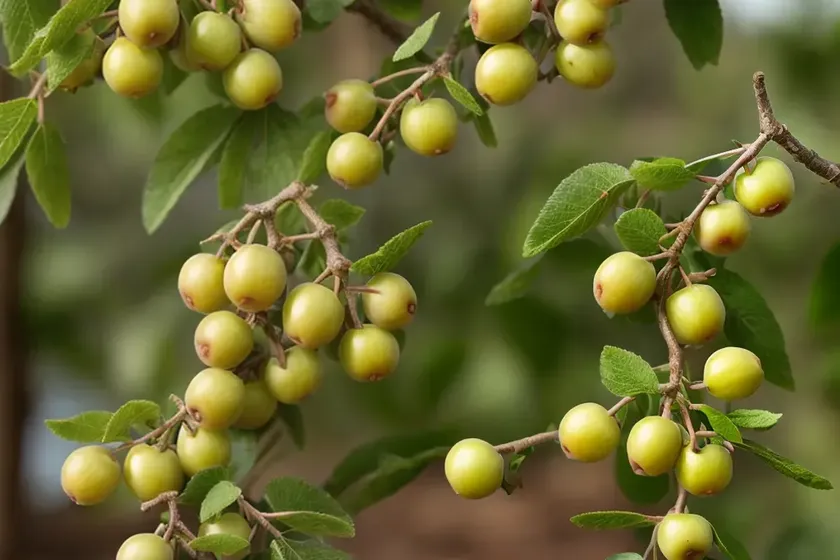
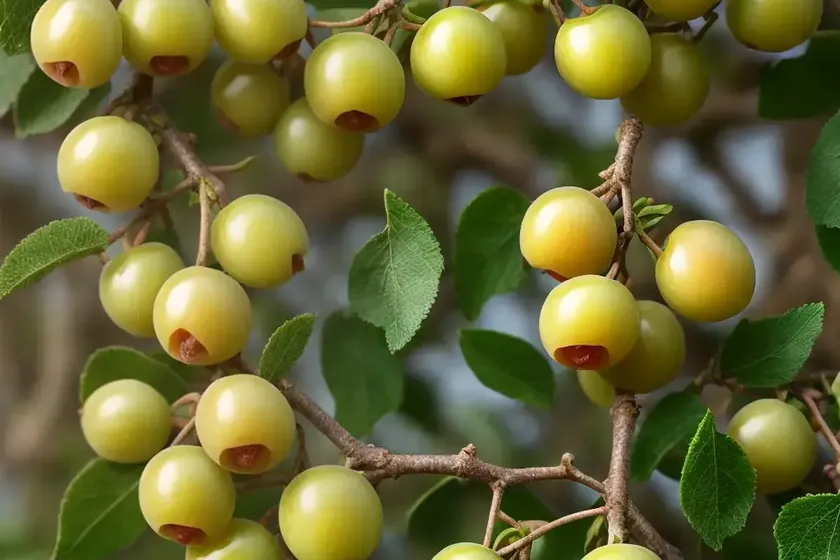
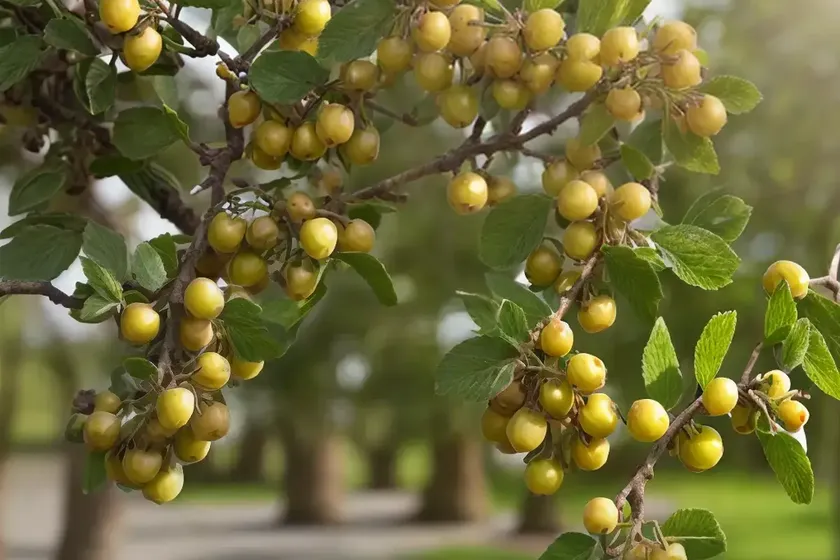
Greengage, scientifically known as Prunus Domestica Subsp. Italica, is a delightful fruit-bearing tree that has captivated the interest of many gardeners and fruit enthusiasts alike. Its sweet, juicy fruits and ornamental value make it a cherished addition to orchards and home gardens. In this comprehensive guide, we will explore all aspects of the Greengage tree, from its cultural requirements and uses to its common diseases and pests. So, let’s delve into the world of Greengage and uncover the secrets behind cultivating this remarkable fruit tree.
What is Greengage (Prunus Domestica Subsp. Italica)?
The Greengage, a subspecies of Prunus Domestica, is a deciduous fruit tree that is treasured for its delectable, greenish-yellow fruits. Known for its exceptional flavor and versatility, the Italian Greengage plum has been cultivated for centuries, enticing gardeners with its juicy, sweet-tart fruits and its ornamental value. Believed to have originated in Asia, the Greengage plum has earned a special place in the world of fruit cultivation, owing to its unique characteristics and rich history.
Key Takeaways – Greengage (Prunus Domestica Subsp. Italica)
Before diving into the specifics of cultivating and caring for Greengage trees, let’s outline the key takeaways about this remarkable fruit tree.
- Botanical Name: Prunus Domestica Subsp. Italica
- Common Name: Greengage
- Family: Rosaceae
- Type: Deciduous fruit tree
- Fruit Color: Greenish-yellow
- Flowering Season: Spring
- Fruiting Season: Summer into early autumn
- Hardiness Zones: 5-9
- Special Features: Sweet, juicy fruits; ornamental value
Now that we have a brief overview of the Greengage tree, it’s time to delve into the essential aspects of its cultivation, from cultural requirements to pest and disease management.
Culture
Cultivating Greengage trees requires attention to various cultural practices to ensure optimal growth, fruit production, and overall health of the tree.
Uses
The Greengage tree is primarily cultivated for its delicious fruits, which can be enjoyed fresh, dried, or used in a variety of culinary applications, including jams, preserves, and desserts. Additionally, Greengage trees hold ornamental value, adorning gardens with their profusion of white blossoms in spring and their luscious green foliage throughout the growing season.
Water
Proper watering is essential for the establishment and ongoing health of Greengage trees. During the growing season, young trees require regular watering to support their growth and fruit development. Adequate soil moisture is particularly crucial during hot and dry periods to prevent stress and fruit drop. However, it’s important to avoid over-watering, as excessive moisture can lead to root rot and other issues.
Sunlight
Greengage trees thrive in full sun to partial shade, requiring at least six hours of direct sunlight daily for optimal growth and fruit production. Adequate sunlight exposure contributes to the development of high-quality fruits and ensures the overall vigor of the tree.
Fertilizer
Fertilization plays a critical role in enhancing the growth and productivity of Greengage trees. A balanced fertilizer, such as a 10-10-10 formulation, can be applied in early spring before the onset of new growth. Additionally, a top dressing of organic compost around the base of the tree can provide essential nutrients and improve soil structure.
Soil
Well-draining, loamy soil is ideal for Greengage trees. A slightly acidic to neutral pH range of 6.0-6.5 is optimal for ensuring proper nutrient uptake and overall health of the tree. Additionally, incorporating organic matter into the soil at the time of planting can improve soil fertility and structure, creating an ideal environment for the tree’s root system.
Pruning
Proper pruning is essential for maintaining the health, shape, and fruiting capacity of Greengage trees. Pruning should be carried out during the dormant season, typically in late winter to early spring, to remove dead or diseased wood, improve airflow within the canopy, and encourage the development of fruiting wood. Additionally, selective pruning helps manage the size of the tree and promotes a balanced branch structure.
Propagation
Greengage trees can be propagated through various methods, including seed propagation, hardwood cuttings, and grafting. While seed propagation is possible, it often results in trees with variable qualities and yields, making grafting a preferred method for preserving desirable traits and characteristics. Grafting onto suitable rootstocks allows for the production of true-to-type Greengage trees, ensuring consistent fruit quality and tree performance.
Container Popularity
Due to their moderate size and ornamental value, Greengage trees are also suitable for container cultivation, making them an excellent choice for patio gardens and urban landscapes. When grown in containers, Greengage trees require regular watering and fertilization to support their growth, and they may benefit from root pruning and repotting every few years to prevent root congestion.
Common Diseases
Like many fruit-bearing trees, Greengage trees are susceptible to certain diseases that can affect their health and productivity. Understanding and identifying these diseases is crucial for implementing timely management strategies to protect the trees.
Disease Diagnosis
Common diseases that affect Greengage trees include:
- Brown Rot: A fungal disease that causes fruit rot, typically characterized by brown, mummified fruits. Proper sanitation and fungicidal sprays can help manage brown rot.
- Leaf Curl: A fungal infection that leads to distorted and curled leaves. Applying fungicidal sprays in early spring can help prevent leaf curl disease.
- Bacterial Canker: This disease causes sunken lesions on the bark and can lead to dieback of branches. Pruning and sanitation are essential for managing bacterial canker.
Common Pests
While Greengage trees are generally resilient, they may encounter pest issues that can impact their growth and fruit production. Vigilance and proactive pest management are key to preserving the health of the trees.
Botanist’s Tips
Based on extensive horticultural research and practical experience, here are some essential tips for successfully growing Greengage trees:
- Site Selection: Choose a well-drained location with adequate sunlight exposure for planting Greengage trees.
- Pruning Practices: Regularly prune to remove dead or diseased wood and create an open canopy that allows for good air circulation.
- Pest Monitoring: Routinely inspect trees for signs of pests and diseases, taking immediate action if any issues are detected.
Fun Facts
- The name “Greengage” is believed to have originated from Sir William Gage, who introduced the variety to England in the early 18th century.
- Greengage trees are self-fertile, meaning that a single tree is capable of setting fruit without the need for a pollination partner.
Now that we’ve explored the foundational aspects of Greengage tree cultivation, let’s dive into the specifics of the cultivation process, from planting and care to harvesting and utilization.
Links to External Resources
- Royal Horticultural Society: Prunus domestica subsp. italica
- University of California: The Prune (Prunus domestica L. syn. P. salicina Lindl.) and Plum (Prunus spp.)
- Missouri Botanical Garden: Prunus domestica
In the next section, we will explore the specifics of Greengage tree care, including planting guidelines, maintenance practices, and harvesting techniques.
Plant Name: “Greengage (Prunus Domestica Subsp. Italica)”
Greengage Tree Varieties
Greengage plums are available in several varieties, each with its unique characteristics and flavor profiles. Common Greengage varieties include:
- Reine Claude: A classic and widely grown variety known for its sweet, rich flavor and greenish-yellow skin.
- Imperatrice: This variety yields large, round fruits with a distinctive aromatic flavor.
- Oullins Renne Claude: Largely cultivated for its excellent culinary properties, this variety produces juicy, flavorful fruits.
Growing Greengage Fruit
Cultivating Greengage fruits involves providing optimal conditions for the trees to thrive and bear high-quality fruits. Here are some key factors to consider when growing Greengage fruits:
- Pollination: While Greengage trees are self-fertile, the presence of pollinators, such as bees, can enhance fruit set and yield.
- Thinning: To promote the development of larger, tastier fruits, thinning the fruit clusters is recommended, allowing adequate space for the remaining fruits to mature.
Prunus Domestica Cultivation
As a member of the Prunus genus, Greengage trees share cultural requirements and growth habits with other Prunus species, such as plum and cherry trees. Understanding the general cultivation practices for Prunus trees can provide valuable insights into successfully growing Greengage trees.
Italian Greengage Plum
The Italian Greengage plum, also known as Prunus Domestica Subsp. Italica, is esteemed for its sweet, aromatic fruits and its adaptability to various growing conditions. With proper care and attention, Italian Greengage plum trees can thrive and produce abundant harvests, delighting growers with their exceptional fruits.
How to Care for Greengage Trees
Caring for Greengage trees involves a combination of regular watering, fertilization, pruning, and pest management practices. By providing adequate care and addressing the tree’s needs, growers can promote healthy growth and bountiful fruit production.
Greengage Plum Benefits
Greengage plums offer a range of nutritional and culinary benefits, making them a valuable addition to orchards and home gardens. Some key benefits of Greengage plums include:
- Nutritional Value: Greengage plums are a good source of vitamins, antioxidants, and dietary fiber, contributing to a healthy diet.
- Culinary Versatility: The sweet-tart flavor of Greengage plums makes them suitable for fresh consumption, as well as for use in jams, pies, and other delectable creations.
Prunus Domestica Italica Uses
The uses of Prunus Domestica Subsp. Italica extend beyond its delicious fruits, encompassing ornamental, culinary, and cultural applications. Common uses of Prunus Domestica Italica include:
- Ornamental Planting: Greengage trees are valued for their spring blossoms and overall aesthetic appeal, enhancing garden landscapes.
- Culinary Delights: The flavorful fruits of Prunus Domestica Italica are utilized in an array of culinary preparations, ranging from desserts to preserves.
- Traditional Folklore: In various cultures, Greengage plums have been associated with symbolism, traditions, and folklore, adding a layer of cultural significance to their cultivation and usage.
Now that we’ve covered the broader aspects of Greengage tree care and utilization, let’s focus on specific guidelines for growing and maintaining these remarkable fruit trees.
Tips for Growing Greengage Trees
To ensure successful growth and fruit production, here are some essential tips for growing Greengage trees:
- Site Selection: Choose a well-drained location with good sunlight exposure, providing ample space for the tree to develop a healthy root system.
- Pruning Practices: Regularly prune the tree in late winter to early spring to maintain its shape, remove dead wood, and enhance fruiting wood development.
- Fertilization: Apply a balanced fertilizer in early spring to provide essential nutrients for robust growth and fruit formation.
Greengage Tree Diseases
While Greengage trees are relatively resilient, they can be afflicted by certain diseases that can impact their overall health and productivity. Understanding the common diseases associated with Greengage trees is crucial for implementing suitable disease management strategies.
Prunus Domestica Subsp. Italica Facts
As an esteemed member of the Prunus genus, Prunus Domestica Subsp. Italica boasts a range of fascinating facts and characteristics that set it apart as a desirable fruit tree. Here are some notable facts about Prunus Domestica Subsp. Italica:
- Fruiting Season: The fruits of Prunus Domestica Subsp. Italica typically ripen in the summer, offering a delectable harvest for growers.
Greengage Plum Harvest Time
The harvest time for Greengage plums usually occurs in late summer to early autumn, depending on the specific climate and growing conditions. When the fruits have developed their characteristic greenish-yellow color and a slightly soft texture, they are ready for picking.
Prunus Domestica Subsp. Italica Characteristics
Distinctive characteristics of Prunus Domestica Subsp. Italica include its sweet-tart fruits, ornamental blossoms, and moderate growth habit. Understanding these characteristics can provide valuable insights into the unique traits of this esteemed fruit tree.
Greengage Plum Tree Care
Caring for Greengage plum trees involves a combination of essential practices, including watering, fertilization, pest management, and pruning. By attending to the tree’s needs, growers can promote its sustained health and productivity.
Prunus Domestica Subsp. Italica Pruning
Proper pruning of Prunus Domestica Subsp. Italica is essential for maintaining the tree’s shape, managing its size, and promoting the development of fruiting wood. Pruning should be carried out during the dormant season to minimize stress on the tree.
Greengage Plum Pollination
While Greengage trees are self-fertile, the presence of pollinators, such as bees, can enhance the fruit set and yield. Providing a pollinator-friendly environment can contribute to the optimal development of Greengage fruits.
Prunus Domestica Subsp. Italica Varieties
The varieties of Prunus Domestica Subsp. Italica encompass a range of fruit characteristics, growth habits, and flavor profiles. Growers can select from various Greengage plum varieties to suit their preferences and growing conditions.
Greengage Plum Growing Conditions
Greengage plum trees thrive in temperate climates and require well-draining soil, adequate sunlight exposure, and regular watering to support their growth and fruit production. Understanding the specific growing conditions for Greengage trees is crucial for their successful cultivation.
Prunus Domestica Subsp. Italica Origin
The origin of Prunus Domestica Subsp. Italica can be traced back to Asia, where it has been cultivated for centuries due to its exceptional fruits and ornamental value. The enduring legacy of Greengage trees reflects its rich cultural and horticultural significance.
How to Propagate Greengage Trees
Greengage trees can be propagated through various methods, such as hardwood cuttings, grafting, and root division. Implementing suitable propagation techniques can help growers expand their Greengage tree populations and preserve desirable traits.
Prunus Domestica Subsp. Italica Pests
Several pests, including aphids, mites, and plum curculio, can impact the health and fruit quality of Greengage trees. Proactive pest monitoring and management are essential for safeguarding the trees against potential pest damage.
Greengage Plum Tree Diseases
Common diseases that may affect Greengage plum trees include brown rot, powdery mildew, and bacterial canker. Implementing disease-resistant varieties and suitable cultural practices can help mitigate the impact of these diseases.
Prunus Domestica Subsp. Italica Culinary Uses
The culinary uses of Prunus Domestica Subsp. Italica encompass a wide range of delightful creations, including jams, jellies, pastries, and refreshing beverages. The sweet-tart flavor of Greengage plums lends itself well to diverse culinary applications.
Greengage Plum Tree Pruning Techniques
Pruning Greengage plum trees involves the careful removal of dead or diseased wood, the shaping of the tree’s canopy, and the encouragement of fruiting wood development. Employing suitable pruning techniques is essential for maintaining the tree’s health and productivity.
Prunus Domestica Subsp. Italica Nutritional Value
Greengage plums offer notable nutritional benefits, containing essential vitamins, minerals, and dietary fiber. Enjoying Greengage plums as part of a balanced diet can contribute to overall well-being.
Greengage Plum Tree Planting Guide
When planting Greengage plum trees, it’s crucial to select a suitable site with well-draining soil and good sunlight exposure. Following a comprehensive planting guide ensures the successful establishment of the trees.
Prunus Domestica Subsp. Italica History
The historical significance of Prunus Domestica Subsp. Italica reflects its enduring popularity and cultural value in various regions. Exploring the history of Greengage plum cultivation provides insights into its legacy as a cherished fruit tree.
Greengage Plum Tree Pollination Needs
While Greengage trees are self-fertile, providing a pollinator-friendly environment can contribute to the optimal development of fruits and enhance the overall productivity of the trees.
Prunus Domestica Subsp. Italica Fruiting Season
The fruiting season for Prunus Domestica Subsp. Italica typically spans from summer into early autumn, offering a generous harvest of greenish-yellow, flavorful fruits for growers to enjoy and share.
Greengage Plum Tree Watering Requirements
Sufficient watering is essential for maintaining the optimal moisture levels in the soil and supporting the growth and fruit development of Greengage plum trees. Understanding the specific watering needs of the trees is crucial for their sustained health.
Prunus Domestica Subsp. Italica Propagation Methods
Greengage trees can be propagated through various methods, including grafting onto suitable rootstocks, which allows for the preservation of desirable traits and the production of true-to-type trees.
Greengage Plum Tree Pests and Diseases
Vigilance against pests such as aphids, plum curculio, and diseases like brown rot and powdery mildew is essential for safeguarding the health and productivity of Greengage plum trees. Proactive pest and disease management practices are critical for preserving the trees.
Prunus Domestica Subsp. Italica Growing Tips
Incorporating suitable cultural practices, such as proper watering, fertilization, and pest management, is essential for promoting the sustained health and productivity of Prunus Domestica Subsp. Italica trees.
Greengage Plum Tree Maintenance
Regular maintenance, including pruning, fertilization, and pest monitoring, is essential for ensuring the ongoing health and productivity of Greengage plum trees. By attending to the tree’s maintenance needs, growers can enjoy bountiful harvests.
Prunus Domestica Subsp. Italica Medicinal Properties
Greengage plums have been associated with various medicinal properties, owing to their nutritional content and potential health benefits. Incorporating Greengage plums into one’s diet can contribute to overall wellness.
Greengage Plum Tree Pruning Calendar
Adhering to a suitable pruning calendar, such as pruning during the dormant season, is essential for ensuring the effective management of Greengage plum trees and promoting their sustained health and fruit production.
Prunus Domestica Subsp. Italica Traditional Uses
Throughout history, Greengage plums have been utilized in traditional culinary and cultural practices, adding to their significance and appeal. Exploring the traditional uses of Greengage plums provides


