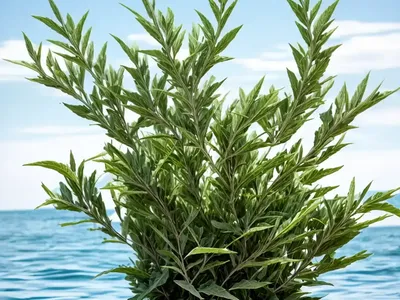
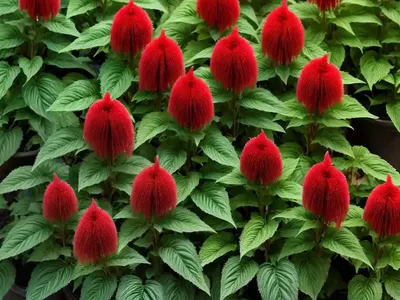
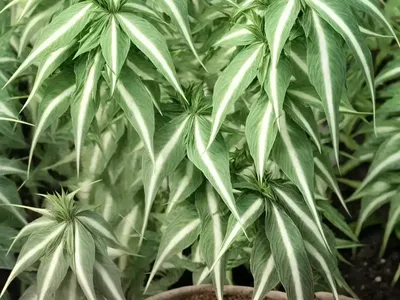
Prince’s-feather (Amaranthus Hypochondriacus)
Prince’s-feather (Amaranthus Hypochondriacus) is a stunning flowering plant that belongs to the Amaranthaceae family. It is commonly referred to as.
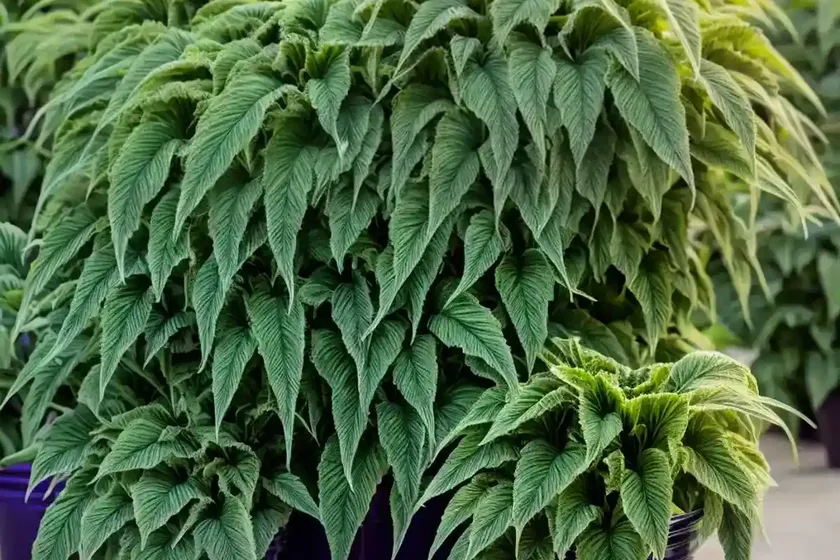
What is Prince’s-feather (Amaranthus Hypochondriacus)?
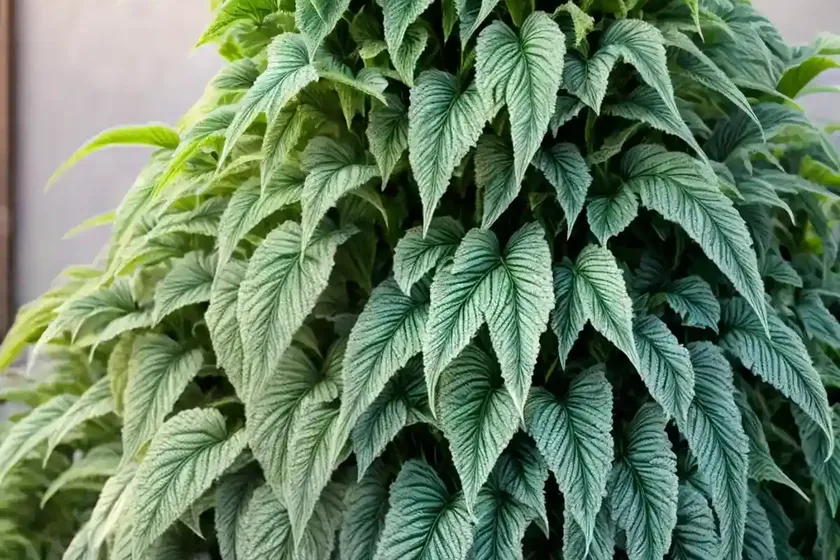
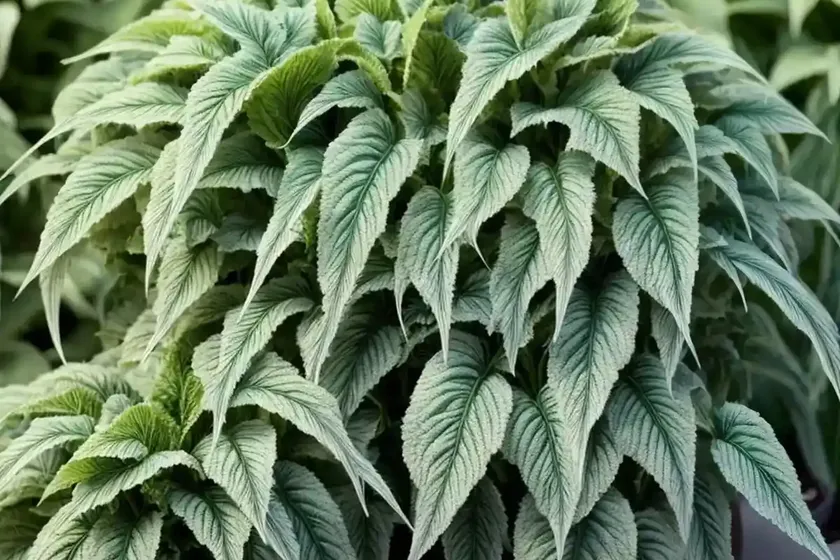
Prince’s-feather (Amaranthus Hypochondriacus) is a stunning flowering plant that belongs to the Amaranthaceae family. It is commonly referred to as Prince’s-feather due to the erect and vividly colored flower spikes that project above the foliage, resembling the plume of a prince’s hat. This plant is native to Central America and Mexico and has gained popularity worldwide for its ornamental value and various cultural uses.
Key Takeaways – Prince’s-feather (Amaranthus Hypochondriacus):
Before delving into the detailed aspects of growing and caring for Prince’s-feather, let’s have a quick glance at the key takeaways related to this fascinating plant:
- Plant Name: Prince’s-feather (Amaranthus Hypochondriacus)
- Varieties: Multiple varieties available, offering diverse colors and sizes
- Cultivation: Thrives in well-drained, fertile soil and requires moderate watering
- Sunlight: Prefers full sun but can tolerate partial shade
- Maintenance: Low-maintenance plant with minimal pruning requirements
- Propagation: Easily propagated from seeds
- Common Pests and Diseases: Susceptible to certain pests and diseases, necessitating regular monitoring
- Companion Plants: Suitable companions include marigolds, zinnias, and salvias
- Uses: Versatile plant with ornamental, culinary, and medicinal uses
- Folklore and Symbolism: Holds cultural significance in various traditions
Now, let’s delve deeper into the various aspects of Prince’s-feather, including its culture, uses, care requirements, and fascinating insights into this remarkable plant.
Culture
Origin and History
The Amaranthus Hypochondriacus, commonly known as Prince’s-feather, has a rich history deeply intertwined with the cultures of Central America and Mexico, where it originated. The plant has been revered for its ornamental beauty and various practical uses, which have been treasured and passed down through generations.
Ornamental Value and Symbolism
Prince’s-feather is prized for its stunning, upright flower spikes that add a vertical element to gardens and landscapes. The vibrant and long-lasting flowers are often used in floral arrangements, adding a bold and dramatic touch. The plant’s symbolism varies across different cultures, representing immortality, longevity, or even deep love and affection.
Culinary and Medicinal Uses
Beyond its ornamental allure, Prince’s-feather has culinary and medicinal significance. The leaves of the plant are edible and are used in various dishes in certain cuisines. Additionally, the plant holds medicinal properties and is used in traditional herbal remedies for its nutritional and therapeutic benefits.
Folklore and Tradition
In many cultures, Prince’s-feather holds a significant place in folklore and traditional practices. It has been used in ceremonies, rituals, and even as a symbol in mythological tales, enriching its cultural value and contributing to its enduring popularity.
Uses
Ornamental Uses
The striking appearance of Prince’s-feather makes it a popular choice for ornamental purposes. Its vividly colored flower spikes, ranging from deep red to vibrant purple, offer a visually captivating display in gardens and landscapes. This plant is often used in borders, mass plantings, or as a focal point in ornamental beds due to its distinctive form and intense colors.
Culinary Uses
Prince’s-feather is not limited to its ornamental appeal; it also has edible qualities. The leaves are consumed in various dishes, adding a unique flavor and nutritional benefits to culinary creations. As an integral part of certain regional cuisines, Prince’s-feather adds diversity and value to culinary traditions.
Medicinal Uses
In traditional medicine, Prince’s-feather is utilized for its medicinal properties. The plant’s leaves and seeds are recognized for their nutritional benefits and therapeutic applications. From treating minor ailments to incorporating essential nutrients into dietary supplements, Prince’s-feather contributes to holistic wellness practices.
Care Requirements
Water
Prince’s-feather thrives in well-drained soil and requires moderate watering. It is essential to maintain a balanced watering routine, avoiding both waterlogging and drought stress. Adequate moisture is crucial for the healthy growth and blooming of this plant, especially during the hot summer months.
Sunlight
This plant prefers full sun exposure to thrive and exhibit its best features. Adequate sunlight promotes robust growth and enhances the vibrancy of the flower spikes. While Prince’s-feather flourishes in full sun, it can tolerate partial shade, making it suitable for a variety of garden settings.
Fertilizer
Providing balanced nutrition is essential for the optimal growth of Prince’s-feather. A slow-release, balanced fertilizer applied during the growing season can support healthy foliage and prolific flowering. It is advisable to follow the manufacturer’s instructions and carefully monitor the plant’s response to the fertilizer application.
Soil
A well-drained and fertile soil environment is ideal for cultivating Prince’s-feather. The plant thrives in loamy soil with good organic content, which facilitates proper root development and overall vigor. Soil with excellent drainage properties helps prevent waterlogged conditions, ensuring the plant’s health and vitality.
Pruning
Prince’s-feather is relatively low-maintenance in terms of pruning requirements. However, removing spent flowers can encourage continuous blooming and maintain the plant’s tidy appearance. Light pruning to shape the plant and remove any damaged or overcrowded growth can be performed as needed.
Propagation
Seed Propagation
Prince’s-feather is easily propagated from seeds, making it accessible to both novice and experienced gardeners. Sowing the seeds directly into the desired location after the last frost date or starting them indoors for later transplanting can yield successful results. The seeds germinate readily, heralding the emergence of new plants for future displays.
Container Cultivation
For individuals with limited outdoor space or those seeking to showcase Prince’s-feather in a more controlled environment, container cultivation is a practical option. Selecting a sufficiently large container with proper drainage and using well-draining potting mix can support the growth of Prince’s-feather in containers. Regular monitoring of moisture levels and sunlight exposure is crucial for container-grown plants.
Popularity
Prince’s-feather has gained widespread popularity due to its captivating appearance, diverse uses, and relatively easy cultivation. It is favored by gardeners, landscapers, and individuals with a penchant for ornamental plants. The plant’s growing popularity has also led to the development of new varieties and an increased appreciation for its cultural significance.
Common Diseases
Disease Diagnosis
Despite being a resilient plant, Prince’s-feather is susceptible to certain diseases that can impact its health and appearance. Common diseases affecting this plant include leaf spot diseases, powdery mildew, and root rot. Vigilant monitoring, early detection, and appropriate treatment measures are essential for preventing and managing these diseases effectively.
Common Pests
Aphids, spider mites, and caterpillars are among the common pests that may infest Prince’s-feather. These pests can cause damage to the foliage and affect the overall growth of the plant. Employing preventive strategies such as regular inspection, maintaining plant hygiene, and using targeted pest control methods can help manage pest infestations.
Botanist’s Tips
As a plant scientist, I wholeheartedly recommend Prince’s-feather for its exceptional beauty, cultural significance, and versatile applications. Here are some valuable tips to ensure the successful cultivation of this remarkable plant:
-
Monitor Moisture Levels: Regularly check the soil’s moisture content and adjust the watering frequency based on the plant’s needs and environmental conditions.
-
Promote Air Circulation: Creating optimal air circulation around Prince’s-feather can help prevent certain fungal diseases and maintain the plant’s vigor.
-
Support Pollinator Diversity: The striking flowers of Prince’s-feather attract pollinators such as bees and butterflies, contributing to biodiversity and ecological balance in the garden.
-
Explore Companion Planting: Consider incorporating compatible companion plants to complement the visual appeal and ecological function of Prince’s-feather in garden compositions.
Fun Facts
In addition to its practical uses and care requirements, Prince’s-feather harbors intriguing fun facts that add to its allure:
-
The plant’s vibrant flowers are not only visually appealing to humans but also serve as valuable nectar sources for pollinators, supporting local ecosystems.
-
Prince’s-feather has been cultivated for centuries and holds cultural significance in various customs and traditions, adding depth to its appeal beyond its ornamental value.
-
The edible leaves of Prince’s-feather contribute to diverse culinary traditions, offering a unique flavor profile and nutritional benefits for adventurous cooks.
Links to External Resources
To further expand your knowledge and awareness of Prince’s-feather, I recommend exploring the following external resources:
- Royal Horticultural Society – Amaranthus Hypochondriacus
- University of Florida – Amaranthus Hypochondriacus Fact Sheet
- The Herb Society of America – Amaranthus: An Ancient Crop and Modern Spinach Alternative
- University of Minnesota Extension – Growing Amaranth in the Home Garden
In conclusion, Prince’s-feather (Amaranthus Hypochondriacus) stands out as a plant of immense beauty, cultural significance, and multifaceted utility. By understanding its culture, care requirements, and diverse uses, individuals can appreciate and cultivate this extraordinary plant, enriching their lives and surroundings with its captivating presence. Whether adorning garden landscapes, enhancing culinary creations, or contributing to traditional customs, Prince’s-feather continues to captivate and inspire individuals across the globe.
References
- “Royal Horticultural Society – Amaranthus Hypochondriacus”. https://www.rhs.org.uk/plants/123149/amaranthus-hypochondriacus/details
- “University of Florida – Amaranthus Hypochondriacus Fact Sheet”. http://gardeningsolutions.ifas.ufl.edu/plants/edibles/vegetables/amaranthus.html
- “The Herb Society of America – Amaranthus: An Ancient Crop and Modern Spinach Alternative”. https://herbsociety.org/resources/Documents/GENUS_Amaranthus_species.pdf
- “University of Minnesota Extension – Growing Amaranth in the Home Garden”. https://extension.umn.edu/planting-and-growing-guides/growing-amaranth-home-garden