Amaranthus Viridis (Slender Amaranth)
As a plant scientist, I’m delighted to delve into the fascinating world of Amaranthus viridis, commonly known as Slender Amaranth. This plant’s rich.
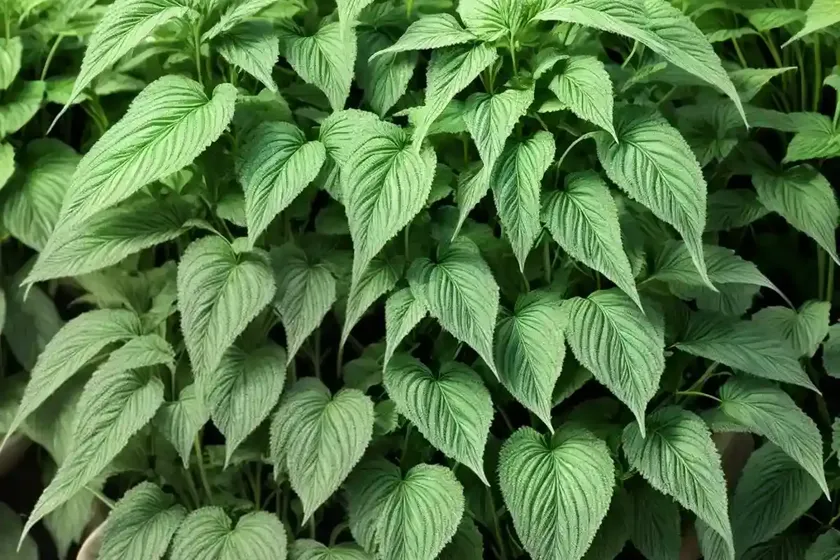
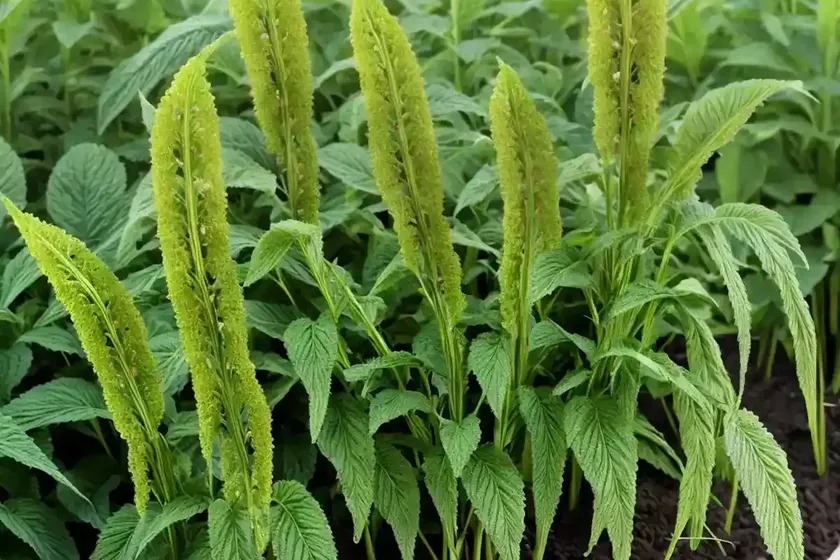
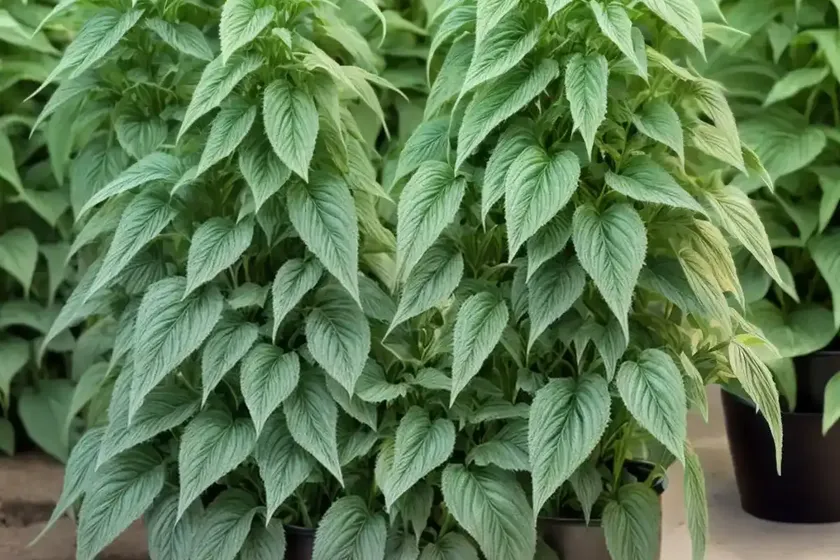
As a plant scientist, I’m delighted to delve into the fascinating world of Amaranthus viridis, commonly known as Slender Amaranth. This plant’s rich cultural history, diverse uses, and nutritional value make it a compelling subject for study and cultivation. In this comprehensive guide, we will explore the botanical features, cultivation techniques, uses, and benefits of Amaranthus viridis, while also delving into folklore, traditional practices, and practical tips for growing and enjoying this remarkable plant.
What is Amaranthus Viridis (Slender Amaranth)?
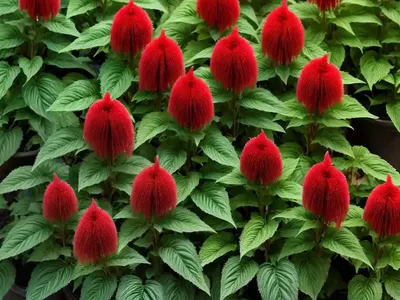
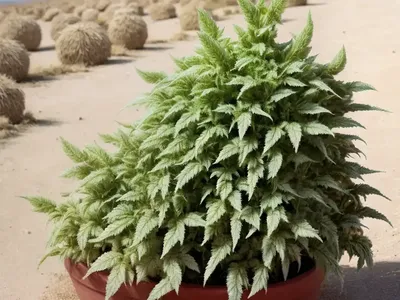
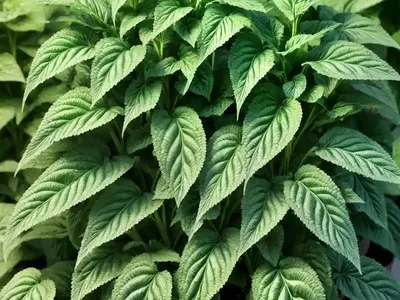
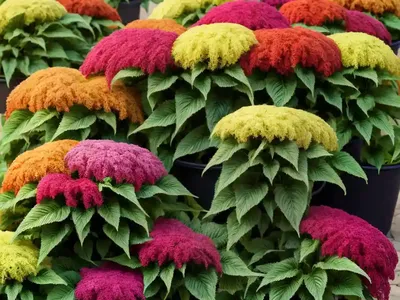
Amaranthus viridis belongs to the family Amaranthaceae and is a species of amaranth that is cultivated worldwide for its edible leaves. It is an annual, upright, bushy plant that typically reaches heights of 30-80 cm. The leaves of Amaranthus viridis are ovate to elliptical, arranged alternately along the stems, and have a vibrant green color. The plant also produces dense, green inflorescences that contain numerous tiny flowers.
Key Characteristics of Amaranthus Viridis
- Common Name: Slender Amaranth
- Botanical Name: Amaranthus viridis
- Family: Amaranthaceae
- Plant Type: Annual
- Height: 30-80 cm
- Leaf Shape: Ovate to elliptical
- Leaf Color: Vibrant Green
- Inflorescence: Dense, green
Now that we have an overview of this fascinating plant, let’s dive deeper into its cultivation, uses, and benefits.
Culture of Amaranthus Viridis
Cultivating Amaranthus viridis requires an understanding of its specific cultural needs. From its preferred soil type to sunlight requirements, carefully tending to the plant’s cultural requirements is essential for its successful growth and development.
Soil Requirements
Amaranthus viridis flourishes in well-draining soil with a rich organic content. A fertile loamy soil with good moisture retention is ideal for cultivating Slender Amaranth. The pH level of the soil should be slightly acidic to neutral, ranging from 6.0 to 7.5.
Water
Amaranthus viridis thrives in moist soil, but it is crucial to avoid waterlogging. Adequate irrigation is necessary, especially during dry periods, to ensure the plant’s healthy growth. Consistent moisture levels in the soil contribute to robust leaf development and overall vigor.
Sunlight
Slender Amaranth thrives in full sunlight, requiring at least 6-8 hours of direct sunlight for optimal growth. Placing the plant in a sunny location promotes vigorous growth and enhances the flavor and nutritional content of its leaves.
Uses of Amaranthus Viridis
Amaranthus viridis boasts a wide array of uses, ranging from culinary applications to medicinal properties. Exploring the diverse uses of this plant sheds light on its cultural, nutritional, and practical significance.
Culinary Uses
The tender leaves of Amaranthus viridis are a popular ingredient in various culinary traditions. Whether used fresh in salads, sautéed as a side dish, or incorporated into soups and stews, the leaves of Slender Amaranth add a delightful earthy flavor to dishes. Additionally, the young, tender stems of the plant are also consumed as a nutritious vegetable.
Slender Amaranth Cooking Recipes
Slender Amaranth Stir-Fry- Heat oil in a pan and add minced garlic and chili for flavor.
- Add chopped Amaranthus viridis leaves and stems to the pan.
- Season with salt and pepper, and stir-fry until the leaves are wilted.
- Squeeze lime juice over the stir-fry and serve as a vibrant and nutritious side dish.
Medicinal Properties
In various cultures, Amaranthus viridis is valued for its medicinal properties. The plant is recognized for its antioxidant, anti-inflammatory, and antimicrobial properties, making it a part of traditional remedies for various ailments. From promoting digestive health to supporting overall well-being, the medicinal properties of Slender Amaranth have been celebrated for centuries.
Nutritional Benefits
The nutritional profile of Amaranthus viridis contributes to its status as a valuable addition to the diet. The leaves are a rich source of essential nutrients, including vitamins, minerals, and dietary fiber. Incorporating Slender Amaranth into the diet enhances the nutritional diversity and can contribute to overall health and wellness.
Environmental Benefits
Beyond its uses in the culinary and medicinal realms, Amaranthus viridis also offers environmental benefits. As a fast-growing plant with a robust root system, it helps prevent soil erosion and contributes to soil health. Embracing Amaranthus viridis in sustainable gardening practices promotes ecosystem balance and resilience.
Cultivation of Amaranthus Viridis
Cultivating Amaranthus viridis offers a rewarding experience, whether in home gardens, urban settings, or agricultural landscapes. Understanding the cultivation techniques and best practices can enhance the success of growing Slender Amaranth and ensure a bountiful harvest of nutritious leaves.
Propagation
Amaranthus viridis can be propagated from seeds, making it accessible to home gardeners and farmers alike. Sowing the seeds directly into the prepared garden bed or containers after the last frost date in spring sets the stage for successful cultivation. The seeds typically germinate within 7-14 days under optimal conditions.
Growing Conditions
Providing favorable growing conditions is essential for the healthy development of Amaranthus viridis. Warm temperatures, ample sunlight, and well-draining soil create an optimal environment for the plant to thrive. Consistent moisture levels and protection from strong winds contribute to robust growth.
Pruning
While Amaranthus viridis does not require extensive pruning, removing any yellowing or damaged leaves promotes the plant’s vigor and encourages fresh growth. By maintaining the plant’s vitality through minimal pruning, gardeners can ensure a continuous supply of tender and flavorful leaves.
Container Cultivation
For those with limited outdoor space or urban gardeners, cultivating Amaranthus viridis in containers presents an attractive option. Selecting a spacious container with adequate drainage, filling it with nutrient-rich soil, and providing sufficient sunlight can facilitate successful container cultivation of Slender Amaranth.
Now that we have explored the cultivation and uses of Amaranthus viridis, it’s crucial to address the potential challenges that can impact the plant’s health and productivity.
Common Diseases and Pests of Amaranthus Viridis
Amaranthus viridis, like other plants, is susceptible to certain diseases and pests that can affect its vitality. Recognizing the signs of common diseases and implementing preventive measures ensures the plant’s resilience. Likewise, identifying and managing pests effectively contributes to the overall health of Slender Amaranth.
Common Diseases
- Powdery Mildew: A fungal disease that appears as a powdery white coating on the leaves, leading to reduced photosynthesis and growth.
- Downy Mildew: Another fungal disease characterized by yellow or brown spots on the leaves, often leading to defoliation and weakened plant vigor.
- Leaf Spot: This disease manifests as dark brown or black spots on the leaves, potentially causing premature leaf drop and reduced plant productivity.
Disease Diagnosis
Regularly inspecting the plant for any signs of discoloration, spots, or unusual growth patterns can aid in early disease diagnosis. Promptly addressing any suspected disease through appropriate cultural practices or targeted treatments can mitigate the impact on Amaranthus viridis.
Common Pests
- Aphids: Small, sap-sucking insects that can distort new growth and leave behind sticky honeydew, leading to sooty mold development and weakened plant health.
- Leafminers: These pests cause winding trails or blotches on the leaves as their larvae tunnel through the leaf tissue, potentially reducing the plant’s photosynthetic capacity.
- Flea Beetles: These tiny beetles consume the leaves of Amaranthus viridis, resulting in characteristic small holes and damage to the foliage.
Pest Control
Implementing integrated pest management practices, including fostering natural predators, using physical barriers, and employing targeted treatments, can effectively control pests and protect Amaranthus viridis from infestations.
Botanist’s Tips for Growing Amaranthus Viridis
Drawing upon botanical knowledge and practical insights, here are some tips for successfully growing Amaranthus viridis and optimizing its cultivation:
- Select a sunny site for planting to promote robust growth and vibrant leaf color.
- Incorporate well-rotted compost or organic matter into the soil to enrich its fertility and enhance moisture retention.
- Monitor the soil moisture levels consistently and irrigate the plant as needed to maintain optimal growing conditions.
- Rotate the planting location annually to minimize disease pressure and optimize the plant’s health.
Fun Facts about Amaranthus Viridis
Exploring the cultural significance and fascinating traits of Amaranthus viridis unveils a treasure trove of fun and intriguing facts about Slender Amaranth:
- Amaranthus viridis has a rich history of traditional use in various cuisines and medicinal practices across different cultures.
- The plant’s botanical features, including its vibrant green leaves and upright growth habit, contribute to its ornamental value in gardens and landscapes.
- Slender Amaranth’s resilience and adaptability make it a resilient choice for sustainable gardening and land reclamation efforts.
Links to External Resources
To further expand your knowledge and understanding of Amaranthus viridis and its diverse facets, I recommend exploring the following resources:
-
Amaranthus viridis: A Potential Source of Nutritious Leaves – This scholarly article delves into the nutritional attributes of Amaranthus viridis and its significance as a valuable leafy vegetable.
-
Culinary Uses of Slender Amaranth – Learn about innovative culinary applications and recipes featuring Amaranthus viridis as a versatile and nutritious ingredient.
-
Traditional Remedies with Amaranthus viridis – Explore the ethnobotanical significance of Amaranthus viridis and its traditional uses in folk medicine and healing practices.
-
Amaranthus viridis in Sustainable Agriculture – Gain insights into the role of Amaranthus viridis in sustainable agriculture and its environmental benefits in agroecosystems.
In Conclusion
Amaranthus viridis, or Slender Amaranth, embodies a captivating blend of culinary, medicinal, and cultural significance that transcends geographical boundaries. From its vibrant green leaves with exceptional nutritional value to its resilience in diverse growing conditions, this plant offers a wealth of benefits to gardeners, nutrition enthusiasts, and sustainable agriculture practitioners. Embracing the cultivation and use of Amaranthus viridis enriches our understanding of traditional knowledge, cultural heritage, and the inherent value of biodiversity in sustaining our well-being and ecosystem health.
As a plant scientist, I encourage you to embark on a journey of discovery with Amaranthus viridis, nurturing this remarkable plant and savoring its multifaceted contributions to our lives and the natural world.
Keywords: Slender amaranth benefits, Amaranthus viridis uses, Slender amaranth growing tips, health benefits of slender amaranth, Amaranthus viridis nutrition, Slender amaranth medicinal properties, Amaranthus viridis cultivation, slender amaranth varieties, Amaranthus viridis seeds, slender amaranth cooking recipes, Amaranthus viridis herbal uses, slender amaranth gardening, Amaranthus viridis in traditional medicine, slender amaranth culinary uses, Amaranthus viridis health benefits, slender amaranth botanical features, Amaranthus viridis in Ayurveda, slender amaranth growing conditions, Amaranthus viridis for sustainable gardening, slender amaranth as a nutritious vegetable, Amaranthus viridis propagation methods, slender amaranth in home gardens, Amaranthus viridis folklore and legends, slender amaranth natural remedies, Amaranthus viridis as an ornamental plant, slender amaranth cultural significance, Amaranthus viridis culinary traditions, slender amaranth traditional uses, Amaranthus viridis folklore medicine, slender amaranth for landscaping, Amaranthus viridis ethnobotany, slender amaranth in traditional cuisines, Amaranthus viridis environmental benefits, slender amaranth in herbal remedies, Amaranthus viridis pest and disease control, slender amaranth nutritional value, Amaranthus viridis ethnopharmacology, slender amaranth ethnobotanical uses, Amaranthus viridis sustainable gardening, slender amaranth folklore and superstitions, Amaranthus viridis companion planting, slender amaranth as a cover crop, Amaranthus viridis ethnobotanical significance, slender amaranth ethnobotanical knowledge, Amaranthus viridis soil requirements, slender amaranth in traditional healing practices, Amaranthus viridis traditional knowledge, slender amaranth as a natural dye plant, Amaranthus viridis folklore remedies, slender amaranth nutritional benefits.