Bushy Lippia (Lippia Alba)
The Bushy Lippia, or scientifically known as Lippia Alba, is a versatile and aromatic plant that belongs to the Verbenaceae family. This evergreen shrub is.
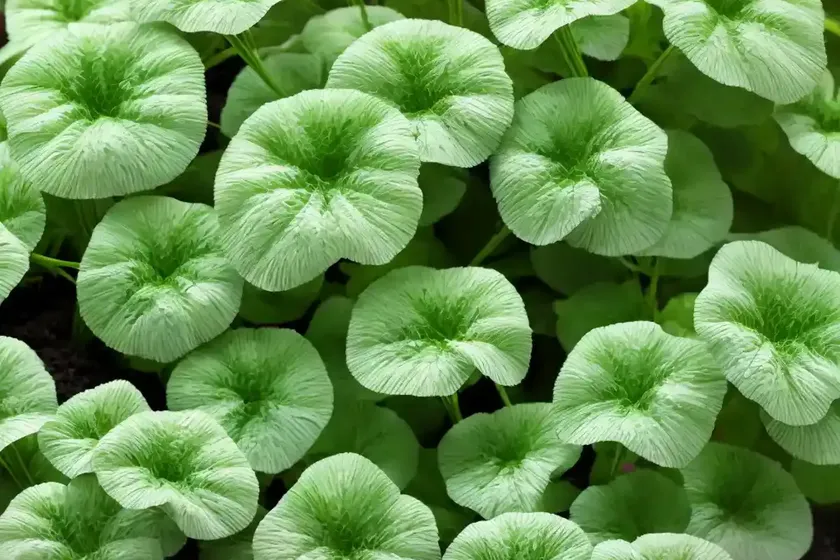
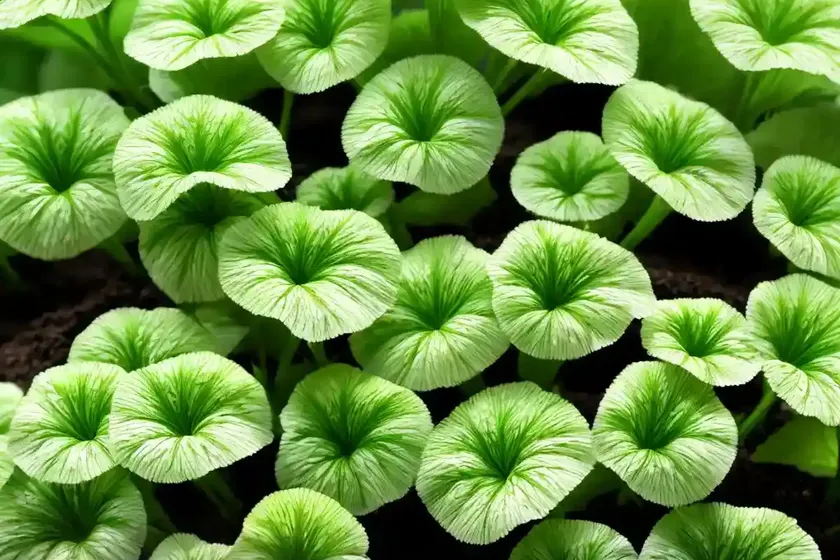
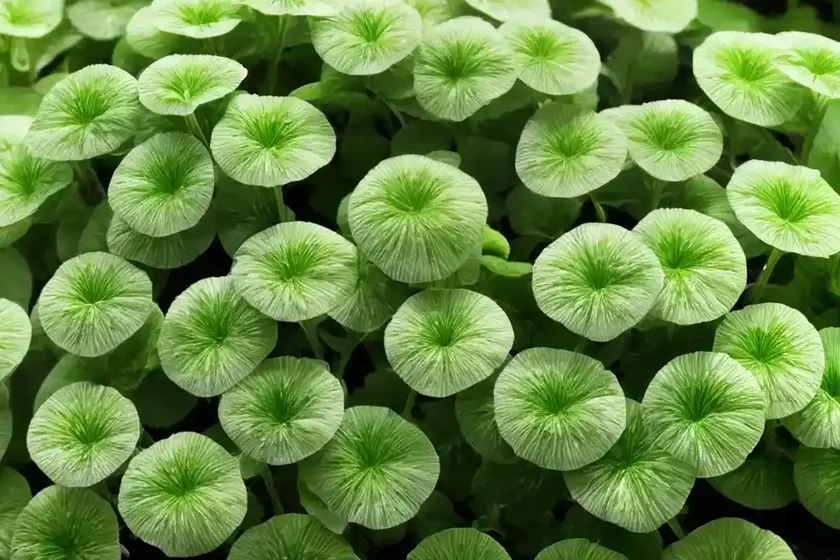
The Bushy Lippia, or scientifically known as Lippia Alba, is a versatile and aromatic plant that belongs to the Verbenaceae family. This evergreen shrub is native to South and Central America. Lippia Alba is well-regarded for its multiple uses, including its culinary, medicinal, aromatic, and ornamental properties. With its beautiful foliage and delicate flowers, the Bushy Lippia makes an excellent addition to gardens, landscapes, and even indoor spaces.
Key Takeaways – Bushy Lippia (Lippia Alba)
- Scientific Name: Lippia Alba
- Common Name: Bushy Lippia
- Family: Verbenaceae
- Native to: South and Central America
- Uses: Culinary, Medicinal, Aromatic, Ornamental
- Characteristics: Aromatic, Evergreen, Bushy, Delicate flowers
Culture
Understanding the cultural requirements of Bushy Lippia is essential for its successful growth and development. This includes aspects such as the plant’s preferred conditions, care tips, and its uses in various spheres.
Uses
The diverse uses of Bushy Lippia contribute to its popularity and appeal. It is utilized in various areas, including:
- Culinary: The leaves of Bushy Lippia can be used as a flavorful herb in cooking, adding a refreshing and citrusy taste to dishes.
- Medicinal: Lippia Alba possesses medicinal properties and has been traditionally used to address ailments such as respiratory issues, digestive problems, and as a natural tranquilizer.
- Aromatic: The fragrance of the Bushy Lippia’s leaves makes it a sought-after plant for aromatherapy and essential oil production.
- Ornamental: With its bushy and evergreen nature, Bushy Lippia serves as an attractive ornamental plant for gardens and landscapes.
Water
Proper watering is critical for the health and vitality of Bushy Lippia. Understanding its water requirements will enable you to provide optimal care.
- Water Requirements: Bushy Lippia thrives in well-draining soil and prefers regular watering to maintain consistent moisture levels. However, it is essential to avoid waterlogging, as this can lead to root rot.
Sunlight
Sunlight is a vital factor that influences a plant’s growth and overall well-being. Understanding the light requirements of Bushy Lippia is essential for its successful cultivation.
- Sunlight Needs: Bushy Lippia thrives in full sun to partial shade, making it adaptable to a range of light conditions. Providing adequate sunlight is crucial for promoting robust growth and encouraging flowering.
Fertilizer
Nourishing the Bushy Lippia with appropriate fertilization contributes to its healthy growth and ensures that it reaches its full potential.
- Fertilizer Application: Applying a balanced, slow-release fertilizer during the growing season can support the vigorous growth and profuse flowering of Bushy Lippia. It is advisable to follow the product’s instructions for the correct dilution and application frequency.
Soil
The soil composition and quality play a significant role in the development and performance of Bushy Lippia. Understanding its soil preferences is essential for providing an ideal growing environment.
- Soil Type: Bushy Lippia thrives in well-draining, loamy soil with a slightly acidic to neutral pH. It is essential to ensure good aeration and soil structure to support healthy root development.
Pruning
Regular pruning is beneficial for maintaining the shape, health, and vigor of Bushy Lippia. Implementing proper pruning techniques is essential for achieving optimal results.
- Pruning Techniques: Light pruning can be performed throughout the year to remove dead or leggy growth and encourage compact and bushy growth. Additionally, rejuvenation pruning can be carried out in early spring to stimulate new growth and maintain the plant’s overall health.
Propagation
Propagating Bushy Lippia allows for the expansion of its presence in gardens and landscapes. Understanding the propagation methods facilitates its multiplication and distribution.
- Propagation Methods: Bushy Lippia can be propagated from stem cuttings, seeds, or by division. Stem cuttings are commonly used and can be taken from healthy, mature plants for successful propagation.
Container Popularity
Bushy Lippia’s suitability for container cultivation makes it a popular choice for individuals with limited garden space or those interested in indoor gardening.
- Container Cultivation: The versatility and adaptability of Bushy Lippia make it well-suited for container cultivation. This enables individuals to enjoy its beauty, fragrance, and uses in a compact growing environment.
Common Diseases
Familiarizing yourself with the potential diseases that may affect Bushy Lippia is essential for proactive disease management and prevention.
- Disease Susceptibility: Bushy Lippia is relatively resistant to diseases, with proper cultural practices and environmental considerations helping to minimize the risk of infections. However, it is advisable to monitor the plant for signs of common diseases such as powdery mildew and leaf spot.
Disease Diagnosis
Early detection and accurate diagnosis of plant diseases are essential for implementing timely and effective control measures.
- Symptoms: Symptoms of common diseases may include powdery white patches on the foliage (indicative of powdery mildew) and circular, dark spots on the leaves (indicative of leaf spot). It is crucial to address these issues promptly to prevent their escalation.
Common Pests
Being aware of the potential pests that may target Bushy Lippia allows for preemptive pest management strategies to be put in place.
- Pest Concerns: Bushy Lippia is relatively resistant to pests. However, it may occasionally attract aphids, spider mites, or whiteflies. Regular inspection of the plant can help in early pest detection and control.
Botanist’s Tips
As a plant scientist, I would like to offer valuable tips for caring for and maximizing the potential of Bushy Lippia.
Fun Facts
Here are some fascinating and lesser-known facts about Bushy Lippia:
- Butterfly Attraction: The delicate flowers of Bushy Lippia have the potential to attract butterflies and other beneficial pollinators to the garden, contributing to biodiversity.
- Aromatic Qualities: Bushy Lippia’s leaves exude a citrusy fragrance, making it a delightful addition to gardens and landscapes, as well as a sought-after candidate for aromatherapy and essential oil production.
Links to External Resources
For more in-depth information about Bushy Lippia and its cultivation, uses, and care, consider exploring the following external resources:
- University of Florida IFAS Extension – Lippia Alba
- CABI Invasive Species Compendium – Lippia Alba
- Lippia Alba in Traditional Medicine – Research Article
FAQs
1. Is Bushy Lippia suitable for container cultivation?
Yes, Bushy Lippia is well-suited for container cultivation, making it an excellent choice for individuals with limited garden space or those interested in indoor gardening.
2. What are the possible uses of Bushy Lippia?
Bushy Lippia has diverse uses, including culinary applications, medicinal properties, aromatic qualities for aromatherapy and essential oil production, and ornamental value in gardens and landscapes.
3. How can I propagate Bushy Lippia?
Bushy Lippia can be propagated from stem cuttings, seeds, or by division. Stem cuttings from healthy, mature plants are commonly used for successful propagation.
4. What are the potential pests and diseases that may affect Bushy Lippia?
While Bushy Lippia is relatively resistant to pests and diseases, it may occasionally attract aphids, spider mites, whiteflies, powdery mildew, and leaf spot. Monitoring the plant for signs of these issues is advisable for early detection and control.
5. What are some key tips for successful care of Bushy Lippia?
Providing well-draining soil, adequate sunlight, regular watering, balanced fertilization, and light pruning are key aspects of successful Bushy Lippia care. Additionally, monitoring for pests and diseases and addressing any issues promptly contribute to maintaining the plant’s health and vigor.
In conclusion, the versatility and multi-faceted nature of Bushy Lippia make it a valuable addition to horticulture, providing benefits across culinary, medicinal, aromatic, and ornamental spheres. By understanding its cultural requirements, propagating and caring for Bushy Lippia, and managing potential pests and diseases, individuals can fully appreciate and harness the potential of this remarkable plant.


