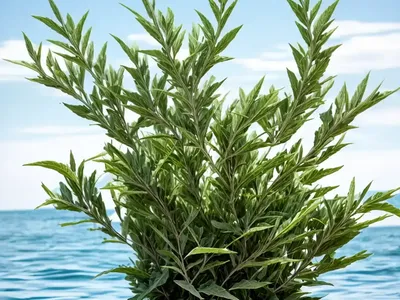
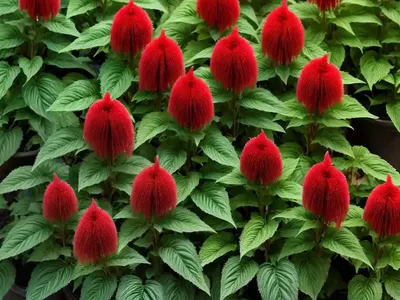
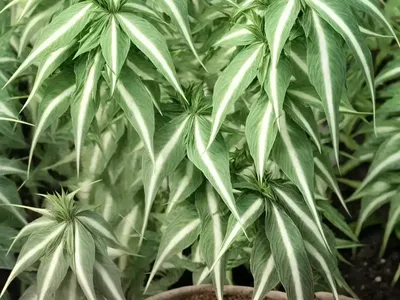
Silver Cock’s Comb (Celosia Argentea)
Silver Cock’s Comb, scientifically known as Celosia argentea, is a vibrant and visually striking plant with a rich cultural significance. Its unique and.
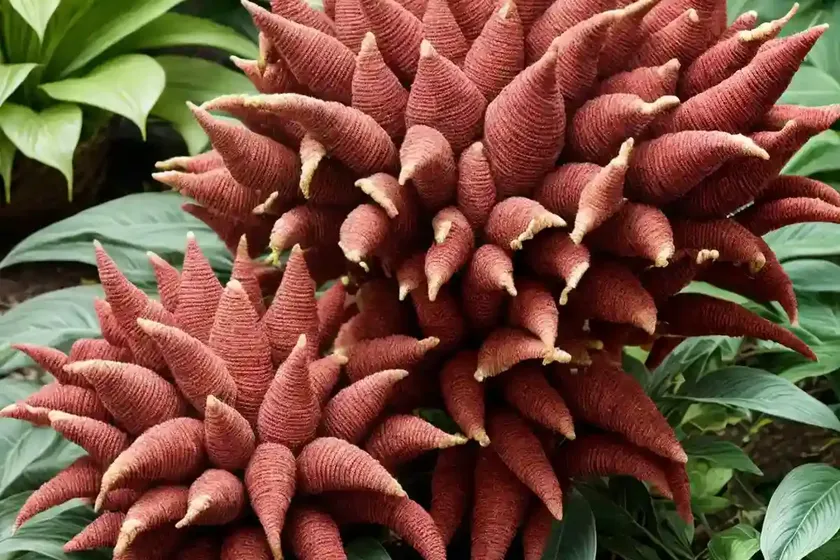
Silver Cock’s Comb (Celosia argentea): A Comprehensive Plant Guide
Introduction
Silver Cock’s Comb, scientifically known as Celosia argentea, is a vibrant and visually striking plant with a rich cultural significance. Its unique and exotic appearance, coupled with its ease of cultivation, has made it a popular choice for both indoor and outdoor gardens. In this comprehensive guide, we will delve into the various aspects of growing and caring for Silver Cock’s Comb, including its cultural significance, uses, care requirements, and potential pests and diseases.
What is Silver Cock’s Comb (Celosia argentea)?
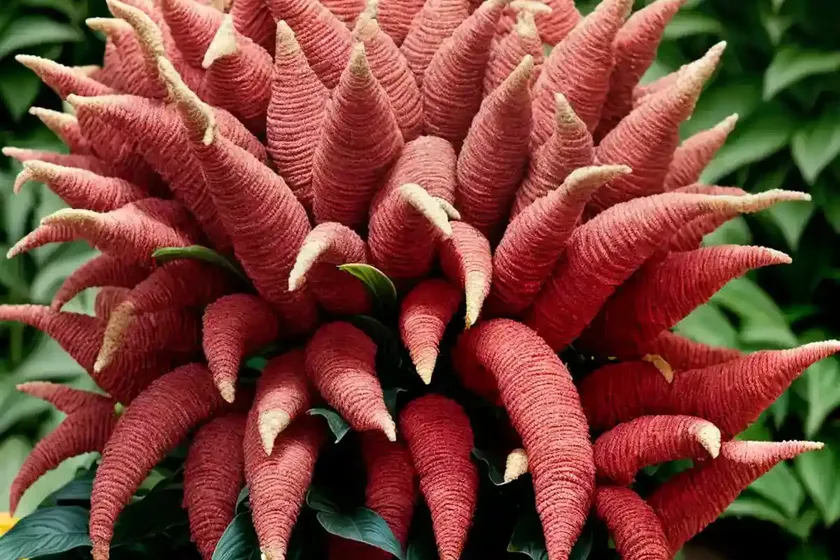
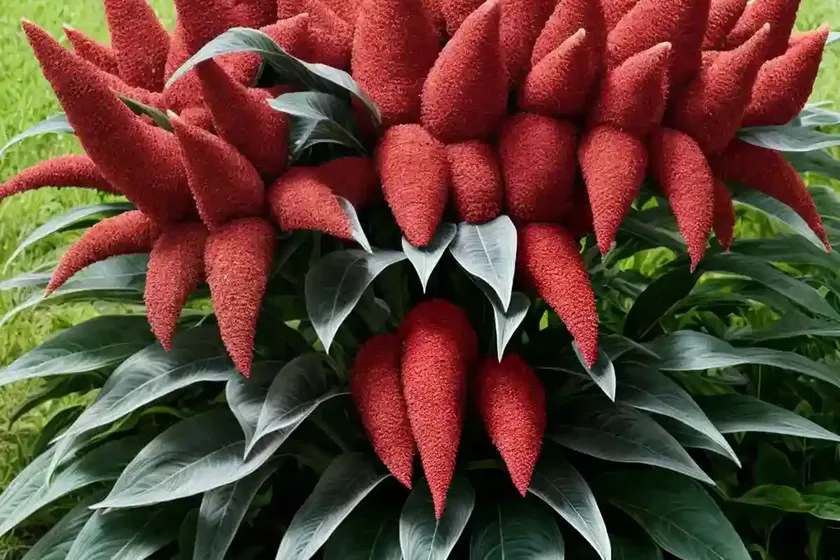
Silver Cock’s Comb, or Celosia argentea, is a member of the Amaranthaceae family, which encompasses a diverse array of flowering plants. This species is native to tropical regions of Africa, Asia, and South America and is characterized by its distinct, plumed flowers and vibrant foliage. The plant typically grows in an upright, bushy manner, reaching heights of up to 2 feet, and is adorned with striking, brightly colored flower heads.
Key Takeaways – Silver Cock’s Comb (Celosia argentea)
Culture
- Origin: Native to tropical regions of Africa, Asia, and South America
- Botanical Name: Celosia argentea
- Family: Amaranthaceae
- Type: Annual or perennial depending on the climate
- Growth Habit: Upright, bushy
Uses
- Ornamental: Popular as an ornamental plant in gardens, landscapes, and floral arrangements
- Cultural Significance: Used in traditional ceremonies and cultural events in various regions
- Medicinal: Some traditional medicine systems use Celosia argentea for its potential health benefits
Water
- Watering Needs: Moderate; avoid waterlogging the soil
- Watering Frequency: Water when the top inch of soil feels dry
- Soil Moisture: Well-draining soil is essential for preventing waterlogged conditions
Sunlight
- Light Requirements: Full sun to partial shade
- Indoor Lighting: Place indoors in bright, indirect light
Soil
- Soil Type: Well-draining, fertile soil
- pH Level: Neutral to slightly acidic (pH 6.0-7.0)
- Soil Amendments: Incorporate organic matter for improved soil structure and fertility
Fertilizer
- Fertilization: Apply a balanced, all-purpose fertilizer during the growing season
- Frequency: Monthly or as per the product’s instructions
- Avoid Excess Nitrogen: Excessive nitrogen can lead to lush foliage at the expense of flowers
- Organic Options: Use organic fertilizers for sustainable cultivation practices
Pruning
- Pruning Needs: Minimal pruning required
- Deadheading: Remove spent flowers to promote continuous blooming
- Maintenance Pruning: Trim leggy or damaged growth as needed
Propagation
- Propagation Methods: Seeds, stem cuttings
- Seed Propagation: Sow seeds directly in the garden or containers after the last frost
- Cutting Propagation: Root stem cuttings in well-draining soil
Container Popularity
- Container Gardening: Well-suited for container cultivation
- Container Size: Select a container with adequate drainage and sufficient space for root development
- Versatility: Ideal for adding color and texture to patios, balconies, and indoor spaces
Common Diseases
- Disease Resistance: Generally resistant to most common plant diseases
- Potential Issues: Watch for signs of fungal diseases in humid conditions
- Preventative Measures: Provide good air circulation and avoid overhead watering
Disease Diagnosis
- Symptoms: Yellowing, wilting, or spotted leaves
- Fungal Infections: Presence of powdery mildew or other fungal growth on leaves
- Immediate Action: Quarantine infected plants and treat with appropriate fungicides
Common Pests
- Pest Resistance: Relatively resistant to pests
- Potential Pests: Watch for aphids, spider mites, and caterpillars
- Natural Predators: Encourage beneficial insects for natural pest control
Botanist’s Tips
- Seasonal Changes: Adjust watering and fertilization according to seasonal requirements
- Mulching: Apply organic mulch to conserve soil moisture and suppress weeds
- Companion Planting: Pair with pollinator-attracting plants to enhance garden biodiversity
Fun Facts
- The vibrant plumes of Celosia argentea have earned it the nickname “cockscomb” due to their resemblance to rooster combs.
- In some cultures, Celosia argentea is used as an auspicious plant in religious and ceremonial practices.
- The plant’s flowers are not only visually striking but also attract a variety of pollinators, contributing to ecosystem health.
Links to External Resources
For further information, you can explore the following resources:
- Silver Cockscomb Characteristics
- Celosia argentea Plant Guide
- Growing Silver Cockscomb Indoors
- Celosia argentea Care Tips
- Silver Cock’s Comb Plant Varieties
- Benefits of Celosia argentea Plant
- How to Propagate Silver Cockscomb
- Silver Cockscomb: A Unique Garden Plant
- Celosia argentea Landscaping Ideas
- Tips for Successful Celosia argentea Cultivation
- Health Benefits of Silver Cock’s Comb
- Silver Cockscomb: A Popular Ornamental Plant
- Celosia argentea: An Easy-to-Grow Plant
- Silver Cock’s Comb Plant Species Explained
- Growing Celosia argentea from Seeds
- Silver Cockscomb: A Drought-Tolerant Plant
- Care Instructions for Celosia argentea
- Silver Cock’s Comb: A Versatile Garden Addition
This comprehensive guide aims to provide valuable insights into the cultivation and care of Silver Cock’s Comb (Celosia argentea), offering both seasoned gardeners and beginners the necessary knowledge to successfully grow and appreciate this remarkable plant. Whether used as a striking garden centerpiece, a vibrant addition to floral arrangements, or a meaningful cultural symbol, Celosia argentea continues to leave a lasting impression in the world of horticulture. Through proper care and appreciation, this plant can thrive and enrich any garden or indoor space with its unique characteristics and visual appeal.