Pellionia Pulchra (Polynesian Ivy Vine)
Pellionia Pulchra, commonly known as Polynesian Ivy Vine, is an attractive and versatile plant that is popular among both beginner and experienced plant.
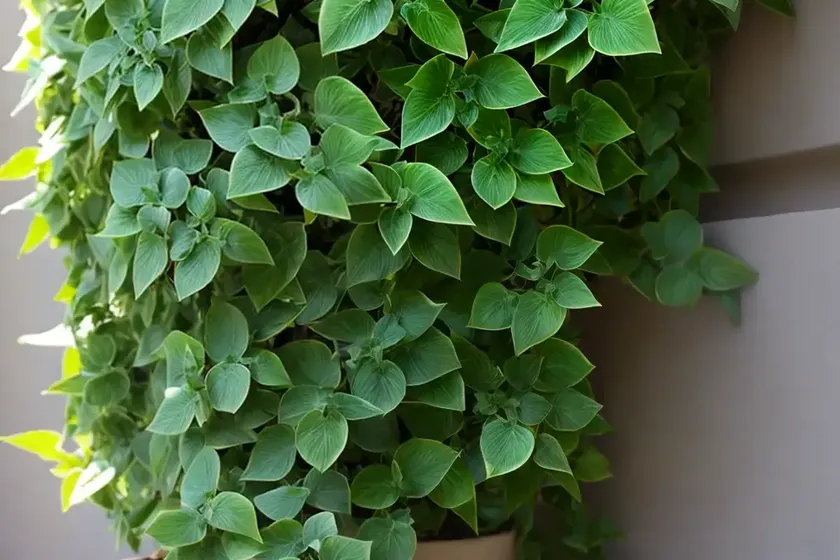
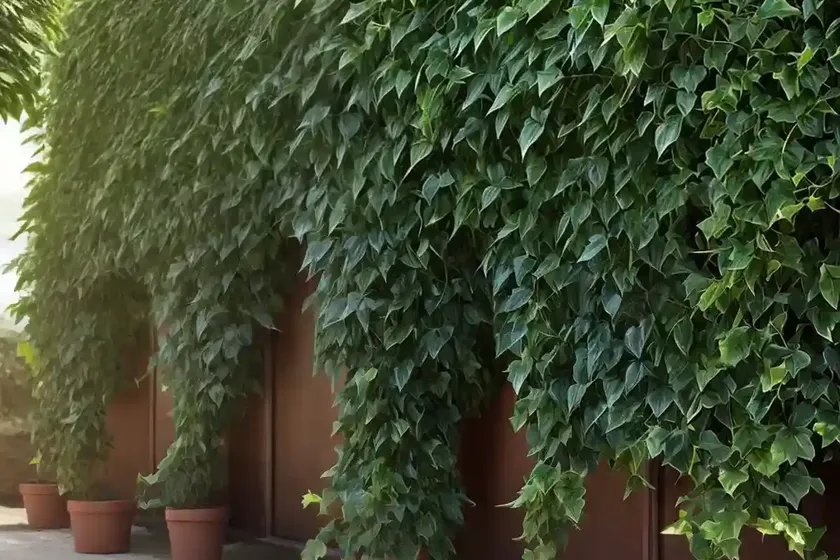
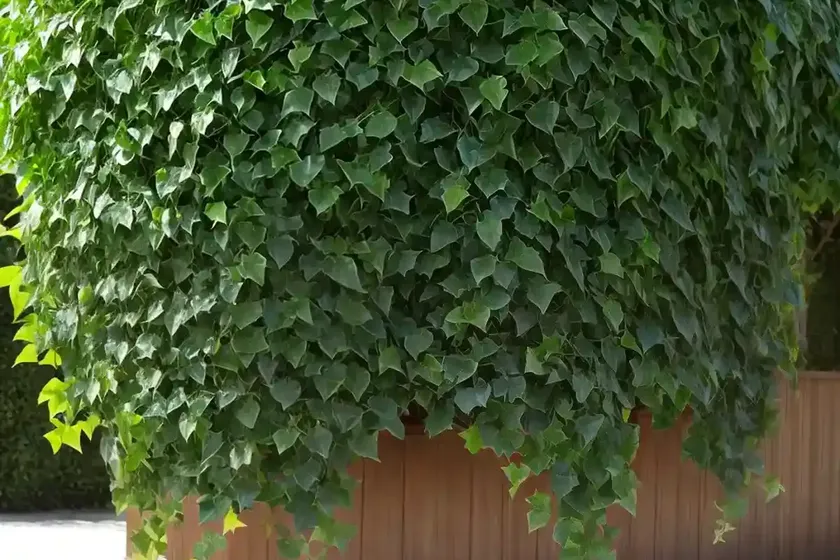
Pellionia Pulchra, commonly known as Polynesian Ivy Vine, is an attractive and versatile plant that is popular among both beginner and experienced plant enthusiasts. This unique vining plant with decorative foliage and trailing habits can be cultivated both indoors and outdoors, making it a favorite for many plant lovers. In this comprehensive plant care guide, we will delve into the various aspects of caring for Pellionia Pulchra, including its culture, uses, water requirements, sunlight preferences, fertilizer needs, soil conditions, pruning tips, propagation methods, common diseases, pests, and more. Regardless of whether you are a novice plant parent or a seasoned gardener, this guide will equip you with all the necessary information to ensure the optimal health and growth of your Polynesian Ivy Vine.
Table of Contents
- What is Pellionia Pulchra (Polynesian Ivy Vine)?
- Key Takeaways
- Common Diseases and Pests
- Botanist’s Tips
- Fun Facts
- Links to External Resources
What is Pellionia Pulchra (Polynesian Ivy Vine)?
Pellionia Pulchra, also known as Polynesian Ivy Vine, is a species of flowering plant in the family Urticaceae, native to Southeast Asia. It is recognized for its attractive foliage and lush, trailing growth habit, making it a popular choice for hanging baskets, containers, and as a ground cover in suitable climates. The leaves of Pellionia Pulchra are usually variegated, showcasing vibrant patterns and colors that add a decorative element to any space.
Key Takeaways
Pellionia Pulchra, with its unique trailing and decorative foliage, has specific care requirements in terms of culture, watering, sunlight, soil, and more. The following key takeaways provide essential information for successfully cultivating Polynesian Ivy Vine.
Culture
When it comes to the culture of Pellionia Pulchra, it is crucial to understand the plant’s requirements to create a suitable environment for its growth and development.
Uses
Recognizing the potential uses of Pellionia Pulchra can guide plant enthusiasts in leveraging its aesthetic and functional qualities effectively.
Water
Understanding the watering requirements of Polynesian Ivy Vine is essential for maintaining optimal moisture levels without causing water-related issues such as root rot.
Sunlight
Providing adequate sunlight is crucial for the growth and well-being of Pellionia Pulchra, and knowing its light preferences can help in proper placement.
Fertilizer
Fertilizing Pellionia Pulchra is essential to ensure the availability of vital nutrients for healthy growth and vibrant foliage.
Soil
Optimizing the soil conditions for Polynesian Ivy Vine is vital for supporting its growth and preventing potential issues related to soil quality.
Pruning
Pruning plays a significant role in maintaining the size, shape, and overall appearance of Pellionia Pulchra, and understanding the pruning techniques is essential.
Propagation
Knowing the propagation methods for Pellionia Pulchra enables enthusiasts to expand their plant collection and share the beauty of Polynesian Ivy Vine with others.
Container
Understanding the suitability of different containers for growing Pellionia Pulchra can aid in selecting the appropriate options for cultivation.
Popularity
Recognizing the popularity of Pellionia Pulchra as a houseplant or outdoor ornamental plant highlights its appeal among plant enthusiasts.
Culture
Understanding the cultural requirements of Pellionia Pulchra is fundamental for creating an environment that supports its growth and allows it to thrive. Here are some essential aspects of the plant’s culture:
-
Temperature: Pellionia Pulchra thrives in average to warm temperatures, ideally ranging from 65°F to 80°F (18°C to 27°C). It is essential to protect the plant from sudden temperature drops and cold drafts, which can negatively impact its growth.
-
Humidity: Polynesian Ivy Vine appreciates moderate to high humidity levels, making it suitable for cultivation in bathrooms, kitchens, or other areas with naturally higher humidity. Alternatively, using a humidifier or frequent misting can create the ideal humidity for the plant.
-
Potting: When choosing a pot for Pellionia Pulchra, opt for a well-draining container to prevent waterlogging. The choice of pot size should allow for adequate space for root growth, promoting healthy development.
-
Support: Due to its trailing growth habit, providing support such as trellises or stakes can encourage upward growth and a visually appealing display.
-
Indoor vs. Outdoor: Pellionia Pulchra can be grown both indoors and outdoors, allowing for versatility in cultivation. When grown outdoors, it thrives in shaded or partially shaded areas with protection from direct sunlight.
Uses
Pellionia Pulchra serves several practical and aesthetic purposes, making it a valuable addition to indoor and outdoor spaces. Understanding its potential uses can inspire creative ways to incorporate Polynesian Ivy Vine into various settings:
-
Indoor Décor: The vibrant and decorative foliage of Pellionia Pulchra makes it an excellent choice for enhancing interior spaces. Whether displayed in hanging baskets, on shelves, or as a trailing accent, it adds a touch of natural beauty to any room.
-
Outdoor Landscaping: In suitable climates, Pellionia Pulchra can be utilized as ground cover, particularly in shaded areas where its trailing growth habit creates a lush and visually appealing carpet of foliage. It can also thrive in outdoor containers and hanging baskets.
-
Air Purification: Like many houseplants, Polynesian Ivy Vine contributes to air purification by removing certain pollutants and enhancing air quality. Its presence in indoor spaces can contribute to a healthier living environment.
Water
Proper watering is crucial for the health and vitality of Pellionia Pulchra. Understanding its watering requirements and implementing an appropriate watering regimen are essential for preventing issues related to over-watering or under-watering. Here are some key points to consider when watering Polynesian Ivy Vine:
-
Moisture Levels: Aim to keep the soil consistently moist but not waterlogged. The top inch of the soil should be allowed to dry out slightly between watering sessions to prevent water accumulation and potential root rot.
-
Watering Frequency: The frequency of watering can vary based on factors such as temperature, humidity, and the plant’s overall water needs. Generally, it is recommended to water Pellionia Pulchra when the top layer of soil feels slightly dry to the touch.
-
Water Quality: Using room-temperature water or water that has been allowed to stand for a day can help to avoid shocking the plant with cold water. Additionally, using filtered water or rainwater can minimize the accumulation of salts and chemicals in the soil.
-
Drainage: Ensuring proper drainage in the pot or container is essential to prevent water from accumulating at the bottom, which can lead to waterlogged soil and root-related issues.
Sunlight
As with many plants, providing the right amount of sunlight is crucial for the overall health and growth of Pellionia Pulchra. Understanding the plant’s light preferences and optimizing its exposure to sunlight can contribute to vibrant foliage and robust development:
-
Light Intensity: Polynesian Ivy Vine thrives in bright, indirect light. It is essential to avoid exposing the plant to direct sunlight, particularly during the intense afternoon sun, as it can scorch the delicate foliage.
-
Indoor Placement: When grown indoors, placing Pellionia Pulchra near east or west-facing windows can provide the ideal balance of natural light without subjecting the plant to direct sunbeams. Alternatively, filtered light from a sheer curtain can also be beneficial.
-
Outdoor Considerations: When cultivated outdoors, positioning the plant in shaded or partially shaded areas can prevent sun damage and ensure that the foliage retains its vibrant colors and patterns.
-
Light Duration: Providing 10-12 hours of light per day is generally suitable for Pellionia Pulchra, whether through natural daylight or supplemental indoor lighting. Consistency in light exposure can support the plant’s growth habits and overall well-being.
Fertilizer
Proper fertilization is essential to provide Pellionia Pulchra with the necessary nutrients for healthy growth and vibrant foliage. Understanding the plant’s fertilization needs and implementing a suitable feeding schedule can contribute to lush and vigorous development:
-
Fertilizer Type: A balanced, water-soluble fertilizer with equal parts of nitrogen, phosphorus, and potassium (e.g., a 20-20-20 formulation) is suitable for Pellionia Pulchra. Alternatively, using a fertilizer specifically formulated for foliage plants can provide the essential nutrients.
-
Feeding Frequency: During the active growing season, typically in spring and summer, fertilize Polynesian Ivy Vine every 4-6 weeks to support its growth. Reduce feeding in fall and winter when the plant’s growth rate slows down.
-
Application Method: Dilute the fertilizer to half the recommended strength to avoid over-fertilization, which can lead to salt accumulation in the soil. Apply the diluted fertilizer to the damp soil to allow for even distribution and effective absorption.
-
Soil Health: Regular fertilization should be complemented by maintaining healthy soil conditions, including adequate drainage, to prevent nutrient buildup and potential soil-related issues.
Soil
Optimizing the soil conditions for Pellionia Pulchra is crucial for supporting its growth and preventing potential issues related to soil quality. Understanding the ideal soil requirements and implementing suitable substrates can contribute to the plant’s overall health and vitality:
-
Well-Draining Soil: Pellionia Pulchra thrives in well-draining soil that allows excess water to flow through easily. A lightweight, peat-based potting mix with added perlite or pumice can provide the necessary drainage for the plant.
-
Acidity Levels: The soil pH for Polynesian Ivy Vine should ideally be slightly acidic to neutral, ranging from 6.0 to 7.0. Monitoring the pH of the soil and making adjustments as needed can support the plant’s nutrient uptake.
-
Aeration: Ensuring proper aeration within the soil promotes healthy root development and prevents the risk of waterlogged conditions. Amending the soil with materials that enhance aeration, such as coarse sand or orchid bark, can be beneficial.
-
Container Considerations: When growing Pellionia Pulchra in containers, choosing pots with drainage holes facilitates proper soil moisture management and prevents water accumulation at the root zone.
Pruning
Pruning plays a significant role in maintaining the size, shape, and overall appearance of Pellionia Pulchra. Understanding the pruning techniques and implementing appropriate measures can support the plant’s vigor and visual appeal:
-
Deadheading: Remove spent flowers or discolored leaves regularly to maintain the plant’s aesthetic quality and prevent the development of fungal or bacterial issues.
-
Trimming Overgrowth: Trimming back overly long or leggy stems can encourage bushier growth and prevent the plant from becoming too sparse or straggly.
-
Shaping: Prune Pellionia Pulchra to the desired shape, whether it’s to promote a more compact growth habit or to encourage upward trailing in a specific direction.
-
Tool Maintenance: Use clean and sterilized pruning shears or scissors when pruning Polynesian Ivy Vine to prevent the spread of diseases and ensure proper healing of the cut surfaces.
Propagation
Knowing the propagation methods for Pellionia Pulchra enables plant enthusiasts to expand their plant collection and share the beauty of Polynesian Ivy Vine with others. Understanding the various propagation techniques and implementing suitable approaches can result in successful and rewarding outcomes:
-
Stem Cuttings: Propagating Pellionia Pulchra from stem cuttings is a popular and effective method. Select healthy stems with several nodes, remove the lower leaves, and place the cuttings in a moist, well-draining rooting medium. With proper care, the cuttings will develop roots and can be potted individually.
-
Root Division: Dividing the plant’s root system during repotting can create new plants from the existing root structure. Gently separate the roots and replant the divisions in separate containers with fresh potting mix.
-
Water Propagation: Placing stem cuttings in water and allowing them to develop roots before transplanting them into soil is another viable method for propagating Pellionia Pulchra.
-
Optimal Conditions: Provide consistent warmth and moisture during the propagation process to encourage root development and ensure the success of the newly propagated plants.
Container
Understanding the suitability of different containers for growing Pellionia Pulchra can aid in selecting the appropriate options for cultivation. Whether it’s for indoor or outdoor use, choosing the right container contributes to the health and growth of Polynesian Ivy Vine:
-
Drainage: Select containers with drainage holes to facilitate the outflow of excess water and prevent waterlogging, which can be detrimental to the plant’s roots.
-
Size: Choose a container that provides ample space for the plant’s roots to spread and grow. A slightly larger pot than the current one allows for future growth and prevents the plant from becoming root-bound.
-
Material: Consider using lightweight materials such as plastic or fiberglass for indoor containers to ease maintenance and movement. Outdoor containers can be made of materials such as terracotta or concrete, which provide stability and withstand outdoor elements.
-
Aesthetics: Select containers that complement the visual appeal of Pellionia Pulchra, whether it’s a decorative pot for indoor display or a sturdy, weather-resistant container for outdoor cultivation.
Popularity
Pellionia Pulchra has gained popularity among plant enthusiasts for several reasons, including its decorative foliage, versatile growth habits, and suitability for various growing conditions. Recognizing its appeal and popularity can highlight its value as a cherished plant species:
-
Aesthetic Appeal: The vibrant and variegated foliage of Polynesian Ivy Vine adds a pop of color and visual interest to any space, making it a sought-after decorative plant.
-
Versatility: The ability to thrive both indoors and outdoors, along with its trailing growth habit, makes Pellionia Pulchra a versatile choice for various cultivation settings.
-
Ease of Care: With proper understanding and implementation of its care requirements, Pellionia Pulchra is relatively easy to maintain, attracting both novice and experienced plant enthusiasts.
-
Sharing and Gifting: The ease of propagation and the plant’s overall appeal make it a popular choice for sharing with friends and family as a thoughtful gift.
Common Diseases and Pests
Like any plant, Pellionia Pulchra is susceptible to certain diseases and pests that can affect its health and overall condition. Being able to diagnose common issues and recognizing potential pests is crucial for implementing effective interventions and maintaining the plant’s well-being.
Disease Diagnosis
Identifying and addressing diseases that may affect Pellionia Pulchra is essential for preventing the spread of infections and preserving the plant’s health. Common diseases that may affect Polynesian Ivy Vine include:
-
Leaf Spot: Fungal infections can cause dark or discolored spots on the leaves, leading to leaf drop and reduced vigor. Providing proper air circulation and avoiding overhead watering can help prevent leaf spot diseases.
-
Root Rot: Overly wet or waterlogged soil can lead to root rot, resulting in yellowing, wilting, and eventual collapse of the plant. Adjusting the watering frequency and ensuring adequate drainage can prevent root rot.
-
Powdery Mildew: This fungal disease presents as a powdery white coating on the foliage, affecting the plant’s overall appearance. Increasing air circulation and using appropriate fungicidal treatments can address powdery mildew.
-
Bacterial Infections: Bacterial diseases can cause wilting, leaf discoloration, and overall decline in plant health. Proper sanitation practices and removing affected plant parts can help prevent the spread of bacterial infections.
Common Pests
Pests can also pose a threat to Pellionia Pulchra, affecting its growth and vitality. Recognizing and addressing common pests is essential for maintaining a pest-free environment for the plant:
-
Spider Mites: These tiny arachnids can cause stippling, webbing, and overall decline in plant health. Regularly inspecting the foliage and using insecticidal soaps can help control spider mite infestations.
-
Aphids: These small, soft-bodied insects can cluster on the stems and foliage, leading to distorted growth and honeydew production. Utilizing natural predators or applying insecticidal treatments can manage aphid populations.
-
Mealybugs: Mealybugs can infest Pellionia Pulchra, causing stunted growth and a sticky residue on the foliage. Manual removal and targeted insecticidal treatments are effective in addressing mealybug infestations.
-
Scale Insects: Scale insects can attach themselves to the stems and leaves, causing yellowing and weakening of the plant. Using horticultural oils or insecticidal treatments can help control scale infestations.
Botanist’s Tips
Here are some expert tips from botanists and experienced gardeners to enhance the care and maintenance of Pellionia Pulchra:
-
Regular Monitoring: Keep a close eye on the plant’s growth, foliage appearance, and overall health to address any issues promptly.
-
Avoid Over-watering: Be mindful of the plant’s watering needs and allow the soil to dry out slightly between waterings to prevent water-related problems.
-
Provide Adequate Support: When growing Pellionia Pulchra as a climbing or trailing plant, offer suitable support to guide its growth and prevent it from becoming tangled.
-
Consider Companion Plants: Pair Pellionia Pulchra with compatible companion plants to create visually appealing arrangements and enhance the overall aesthetic of the space.
-
Adjust Care Throughout Seasons: Be aware of seasonal changes and adjust care practices, such as watering frequency and light exposure, to accommodate the plant’s varying needs.
Fun Facts
Discovering intriguing aspects of Pellionia Pulchra can add to the fascination and appreciation for this unique plant species:
-
Native Habitat: Pellionia Pulchra is native to countries in Southeast Asia, where it thrives in tropical and subtropical climates.
-
Variegated Foliage: The variegated foliage of Polynesian Ivy Vine showcases an array of colors and patterns, making it a visually striking plant.
-
Trailing Habits: The trailing growth habit of Pellionia Pulchra allows it to cascade gracefully over containers, creating an elegant and lush display.
-
Air Purification: Like many houseplants, Pellionia Pulchra contributes to air purification by removing certain pollutants and enhancing indoor air quality.
-
Suitability for Small Spaces: The compact nature of Polynesian Ivy Vine makes it an excellent choice for small gardens, balconies, and indoor


