Bald Cypress (Taxodium Distichum Var. Distichum)
Bald cypress, scientifically known as Taxodium distichum var. distichum, is a magnificent tree with a rich history and a plethora of environmental and.
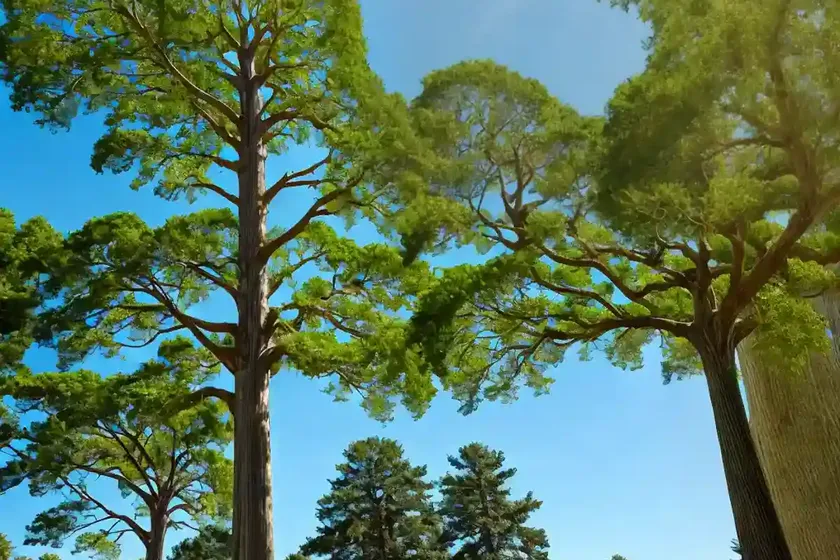
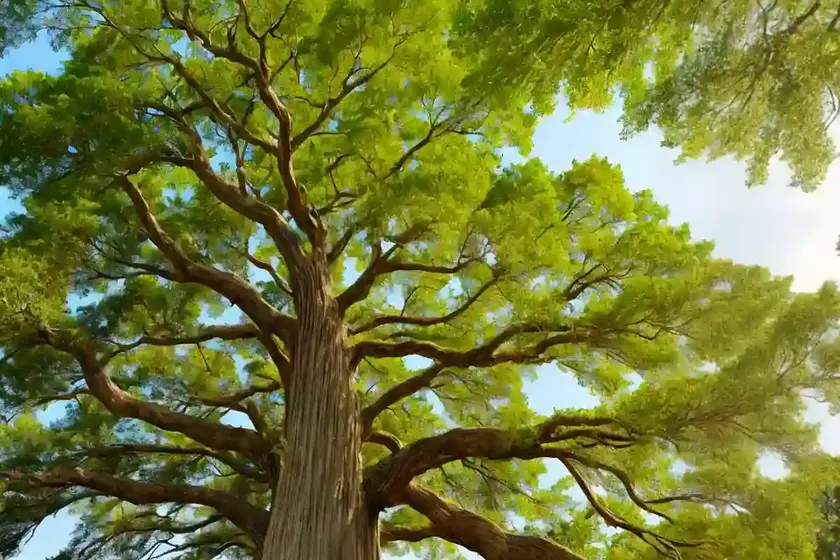
Introduction
Bald cypress, scientifically known as Taxodium distichum var. distichum, is a magnificent tree with a rich history and a plethora of environmental and ornamental benefits. This iconic plant has long captivated the hearts of plant enthusiasts, landscapers, and conservationists alike. In this comprehensive guide, we will delve into the various aspects of bald cypress, from its growth habits to its maintenance requirements, and everything in between.
What is Bald Cypress?
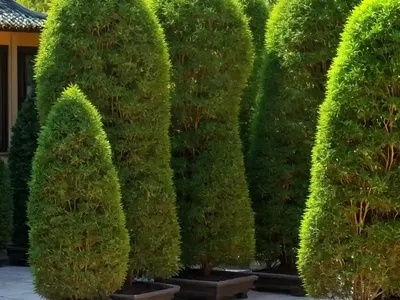
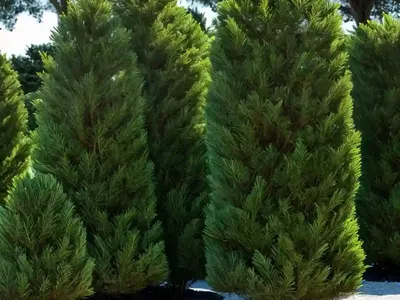
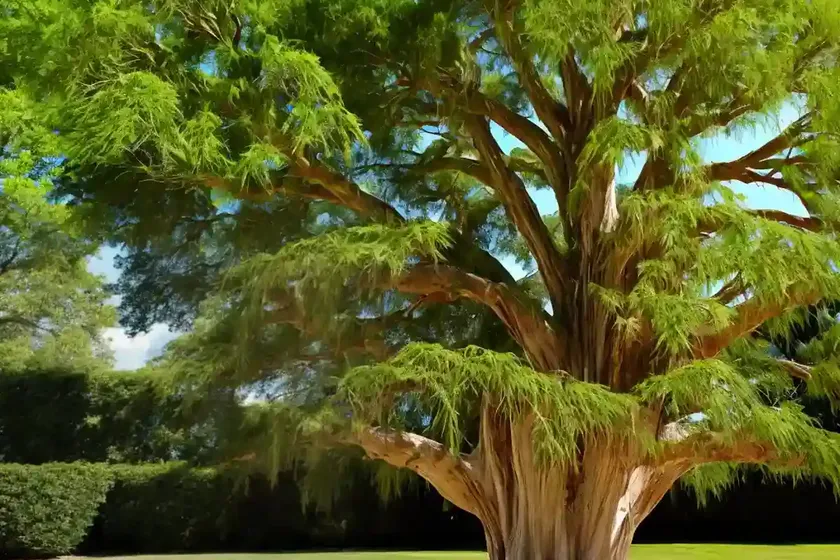
Bald cypress, often referred to as Taxodium distichum var. distichum, is a unique deciduous conifer with needle-like leaves and fluted trunks that provide an awe-inspiring sight in wetland landscapes. Its distinctively buttressed base and an affinity for watery habitats make it an intriguing species from a botanical and ecological perspective. The species name ‘distichum’ refers to the arrangement of its flat, feathery leaves in two distinct rows along its twigs, adding to its visual allure.
Key Takeaways
Before delving deeper into the world of bald cypress, let’s summarize the key takeaways about this enigmatic plant.
Bald Cypress (Taxodium distichum var. distichum)
- Growth Habits: Slow to moderate growth rate, with potential to reach impressive heights.
- Features: Unique fluted trunks, needle-like leaves, and distinct buttressed base.
- Tree Care: Requires minimal maintenance once established, tolerant of various soil and moisture conditions.
- Characteristics: Resilient, adaptable, and prized for its ornamental and ecological value.
- Benefits: Offers multiple environmental benefits and serves as an excellent landscaping choice.
- Cultivation Tips: Thrives in wetland environments, but adaptable to diverse settings with proper care.
Now, let’s dive into the specifics of cultivating and caring for this remarkable tree, starting with its cultural requirements.
Culture
The cultural requirements of bald cypress play a pivotal role in determining its overall health and vitality. Understanding its needs in terms of water, sunlight, soil, and other factors is crucial for successful cultivation.
Water
Bald cypress exhibits a remarkable tolerance for wet soil conditions and is often found in swamps, floodplains, and along the banks of water bodies. Its ability to thrive in waterlogged soils is attributed to the development of pneumatophores, also known as “knees,” which enable the tree to absorb oxygen in saturated environments. However, it is essential to note that while bald cypress excels in wet conditions, it can also adapt to well-drained soils once established, making it a versatile choice for a range of landscapes.
Sunlight
When it comes to sunlight requirements, bald cypress is considered a species that performs well in both full sun and partial shade. This adaptability allows for its successful integration into various landscaping schemes, where it can function as a focal point or contribute to the creation of shaded areas within a garden or natural habitat.
Fertilizer
Due to its adaptability to nutrient-poor conditions, bald cypress generally does not require extensive fertilization once it is established. Organic mulch or compost applied around the base of the tree can provide a gentle nutrient boost, promoting its overall vigor and resilience. It is crucial to avoid excessive nitrogen fertilization, as this can lead to rapid, weak growth and potential susceptibility to diseases.
Soil
Bald cypress demonstrates a preference for acidic, loamy soils, but it is remarkably adaptable and can thrive in a range of soil types, including sandy and clay soils. Its ability to tolerate waterlogged conditions makes it a valuable asset in areas prone to occasional flooding, where many other plants would struggle to survive.
Pruning
Pruning is generally minimal for bald cypress, as it naturally develops a strong and well-balanced structure. However, selective pruning to remove dead or damaged branches, shaping in the early years, and occasional thinning to promote air circulation can contribute to its overall health and aesthetic appeal. It is important to avoid heavy pruning during the growing season, as this can result in excessive sap bleeding and stress on the tree.
Propagation
Bald cypress can be propagated from seeds, cuttings, or layering, with each method offering its own set of advantages and challenges. While the propagation from seed is straightforward, it can take several years for the trees to reach a size suitable for planting out. Cuttings and layering, on the other hand, provide a quicker means of producing new plants but require specific techniques and careful attention to environmental conditions for success.
Container Popularity
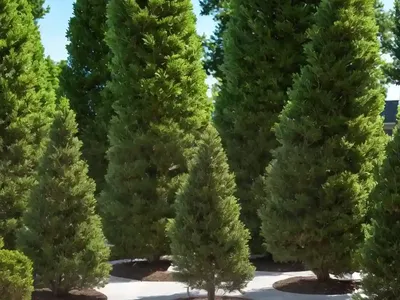
In addition to its role in natural wetland habitats, bald cypress has gained popularity as a container plant for use in patios, urban landscapes, and water features. Its striking appearance and adaptability to various growing conditions make it an appealing choice for container gardening enthusiasts seeking to incorporate a touch of natural elegance into their spaces.
Container Common Diseases
While container-grown bald cypress is generally less susceptible to diseases than those planted in the ground, it can still be affected by various issues, including root rot, twig blight, and cankers. Maintaining proper watering practices, ensuring adequate drainage, and monitoring for any signs of disease can help prevent and manage these potential problems.
Disease Diagnosis
Diagnosing diseases in bald cypress involves careful observation of the tree’s foliage, bark, and overall appearance. Identifying any unusual discoloration, lesions, or dieback, and promptly seeking professional advice for accurate diagnosis and treatment recommendations is essential for maintaining the tree’s health and vitality.
Common Pests
Bald cypress is relatively resistant to pest infestations, owing to its natural resilience and the compounds present in its foliage that deter many potential attackers. However, occasional encounters with pests such as bagworms, spider mites, and scale insects may occur. Vigilant monitoring, cultural practices that promote tree vigor, and, if necessary, targeted treatments can effectively manage pest populations and prevent significant damage.
Botanist’s Tips
For botanically inclined individuals and lovers of horticultural curiosities, the fascinating traits and ecological adaptations of bald cypress provide an endless source of intrigue. Understanding the intricate relationships between this tree and its environment, as well as its historical significance, can enrich the experience of growing and appreciating this species.
Fun Facts
- Living Fossils: Bald cypress is often referred to as a “living fossil” due to its ancient lineage, with fossil records dating back to the Cretaceous period.
- Wood Properties: The durable and water-resistant wood of bald cypress has been historically used for a variety of applications, including boat building, exterior construction, and as a source of ornamental timber.
- Environmental Role: Beyond its ornamental value, bald cypress serves as an important habitat and food source for numerous wildlife species, including birds, mammals, and aquatic organisms.
- Fall Foliage: The needles of bald cypress turn a beautiful coppery-brown in the fall, creating a stunning display of seasonal color before they are shed for the winter.
Links to External Resources
For further exploration of bald cypress, the following resources provide valuable insights, guidance, and opportunities for engaging with a broader community of plant enthusiasts and experts.
– The American Society of Landscape Architects
In conclusion, the bald cypress (Taxodium distichum var. distichum) stands as a testament to the resilience, adaptability, and aesthetic allure of the plant kingdom. Whether flourishing in its native wetland habitats or gracing urban environments as a symbol of natural elegance, this captivating tree continues to enchant and inspire admiration. Embracing the unique features, cultivation techniques, and ecological significance of bald cypress allows us to forge a deeper connection with the natural world and appreciate the intrinsic value of diverse plant species.