The Amazing Properties of Roundleaf Chastetree (Vitex rotundifolia)
As a plant scientist, I am constantly amazed by the fascinating world of plants and their diverse properties. Today, I am excited to delve into the world of Vitex rotundifolia, commonly known as roundleaf chastetree. This plant possesses an array of intriguing features that make it a valuable addition to any garden or landscape.
What is Roundleaf Chastetree (Vitex rotundifolia)?
Roundleaf chastetree, scientifically known as Vitex rotundifolia, is a species of flowering plant in the verbena family, Verbenaceae. This evergreen shrub is native to coastal regions of East Asia and is highly valued for its ornamental, medicinal, and ecological properties. The plant is characterized by its rounded leaves, fragrant flowers, and medicinal compounds that have been traditionally used for various purposes.
Key Takeaways – Roundleaf Chastetree (Vitex rotundifolia)
Before diving into the specific aspects of roundleaf chastetree cultivation and care, let’s take a look at the key takeaways associated with this remarkable plant.
- Botanical Name: Vitex rotundifolia
- Native Habitat: Coastal regions of East Asia
- Common Names: Roundleaf chastetree, beach vitex, West Indian-lilac
- Family: Verbenaceae
- Growth Habit: Evergreen shrub
- Uses: Ornamental, medicinal, ecological
- Notable Features: Fragrant flowers, rounded leaves, medicinal properties
- Preferred Habitat: Coastal environments, well-drained soils
- Cultural Significance: Traditional medicinal uses
Now that we have a basic understanding of what roundleaf chastetree is, let’s explore its cultivation, care requirements, and potential uses in more detail.
Culture
Cultivating roundleaf chastetree requires an understanding of its preferred growing conditions, including water, sunlight, soil, and fertilizer requirements.
Water
Roundleaf chastetree thrives in well-drained soil and is relatively drought-tolerant once established. While the plant can withstand periods of dryness, it benefits from regular watering during the establishment phase and extended dry spells. However, it’s important to avoid waterlogged conditions, as this can lead to root rot and other issues.
Sunlight
In terms of sunlight exposure, roundleaf chastetree enjoys full sun to partial shade. It thrives in bright, sunny locations, but it can also tolerate some shade, particularly in hotter climates. Providing adequate sunlight is crucial for promoting healthy growth and abundant flowering.
Fertilizer
When it comes to fertilization, roundleaf chastetree generally benefits from a balanced, slow-release fertilizer applied in spring. A fertilizer with a formulation such as 10-10-10 can provide the necessary nutrients for robust growth and flowering. However, it’s important not to over-fertilize, as excessive nitrogen can promote vegetative growth at the expense of flowering.
Soil
Roundleaf chastetree prefers well-drained, slightly acidic to neutral soil. Sandy or loamy soils with good drainage are ideal for promoting healthy root development and overall plant vitality. While the plant can tolerate a range of soil types, it’s important to avoid waterlogged or compacted soils, as these can lead to root problems.
Pruning
Pruning is an essential aspect of roundleaf chastetree maintenance, helping to shape the plant, promote flowering, and remove dead or damaged growth. The pruning techniques for roundleaf chastetree are relatively straightforward. Pruning in early spring, before new growth begins, allows for the removal of any frost-damaged or congested branches. Additionally, deadheading spent flowers can encourage the plant to produce new blooms and maintain a tidy appearance.
Propagation
Roundleaf chastetree can be propagated through various methods, including seed sowing, softwood cuttings, and semi-hardwood cuttings. Softwood cuttings can be taken in late spring or early summer, while semi-hardwood cuttings are typically collected in late summer or early autumn. Propagation from seeds is also possible, but it may take longer to produce mature plants compared to vegetative propagation methods.
Container Popularity
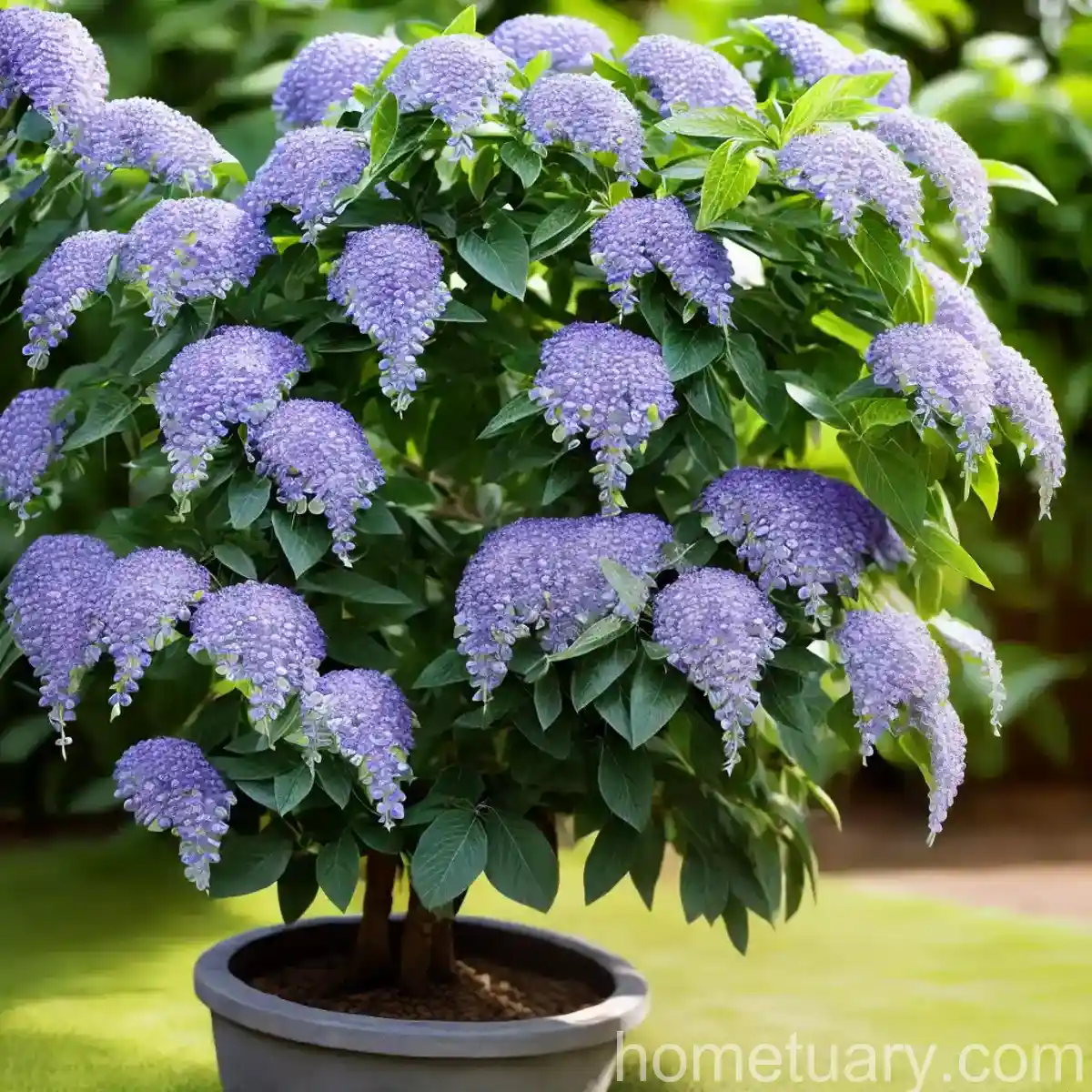
While roundleaf chastetree is often grown in garden landscapes, it also makes an attractive container plant. The compact growth habit, fragrant flowers, and ornamental foliage lend themselves well to container cultivation. When grown in containers, it’s important to provide adequate drainage and choose a high-quality potting mix to support healthy growth.
Common Diseases
Like all plants, roundleaf chastetree is susceptible to certain diseases and pests. Understanding the common diseases and their symptoms is essential for effective management and prevention.
Disease Diagnosis
One of the potential diseases that can affect roundleaf chastetree is powdery mildew, which appears as a powdery, white coating on the leaves. Additionally, root rot can occur in waterlogged soils, leading to wilting, yellowing foliage, and overall decline. Regular inspection of the plant for any signs of disease or stress can help in timely intervention and treatment.
Common Pests
In terms of pests, roundleaf chastetree may attract aphids, spider mites, and scale insects. These pests can cause damage to the foliage and affect the overall health of the plant. Integrated pest management practices, including regular monitoring and the use of beneficial insects or horticultural oils, can help in controlling pest infestations without resorting to excessive pesticide applications.
Botanist’s Tips
As a botanist, I have gathered valuable insights into the successful cultivation and care of roundleaf chastetree. Here are some expert tips to maximize the plant’s potential:
- Optimal Planting Time: Plant roundleaf chastetree in spring to allow for establishment before the onset of summer heat.
- Mulching: Apply a layer of organic mulch around the base of the plant to conserve soil moisture and inhibit weed growth.
- Monitoring Watering: Pay close attention to the plant’s water needs, particularly during the establishment phase and prolonged dry periods.
- Pruning Vigilance: Regularly inspect the plant for any dead or diseased branches, and prune as necessary to maintain plant health and structure.
- Integrated Pest Management: Embrace natural predator-prey relationships and beneficial insects to manage pest populations without harming the plant or the environment.
Fun Facts
No exploration of a plant would be complete without uncovering some fascinating fun facts about it. Here are a few intriguing details about roundleaf chastetree:
- Medicinal History: Roundleaf chastetree has a long history of traditional medicinal uses, particularly in East Asian cultures, where it has been employed for various health conditions and wellness practices.
- Wildlife Support: The flowers of roundleaf chastetree attract pollinators such as bees and butterflies, contributing to garden biodiversity and ecosystem support.
- Folklore and Symbolism: In certain cultures, roundleaf chastetree is associated with symbolism and folklore, often representing themes of protection, healing, and resilience.
Now that we’ve covered some of the essential aspects of roundleaf chastetree, it’s time to explore links to external resources for further information.
Links to External Resources
To deepen your knowledge of roundleaf chastetree and explore its diverse uses and cultivation techniques, I recommend exploring the following resources:
- Vitex rotundifolia Benefits and Medicinal Properties
- Roundleaf Chastetree Cultivation Guide
- Vitex rotundifolia Care Tips and Growing Requirements
- Roundleaf Chastetree Pruning Techniques
- Vitex rotundifolia Flowering Period and Landscape Uses
- Roundleaf Chastetree Pest Control and Disease Management
By delving into these resources, you can gain a comprehensive understanding of roundleaf chastetree and its multifaceted attributes, from medicinal uses to ornamental appeal.
Conclusion
In conclusion, Vitex rotundifolia is a remarkably versatile plant with a rich history of traditional uses, ornamental beauty, and ecological significance. Whether you are drawn to its fragrant flowers, healing properties, or landscape potential, roundleaf chastetree holds a special place in the realm of plants. By understanding its cultivation requirements, care techniques, and potential uses, one can fully appreciate the remarkable attributes of this coastal treasure. As a plant scientist, I am continually inspired by the intricate beauty and functional qualities of plants like roundleaf chastetree, and I hope that this exploration has deepened your admiration for this extraordinary species.
Remember, whether you’re cultivating roundleaf chastetree in a garden, seeking its medicinal benefits, or simply enjoying its presence in the natural environment, this remarkable plant has much to offer. As we continue to uncover the secrets of plant life, Vitex rotundifolia stands as a testament to the enduring allure and value of the botanical world.
So, whether you’re a gardening enthusiast, a nature lover, or a plant science aficionado, I encourage you to explore the captivating world of roundleaf chastetree and embrace the wonder of Vitex rotundifolia.
With that, I bid you farewell and happy exploring in the realm of plants!
To further explore the fascinating world of plants and their remarkable properties, feel free to visit my blog at PlantScienceInsights.com. Thank you for joining me on this journey through the extraordinary botanical realm.