Centaurea Americana (Basket Flower): A Comprehensive Guide
Introduction
Centaurea americana, commonly known as basket flower, is a beautiful and unique plant that belongs to the Asteraceae family. This plant is native to North America and is cherished for its striking appearance and various cultural, horticultural, and ecological uses. In this comprehensive guide, we will delve into the characteristics, uses, care requirements, and interesting facts about Centaurea americana. We will also explore its propagation methods, medicinal properties, and its role in garden design and wildlife attraction.
Centaurea Americana Characteristics
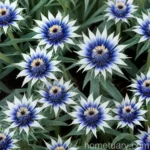
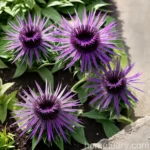
Centaurea americana is characterized by its tall, sturdy stems and distinctive lavender-pink to deep purple flowers. Its lance-shaped, deeply lobed leaves add to the plant’s ornamental appeal. This perennial plant can reach heights of 3 to 5 feet, providing a prominent presence in garden landscapes. The flower heads are thistle-like and can grow up to 2 inches in diameter, making them an eye-catching addition to any garden or natural habitat.
Basket Flower Uses
The Centaurea americana, or basket flower, boasts a wide array of uses and applications, ranging from ornamental and horticultural to medicinal and ecological. Some of its key uses include:
– Ornamental Purposes: Basket flowers are popular in gardens, landscapes, and floral arrangements due to their vibrant, long-lasting flowers and attractive foliage.
– Habitat Restoration: The plant plays a role in ecological restoration efforts as it attracts pollinators and contributes to the biodiversity of natural habitats.
– Medicinal Properties: Certain parts of the plant are used in traditional medicine for various therapeutic purposes.
– Wildlife Attraction: The flowers attract pollinators, serving as a nectar source for butterflies, bees, and other beneficial insects.
Centaurea Americana Plant Care
To ensure the optimal growth and development of Centaurea americana, it is essential to provide appropriate care and maintenance. This includes considerations for water, sunlight, fertilizer, soil, pruning, and suitable propagation methods.
Water
Basket flowers thrive in well-drained soil and moderate moisture conditions. They are relatively drought-tolerant once established but benefit from regular watering, especially during dry periods. Overwatering should be avoided to prevent waterlogged soil, which can lead to root rot.
Sunlight
Centaurea americana flourishes in full sun to partial shade. Adequate sunlight is crucial for promoting healthy growth and abundant flowering. When grown in partial shade, the plant may exhibit slightly taller growth habits and fewer flowers compared to those grown in full sun.
Fertilizer
A balanced and organic fertilizer can support the growth and blooming of basket flowers. Applying a slow-release fertilizer in early spring can provide the necessary nutrients for healthy foliage and prolific flowering. Care should be taken to avoid over-fertilization, which can lead to excessive foliage growth at the expense of flower production.
Soil
The ideal soil for Centaurea americana is well-draining, moderately fertile, and loamy. It thrives in slightly alkaline to neutral soil pH levels. Amending the soil with organic matter, such as compost, can enhance its structure and fertility, promoting optimal growth of the plant.
Pruning
Regular deadheading of spent flowers can prolong the blooming period of Centaurea americana and encourage the development of new flower buds. Additionally, removing any damaged or diseased foliage supports the overall health and appearance of the plant. Pruning should be carried out with clean, sharp tools to minimize damage to the plant.
Basket Flower Propagation
Propagation Methods
Centaurea americana can be propagated through seeds and division. Seed propagation is a popular method for growing new plants, while division is suitable for expanding existing clumps of basket flowers. The seeds can be sown directly in the garden soil after the last frost date, or indoors for early establishment.
Container Popularity
Basket flowers are well-suited for container gardening, adding vibrant color and texture to patios, balconies, and outdoor living spaces. Their tall, upright growth habit makes them an excellent choice for adding vertical interest to container plantings. When selecting containers, opt for those with good drainage to prevent waterlogging.
Basket Flower Common Diseases
While Centaurea americana is relatively resilient, it may be susceptible to certain diseases under unfavorable growing conditions. Some common diseases that may affect basket flowers include:
– Powdery Mildew: This fungal disease can occur in humid or poorly ventilated environments and appears as a white powdery coating on the foliage.
– Root Rot: Overwatering or waterlogged soil can lead to root rot, causing the plant to wilt and decline.
– Leaf Spot: Fungal leaf spot diseases can manifest as dark or discolored spots on the leaves, potentially leading to leaf yellowing and drop.
Disease Diagnosis
To effectively manage and treat diseases in basket flowers, it is important to accurately diagnose the specific issue affecting the plant. This can involve careful observation of symptoms, such as discoloration, wilting, or unusual spots on the foliage, and conducting necessary tests, such as soil assessments for root health.
Common Pests
Despite being relatively resistant to pests, Centaurea americana may encounter occasional pest infestations. Some common pests that may affect basket flowers include:
– Aphids: These small, soft-bodied insects can cluster on the tender growth tips and underside of the leaves, causing damage through sap-sucking activities.
– Spider Mites: These tiny arachnids can infest the foliage, leading to stippled, discolored leaves and webbing in severe cases.
– Caterpillars: Certain caterpillar species may feed on the foliage of basket flowers, causing visible damage to the leaves.
Botanist’s Tips
- Centaurea americana is a versatile plant that can thrive in various growing conditions, making it suitable for both novice and experienced gardeners.
- Observing the natural habitat of basket flowers can provide valuable insights into their preferred environmental conditions and growth habits.
- Deadheading spent flowers not only promotes continuous blooming but also prevents self-seeding, which can lead to excessive spreading of the plant in some environments.
Fun Facts
- The common name “basket flower” is derived from the use of the plant’s dried flowers in traditional basket-making.
- Basket flowers have a rich cultural history and have been used in various folk remedies and traditional practices.
- The fluffy, thistle-like appearance of the flower heads adds a distinctive texture to floral arrangements, making them popular choices for cut flower displays.
Links to External Resources
For further information on Centaurea americana, its characteristics, uses, and cultivation, refer to the following external resources:
– The Plant List – Centaurea americana
– USDA Plants Database – Centaurea americana
– Missouri Botanical Garden – Centaurea americana
– Royal Horticultural Society – Centaurea americana Cultivation
Conclusion
Centaurea americana, or basket flower, exhibits a captivating blend of ornamental beauty, ecological significance, and cultural value. Its versatility in garden landscapes, resistance to pests, and various uses make it a highly desirable plant for both amateur and seasoned horticulturists. Understanding its growing requirements, propagation methods, and unique characteristics can empower individuals to appreciate and cultivate this remarkable plant, enriching their gardens and natural environments. By incorporating basket flowers, gardeners can contribute to the conservation of native plant species and support the diverse wildlife that relies on them for sustenance and shelter.