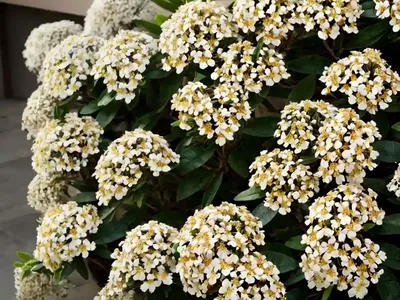
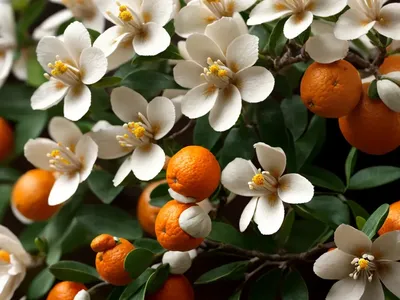
Choisya X Dewitteana ‘Londaz’ WHITE DAZZLER (Mexican Orange)
Choisya x dewitteana ‘Londaz’ WHITE DAZZLER, commonly known as Mexican Orange, is a fragrant, evergreen shrub that belongs to the family Rutaceae. This.
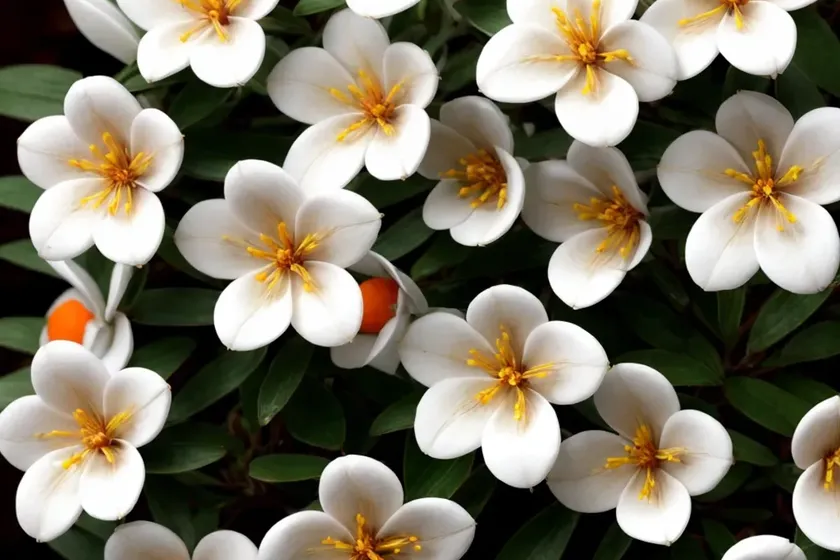
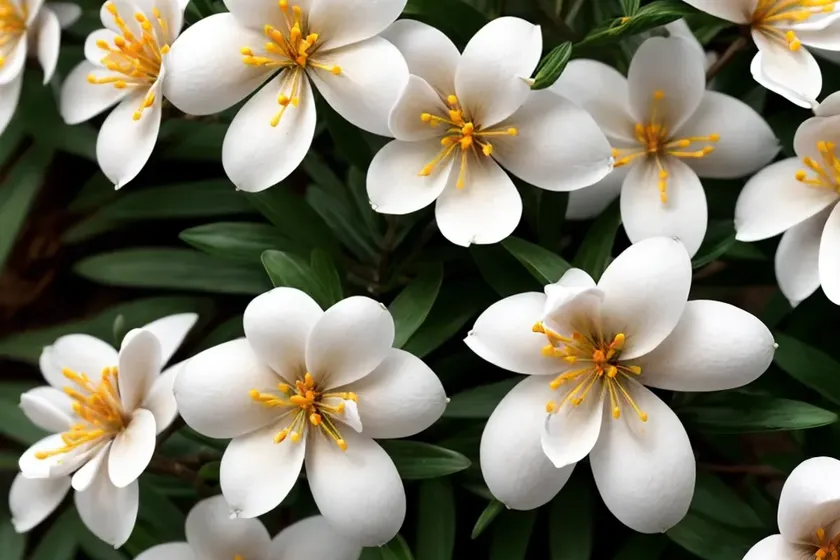
What is Choisya x dewitteana ‘Londaz’ WHITE DAZZLER (Mexican Orange)?
Choisya x dewitteana ‘Londaz’ WHITE DAZZLER, commonly known as Mexican Orange, is a fragrant, evergreen shrub that belongs to the family Rutaceae. This hybrid of Choisya ternata and Choisya arizonica features glossy, dark green leaves and produces clusters of aromatic white flowers that bloom in spring and often again in early autumn. The ‘Londaz’ cultivar is renowned for its compact habit and ability to tolerate a wide range of conditions, making it a popular choice for both commercial and residential landscapes.
Key Takeaways
Culture
- Botanical Name: Choisya x dewitteana ‘Londaz’ WHITE DAZZLER
- Common Name: Mexican Orange
- Family: Rutaceae
- Type: Evergreen shrub
- Fragrance: Aromatic white flowers
- Foliage: Glossy, dark green
Uses
- Landscaping: Ornamental hedges, borders, and foundation plantings
- Fragrance: Ideal for scented gardens and aromatic landscapes
Water
- Watering Needs: Regular watering during the first growing season to establish a deep, extensive root system. Once established, reduce frequency, and water deeply when the soil becomes dry.
Sunlight
- Sun Exposure: Thrives in full sun to partial shade.
Fertilizer
- Fertilization: Apply a balanced fertilizer in spring. Avoid excessive fertilization, as it may result in lush foliage at the expense of flowers.
Soil
- Soil Type: Well-drained soil is crucial for healthy growth.
- pH: Ideally slightly acidic to neutral soil (pH 6.5-7.5).
Pruning
- Pruning: Light pruning after flowering can help maintain shape and stimulate new growth.
Propagation
- Propagation: Possible through semi-hardwood cuttings in summer or by sowing seeds in a cold frame.
Container Popularity
- Container Gardening: Suitable for containers when young.
Common Diseases
- Diseases: Generally not prone to serious diseases if grown in well-drained soil.
Common Pests
- Pests: Occasionally susceptible to aphids and scale insects, which can be managed through regular monitoring and appropriate control measures.
Botanist’s Tips
- Tip 1: Protect from harsh winds, especially in cooler climates.
- Tip 2: Mulching around the base helps retain moisture and regulates soil temperature.
Fun Facts
- Fact 1: The name “Choisya” is derived from the Swiss botanist Jacques Denis Choisy.
- Fact 2: The aromatic flowers make the ‘Londaz’ cultivar a popular choice for scented gardens.
Links to External Resources
- Royal Horticultural Society – Choisya x dewitteana ‘Londaz’ WHITE DAZZLER
- Missouri Botanical Garden – Mexican Orange
- Fine Gardening – Mexican Orange
Now, let’s delve into more details about the Mexican Orange plant, Choisya x dewitteana ‘Londaz’ WHITE DAZZLER.
Overview of Choisya x dewitteana ‘Londaz’ WHITE DAZZLER (Mexican Orange)
The Choisya x dewitteana ‘Londaz’ WHITE DAZZLER is a splendid hybrid that inherits the best traits from its parent species – Choisya ternata and Choisya arizonica. This evergreen shrub is prized for its attractive appearance and pleasant aroma, making it a valuable addition to gardens and landscapes. With its adaptability and low maintenance requirements, the ‘Londaz’ cultivar has gained popularity among both novice and experienced gardeners.
Taxonomy and Nomenclature
The genus Choisya was named in honor of Jacques Denis Choisy, a Swiss botanist renowned for his contributions to the field of botany in the 19th century. The specific epithets “ternata” and “arizonica” refer to the parent species in the hybridization process that led to the creation of Choisya x dewitteana, while “Londaz” signifies the selected cultivar of this hybrid.
Morphological Features
The ‘Londaz’ cultivar exhibits several distinct features that contribute to its appeal:
- Foliage: The glossy, leathery, dark green leaves of the Choisya x dewitteana ‘Londaz’ WHITE DAZZLER provide an evergreen backdrop for the plant, maintaining visual interest throughout the year.
- Flowers: Its fragrant white flowers, appearing in clusters, are a highlight of this cultivar. The delicate blossoms not only add visual allure but also emit a captivating fragrance, enhancing the sensory experience of the garden or landscape.
Landscape Applications
The Mexican Orange, Choisya x dewitteana ‘Londaz’ WHITE DAZZLER, offers versatility in landscaping and serves various purposes:
- Hedging: Its dense foliage and neat, compact growth habit make it well-suited for creating ornamental hedges that provide privacy and structure to the landscape.
- Border Planting: The striking contrast of the dark green foliage with the white flowers makes the ‘Londaz’ cultivar an attractive choice for border plantings, where it can create a visually appealing delineation.
- Foundation Plantings: Planted near buildings or structures, the Mexican Orange adds a touch of elegance and fragrance to the surroundings, enhancing the overall aesthetic.
In the next sections, we will explore the essential care requirements and key aspects of cultivating Choisya x dewitteana ‘Londaz’ WHITE DAZZLER, including water, sunlight, fertilizer, soil, pruning, propagation, and considerations for container gardening.
Culture
Water
Proper hydration is essential for the healthy growth and development of Choisya x dewitteana ‘Londaz’ WHITE DAZZLER. During the initial establishment phase, regular watering is necessary to promote the development of a robust root system. Once the plant is established, it is essential to adjust the watering frequency according to the specific environmental conditions and the moisture levels of the soil.
Watering Needs
- Establishment Phase: Regular watering, ensuring the soil remains consistently moist but not waterlogged.
- Mature Plants: After establishment, reduce watering frequency and allow the soil to dry out slightly between waterings.
Watering Tips
- Tip 1: Water deeply to encourage the growth of deep roots, which enhances the plant’s ability to withstand periods of drought.
- Tip 2: Mulching around the base of the plant helps retain soil moisture and regulates temperature while suppressing weed growth.
Sunlight
Proper sunlight exposure is crucial for the overall health and performance of Choisya x dewitteana ‘Londaz’ WHITE DAZZLER. Understanding the plant’s sunlight preferences and providing the appropriate exposure can significantly impact its vigor, flowering capacity, and overall vitality.
Sun Exposure
- Full Sun: Thrives in locations with direct sunlight for a significant portion of the day.
- Partial Shade: Tolerates partial shade, especially in regions with intense midday sun or hot climates.
Fertilizer
Fertilization plays a pivotal role in supporting the growth, flowering, and overall vigor of Choisya x dewitteana ‘Londaz’ WHITE DAZZLER. By providing essential nutrients in the right proportions, gardeners can promote healthy foliage, vibrant flowers, and robust root development in this evergreen shrub.
Fertilization Practices
- Spring Application: Apply a balanced, slow-release fertilizer in early spring to provide a nutrient boost as the plant enters its active growth phase.
- Avoid Excessive Fertilization: While fertilization is beneficial, excessive application can lead to excessive vegetative growth at the expense of flowering. Adhere to the recommended dosages and guidelines provided by the fertilizer manufacturer.
Soil
The selection of an appropriate soil type and maintaining optimal soil conditions are crucial for the success of Choisya x dewitteana ‘Londaz’ WHITE DAZZLER. Well-drained soil with the right texture and pH level provides an ideal foundation for the plant’s root system and supports its overall health.
Soil Type
- Well-Drained Soil: Ensures efficient water drainage and prevents waterlogging, reducing the risk of root rot and other moisture-related issues.
- Texture: A loamy soil with a balanced combination of sand, silt, and clay offers good aeration and water retention properties.
pH Requirements
- Slightly Acidic to Neutral: Choisya x dewitteana ‘Londaz’ WHITE DAZZLER thrives in soil with a pH range of approximately 6.5 to 7.5. Conduct a soil test to determine the pH of the planting area and make necessary amendments if needed.
Pruning
Pruning is an essential horticultural practice that can help manage the growth, shape, and overall appearance of Choisya x dewitteana ‘Londaz’ WHITE DAZZLER. By implementing proper pruning techniques, gardeners can control the size of the plant, encourage a bushier growth habit, and ensure the production of abundant flowers.
Pruning Guidelines
- Timing: Perform light pruning immediately after the spring flowering period. This allows the plant to recover and produce new growth before the onset of dormancy.
- Maintenance Pruning: Regularly remove dead or damaged branches, as well as any crowded or crossing stems, to maintain the plant’s shape and vigor.
Propagation
The propagation of Choisya x dewitteana ‘Londaz’ WHITE DAZZLER offers an opportunity for gardeners to multiply their plant stock and create new specimens for their gardens or for sharing with others. Understanding the suitable propagation methods and timing is key to achieving successful results.
Propagation Techniques
- Semi-Hardwood Cuttings: Take semi-hardwood cuttings in mid to late summer, ensuring they have a heel of older wood. Root the cuttings in a well-draining medium with consistent moisture and moderate humidity.
- Seed Propagation: Sow seeds in a cold frame during the autumn months. Provide adequate protection and care for the seedlings during their initial growth stages.
Container Popularity
The Choisya x dewitteana ‘Londaz’ WHITE DAZZLER exhibits qualities that make it suitable for container gardening, especially during its early stages of growth. When cultivated in containers, the plant can bring its ornamental and aromatic attributes to patios, balconies, or other outdoor living areas.
Container Gardening Tips
- Container Selection: Choose a spacious, well-draining container that accommodates the plant’s root system and allows for adequate root development.
- Soil Mix: Use a high-quality potting mix that offers good aeration and drainage. Adding compost or organic matter can further enhance the soil structure and fertility.
Now, we will shift our focus to the significance of Choisya x dewitteana ‘Londaz’ WHITE DAZZLER in various landscapes and explore its popularity and potential applications in horticultural and design settings.
Popularity in Landscape Design
The Choisya x dewitteana ‘Londaz’ WHITE DAZZLER has gained popularity for its visual appeal, low maintenance requirements, and versatility in design applications. Its distinct characteristics and adaptability make it a sought-after selection for a variety of landscape designs, from formal gardens to naturalistic settings.
Landscape Uses
- Ornamental Hedges: The dense growth habit, glossy foliage, and fragrant flowers make the Mexican Orange an excellent choice for creating beautiful hedges that offer both visual and olfactory appeal.
- Foundation Plantings: The compact form and evergreen nature of Choisya x dewitteana ‘Londaz’ WHITE DAZZLER make it well-suited for framing the exteriors of buildings and adding year-round interest to the landscape.
- Scented Gardens: Its aromatic flowers and foliage contribute to scented gardens, where the fragrance can be enjoyed by visitors and inhabitants alike.
Design Considerations
- Contrast and Texture: The dark green foliage of the Mexican Orange provides an excellent backdrop for contrasting plantings and adds textural interest to garden beds and borders.
- Seasonal Interest: The spring and autumn blooming periods, coupled with the evergreen nature of the plant, contribute to its year-round aesthetic value in the landscape.
The ‘Londaz’ cultivar’s adaptability to different design schemes and its ability to enhance the overall visual and sensory experience of outdoor spaces have contributed to its increasing popularity among landscape architects, designers, and homeowners.
In the following sections, we will delve into the essential aspects of maintaining the health and vigor of Choisya x dewitteana ‘Londaz’ WHITE DAZZLER, including the potential diseases, pests, and valuable tips from botanists to ensure its optimal growth.
Common Diseases
The Choisya x dewitteana ‘Londaz’ WHITE DAZZLER is relatively resistant to diseases, especially when grown in favorable conditions with good cultural practices and proper care. However, certain environmental factors or stressors can predispose the plant to specific diseases that gardeners should be aware of.
Disease Susceptibility
- Root Rot: Overly wet or waterlogged soils can lead to root rot, compromising the plant’s overall health. Ensuring proper drainage and avoiding excessive watering helps prevent this issue.
- Powdery Mildew: Prolonged periods of high humidity or poor air circulation can create conditions conducive to powdery mildew development. Maintaining adequate spacing between plants and providing sufficient airflow minimizes the risk of this fungal disease.
Disease Prevention
- Cultural Practices: Ensure proper spacing, adequate ventilation, and appropriate watering to promote good overall plant health and minimize disease incidence.
- Sanitation: Regularly remove and dispose of any diseased or fallen plant material to prevent the spread of pathogens and reduce disease pressure.
Disease Diagnosis
Diagnosing potential diseases in Choisya x dewitteana ‘Londaz’ WHITE DAZZLER involves careful observation of symptoms and an understanding of the prevailing environmental conditions. Early detection and accurate identification of diseases can facilitate timely intervention and management strategies.
Symptoms to Watch For
- Yellowing or Browning of Foliage: Indicates potential issues such as nutrient deficiencies, root problems, or physiological stress.
- Powdery Residue on Leaves: Could suggest the presence of powdery mildew, especially when accompanied by distorted growth and reduced flowering.
Professional Consultation
- In cases of persistent or severe symptoms, consulting with a local horticulturist, extension service, or plant health specialist can aid in accurate disease diagnosis and the formulation of effective management plans.
Now, let’s explore the potential pests that may affect Choisya x dewitteana ‘Londaz’ WHITE DAZZLER and discuss appropriate measures for pest management and control.
Common Pests
While generally resistant to serious pest infestations, the Choisya x dewitteana ‘Londaz’ WHITE DAZZLER can occasionally encounter certain pests that may impact its growth and appearance. Vigilant monitoring and prompt intervention can help prevent pest-related issues and maintain the plant’s health.
Pest Management Practices
- Aphids: Regularly inspect the plant for aphid infestations, especially on the tender new growth. Physical removal or the use of natural predators can help manage aphid populations.
- Scale Insects: Monitor for the presence of scale insects, particularly on the undersides of leaves and along stems. Manual removal or targeted horticultural oil applications can effectively control scale infestations.
Pest Prevention
- Nutritional Health: Promote overall plant health through proper fertilization and irrigation practices, as healthy plants are more resilient to pest attacks.
- Biological Controls: Utilize beneficial insects and natural predators to maintain a balanced ecosystem and minimize pest populations.
In the upcoming section, we will uncover valuable insights and tips from botanists to aid in the successful cultivation and care of Choisya x dewitteana ‘Londaz’ WHITE DAZZLER.
Botanist’s Tips
Tip 1: Wind Protection
In regions susceptible to strong winds or gusts, providing a windbreak or shelter for Choisya x dewitteana ‘Londaz’ WHITE DAZZLER can help prevent damage to the foliage and maintain the plant’s aesthetic appeal.
Tip 2: Mulching Benefits
Applying a layer of organic mulch around the base of the plant not only conserves soil moisture and suppresses weed growth but also moderates temperature fluctuations, contributing to the overall well-being of the Mexican Orange shrub.
These insightful tips from botanists offer practical guidance for enhancing the resilience and vitality of Choisya x dewitteana ‘Londaz’ WHITE DAZZLER in diverse growing conditions.
Now, let’s uncover some intriguing and lesser-known facts about the Mexican Orange plant that add to its allure and appeal in horticulture and landscaping.
Fun Facts
Fact 1: Botanical Namesake
The genus name “Choisya” serves as a tribute to the Swiss botanist Jacques Denis Choisy, who made significant contributions to the field of systematic botany and plant taxonomy during the 19th century.
Fact 2: Aromatic Flowers
The fragrant white flowers of the ‘Londaz’ cultivar not only enhance the visual charm of the Mexican Orange but also contribute an alluring aroma to gardens and landscapes, making it a favored choice for scented gardens and sensory landscapes.
These engaging facts provide a deeper appreciation for the Mexican Orange, shedding light on its historical significance and captivating attributes.
As we conclude our exploration of Choisya x dewitteana ‘Londaz’ WHITE DAZZLER, we will provide valuable links to external resources that offer in-depth information, guidance, and visual references for enthusiasts and horticultural professionals.
Links to External Resources
1. Royal Horticultural Society – Choisya x dewitteana ‘Londaz’ WHITE DAZZLER
2. Missouri Botanical Garden – Mexican Orange
3. Fine Gardening – Mexican Orange
These external resources offer reliable and comprehensive information on the cultivation, care, and ornamental uses of Choisya x dewitteana ‘Londaz’ WHITE DAZZLER, serving as valuable references for further exploration and research.
In summary, the Choisya x dew