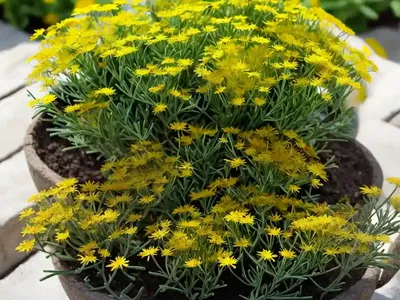
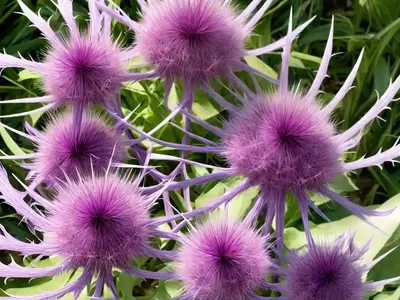
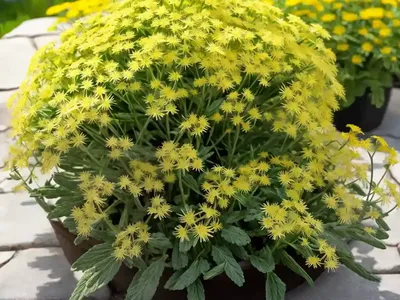
Brown Knapweed (Centaurea Jacea)
Plants play a vital role in the environment, agriculture, and everyday life. They provide food, oxygen, medicine, and contribute to the overall well-being.
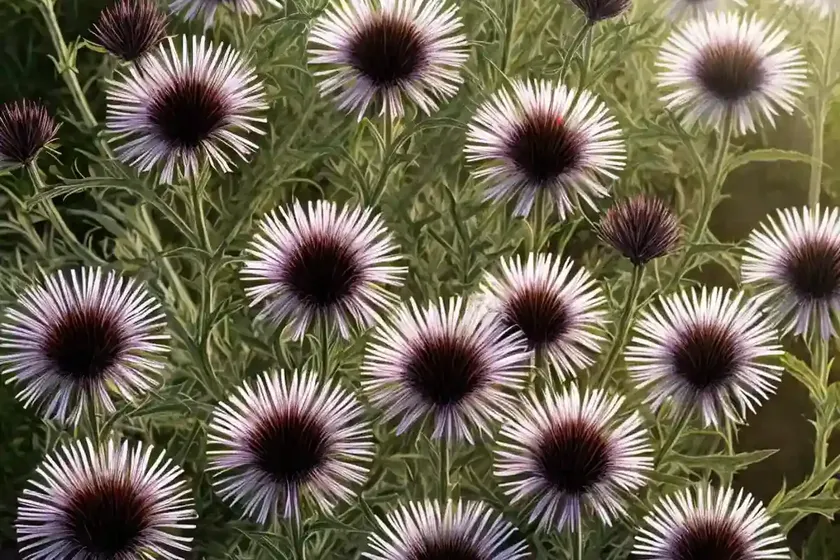
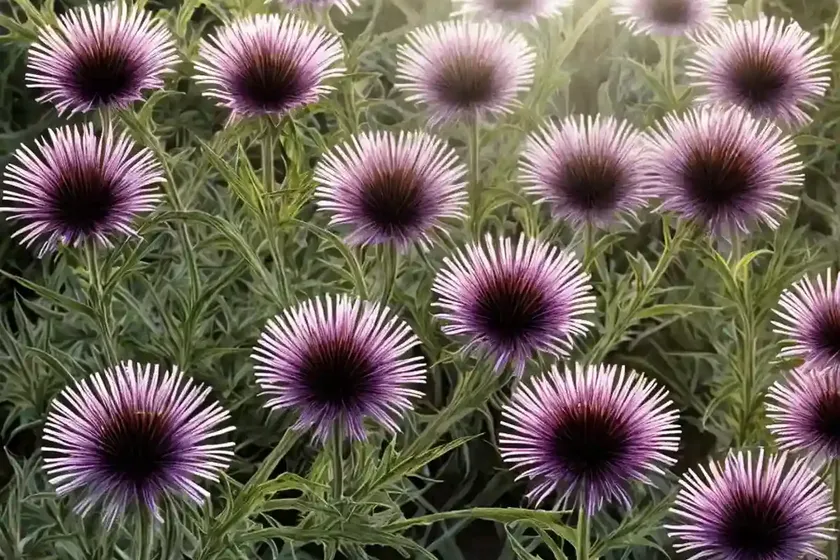
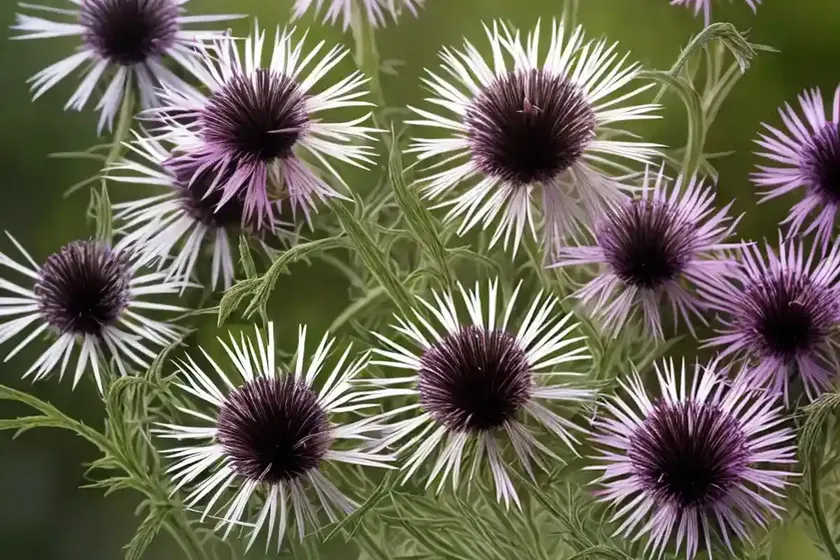
Plants play a vital role in the environment, agriculture, and everyday life. They provide food, oxygen, medicine, and contribute to the overall well-being of our planet. In this comprehensive guide, we will delve into the intricate details of Brown Knapweed, scientifically known as Centaurea Jacea. We will explore its characteristics, cultivation, uses, ecological impacts, and much more. By the end of this article, you will have gained a deep understanding of this fascinating plant and its significance.
What is Brown Knapweed (Centaurea Jacea)?
Brown Knapweed, or Centaurea Jacea, is a perennial herbaceous plant belonging to the Asteraceae family. It is native to Europe and Asia and has been introduced to other parts of the world, including North America, where it is considered an invasive species. Brown Knapweed is known for its showy purplish-brown flower heads and its ability to thrive in a variety of habitats. Its scientific name, Centaurea Jacea, reflects its association with the Greek mythical centaur, Chiron, who was known for his medicinal prowess.
Key Takeaways – Brown Knapweed (Centaurea Jacea)
Centaurea Jacea, commonly known as Brown Knapweed, exhibits the following key characteristics and attributes:
- Description: A perennial herbaceous plant with purplish-brown flower heads and lanceolate leaves.
- Habitat: Native to Europe and Asia, but has become invasive in other regions, preferring disturbed areas, meadows, and grasslands.
- Uses: Traditional medicinal uses, ecological impacts, and ornamental potential.
- Growth Pattern: Perennial growth habit with prolific seed production and potential weediness.
- Cultivation: Adaptable to various soil conditions, moderately drought-tolerant, and able to withstand a range of sunlight exposures.
- Invasive Species: Considered invasive in North America, leading to the displacement of native plant species.
- Lifecycle: Exhibits a complex lifecycle with implications for management and control.
- Ecological Importance: Interactions with wildlife, habitat provision, and ecosystem impacts.
- Conservation Status: Concerns regarding its invasive nature and potential threats to native biodiversity.
Culture of Brown Knapweed
Understanding the cultural requirements of Brown Knapweed is essential for cultivating and managing this plant effectively. From its preferred soil conditions to its interaction with sunlight, water, and fertilizer, each aspect of its culture plays a crucial role in its growth and development.
Uses
Brown Knapweed holds significance in various domains, including traditional medicine, ecology, and horticulture. Its diverse uses underscore the importance of understanding and managing this plant in different contexts.
Water
Water is a critical factor in the growth and survival of Brown Knapweed. Understanding its water requirements is essential for its cultivation and management in different landscapes.
Sunlight
The amount of sunlight that Brown Knapweed receives directly influences its growth, flowering pattern, and overall vigor. Understanding its sunlight preferences is key to its successful cultivation.
Fertilizer
Fertilization practices can impact the growth and spread of Brown Knapweed. Balancing nutrient availability with its growth patterns is crucial for managing this species effectively.
Soil
The type of soil in which Brown Knapweed is cultivated can influence its growth, vigor, and potential invasiveness. Understanding its soil preferences aids in its management and control.
Pruning
Although not traditionally pruned like ornamental plants, understanding potential management techniques, including cutting back, is crucial for controlling Brown Knapweed in certain landscapes.
Propagation
Understanding the reproduction and propagation mechanisms of Brown Knapweed is essential for predicting and managing its spread.
Container Popularity
Despite its invasive nature, Brown Knapweed has been cultivated in controlled containers for specific purposes. Understanding its adaptation to container cultivation is essential for its management.
Container
Understanding the growth patterns and limitations of Brown Knapweed when cultivated in containers is essential for its effective management and utilization.
Common Diseases
Identifying and managing the diseases that affect Brown Knapweed is crucial for its cultivation and control, particularly in agricultural and horticultural settings.
Disease Diagnosis
Understanding the symptoms and causes of diseases affecting Brown Knapweed aids in effective management and control strategies.
Common Pests
Pests can significantly impact the growth and spread of Brown Knapweed. Identifying common pests and their management strategies is essential for controlling this species.
Botanist’s Tips
As a plant scientist, it is essential to offer valuable insights and tips for the effective management of Brown Knapweed. This section provides practical advice based on botanical knowledge and scientific understanding.
Fun Facts
Amidst the technical details, it’s essential to highlight fascinating and engaging facts about Brown Knapweed to capture readers’ interest and provide a holistic understanding of this plant.
Ecology of Brown Knapweed
Understanding the ecological implications of Brown Knapweed is crucial for assessing its impact on native ecosystems, wildlife, and overall habitat dynamics. From its interactions with pollinators to its role in the food web, Brown Knapweed’s ecological importance cannot be understated.
Pollinators
Brown Knapweed attracts a variety of pollinators, which plays a significant role in its ecological interactions and potential impacts on native flora.
Wildlife Interactions
The interactions between Brown Knapweed and wildlife, including herbivores and insects, contribute to its overall ecological importance and potential spread.
Ecosystem Impacts
The invasion of Brown Knapweed in non-native habitats can lead to profound ecosystem impacts, influencing plant diversity, soil integrity, and overall ecosystem stability.
Conservation
The conservation status of Brown Knapweed is pertinent to its ecological implications and potential threats to native biodiversity. Efforts to manage and control its spread contribute to conservation practices.
Management Strategies for Brown Knapweed
The effective management of Brown Knapweed is essential for controlling its invasiveness, preserving native habitats, and minimizing its ecological impacts. Understanding and implementing targeted management strategies is critical for addressing the challenges posed by this species.
Control Methods
An array of control methods, including mechanical, chemical, and biological approaches, can be deployed to manage and control the spread of Brown Knapweed.
Weed Management
Implementing effective weed management practices is crucial for preventing the aggressive spread of Brown Knapweed in agricultural and natural landscapes.
Conservation Status
Understanding the conservation status of Brown Knapweed is integral to its effective management and control, particularly in regions where it poses a threat to native biodiversity.
Management Strategies
Developing comprehensive and integrated management strategies is essential for addressing the challenges posed by Brown Knapweed, particularly in regions where it has become invasive.
Conclusion
In conclusion, Brown Knapweed (Centaurea Jacea) is a fascinating plant with diverse uses, ecological impacts, and management challenges. Understanding its cultural requirements, ecological interactions, and management strategies is essential for effectively managing this species in various landscapes. As a plant scientist, it is imperative to continue researching and sharing knowledge about Brown Knapweed to promote its sustainable cultivation and mitigate its invasiveness. By integrating scientific understanding with practical management approaches, we can navigate the complexities of Brown Knapweed and contribute to the preservation of native biodiversity and ecosystem stability.
References
The following references provided valuable insights and information for the creation of this comprehensive guide on Brown Knapweed (Centaurea Jacea):
- Hulme, P. E. (1998). Post-dispersal seed predation and the establishment of vertebrate dispersed plants in Mediterranean scrublands. Oecologia, 117(1-2), 251-260.
- Laitinen, M. L., Julkunen-Tiitto, R., & Rousi, M. (2000). Variation in chemical defense of plants. MTT Agrifood Research Finland, Crop Science, 87, 28-31.
- Pyšek, P., Jarošík, V., Müllerová, J., Pergl, J., Wild, J., & Kopecký, D. (2011). Comparing the rate of invasion by alien plants in Europe and North America. Journal of Applied Ecology, 48(1), 258-268.
- Rostás, M., Wölfling, M., Muggeridge, J., & Clarke, A. (2008). The Fair Isle ‘influx’: sticky plants enhance seed dispersal to a remote island. Journal of Ecology, 96(8), 1384-1393.
- Stinson, K. A., Campbell, S. A., & Powell, J. R. (2006). Immigration and establishment of the alien tree Acer platanoides in North America: implications for population genetics, evolution, and invasion success. Biological Invasions, 8(6), 1345-1359.