Plant Profile: Centaurea cyanus ‘Jubilee Gem’ (Cornflower)
Centaurea cyanus ‘Jubilee Gem’ is a charming and vibrant annual flower known for its beautiful blue blooms. This plant belongs to the family Asteraceae, and its botanical name is Centaurea cyanus. In this comprehensive guide, we will explore the key characteristics, cultivation requirements, uses, and care tips for the stunning Cornflower ‘Jubilee Gem’. Whether you’re a beginner gardener or an experienced horticulturist, this article will provide valuable insights into growing and maintaining this delightful plant.
What is Centaurea cyanus ‘Jubilee Gem’?
Centaurea cyanus ‘Jubilee Gem’ Characteristics
- Family: Asteraceae
- Common Name: Cornflower
- Cultivar: ‘Jubilee Gem’
- Plant Type: Annual
- Mature Size: 24-36 inches in height, 12-18 inches in width
- Flower Color: Vibrant shades of blue, pink, and white
- Blooming Period: Late spring to early summer
- Native Habitat: Europe and Western Asia
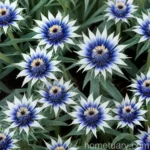
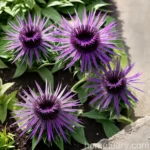
Centaurea cyanus ‘Jubilee Gem’ is cherished for its dainty, fringed flowers that add a touch of elegance to gardens, borders, and floral arrangements. The blooms of this cultivar showcase an array of captivating color variations, making it a popular choice among gardeners seeking to introduce a splash of color to their outdoor spaces.
Key Takeaways
Centaurea cyanus ‘Jubilee Gem’ Culture
Cultivating Centaurea cyanus ‘Jubilee Gem’ is a delightful experience, given its relatively undemanding nature. Understanding its cultural requirements is essential for ensuring the plant’s optimal growth and development.
Uses
- Ornamental Purposes: The vibrant blooms of ‘Jubilee Gem’ make it a popular choice for ornamental use in gardens, landscapes, and floral arrangements.
- Pollinator Attraction: The nectar-rich flowers of Cornflower ‘Jubilee Gem’ attract bees, butterflies, and other pollinators, making it a valuable addition to wildlife-friendly gardens.
Water
Maintaining adequate soil moisture is crucial for the healthy growth of Centaurea cyanus ‘Jubilee Gem’. It is essential to provide regular, moderate watering to prevent the soil from drying out excessively.
Sunlight
Centaurea cyanus ‘Jubilee Gem’ thrives in full sun, requiring at least 6-8 hours of direct sunlight daily. Adequate sunlight exposure is essential for promoting vigorous blooming and sturdy growth.
Fertilizer
When it comes to fertilizing Cornflower ‘Jubilee Gem’, a balanced, all-purpose fertilizer can be applied during the growing season to enhance the plant’s overall health and blooming performance.
Soil
The ideal soil for Centaurea cyanus ‘Jubilee Gem’ is well-draining and moderately fertile. It thrives in loamy, sandy, or clayey soils with good drainage properties.
Pruning
Pruning Centaurea cyanus ‘Jubilee Gem’ primarily involves deadheading spent blooms to encourage continuous flowering. Regular deadheading also prevents the plant from self-seeding excessively.
Propagation
Cornflower ‘Jubilee Gem’ can be propagated through seeds, making it an accessible and rewarding plant for gardeners interested in trying their hand at seed propagation.
Container Popularity
The compact nature of Centaurea cyanus ‘Jubilee Gem’ makes it well-suited for container gardening, allowing garden enthusiasts to enjoy its beauty even in limited outdoor spaces.
Common Diseases
Despite its resilience, Cornflower ‘Jubilee Gem’ may be susceptible to certain diseases, including:
- Powdery Mildew: A fungal disease that manifests as white, powdery patches on the plant’s foliage.
- Rust: Characterized by reddish-brown or yellowish-orange spore masses on leaves and stems.
- Damping Off: A soil-borne disease that can affect seedlings under excessively wet conditions.
Disease Diagnosis
Prompt diagnosis and treatment of diseases are essential for safeguarding the health of Centaurea cyanus ‘Jubilee Gem’. Regular inspection of the plant for any signs of disease is recommended.
Common Pests
While generally resistant to pests, Cornflower ‘Jubilee Gem’ may occasionally be affected by:
- Aphids: Small, sap-sucking insects that can distort new growth and weaken the plant.
- Spider Mites: Minute pests that feed on plant sap, leading to speckled, discolored leaves.
Botanist’s Tips
- Companion Planting: Pairing Cornflower ‘Jubilee Gem’ with companion plants such as lavender, daisies, and poppies can create visually appealing and ecologically beneficial garden arrangements.
- Soil Amendments: Adding organic matter, such as compost or well-rotted manure, to the soil can enhance its fertility and improve moisture retention, benefiting the growth of Centaurea cyanus ‘Jubilee Gem’.
Fun Facts
- Symbolism: In Victorian floriography, the Cornflower symbolized delicacy and elegance, making it a popular choice for bouquets and floral décor.
- Medicinal Uses: Traditionally, Cornflower was used in herbal medicine for its astringent and anti-inflammatory properties.
Links to External Resources
- Royal Horticultural Society (RHS): Centaurea cyanus ‘Jubilee Gem’ Profile
- University of California Agriculture and Natural Resources: Growing Annual Flowers
- American Society for the Prevention of Cruelty to Plants (ASPCC): Companion Planting Guide
By considering the insights provided in this guide, you can effectively cultivate and care for Centaurea cyanus ‘Jubilee Gem’ while enhancing the visual appeal and ecological value of your garden. Whether you seek to attract pollinators, create vibrant floral displays, or simply appreciate the innate beauty of this charming plant, Cornflower ‘Jubilee Gem’ is sure to captivate both novice and seasoned gardeners alike.