Centaurea Cyanus ‘Blue Diadem’ (Cornflower)
Centaurea cyanus ‘Blue Diadem,’ commonly known as Cornflower, is a charming and versatile plant that has been valued in gardens for centuries. Its vivid.
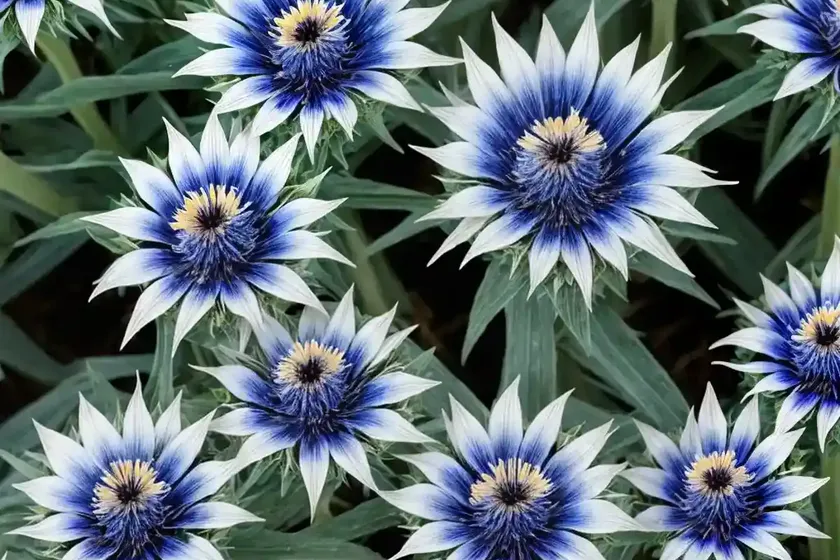
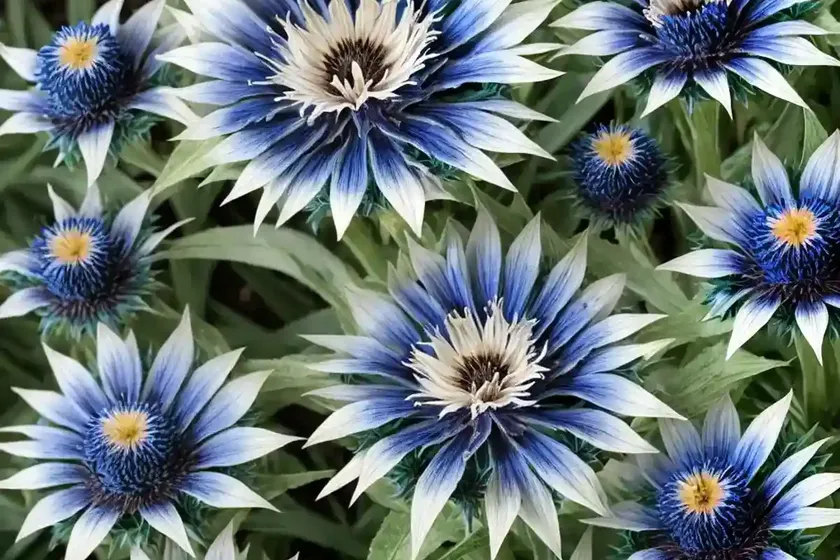
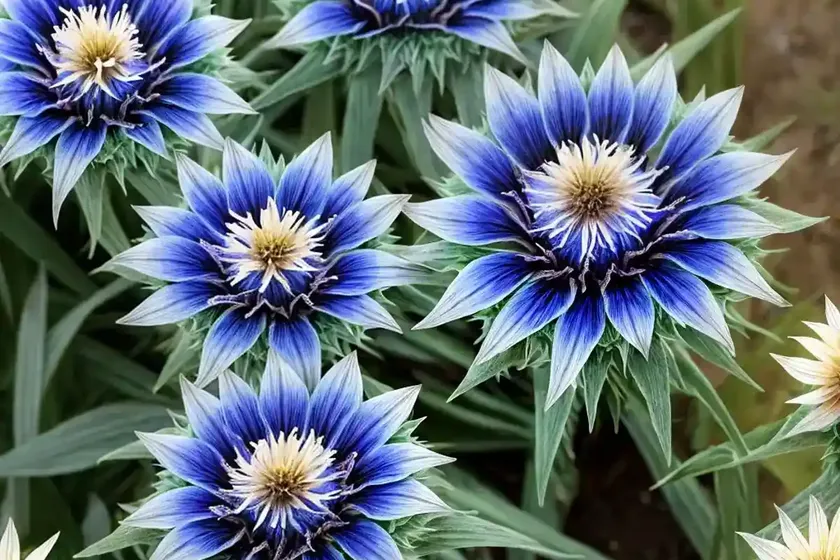
Centaurea cyanus ‘Blue Diadem,’ commonly known as Cornflower, is a charming and versatile plant that has been valued in gardens for centuries. Its vivid blue blooms and easy-going nature make it a popular choice for both experienced and novice gardeners. In this comprehensive guide, we will explore everything you need to know about the culture, uses, maintenance, and benefits of growing Centaurea cyanus ‘Blue Diadem.’ Whether you aim to cultivate it in your garden or in containers, this guide will equip you with all the essential knowledge to nurture and enjoy this delightful plant.
What is Centaurea cyanus ‘Blue Diadem’ (Cornflower)?
Centaurea cyanus ‘Blue Diadem,’ also known as Cornflower, is an annual flowering plant that belongs to the Asteraceae family. It is native to Europe and has naturalized in many other parts of the world. The plant is known for its striking blue flowers, which have made it a beloved choice in gardens, meadows, and naturalistic landscapes.
The botanical attributes of Centaurea cyanus ‘Blue Diadem’ include:
- Botanical Name: Centaurea cyanus ‘Blue Diadem’
- Common Name: Cornflower
- Plant Type: Annual
- Bloom Time: Late spring to early summer
- Bloom Color: Blue
- Foliage: Green, finely divided
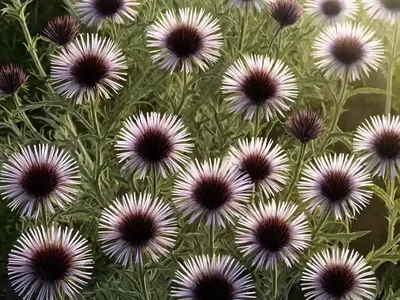
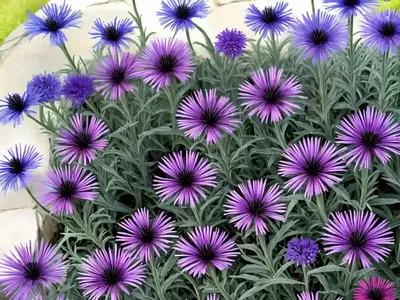
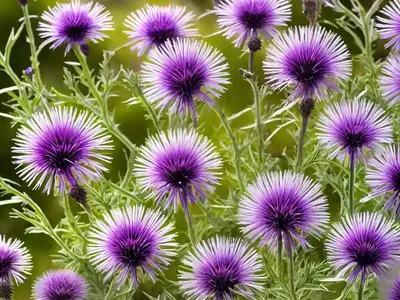
Cornflower is renowned for its delightful blue flowers that are traditionally associated with the color of the cornflower plant itself. The plant’s delicate, fringed petals create an enchanting display, making it an attractive addition to gardens and landscapes.
Key Takeaways – Centaurea cyanus ‘Blue Diadem’
Before diving into the detailed aspects of growing and caring for Cornflower, let’s take a quick look at the key takeaways about this captivating plant.
- Characteristics: Vibrant blue flowers, finely divided green foliage.
- Culture: Easy to grow, suitable for both garden beds and containers.
- Uses: Ornamental displays, cut flowers, attracting pollinators.
- Water: Moderate water needs; avoid waterlogging the soil.
- Sunlight: Full sun for optimal growth and flowering.
- Fertilizer: Light feeding with a balanced fertilizer.
- Soil: Well-draining, moderately fertile soil.
- Pruning: Deadheading for continuous blooming.
- Propagation: Seeds, division of clumps.
- Container: Well-draining, medium-sized containers.
- Popularity: Widely cultivated for its ornamental value.
- Common Diseases: Powdery mildew, rust.
- Common Pests: Aphids, spider mites.
With these key points in mind, let’s delve into the detailed aspects of nurturing Centaurea cyanus ‘Blue Diadem’.
Culture of Centaurea cyanus ‘Blue Diadem’ (Cornflower)
Caring for Centaurea cyanus ‘Blue Diadem’ is relatively straightforward, making it an excellent choice for both experienced and novice gardeners. Understanding its specific cultural requirements is essential to ensure the plant thrives and produces an abundance of its signature blue blooms.
Water
Proper watering is crucial for the health and development of Centaurea cyanus ‘Blue Diadem.’ While the plant requires regular moisture, it is important to avoid waterlogging the soil, as this can lead to root rot and other problems.
- Watering Frequency: Aim to keep the soil consistently moist but not waterlogged.
- Soil Moisture: Allow the top inch of soil to dry out slightly between waterings.
- Avoid Overhead Watering: Direct water to the base of the plant to prevent excessive moisture on the foliage, which can contribute to disease development.
Sunlight
Centaurea cyanus ‘Blue Diadem’ thrives in full sun, benefiting from at least 6 to 8 hours of direct sunlight per day. Adequate sunlight ensures strong growth, vibrant blooms, and overall plant vigor.
- Ideal Sun Exposure: Full sun (6 to 8 hours of direct sunlight daily).
- Morning Sun: Plant in a location where it receives morning sunlight, which is typically gentler on the plants.
Fertilizer
While Cornflower is not particularly heavy feeder, providing it with a light dose of balanced fertilizer can promote healthy growth and prolific flowering.
- Fertilizing Schedule: Apply a balanced, all-purpose fertilizer once a month during the growing season.
- Dilution: Follow the fertilizer manufacturer’s recommendations for dilution and dosage.
- Application Method: Water the plant well before and after applying fertilizer to prevent root burn.
Soil
The success of cultivating Centaurea cyanus ‘Blue Diadem’ greatly depends on the quality and composition of the soil. Well-draining, moderately fertile soil is ideal for ensuring the plant’s well-being.
- Soil Type: Well-draining, loamy soil.
- pH Level: Slightly acidic to neutral (6.0 – 7.0).
- Soil Amendments: Organic matter, such as compost, can be incorporated to enhance soil fertility and structure.
Pruning Centaurea cyanus ‘Blue Diadem’
Pruning serves a vital role in the maintenance and continued blooming of Cornflower. Deadheading, the removal of spent flowers, encourages the plant to produce new blooms, extending the flowering period and enhancing the plant’s overall appearance.
- Deadheading Method: Regularly remove faded flowers by snipping them off just above the nearest set of healthy leaves.
- Pruning Shears: Use clean, sharp pruning shears to prevent damage to the plant.
Propagation of Centaurea cyanus ‘Blue Diadem’
Centaurea cyanus ‘Blue Diadem’ can be propagated by seed or through division of clumps. These methods allow for the expansion of your plant collection or the sharing of this delightful plant with fellow gardening enthusiasts.
Propagation by Seed
- Collecting Seeds: Allow the flowers to fade and form seed heads. Harvest the seeds when the heads turn brown and the seeds become dark in color.
- Seed Starting: Sow the seeds directly into prepared soil in early spring after the last frost date.
- Germination: Germination usually occurs within 7 to 14 days when provided with the appropriate growing conditions.
Division of Clumps
- Ideal Time: Early spring or early fall is the best time to divide clumps.
- Division Process: Dig up the established plant and carefully separate the clumps, ensuring that each division has a good root system attached.
- Transplanting: Replant the divided clumps in prepared soil, water thoroughly, and provide proper care to promote their establishment.
Centaurea cyanus ‘Blue Diadem’ in Containers
While Centaurea cyanus ‘Blue Diadem’ is commonly grown in garden beds, it also thrives in containers, allowing for flexibility in garden design and space utilization.
Container Requirements
- Size: Choose a medium-sized container with adequate drainage holes.
- Soil: Use a well-draining potting mix, preferably with added perlite or vermiculite for improved drainage.
- Watering: Monitor the moisture level closely, as containers may dry out faster than garden beds.
Popularity of Centaurea cyanus ‘Blue Diadem’
Centaurea cyanus ‘Blue Diadem’ has sustained its popularity among gardeners for numerous reasons, including its ease of cultivation, charming blue blooms, and versatility in a variety of garden styles.
Common Diseases of Centaurea cyanus ‘Blue Diadem’
While generally resilient, Centaurea cyanus ‘Blue Diadem’ is susceptible to certain diseases that can impact its health and appearance.
Common Diseases
- Powdery Mildew: A fungal disease that forms a powdery, white substance on the leaves and stems.
- Rust: Characterized by orange or brown spots on the foliage, caused by fungal pathogens.
Disease Diagnosis
- Symptoms: Look for white powdery patches on the leaves and stems for powdery mildew, and orange or brown spots for rust.
- Treatment: Fungicidal sprays can help manage and prevent the spread of these diseases.
Common Pests Affecting Centaurea cyanus ‘Blue Diadem’
Centaurea cyanus ‘Blue Diadem’ may also attract certain pests that can compromise its health and appearance if left unmanaged.
Common Pests
- Aphids: Small, sap-sucking insects that cluster on the undersides of leaves.
- Spider Mites: Tiny arachnids that cause stippling and webbing on the leaves.
Pest Control
- Natural Predators: Encourage the presence of beneficial insects, such as ladybugs and lacewings, to naturally control aphid populations.
- Horticultural Oil: Applying horticultural oil can help manage spider mite infestations and suppress their spread.
Botanist’s Tips for Growing Centaurea cyanus ‘Blue Diadem’
Gaining insights from herbaceous plant experts and botanists can offer valuable advice for successfully growing and caring for Centaurea cyanus ‘Blue Diadem.’
- Tip 1: Ensure well-draining soil to prevent waterlogging and root rot.
- Tip 2: Deadhead spent blooms regularly to encourage new flowering.
- Tip 3: Monitor the plant for signs of diseases and pests, taking prompt action if needed.
- Tip 4: Provide adequate air circulation to reduce the risk of fungal diseases.
Fun Facts About Centaurea cyanus ‘Blue Diadem’
Uncover some intriguing and lesser-known facts about Centaurea cyanus ‘Blue Diadem’ that add to its allure and significance in gardens and landscapes.
- Cornflower holds historical significance and has been associated with traditional folklore in various cultures.
- The vivid blue color of Cornflower has made it a popular natural dye for textiles and craft materials.
- Centaurea cyanus ‘Blue Diadem’ serves as a nectar source for essential pollinators, promoting biodiversity in gardens and natural habitats.
With its rich history, charming blue blooms, and versatile uses, Centaurea cyanus ‘Blue Diadem’ continues to captivate gardeners and plant enthusiasts worldwide.
Links to External Resources
Expand your knowledge of cultivating Centaurea cyanus ‘Blue Diadem’ by exploring additional resources:
- Royal Horticultural Society – Centaurea cyanus
- University of Wisconsin-Madison – Growing Annual Flowers
- National Gardening Association – Plant Care Guides
- American Society for the Prevention of Cruelty to Animals – Toxic and Non-Toxic Plants
By exploring these resources, you can gain valuable insights, tips, and recommendations for successfully cultivating and enjoying this enchanting plant.
In conclusion, Centaurea cyanus ‘Blue Diadem’ (Cornflower) stands as a testament to its enduring appeal and significance in gardens, meadows, and natural landscapes. Whether you’re drawn to its vibrant blue blooms, its cultural and historical associations, or its ecological contributions, this resilient and beautiful plant offers a myriad of reasons to cultivate and appreciate it.
Mastering the insights and techniques for cultivating Centaurea cyanus ‘Blue Diadem’ will empower you to unlock its full potential in your garden, creating a visually stunning and ecologically vibrant outdoor space.
In this comprehensive guide, I’ve covered the essential aspects of cultivating Centaurea cyanus ‘Blue Diadem’ (Cornflower), providing actionable tips and insights to ensure successful growth and enjoyment of this delightful plant. If you have any questions or need further assistance with growing Centaurea cyanus ‘Blue Diadem,’ feel free to reach out.
Remember to consult your local gardening experts and resources for region-specific recommendations and best practices when cultivating Centaurea cyanus ‘Blue Diadem.’ Happy gardening!