Centaurea Scabiosa (Greater Knapweed)
Centaurea scabiosa, commonly known as Greater Knapweed, is a striking perennial plant belonging to the Asteraceae family, renowned for its ornamental value.
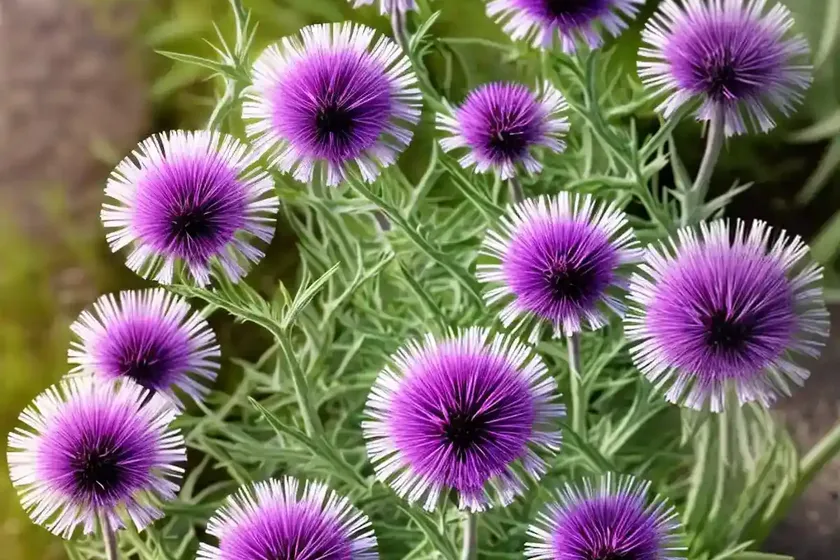
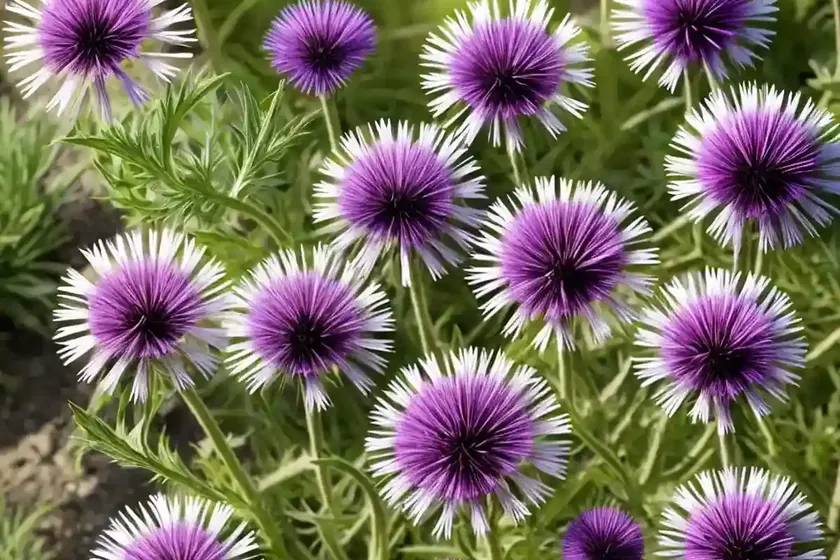
Centaurea scabiosa, commonly known as Greater Knapweed, is a striking perennial plant belonging to the Asteraceae family, renowned for its ornamental value and ecological significance. From its mesmerizing flowers to its beneficial ecosystem contributions, Centaurea scabiosa holds an essential place in the botanical world. In this comprehensive guide, we will delve into the intriguing world of Centaurea scabiosa, exploring its description, uses, habitat, cultivation, maintenance, and much more. Whether you’re an enthusiastic gardener, a nature lover, or a plant science aficionado, this article aims to offer valuable insights into the captivating realm of Centaurea scabiosa.
What is Centaurea scabiosa?
Centaurea scabiosa Description
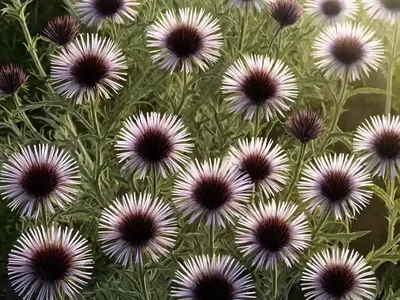
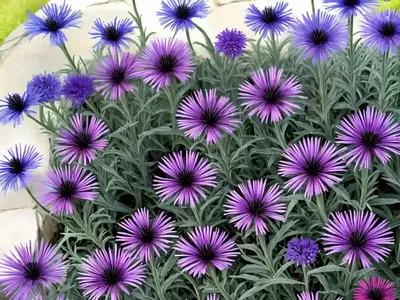
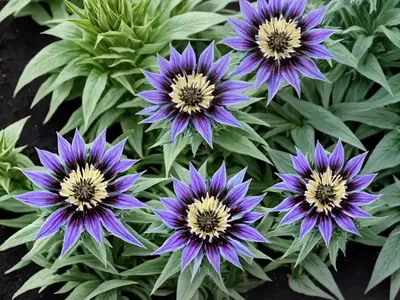
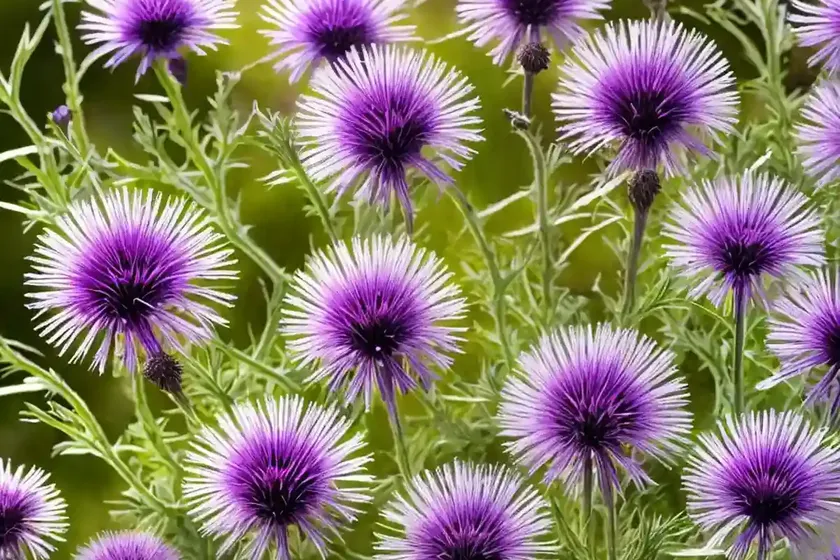
Centaurea scabiosa, also known as Greater Knapweed, is a herbaceous perennial plant native to Europe, North Africa, and Western Asia. It is recognized for its striking purple to pinkish, thistle-like flowers that bloom in dense spherical heads. The plant typically grows to a height of 60-120 cm, featuring deeply lobed, spiky leaves and strong, upright stems. The unique appearance of Centaurea scabiosa adds an alluring touch to gardens, meadows, and natural landscapes.
Greater Knapweed Plant
The Greater Knapweed plant, scientifically named Centaurea scabiosa, is a prominent member of the Centaurea genus, which comprises over 700 species of plants commonly known as knapweeds. The genus Centaurea is part of the Asteraceae family, known for its diverse and vibrant flowering plants. Centaurea scabiosa, in particular, is celebrated for its robust growth, spectacular floral display, and significance in supporting local ecosystems.
Key Takeaways – Centaurea scabiosa (Greater Knapweed)
Before delving into the specifics of Centaurea scabiosa’s cultivation and maintenance, let’s highlight the key takeaways that encapsulate the essence of this remarkable plant.
- Centaurea scabiosa Description: Intricate, thistle-like flowers atop upright stems with lobed leaves.
- Greater Knapweed Plant: A striking perennial herbaceous plant belonging to the Centaurea genus within the Asteraceae family.
- Centaurea scabiosa Uses: Ornamental value, wildlife habitat support, and potential medicinal properties.
- Greater Knapweed Characteristics: Robust growth, dazzling floral display, and ecological significance.
- Centaurea scabiosa Care Guide: Requirements for water, sunlight, soil, fertilizer, and pruning.
- Greater Knapweed Habitat: Native to Europe, North Africa, and Western Asia, thriving in diverse habitats.
- Centaurea scabiosa Benefits: Ecological contributions, potential medicinal uses, and ornamental value.
- Greater Knapweed Cultivation: Tips for successful growth in gardens and natural landscapes.
- Centaurea scabiosa Facts: Intriguing details about the plant’s characteristics and ecological interactions.
- Greater Knapweed Medicinal Properties: Exploration of potential health-promoting attributes.
- Centaurea scabiosa Varieties: Diversity within the species and cultivars for various garden preferences.
- Greater Knapweed Gardening Tips: Practical insights for incorporating Centaurea scabiosa into garden designs.
- Centaurea scabiosa Planting Guide: Recommendations for optimal planting and establishment.
- Greater Knapweed Natural Habitat: Insights into the plant’s ecological niche and natural range.
- Centaurea scabiosa Maintenance: Strategies for ensuring the health and vigor of established plants.
- Greater Knapweed Flowering Period: Details about the timing and duration of the plant’s blossoms.
- Centaurea scabiosa Wildlife Attractant: Role in supporting diverse animal species through its flowers and habitat.
- Greater Knapweed Native Habitat: Examination of the plant’s original geographic distribution.
- Centaurea scabiosa Soil Requirements: Optimal soil conditions for successful growth and blooming.
- Greater Knapweed Pollinator Plant: Contribution to pollinator health and biodiversity.
- Centaurea scabiosa Drought Tolerance: Adaptations for managing water scarcity and dry conditions.
- Greater Knapweed Ecosystem Benefits: Significant positive impacts on local ecosystems.
- Centaurea scabiosa Companion Plants: Compatible plant species for cooperative garden arrangements.
- Greater Knapweed Seed Propagation: Methods for propagating new plants from seeds.
- Centaurea scabiosa Pruning Tips: Recommendations for maintaining plant health and appearance.
- Greater Knapweed Wildlife Garden Plant: Significance in wildlife-friendly landscape designs.
- Centaurea scabiosa Common Pests: Identification and management of potential pest issues.
- Greater Knapweed Herbal Uses: Traditional and contemporary applications of Centaurea scabiosa in herbal practices.
- Centaurea scabiosa Flower Arrangements: Potential for incorporating the plant’s blooms in floral displays.
- Greater Knapweed Seed Collection: Guidelines for collecting and preserving seeds for future propagation.
- Centaurea scabiosa Sun Exposure: Optimal sunlight conditions for robust growth and blooming.
- Greater Knapweed Soil pH Requirements: Ideal soil pH levels for supporting healthy plant growth.
- Centaurea scabiosa Water Needs: Watering guidelines for maintaining plant vigor and vitality.
- Greater Knapweed Plant Family: Centaurea scabiosa’s taxonomic position within the plant kingdom.
- Centaurea scabiosa Blooming Season: Insights into the seasonal timing of the plant’s floral spectacle.
- Greater Knapweed Plant Size: Variability in the size and stature of mature Centaurea scabiosa plants.
- Centaurea scabiosa Wildlife Conservation: Ecological significance in promoting wildlife health and diversity.
- Greater Knapweed Naturalized Areas: Examination of regions where Centaurea scabiosa has become established outside its native range.
- Centaurea scabiosa Garden Design Ideas: Creative inspiration for incorporating the plant into diverse garden styles.
- Greater Knapweed Nectar Source: Contribution to nectar availability for pollinators and beneficial insects.
- Centaurea scabiosa Landscape Uses: Versatile applications of the plant in landscape designs and natural settings.
- Greater Knapweed Plant Propagation Methods: Techniques for reproducing Centaurea scabiosa for garden and conservation purposes.
- Centaurea scabiosa Habitat Restoration: Role in ecological restoration and habitat enhancement projects.
- Greater Knapweed Ornamental Plant: The aesthetic and decorative appeal of Centaurea scabiosa in gardens.
- Centaurea scabiosa Traditional Uses: Historical and traditional applications of the plant for various purposes.
- Greater Knapweed Folklore and Symbolism: Cultural and symbolic significance associated with the plant.
- Centaurea scabiosa Herbal Remedies: Therapeutic uses and potential health benefits attributed to the plant.
- Greater Knapweed Butterfly Attractant: The plant’s role in attracting and supporting butterfly populations.
- Centaurea scabiosa Plant Diseases: Identification and management of common diseases affecting the plant.
- Greater Knapweed Wildlife Conservation Value: Overall ecological significance and value for wildlife conservation efforts.
Culture
Cultivating Centaurea scabiosa, or Greater Knapweed, can be a rewarding endeavor for both gardeners and conservationists. Understanding the cultural requirements of this remarkable plant is essential for creating optimal growing conditions and promoting its longevity and vitality.
Uses
Ornamental Value
Centaurea scabiosa is treasured for its ornamental value, gracing gardens, meadows, and natural landscapes with its enchanting presence. The distinctive, thistle-like flowers add a touch of wild beauty to any setting, and the plant’s attractive foliage further enhances its visual appeal. Gardeners often incorporate Centaurea scabiosa into perennial borders, wildlife-friendly gardens, and prairie-inspired plantings to introduce a dynamic and charismatic element to their landscapes.
Wildlife Habitat Support
Beyond its aesthetic attributes, Centaurea scabiosa plays a vital role in supporting diverse forms of wildlife. The plant’s nectar-rich flowers attract various pollinators, including butterflies, bees, and hoverflies, contributing to the overall health and diversity of local ecosystems. Furthermore, the seeds of Centaurea scabiosa serve as a valuable food source for small birds, enriching the ecological tapestry of the surrounding environment. By cultivating Centaurea scabiosa, gardeners can actively participate in fostering wildlife habitats and promoting biodiversity.
Potential Medicinal Properties
While primarily regarded for its ornamental and ecological contributions, some species within the Centaurea genus, including Centaurea scabiosa, have historical and traditional uses in herbal medicine. While the specific medicinal properties and applications of Centaurea scabiosa may vary, exploring its potential health-promoting attributes adds an intriguing dimension to the plant’s cultural significance.
Water
Providing adequate water is crucial for the successful cultivation of Centaurea scabiosa, particularly during its establishment phase and periods of active growth and blooming. Understanding the plant’s water needs and implementing appropriate irrigation practices is essential for promoting its health and vitality.
-
Establishment Phase: During the initial establishment of Centaurea scabiosa in the garden or natural habitat, consistent moisture is essential to support the development of healthy roots and foliage. Adequate watering during this phase encourages robust growth and facilitates the plant’s acclimatization to its new environment.
-
Active Growth and Blooming: Throughout the plant’s active growth and blooming periods, maintaining a regular watering schedule is critical, especially during dry spells or prolonged periods of limited rainfall. While Centaurea scabiosa exhibits a degree of drought tolerance once established, ensuring sufficient moisture levels promotes vibrant floral displays and overall plant vigor.
-
Drainage Considerations: Despite its need for adequate moisture, Centaurea scabiosa thrives in well-draining soil. Ensuring proper drainage prevents waterlogging, which can be detrimental to the plant’s health. Amending heavy or compacted soils with organic matter can help improve drainage while retaining essential moisture levels for the plant.
Sunlight
Centaurea scabiosa thrives in ample sunlight and is well-suited to bright, open settings that receive abundant sunshine throughout the day. Understanding its sunlight requirements is essential for selecting optimal planting locations and promoting vigorous growth and blooming.
-
Full Sun Exposure: Centaurea scabiosa flourishes in full sun, typically defined as at least six hours of direct sunlight daily. Exposure to abundant sunlight encourages robust growth, enhances the plant’s flowering potential, and promotes the development of sturdy, well-branched stems.
-
Partial Shade Considerations: While Centaurea scabiosa prefers full sun, it can tolerate some degree of partial shade, particularly in regions with intense midday sun or during periods of extreme heat. When planting in areas with partial shade, ensuring that the plant still receives a significant amount of sunlight is crucial for maintaining its vitality and floral abundance.
-
Sunlight and Floral Display: Providing ample sunlight is essential for maximizing the floral display of Centaurea scabiosa. Intense sunlight stimulates prolific blooming and contributes to the vibrancy and longevity of the plant’s mesmerizing blossoms.
Fertilizer
Incorporating appropriate fertilization practices is important for supporting the growth, health, and blooming potential of Centaurea scabiosa. While the plant typically thrives in moderately fertile soils, supplementing with organic or balanced fertilizers can enhance its performance in garden settings.
-
Soil Testing: Prior to fertilizing Centaurea scabiosa, conducting a soil test can provide valuable insights into the existing nutrient levels and pH characteristics of the planting site. Understanding the soil composition and fertility status allows for targeted and informed fertilization.
-
Moderate Fertility Requirements: Centaurea scabiosa generally performs well in soils of moderate fertility, benefiting from a balanced supply of essential nutrients. Incorporating organic matter, such as compost or well-rotted manure, into the soil during planting can provide a gradual and enriching source of nutrients for the plant.
-
Balanced Fertilizers: When fertilization is necessary, selecting a balanced, all-purpose fertilizer with an even NPK (nitrogen, phosphorus, and potassium) ratio can support the overall vigor and blooming potential of Centaurea scabiosa. Applying fertilizers according to package instructions and avoiding excessive or uneven application is essential for preventing nutrient imbalances.
-
Timing of Fertilization: Applying fertilizers at the beginning of the growing season, along with supplemental feedings during the active growth and blooming periods, can help sustain the vitality and floral abundance of Centaurea scabiosa. Avoiding excessive fertilization, particularly with high-nitrogen products, can prevent overly lush growth at the expense of flowers.
Soil
The soil composition and structure significantly impact the health, vitality, and blooming potential of Centaurea scabiosa. Understanding the plant’s soil requirements and implementing appropriate soil preparation practices are essential for promoting its long-term success in garden and natural settings.
-
Well-Draining Soil: Centaurea scabiosa thrives in well-draining soil, benefiting from the ideal balance of moisture retention and effective drainage. Amending heavy or compacted soils with organic matter, such as compost or peat moss, can improve soil structure and promote optimal root growth.
-
Neutral to Alkaline pH: Centaurea scabiosa generally prefers neutral to slightly alkaline soil pH levels, ranging from 6.5 to 7.5. Conducting a soil pH test and making adjustments as needed can create an optimal growing environment for the plant, enhancing its nutrient uptake and overall performance.
-
Soil Enrichment: Incorporating organic matter into the soil during planting or transplanting can provide a gradual and enriching source of nutrients for Centaurea scabiosa. Additionally, ensuring a healthy population of beneficial soil organisms supports the overall soil structure and vitality.
-
Mulching Considerations: Applying a layer of organic mulch around the base of Centaurea scabiosa plants offers multiple benefits, including moisture retention, weed suppression, and soil insulation. Organic mulches, such as well-rotted compost, straw, or wood chips, contribute to the overall health and vigor of the plant.
Pruning
Pruning plays a significant role in maintaining the health, appearance, and blooming potential of Centaurea scabiosa. Thoughtful pruning practices can encourage continuous flowering, prevent overcrowding, and ensure the plant’s longevity in garden settings.
-
Deadheading Spent Flowers: Removing faded or spent flowers from Centaurea scabiosa, a practice known as deadheading, promotes continuous blooming and prevents the formation of seed heads. Regular deadheading throughout the blooming season encourages the plant to produce new flowers, extending the floral display and enhancing its overall attractiveness.
-
Cutting Back for Rebloom: In regions with prolonged growing seasons, or during mild winter conditions, cutting back the spent flower stems and any leggy growth of Centaurea scabiosa can stimulate new growth and secondary blooming. Trimming the plant to a moderate height redirects its energy into producing fresh foliage and blossoms.
-
Thinning Overcrowded Growth: Over time, Centaurea scabiosa may develop crowded or dense growth, potentially leading to decreased air circulation and increased susceptibility to pests and diseases. Thinning out the plant by selectively removing excess stems and foliage promotes a balanced and healthy growth habit.
-
Pruning Timing: Pruning Centaurea scabiosa can be performed throughout the growing season, with a focus on deadheading spent flowers as soon as they fade. Avoiding heavy pruning during periods of extreme heat or drought stress is advisable to minimize additional stress on the plant.
Propagation
While established clumps of Centaurea scabiosa can be divided to propagate new plants, the species can also be grown from seeds.
Container Popularity
Centaurea scabiosa lends itself well to container gardening, offering an attractive and wildlife-friendly addition to outdoor spaces, balconies, and patios. Its relatively low maintenance requirements and striking floral display make it a popular choice for container cultivation.
Container Common Diseases
In container settings, Centaurea scabiosa may be susceptible to specific diseases and pests. Gray mold (Botrytis cinerea) and powdery mildew (Erysiphe cichoracearum) are two common fungal diseases that can affect the plant, particularly in conditions of high humidity and poor air circulation.
Disease Diagnosis
Diagnosing potential diseases affecting Centaurea scabiosa in container settings involves evaluating the appearance of the foliage, stems, and flowers. Symptoms such as wilting, discoloration, and the presence of fuzzy or powdery growth can indicate the presence of fungal pathogens. Promptly addressing suspected diseases through appropriate interventions, such as adjusting watering practices, improving air circulation, and applying targeted fungicidal treatments, can help manage and prevent the spread of diseases.
Common Pests
In container settings, Centaurea scabiosa may attract certain pests, including aphids, caterpillars, and spider mites. Regular monitoring of the plant and implementing integrated pest management strategies can help prevent and manage potential pest issues effectively.
Botanist’s Tips
Fun Facts
Ecological Significance
- Centaurea scabiosa is a valuable nectar source for various pollinators, including butterflies, bees, and hoverflies, contributing to the overall health and diversity of local ecosystems.
- The plant’s seeds serve as a food source for small birds, making it a supportive presence in wildlife-friendly landscapes and natural habitats.
Habitat and Range
- Centaurea scabiosa is native to Europe, North Africa, and Western Asia, thriving in a diverse array of habitats, including meadows, grasslands, and open woodlands.
- The species has naturalized in some regions outside its native range, adapting to new environments and contributing to the ecological tapestry of these areas.
Links to External Resources
For further exploration of Centaurea scabiosa and related topics, the following external resources provide valuable information and insights:
- Royal Horticultural Society – Centaurea scabiosa
- Missouri Botanical Garden – Centaurea scabiosa
- State Botanical Garden of Georgia – Centaurea scabiosa
- [Plantlife – The Many Types of Knapweed](https://plantlife.org