Plant Scientist’s Guide to Caucasian Stonecrop (Sedum spurium)
Caucasian stonecrop, also known as Sedum spurium, is a versatile and resilient plant that has been a favorite among gardeners and landscape enthusiasts for generations. In this comprehensive guide, we will explore the many facets of this plant, including its characteristics, cultivation, uses, and maintenance. Whether you’re a novice gardener or a seasoned horticulturist, there’s always something new to learn about this remarkable plant.
What is Caucasian Stonecrop (Sedum spurium)?
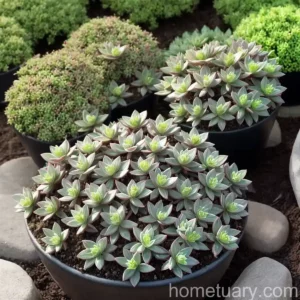
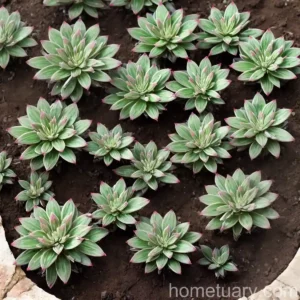
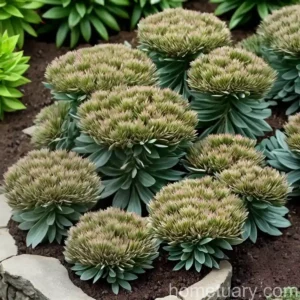
Caucasian stonecrop, scientifically known as Sedum spurium, is a low-growing perennial plant that belongs to the Crassulaceae family. It is native to the Caucasus region and parts of Eastern Europe, where it thrives in rocky and mountainous terrain. The plant is characterized by its succulent foliage and star-shaped flowers, which bloom in an array of colors, including red, pink, and white.
Key Takeaways – Caucasian Stonecrop (Sedum spurium)
Before delving into the specifics of cultivating Caucasian stonecrop, let’s highlight the key takeaways that will be covered in this guide:
- Sedum spurium: A detailed overview of the plant’s taxonomy, appearance, and habitat.
- Culture: Comprehensive guidance on how to grow and care for Caucasian stonecrop.
- Uses: Explore the diverse applications of Sedum spurium in landscaping, traditional medicine, and ecological sustainability.
- Water: Understanding the watering requirements and best practices for maintaining optimal soil moisture.
- Sunlight: Guidance on providing the ideal levels of sunlight for healthy growth and flowering.
- Fertilizer: Recommendations for fertilization to support the plant’s nutritional needs.
- Soil: Insights into the preferred soil type and composition for Caucasian stonecrop cultivation.
- Pruning: Techniques for proper pruning and maintenance to enhance the plant’s aesthetic appeal and vigor.
- Propagation: Guidance on propagating Sedum spurium through various methods such as division and cuttings.
- Container Popularity: Tips for growing Caucasian stonecrop in containers, including suitable potting mix and container selection.
- Common Diseases: Identification and management of prevalent diseases that affect Sedum spurium.
- Common Pests: Recognizing and addressing pest infestations to protect the plant’s health.
- Botanist’s Tips: Expert insights and recommendations for successful cultivation and care.
- Fun Facts: Intriguing and lesser-known facts about Caucasian stonecrop.
- Links to External Resources: Additional references for further exploration of Sedum spurium.
Now, let’s embark on a journey to discover the captivating world of Caucasian stonecrop and unravel the secrets to nurturing this exceptional plant.
Culture of Caucasian Stonecrop
Caucasian stonecrop, with its adaptability and resilience, has earned a reputation as a low-maintenance and visually appealing plant. Understanding the cultural requirements of Sedum spurium is crucial for its successful growth and development.
Water
Sedum spurium is renowned for its drought tolerance and ability to thrive in arid conditions. However, consistent and moderate watering is essential, particularly during the establishment phase and periods of prolonged dryness. Overwatering should be avoided to prevent waterlogged soil, which can lead to root rot and other complications.
Caucasian Stonecrop Watering Requirements:
– Establishment Phase: During the initial planting and root establishment, provide regular watering to support healthy growth.
– Moderate Watering: Water deeply when the soil is dry to the touch, allowing excess water to drain effectively.
– Drought Tolerance: Once established, Sedum spurium can withstand relatively dry conditions and is well-suited for xeriscaping and water-wise gardening.
Sunlight
Ample sunlight is essential for the robust growth and vibrant flowering of Caucasian stonecrop. This plant thrives in full sun to partial shade and benefits from at least 6 hours of direct sunlight per day.
Optimal Sunlight Conditions for Sedum spurium:
– Full Sun: Select planting locations that receive abundant sunlight for optimal growth and flowering.
– Partial Shade: While tolerant of partial shade, ensure that the plant receives sufficient sunlight to promote flowering and foliage density.
Fertilizer
Caucasian stonecrop is relatively low-maintenance when it comes to fertilization. The plant’s modest nutritional requirements can be met with organic matter-rich soil and occasional fertilization during the growing season.
Fertilization Guidelines for Sedum spurium:
– Organic Matter: Incorporate organic compost or well-rotted manure into the soil during planting to provide essential nutrients.
– Balanced Fertilizer: Use a balanced, slow-release fertilizer in spring to support healthy growth and flowering.
– Moderation: Avoid excessive fertilization, as this can lead to excessive foliage at the expense of flowering and compact growth.
Soil
Caucasian stonecrop thrives in well-draining and moderately fertile soil, making it adaptable to a range of soil types. However, the plant exhibits its best growth in lean, sandy soils with good drainage.
Preferred Soil Characteristics for Sedum spurium:
– Well-Draining Soil: Ensure that the planting site has excellent drainage to prevent waterlogging and root rot.
– Sandy Composition: Lean towards sandy or gravelly soil to mimic the plant’s natural habitat and promote optimal growth.
– Moderate Fertility: While adaptable, the soil should provide adequate nutrients without being overly rich.
Pruning
Proper pruning is integral to maintaining the vigor, shape, and aesthetic appeal of Caucasian stonecrop. Pruning also stimulates new growth and encourages abundant flowering in Sedum spurium.
Pruning Techniques for Sedum spurium:
– Deadhead Spent Flowers: Regularly remove faded or spent flowers to promote continuous blooming and prevent seed formation.
– Trimming: Trim back leggy or sprawling stems to encourage a compact and bushy growth habit.
– Spring Maintenance: In early spring, trim back any damaged or overwintered foliage to rejuvenate the plant.
Propagation
The propagation of Caucasian stonecrop can be achieved through various methods, including division and stem cuttings. These techniques offer gardeners the opportunity to expand their Sedum spurium collection or share the plant with fellow enthusiasts.
Propagation Techniques for Sedum spurium:
– Division: Divide mature clumps in spring or early fall, ensuring that each division has sufficient roots and shoots for successful establishment.
– Stem Cuttings: Take stem cuttings from healthy, non-flowering shoots and root them in a well-draining medium to propagate new plants.
Container Popularity
Sedum spurium’s compact growth habit, resilience, and aesthetic appeal make it a popular choice for container gardening. The plant’s adaptability to confined spaces and shallow soil conditions further enhances its suitability for container cultivation.
Caucasian Stonecrop Container Gardening Tips:
– Container Selection: Choose shallow containers with adequate drainage holes to prevent waterlogging and support healthy root development.
– Potting Mix: Use a well-draining potting mix with added perlite or coarse sand to mimic the plant’s preferred soil conditions.
– Container Size: Opt for containers that allow the plant to spread and showcase its trailing or mounding growth habit effectively.
Common Diseases
While generally resistant to diseases, Caucasian stonecrop may encounter certain issues that affect its overall health and appearance. Recognizing and addressing common diseases promptly is essential for preserving the plant’s vitality.
Identification and Management of Common Diseases in Sedum spurium:
– Powdery Mildew: Characterized by a powdery white coating on the leaves, powdery mildew can be managed through proper spacing, adequate airflow, and fungicidal treatments.
– Root Rot: Caused by waterlogged soil and poor drainage, root rot can be mitigated by adjusting watering practices and ensuring optimal soil conditions.
– Leaf Spot: Fungal leaf spot diseases can be controlled through the removal of infected foliage and the application of appropriate fungicidal treatments.
Common Pests
Caucasian stonecrop is relatively resistant to pest infestations, thanks to its succulent foliage and natural defenses. However, vigilance is crucial in identifying and addressing potential pest issues to prevent damage to the plant.
Recognizing and Addressing Common Pests that Affect Sedum spurium:
– Aphids: Soft-bodied insects that feed on plant sap, aphids can be dislodged with a strong stream of water or controlled with insecticidal soap.
– Slugs and Snails: These mollusks can cause damage to the foliage and flowers, and their populations can be managed through physical removal and the use of organic slug and snail baits.
– Spider Mites: These tiny pests can be deterred by maintaining adequate humidity levels and using horticultural oils to control infestations.
Botanist’s Tips
For successful cultivation of Caucasian stonecrop and optimal plant health, consider the following expert tips recommended by botanists and plant scientists:
- Moderation in Watering: Avoid overwatering Sedum spurium, as the plant is adapted to dry conditions and can withstand periods of drought.
- Promote Airflow: Provide adequate spacing between plants to enhance air circulation, reducing the risk of fungal diseases and promoting overall plant vigor.
- Avoid Excessive Fertilization: Refrain from over-fertilizing, as this can lead to excessive foliage growth and diminish flowering.
Fun Facts
Discover intriguing and lesser-known facts about Caucasian stonecrop (Sedum spurium) to deepen your appreciation for this remarkable plant:
- The name “Sedum” is derived from the Latin word “sedere,” which means “to sit,” referencing the plant’s low-growing and spreading growth habit.
- Sedum spurium is an excellent choice for green roofs and living walls, thanks to its drought tolerance and adaptability to shallow soil conditions.
- In traditional medicine, various parts of Sedum spurium have been used for their purported medicinal properties, including wound healing and digestive remedies.
Links to External Resources
Expand your knowledge of Caucasian stonecrop (Sedum spurium) and explore additional resources through the following links:
- The Royal Horticultural Society – Sedum spurium
- University of Maryland Extension – Groundcover Plants
- Fine Gardening – Sedum spurium
- North Carolina State University – Sedum spurium
In conclusion, Caucasian stonecrop (Sedum spurium) stands as a testament to nature’s resilience and beauty. Its adaptability, low-maintenance nature, and ornamental charm make it a valuable addition to gardens, landscapes, and container displays. By understanding the cultural requirements, uses, and maintenance practices for Sedum spurium, gardeners can unlock the full potential of this remarkable plant and create captivating outdoor spaces that showcase its inherent allure.
So whether you’re seeking a ground cover for a sunny slope, an accent plant for a rock garden, or a resilient addition to your container garden, consider the enduring allure of Caucasian stonecrop. With its array of vibrant flowers, lush foliage, and ecological benefits, Sedum spurium is a botanical treasure worth cultivating and cherishing.
Remember, the journey of gardening is as enriching as the beauty it yields. Embrace the wonders of Caucasian stonecrop and witness the transformative power of nature in your own backyard.