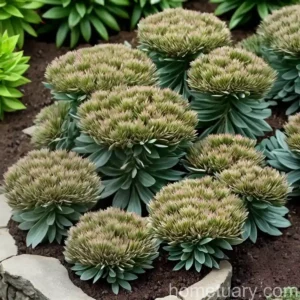
All About Caucasian Stonecrop (Sedum spurium ‘Fuldaglut’)
Caucasian stonecrop (Sedum spurium ‘Fuldaglut’) is a popular and versatile succulent plant that is used in landscaping, gardening, and horticulture. Its attractive foliage and low-maintenance nature make it a favorite among gardeners and plant enthusiasts. In this comprehensive guide, we will explore everything you need to know about the cultivation, uses, care, and maintenance of Caucasian stonecrop. From propagation techniques to common diseases and pests, this article aims to provide a complete overview of this fascinating plant.
What is Caucasian Stonecrop (Sedum spurium ‘Fuldaglut’)?
Caucasian stonecrop, scientifically known as Sedum spurium ‘Fuldaglut’, is a low-growing perennial succulent native to the Caucasus region of Eastern Europe. It belongs to the Crassulaceae family, which is a diverse group of plants commonly known as stonecrops or sedums. The specific epithet ‘spurium‘ suggests that this variety was once considered to be a “spurious” or false form of a similar species.
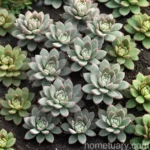
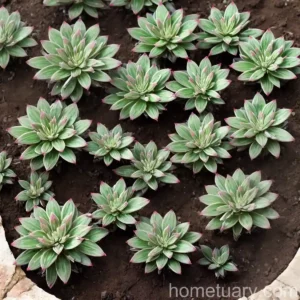
The cultivar name ‘Fuldaglut’ translates to “full blaze” in German, which aptly describes the fiery, red-colored foliage of this vigorous ground cover. While its primary appeal lies in its stunning leaves, Caucasian stonecrop also produces clusters of star-shaped, pink flowers in late spring to summer, adding to its ornamental value.
Key Takeaways – Caucasian Stonecrop (Sedum spurium ‘Fuldaglut’)
Before delving into the specifics of cultivating and caring for Caucasian stonecrop, let’s take a quick overview of its key attributes and uses:
- Botanical Name: Sedum spurium ‘Fuldaglut’
- Common Name: Caucasian stonecrop
- Type: Perennial succulent
- Foliage: Deep red in full sun, green in part shade
- Flowers: Clusters of pink, star-shaped flowers in summer
- Growth Habit: Low-growing, mat-forming
- Uses: Ground cover, rock gardens, containers, borders
- Cultivation: Easy to grow, low maintenance, drought tolerant
Now that we have a basic understanding of what Caucasian stonecrop is, let’s dive into the various aspects of caring for this beautiful succulent.
Culture of Caucasian Stonecrop (Sedum spurium ‘Fuldaglut’)
Water
Caucasian stonecrop is a drought-tolerant plant, and therefore, it thrives in well-draining soil and often requires minimal supplemental watering once established. However, during extended periods of drought or high heat, providing occasional deep watering can be beneficial, particularly for plants grown in containers or in sandy soils.
It is important to allow the soil to dry out between watering sessions to prevent waterlogging, which can lead to root rot and other moisture-related issues. In general, a “less is more” approach to watering is suitable for the culture of Caucasian stonecrop, especially in regions with hot and arid climates.
Sunlight
One of the key factors contributing to the intense coloration and overall health of Caucasian stonecrop is sunlight. When grown in full sun, the foliage of ‘Fuldaglut’ turns a rich, deep red hue, creating a striking visual impact in the garden. On the other hand, when planted in partial shade, the leaves exhibit a more subdued green color, albeit with a slightly less vibrant appearance.
For optimal performance and coloration, it is recommended to provide at least 6 hours of direct sunlight per day for Caucasian stonecrop. However, it is important to note that in extremely hot climates, some afternoon shade may be beneficial to prevent leaf scorch and maintain the plant’s overall vigor.
Fertilizer
Caucasian stonecrop is not a heavy feeder and typically does well in average to poor soils. Excessive fertilization can lead to lush, soft growth that is more susceptible to damage and disease. Therefore, it is best to apply a balanced, slow-release fertilizer sparingly in early spring to support healthy growth and flowering.
Alternatively, incorporating organic matter such as compost into the soil before planting can provide the necessary nutrients for Caucasian stonecrop to thrive without the need for additional fertilizers.
Soil
As mentioned earlier, well-draining soil is crucial for the successful cultivation of Caucasian stonecrop. It is adaptable to various soil types, including sandy, loamy, or rocky soils, as long as they are not excessively moist or waterlogged. A slightly acidic to neutral pH range is generally suitable for this plant, although it can also tolerate mildly alkaline conditions.
Additionally, amending heavy clay soils with organic matter or coarse sand can improve drainage and create a more hospitable environment for Caucasian stonecrop to establish itself.
Pruning and Maintenance
One of the appealing aspects of Caucasian stonecrop is its low-maintenance nature. Minimal pruning is required for this plant, as it naturally forms a dense mat of foliage that suppresses weeds and requires little intervention. However, removing any spent flower stalks after the blooming period can help maintain a tidy appearance and may promote additional flowering.
In regions where Caucasian stonecrop experiences winter dieback or frost damage, a light pruning in early spring to remove any damaged or discolored growth can rejuvenate the plant and encourage healthy new shoots to emerge.
Propagation of Caucasian Stonecrop (Sedum spurium ‘Fuldaglut’)
There are several methods of propagating Caucasian stonecrop, making it easy for gardeners to expand their plantings or share this attractive succulent with others. The primary propagation techniques for this species include division, stem cuttings, and seed propagation.
Division
Dividing established clumps of Caucasian stonecrop is a straightforward and reliable way to propagate this plant. This method is best carried out in early spring or late summer when the plant is actively growing. To divide the plant, carefully lift it from the ground and use a sharp, sterilized knife or garden spade to separate the clumps into smaller sections, each containing a portion of the root system and several shoots.
Once divided, the new plant sections can be replanted in prepared soil and kept moderately moist until they establish themselves and begin producing new growth.
Stem Cuttings
Taking stem cuttings from healthy, non-flowering shoots is another effective method of propagating Caucasian stonecrop. Select a 3-4 inch long stem and remove the lower leaves to expose a node, which is the point from which roots will develop. Place the cuttings in a well-draining potting mix and keep them consistently moist until they root and produce new growth.
Seed Propagation
While less commonly practiced due to the ease of vegetative propagation, Caucasian stonecrop can also be grown from seeds. Sow the seeds on the soil surface and lightly press them down to ensure good contact with the substrate. Keep the seedbed consistently moist until germination occurs, after which the young seedlings can be transplanted to their permanent growing locations.
Growing Caucasian Stonecrop (Sedum spurium ‘Fuldaglut’) in Containers
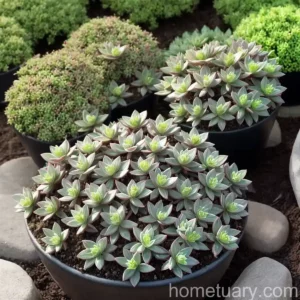
Caucasian stonecrop is well-suited to container cultivation, making it an excellent choice for adding a splash of color and texture to patios, balconies, and other small spaces. When grown in containers, it is important to use a well-draining potting mix that replicates the ideal growing conditions for this plant.
Select a container with adequate drainage holes to prevent waterlogging, and ensure that the plants receive sufficient sunlight for optimal performance. Additionally, container-grown Caucasian stonecrop may require more frequent watering than those planted in the ground, as pots can dry out more quickly.
Popularity of Caucasian Stonecrop
Caucasian stonecrop, particularly the ‘Fuldaglut’ cultivar, has gained significant popularity among gardeners and landscapers for its vibrant foliage, low maintenance requirements, and versatility in various garden settings. Its ability to thrive in challenging conditions, such as poor soils and dry climates, further enhances its appeal to those seeking resilient and visually appealing plantings.
The compact, spreading growth habit of Caucasian stonecrop also makes it an excellent choice for softening the edges of hardscapes, covering bare ground, or creating attractive borders in garden beds. Its adaptability to containers further broadens its potential uses, allowing for creative combinations with other succulents and ornamental plants.
Common Diseases and Pest Control for Caucasian Stonecrop (Sedum spurium ‘Fuldaglut’)
Disease Diagnosis
Caucasian stonecrop is generally resistant to most common plant diseases, especially when grown in well-draining soil and provided with adequate sunlight and airflow. However, excessive moisture and poor air circulation can create conditions conducive to fungal diseases such as powdery mildew and rot.
Symptoms of powdery mildew often include a white, powdery coating on the leaves, while rot may manifest as discolored, mushy areas on the stems or lower portions of the plant. To prevent these issues, it is essential to avoid overwatering, provide good spacing between plants, and promptly remove any affected foliage to prevent the spread of disease.
Common Pests
Caucasian stonecrop is generally resistant to most insect pests, but it can occasionally attract aphids, mealybugs, and scale insects, particularly when grown in indoor or greenhouse settings. These pests can cause damage by feeding on the plant sap, leading to stunted growth, yellowing of leaves, and the secretion of sticky honeydew.
Control measures for these pests include mechanical removal, spraying with insecticidal soap or neem oil, and introducing natural predators such as ladybugs or lacewings to keep their populations in check.
Botanist’s Tips for Growing Caucasian Stonecrop (Sedum spurium ‘Fuldaglut’)
To achieve the best results and ensure the long-term success of Caucasian stonecrop, consider the following expert tips:
-
Optimal Planting Time: Spring and early summer are the best times to plant Caucasian stonecrop, allowing the plants to establish themselves before the onset of harsh weather conditions.
-
Mulching: Applying a layer of gravel or small stones around the base of the plants can help conserve soil moisture, deter weeds, and create an attractive contrast with the colorful foliage.
-
Winter Protection: In regions with harsh winters, providing a layer of mulch or evergreen boughs around the base of Caucasian stonecrop can help insulate the roots and protect them from freezing temperatures and frost heaving.
-
Companion Planting: Pair Caucasian stonecrop with other low-growing, drought-tolerant perennials such as creeping thyme, ice plant (Delosperma), or ornamental grasses for a dynamic and waterwise landscape composition.
Fun Facts about Caucasian Stonecrop (Sedum spurium ‘Fuldaglut’)
As we explore the intricate world of plants, it’s always fascinating to uncover some lesser-known or intriguing facts about our favorite botanical specimens. Here are some fun and interesting tidbits about Caucasian stonecrop:
-
Historical Uses: In traditional medicine, certain species of Sedum were used to treat wounds and stop bleeding due to their astringent properties.
-
Wildlife Attraction: The nectar-rich flowers of Caucasian stonecrop are excellent sources of food for pollinators such as bees, butterflies, and hummingbirds, making it a valuable addition to wildlife-friendly gardens.
-
Winter Interest: Even in its dormant state during winter, the persistent, red-tinged foliage of ‘Fuldaglut’ adds visual interest to the garden and can complement architectural features or evergreen plants.
-
Global Distribution: Although native to the Caucasus region, Caucasian stonecrop has been introduced and naturalized in various parts of the world, reflecting its adaptability and readiness to thrive in diverse environments.
Links to External Resources
For additional information, inspiration, and practical guidance on growing and utilizing Caucasian stonecrop (Sedum spurium ‘Fuldaglut’), explore the following external resources:
- Royal Horticultural Society (RHS) – Growing Sedum spurium
- University of California – Plant Combinations for an Outstanding Garden
- Missouri Botanical Garden – Growing and Propagating Sedums
In conclusion, Caucasian stonecrop (Sedum spurium ‘Fuldaglut’) stands out as a remarkable plant with its fiery foliage, resilience, and diverse applications in garden design and horticulture. Whether used as a vibrant ground cover, a striking component in rock gardens, or a low-maintenance container specimen, this succulent offers an array of possibilities for enhancing the aesthetics and ecological value of outdoor spaces. With a focus on proper care, suitable growing conditions, and creative uses, enthusiasts can fully appreciate the beauty and functionality of this exceptional plant.
By understanding its cultural requirements, propagation methods, potential issues, and practical recommendations, gardeners can confidently incorporate Caucasian stonecrop into their landscapes and enjoy its ever-changing display of colors and textures throughout the seasons.
Remember, a deeper appreciation for plants such as Caucasian stonecrop often unfolds with each observation, and the joy of nurturing and interacting with these natural wonders further enriches the gardening experience. With the right knowledge and a touch of creativity, the cultivation of Sedum spurium ‘Fuldaglut’ can truly flourish in a variety of outdoor and indoor settings, presenting an enduring source of delight and inspiration for all who encounter this captivating succulent.