Caucasian Stonecrop (Sedum spurium ‘Bronze Carpet’): A Comprehensive Guide
What is Plant: Caucasian Stonecrop (Sedum spurium ‘Bronze Carpet’)?
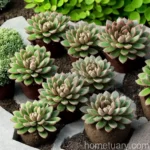
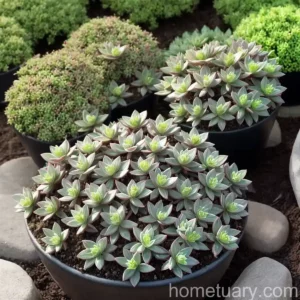
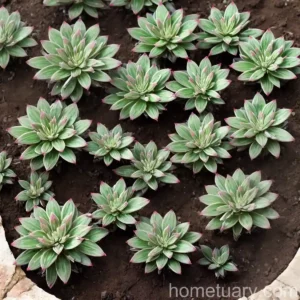
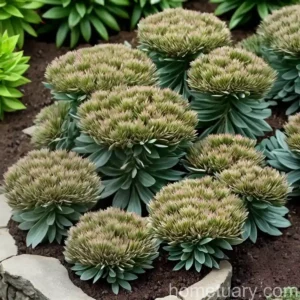
Caucasian Stonecrop (Sedum spurium ‘Bronze Carpet’) is a low-growing perennial plant that belongs to the family Crassulaceae. It is known for its beautiful bronze-red foliage and its low-maintenance attributes, making it a popular choice for both novice and experienced gardeners. This attractive plant originates from Europe and has successfully made its way into gardens and landscapes across various regions.
Key Takeaways – Caucasian Stonecrop (Sedum spurium ‘Bronze Carpet’)
The Caucasian Stonecrop (Sedum spurium ‘Bronze Carpet’) is celebrated for its astonishing characteristics and versatility. Some key takeaways include:
- Versatile uses, such as ground cover and container plantings
- Tolerates various soil types and is extremely drought-tolerant
- Thrives in full sun and requires minimal maintenance
- Attracts pollinators and serves as an ideal plant choice for butterfly and rock gardens
- Resistant to most diseases and pests
Now, let’s delve deeper into the various aspects of the Caucasian Stonecrop, including its culture, uses, care requirements, propagation, common diseases, and much more.
Culture
The culture of Caucasian Stonecrop is relatively easy, making it suitable for various gardening applications. This plant tends to spread and form a dense mat, providing an excellent ground cover in the landscape.
Uses
-
Ground Cover: With its low-growing, mat-forming nature, Caucasian Stonecrop is widely used as a ground cover in gardens and landscapes. This application is particularly popular for areas where traditional turfgrass struggles to thrive, such as in rocky or uneven terrain.
-
Container Planting: The low-maintenance and visually appealing characteristics of Caucasian Stonecrop make it an excellent choice for container gardening. Whether in hanging baskets, pots, or other containers, this plant adds a touch of greenery to any outdoor space.
-
Rock Gardens: Given its ability to thrive in poor soil and rocky environments, Caucasian Stonecrop is a preferred choice for rock gardens. Its ability to cascade and provide interest at ground level makes it an ideal companion for other alpine and rock garden plants.
Water
Caucasian Stonecrop is highly drought-tolerant, making it an excellent choice for water-wise gardeners. Once established, it requires minimal irrigation, as it can withstand dry periods. However, in extreme heat or prolonged drought, occasional watering can help maintain its overall health and appearance.
Sunlight
For optimal growth and performance, Caucasian Stonecrop thrives in full sun. It’s essential to provide this plant with at least six to eight hours of direct sunlight per day. In regions with intense summer heat, some light afternoon shade can be beneficial to prevent leaf scorch.
Fertilizer
This plant is not particularly demanding when it comes to fertilization. A light application of a balanced, slow-release fertilizer in early spring can help promote healthy growth. However, excessive fertilization may cause the plant to become leggy and prone to flopping, so it’s best to apply fertilizers sparingly.
Soil
Caucasian Stonecrop is adaptable to various soil types, including poor, rocky, or sandy soils. It prefers well-draining soil and is tolerant of slightly acidic to slightly alkaline conditions. Having good drainage is crucial to prevent waterlogged soil, as this can lead to root rot and other issues.
Pruning
One of the appealing attributes of Caucasian Stonecrop is its minimal pruning requirements. While deadheading spent flowers can encourage a tidier appearance and stimulate new blooms, this task is optional and not crucial to the overall health of the plant.
Propagation
Caucasian Stonecrop can be easily propagated through division, stem cuttings, or by collecting and sowing its seeds. Each method has its advantages and can be utilized based on the gardener’s preferences and the available plant material.
-
Division: During the active growing season, mature clumps of Caucasian Stonecrop can be divided into smaller sections. These divided sections can then be replanted in new locations to establish additional plants.
-
Stem Cuttings: Stem cuttings taken in spring or early summer can be rooted to produce new plants. It’s best to select healthy, non-flowering stems for this purpose and to place the cuttings in a well-draining rooting medium.
-
Seeds: Collecting and sowing the seeds of Caucasian Stonecrop can also be a successful propagation method. The seeds should be sown in a prepared seedbed and kept moist until germination occurs.
Container Popularity
The versatility and adaptability of Caucasian Stonecrop make it a popular choice for container gardening. Whether planted alone in a container or combined with other low-maintenance perennials, this plant adds visual interest to patios, balconies, and other outdoor living spaces.
Common Diseases
Caucasian Stonecrop is generally resistant to most diseases. However, like all plants, it may be susceptible to certain issues under unfavorable growing conditions or in the presence of stress factors. Some common diseases to watch for include:
-
Powdery Mildew: Under conditions of high humidity or poor air circulation, powdery mildew can occur. This fungal disease manifests as a white powdery coating on the leaf surfaces.
-
Root Rot: Overly wet soil or poor drainage can lead to root rot, which is characterized by wilting, yellowing foliage, and overall decline of the plant.
-
Crown Rot: Excessive moisture at the crown of the plant can lead to crown rot, which presents as rotting or browning of the stem base and lower leaves.
Disease Diagnosis
Proper care and maintenance practices, including avoiding overwatering and providing adequate air circulation, can help prevent many common diseases. If disease symptoms do appear, it’s essential to diagnose the issue accurately before implementing any treatments. In some cases, adjusting cultural practices and environmental conditions may eliminate the problem without the need for chemical interventions.
Common Pests
Caucasian Stonecrop is relatively resistant to pest infestations. However, certain pests may occasionally pose a threat to its health and appearance. Some of the common pests to be mindful of include:
-
Aphids: These small, soft-bodied insects may target the new growth and undersides of the foliage, causing distortion and stunted growth.
-
Mealybugs: Mealybugs can cluster on the stems and leaves, feeding on the plant sap and leaving behind a sticky substance known as honeydew.
-
Scale Insects: Scale insects may appear as small, waxy bumps on the plant’s surface, potentially causing yellowing of the foliage and overall decline if left untreated.
Botanist’s Tips
Here are some additional tips from botanists and seasoned gardeners to help you successfully grow and care for Caucasian Stonecrop:
-
Well-Draining Soil: Ensure that the planting site or container has well-draining soil to prevent waterlogged conditions, which can jeopardize the plant’s health.
-
Avoid Excessive Fertilization: Refrain from heavy fertilization, as it can lead to excessive, lush growth that may compromise the plant’s natural form and resilience.
-
Monitor Moisture Levels: While tolerant of dry conditions, it’s still crucial to monitor soil moisture and water the plant during prolonged periods of drought to prevent stress.
-
Provide Air Circulation: In areas prone to humidity, ensure adequate air circulation around the plant to reduce the risk of foliar diseases.
-
Choose a Suitable Location: When selecting a planting site, consider the plant’s need for full sun and well-draining soil to promote optimal growth and vigor.
Fun Facts
-
Winter Interest: In colder climates, the foliage of Caucasian Stonecrop often turns shades of red, providing visual interest in winter landscapes.
-
Attracts Pollinators: The small, star-shaped flowers of Caucasian Stonecrop attract pollinators such as bees and butterflies, adding ecological value to the garden.
-
Resilient Nature: This plant’s ability to thrive in challenging conditions, such as poor soil and drought, showcases its resilience and adaptability.
Links to External Resources
For further information and resources about Caucasian Stonecrop (Sedum spurium ‘Bronze Carpet’), consider exploring the following links:
- The Royal Horticultural Society (RHS) – Sedum spurium ‘Bronze Carpet’
- University of Florida IFAS Extension – Sedum for Florida Landscapes
- Missouri Botanical Garden – Sedum spurium ‘Bronze Carpet’
- North Carolina State University Extension – Ground Cover Plants
- The Spruce – Sedum spurium ‘Bronze Carpet’: 12 Varieties for Your Garden
By exploring these resources, you can gain a deeper understanding of this beautiful plant and its cultivation best practices.
In conclusion, Caucasian Stonecrop (Sedum spurium ‘Bronze Carpet’) is a remarkable plant that offers multiple benefits and minimal maintenance. Its adaptability to various growing conditions, including poor soils and dry environments, makes it a go-to choice for individuals seeking resilient and visually appealing landscaping options. Whether used as a ground cover, a container plant, or an element of rock gardens, this versatile plant adds beauty and functionality to outdoor spaces. By following the care tips and recommendations provided, you can successfully cultivate and enjoy the remarkable attributes of the Caucasian Stonecrop in your own garden or landscape.