Understanding the Catawba Rhododendron: Rhododendron Catawbiense ‘Roseum Superbum’
When it comes to enhancing the beauty of a garden or landscape, few plants can rival the stunning appeal of the rhododendron. With its vivid and abundant blooms, these perennial shrubs have captured the hearts of gardeners and nature enthusiasts for centuries. Among the diverse range of rhododendron species, the Catawba Rhododendron (Rhododendron Catawbiense ‘Roseum Superbum’) stands out as an exceptional choice for both amateur and experienced gardeners.
In this comprehensive guide, we will delve into the diverse aspects of the Catawba Rhododendron. From its cultivation and care to its use in landscaping and its unique characteristics, we will explore the intricacies of this remarkable plant. Let’s embark on an enlightening journey through the world of the Catawba Rhododendron, uncovering its beauty and uncovering the secrets of its successful cultivation.
What is the Catawba Rhododendron?
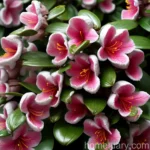
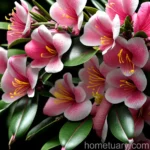
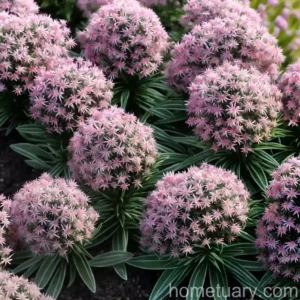
The Catawba Rhododendron, scientifically known as Rhododendron Catawbiense ‘Roseum Superbum’, is a flowering evergreen shrub that belongs to the family Ericaceae. It is a cultivar of the species Rhododendron Catawbiense, which is native to the Appalachian Mountains in the eastern United States. This particular cultivar is celebrated for its striking pink flowers and its hardy nature, making it a popular choice for gardens and landscapes in various regions.
Key Takeaways
Before delving into the detailed aspects of the Catawba Rhododendron, let’s take a quick look at the key takeaways of this remarkable plant:
-
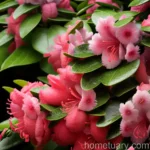
Catawba Rhododendron Flowers: Known for its vivid pink blooms, the Catawba Rhododendron adds a splash of color to gardens and landscapes, particularly in the spring season.
-
Rhododendron Catawbiense Cultivars: The Catawba Rhododendron is a specific cultivar of Rhododendron Catawbiense, showcasing unique characteristics that set it apart from other cultivars.
-
Best Rhododendron Varieties for Gardens: Due to its exceptional beauty and adaptability, the Catawba Rhododendron is considered one of the best varieties for garden landscapes.
-
Growing Catawba Rhododendron: Understanding the specific requirements of the Catawba Rhododendron is essential for successful cultivation and optimal growth.
-
Tips for Caring for Catawba Rhododendron: Proper care and maintenance play a crucial role in ensuring the health and vigor of this beautiful flowering shrub.
Let’s now delve deeper into the diverse aspects of the Catawba Rhododendron, understanding its culture, unique characteristics, and the best practices for its cultivation and care.
Culture of the Catawba Rhododendron
Cultivating the Catawba Rhododendron requires an understanding of its specific cultural requirements, including aspects such as water, sunlight, soil, and fertilization. By providing the ideal growing conditions, gardeners can ensure that this remarkable flowering shrub thrives and displays its iconic beauty to the fullest.
Water
Proper watering is essential for the health and vitality of the Catawba Rhododendron. While these plants require moist soil, they are vulnerable to root rot if they are overwatered. It is crucial to strike a balance, ensuring that the soil is consistently moist but not waterlogged. During dry periods, regular watering is essential, particularly for newly planted shrubs that have not yet established an extensive root system.
Sunlight
In terms of sunlight requirements, the Catawba Rhododendron thrives in partial shade to full shade. In its natural habitat, this species often grows under the canopy of trees, receiving dappled sunlight and protection from intense heat. When planting the Catawba Rhododendron, it is essential to select a location that provides adequate shade, particularly during the hottest hours of the day, to prevent sunscald and wilting of the foliage.
Fertilizer
Appropriate fertilization is essential for promoting vigorous growth and abundant flowering in the Catawba Rhododendron. A balanced, slow-release fertilizer formulated for acid-loving plants is ideal for these shrubs. Fertilization should be done in early spring before new growth emerges, ensuring that the plant has access to essential nutrients as it enters its active growing phase. Care should be taken to avoid excessive fertilization, as this can lead to salt buildup in the soil and cause damage to the rhododendron’s delicate roots.
Soil
The Catawba Rhododendron thrives in well-draining, acidic soil with a pH ranging from 4.5 to 6.0. The soil should be rich in organic matter and have excellent moisture retention capabilities. When planting or transplanting these shrubs, it is advisable to amend the soil with peat moss, compost, or pine bark to create a favorable growing environment. Additionally, incorporating organic mulch around the base of the plant can help maintain soil moisture and suppress weed growth.
Pruning
Pruning is an important aspect of maintaining the health and aesthetic appeal of the Catawba Rhododendron. Regular pruning can help control the plant’s size, shape, and density, as well as promote the formation of new growth and flowers. The best time to prune these shrubs is immediately after the flowering period, as this allows ample time for the development of flower buds for the following year. Care should be taken to remove dead or diseased branches, as well as any crossing or congested stems. Pruning shears should be sanitized before use to prevent the spread of diseases.
Propagation
Propagating the Catawba Rhododendron can be achieved through several methods, including layering, cuttings, and seed propagation. Layering involves inducing roots to form on a branch while it is still attached to the parent plant, after which it can be separated and transplanted. Softwood cuttings taken in early summer can be rooted in a suitable medium to produce new plants. While seed propagation is also an option, it is a time-consuming process, and it may take several years for the plants to reach maturity and produce flowers.
Container Popularity
The Catawba Rhododendron is well-suited for container cultivation, particularly for gardeners with limited space or those looking to add a striking focal point to their outdoor living areas. When grown in containers, these shrubs require well-draining, acidic potting mix and regular watering to maintain soil moisture levels. Additionally, they should be provided with partial shade and protection from intense sunlight to prevent stress and wilting. Container-grown Catawba Rhododendrons can add a touch of elegance to patios, decks, and porches, creating a vibrant display of pink blooms in the spring season.
Container Common Diseases
As with in-ground plantings, container-grown Catawba Rhododendrons are susceptible to specific diseases that can affect their health and vitality. Key diseases that commonly impact these shrubs in container cultivation include Phytophthora root rot, powdery mildew, and leaf spot diseases. Proper watering practices and adequate air circulation are essential for reducing the risk of these diseases in container-grown plants.
Disease Diagnosis
Diagnosing and addressing diseases in the Catawba Rhododendron require careful observation and prompt intervention. Common symptoms of diseases in these shrubs include wilting, leaf discoloration, spots or lesions on the foliage, and overall stunted growth. Upon noticing any unusual signs, it is essential to conduct a thorough examination of the plant and, if possible, consult with a plant pathologist or horticulturist to obtain an accurate diagnosis. Implementing appropriate management strategies, such as adjusting watering practices, improving air circulation, and applying targeted fungicides, can help mitigate the impact of diseases and preserve the health of the Catawba Rhododendron.
Common Pests
In addition to diseases, the Catawba Rhododendron can also be susceptible to various pests that can compromise its health and vigor. Common pests that affect these shrubs include aphids, spider mites, scale insects, and caterpillars. Regular monitoring of the plants, particularly the undersides of the leaves and the terminal growth, can help detect pest infestations early, allowing for prompt intervention. Natural predators and beneficial insects can also play a role in controlling pest populations, providing a sustainable means of pest management in garden and landscape settings.
Botanist’s Tips
To ensure the successful cultivation and care of the Catawba Rhododendron, it is essential to heed the following tips from botanists and horticultural experts:
-
Selecting the Right Site: Choose a location with well-draining, acidic soil and partial to full shade to create an optimal growing environment for the Catawba Rhododendron.
-
Understanding Watering Needs: Maintain consistent soil moisture without overwatering, particularly during dry periods, to support the health and vitality of the shrub.
-
Proper Pruning Techniques: Employ strategic pruning after the flowering period to promote new growth and maintain the desired shape and size of the shrub.
-
Fertilization Best Practices: Use a balanced, slow-release fertilizer designed for acid-loving plants and apply it in early spring to provide essential nutrients for vigorous growth and prolific flowering.
-
Vigilant Pest and Disease Monitoring: Regularly inspect the plants for signs of pests and diseases, intervening promptly to prevent widespread damage and preserve plant health.
Fun Facts
Before delving into additional aspects of the Catawba Rhododendron, let’s uncover some fun and interesting facts about these remarkable flowering shrubs:
-
The Catawba Rhododendron is named after the Catawba River in the southeastern United States, where it was first discovered and documented.
-
These evergreen shrubs are cherished for their dense foliage and profusion of blooms, making them a popular choice for adding color and texture to shaded areas.
-
The vibrant pink flowers of the Catawba Rhododendron are a symbol of renewal and beauty, marking the arrival of the spring season with their stunning display.
-
In addition to their ornamental value, the Catawba Rhododendron plays a crucial ecological role in providing nectar and pollen for bees, butterflies, and other pollinators.
-
A mature Catawba Rhododendron can produce an impressive display of flowers, adorning the landscape with clusters of blooms that captivate the senses and inspire admiration for the wonders of nature.
Links to External Resources
For further exploration of the Catawba Rhododendron and its diverse aspects, the following external resources can provide valuable insights and information:
-
American Rhododendron Society: The official website of the American Rhododendron Society offers a wealth of resources on rhododendrons, including cultivation guides, plant profiles, and information on regional rhododendron societies.
-
Royal Horticultural Society – Rhododendrons and Azaleas: The Royal Horticultural Society provides detailed guidance on growing and caring for rhododendrons and azaleas, offering expert advice on cultivation practices and plant selection.
-
USDA Plant Database: The United States Department of Agriculture’s plant database offers comprehensive botanical information on the Catawba Rhododendron and other native plants, including distribution maps and ecological attributes.
-
North Carolina Extension Gardener Plant Toolbox: The North Carolina Extension Gardener Plant Toolbox provides in-depth information on Rhododendron Catawbiense, including its cultural requirements, landscape uses, and tips for successful cultivation.
-
Missouri Botanical Garden – Plant Finder: The Plant Finder tool from the Missouri Botanical Garden allows users to explore a vast collection of plant profiles, including detailed information on the cultivation and care of rhododendrons.
In conclusion, the Catawba Rhododendron (Rhododendron Catawbiense ‘Roseum Superbum’) stands as a testament to the captivating beauty and enduring appeal of rhododendron species. With its vibrant pink blooms, hardy nature, and exceptional adaptability, this flowering shrub has found a cherished place in gardens, landscapes, and natural settings. By understanding its culture, unique characteristics, and best practices for cultivation and care, gardeners can unlock the full potential of the Catawba Rhododendron, creating a striking display of beauty and elegance in outdoor spaces.
This article was written for educational and informational purposes only. Always consult a professional horticulturist or botanist for specific guidance on the cultivation and care of plants.