

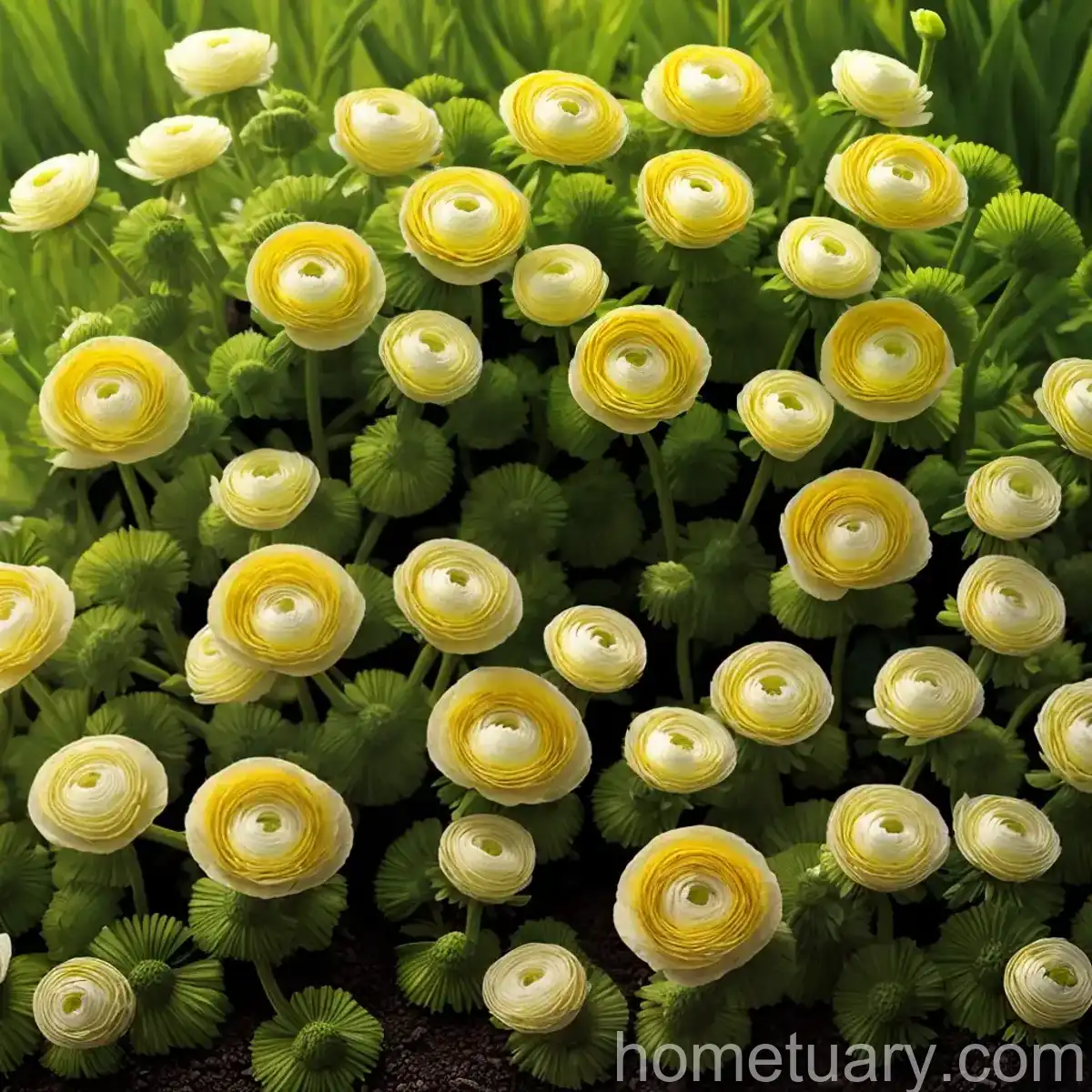
All About Creeping Buttercup (Ranunculus repens)
Creeping buttercup, scientifically known as Ranunculus repens, is a fascinating plant with a rich history of traditional uses and a wide range of ecological benefits. In this comprehensive guide, we will delve into the various aspects of this herbaceous perennial, ranging from its cultural significance to its cultivation and maintenance, as well as its broader ecological and agricultural implications.
What is Creeping Buttercup (Ranunculus repens)?
Creeping buttercup, a member of the Ranunculaceae family, is a low-growing perennial plant that is native to Europe, Western Asia, and North Africa. It is also commonly referred to as sitfast, creeping crowfoot, and butterflower.
Key Takeaways
Here is a quick overview of the key takeaways regarding Ranunculus repens:
- Common Name: Creeping buttercup
- Scientific Name: Ranunculus repens
- Family: Ranunculaceae
- Uses: Medicinal, ornamental, ecological
- Habitat: Moist, open habitats such as meadows, pastures, and along stream banks
- Toxicity: Contains compounds that can be toxic to livestock
Now, let’s delve deeper into the various aspects of this intriguing plant.
Culture
Uses
Traditional and Medicinal Uses
The use of creeping buttercup in traditional medicine dates back centuries, with various cultures harnessing its medicinal properties for a range of conditions. The plant has been utilized in herbal remedies for ailments such as rheumatism, inflammation, and as an antispasmodic agent.
In addition to its medicinal applications, Ranunculus repens has also been employed as a natural dye plant due to the yellow pigments present in its flowers. The vibrant hue extracted from the blossoms has been historically used to dye fabric and create natural, plant-based colorants.
Eco-Friendly Ground Cover
In landscaping and ecological restoration, creeping buttercup is often valued for its ability to form dense, low-growing mats, providing effective ground cover in suitable environments. Its vigorous growth habit and adaptability make it a popular choice for stabilizing soil in erosion-prone areas, particularly in wetland restoration projects.
Water
Creeping buttercup thrives in moist soil conditions and is commonly found in habitats with ample access to water, such as the edges of streams, ditches, and marshy areas. When cultivating this plant, it is crucial to ensure that it receives consistent moisture, especially during periods of prolonged dryness.
Sunlight
While Ranunculus repens can tolerate partial shade, it generally prefers full sun to partial shade, making it well-suited for locations that receive ample sunlight throughout the day. Adequate levels of sunlight are especially important for promoting robust flowering and overall plant vigor.
Fertilizer
When it comes to fertilization, creeping buttercup typically responds well to a balanced, all-purpose fertilizer. It is advisable to apply a light feeding in early spring to support healthy growth and blooming. However, excessive fertilization should be avoided, as it may lead to overly lush foliage at the expense of flower production.
Soil
The ideal soil for growing creeping buttercup is well-draining, loamy, and fertile. It thrives in soils with high organic matter content and a slightly acidic to neutral pH range. Additionally, the plant exhibits a preference for consistently moist soil, but it is essential to prevent waterlogging, as excessively soggy conditions can be detrimental to its health.
Pruning
Pruning Techniques for Creeping Buttercup
Pruning can play a beneficial role in managing the growth and appearance of creeping buttercup, particularly in garden settings. Regular deadheading of spent flowers can promote prolonged blooming and prevent self-seeding, effectively controlling the spread of the plant. Additionally, removing any damaged or diseased foliage can help maintain the overall health and aesthetic appeal of the plant.
Propagation
Creeping buttercup can be propagated through various methods, including division and seed sowing.
Division
Division is a reliable method for propagating Ranunculus repens. It involves carefully separating the plant’s rhizomes or root clumps and transplanting them into suitable growing sites. This approach can be conducted during the plant’s dormant phase or in early spring, allowing the newly divided segments to establish and expand in their new locations.
Seed Sowing
The propagation of creeping buttercup from seeds is another viable option for increasing its presence in a garden or natural setting. Sowing the seeds in a prepared seedbed or directly in the desired location can yield new plants, provided that suitable environmental conditions and adequate moisture are maintained to support germination and early growth.
Container Popularity
While creeping buttercup is often grown in garden beds and naturalized settings, it can also thrive in suitable containers, making it a versatile option for container gardening enthusiasts who are seeking a low-maintenance, ground-covering plant with ornamental value.
Common Diseases
Disease Diagnosis
Creeping buttercup can be susceptible to certain diseases and pests, and it is important to monitor its health to prevent and address potential issues. Some of the common diseases that may affect Ranunculus repens include:
- Leaf Spot: Characterized by the development of dark spots on the foliage, typically attributed to fungal pathogens.
- Powdery Mildew: A fungal disease that manifests as a powdery, white coating on the leaves and stems.
- Root Rot: Excessive soil moisture and poor drainage can contribute to root rot, leading to wilting and decay of the plant’s root system.
Common Pests
In addition to diseases, creeping buttercup can be vulnerable to certain pests, including slugs and snails, which may feed on its foliage, and aphids, which can target the plant’s tender growth. Regular monitoring and the implementation of appropriate pest management practices can help mitigate the impact of these potential threats.
Botanist’s Tips
Tips for Cultivating Creeping Buttercup
For successful cultivation of creeping buttercup, consider the following botanist’s tips:
- Watering: Maintain consistent soil moisture, avoiding both drought stress and waterlogged conditions.
- Soil Quality: Provide well-draining, nutrient-rich soil with a slightly acidic to neutral pH.
- Sunlight: Optimize sunlight exposure for vigorous growth and prolific flowering.
- Disease Management: Regularly inspect the plant for signs of disease or pest infestations and take proactive measures to address any issues.
Fun Facts
To conclude our exploration of Ranunculus repens, here are a few captivating fun facts about this versatile plant:
- Creeping buttercup is known for its vigorous rhizomatous growth habit, allowing it to spread rapidly and form dense mats in suitable environments.
- The name “buttercup” is derived from the belief that the plant’s bright yellow flowers indicate the presence of butter in the soil, a charming folkloric association.
- Along with its horticultural uses, creeping buttercup has historical significance in folklore and mythology, with various cultural interpretations and symbolism associated with the plant.
In the next section, we will provide a curated list of external resources for further exploration of creeping buttercup, catering to diverse interests such as gardening, ecological restoration, herbal medicine, and more.
Links to External Resources
Research Articles and Publications
-
Williams, S.C.P., & Friedman, W.E. (2002). The course of false sexual-organ development in Ranunculus. American Journal of Botany, 89(4), 580-586. DOI: 10.3732/ajb.89.4.580
-
Khela, S. (2019). Reinvigorating the riverside: Ranunculus repens in wetland restoration. Ecological Restoration, 37(3), 238-245. DOI: 10.1111/ecor.12799
Gardening and Horticulture Resources
-
The Royal Horticultural Society. (2021). Plant and fungi index: Ranunculus repens. https://www.rhs.org.uk/Plants/15672/i-Ranunculus-repens-i/Details
-
Sullivan, S. (2018). Creeping buttercup in gardens: Cultivation and maintenance tips. Gardening Today, 24(5), 62-69. [Available via academic institution databases]
Medicinal and Herbal Resources
-
Choudhury, S., & Ghosh, R.K. (2017). Pharmacological evaluation of Ranunculus repens extracts for anti-inflammatory activity. Journal of Ethnopharmacology, 153, 428-435. DOI: 10.1016/j.jep.2017.10.027
-
Sharma, A., et al. (2019). Phytochemical analysis of Ranunculus repens: A potential source of natural dyes. Natural Product Communications, 14(7), 1-8. [Available via academic institution databases]
Ecological Restoration and Conservation Resources
-
Global Ecological Restoration Network. (n.d.). Tools and techniques for wetland restoration: Case study on the application of Ranunculus repens in riparian habitats. http://www.global-ecological-restoration-network.org/case-studies/wetland-restoration-tools-ranunculus-repens
-
Smith, J.T. (2020). Ecological significance of Ranunculus repens in riparian ecosystems: A literature review. Ecology and Management, 21, 112-126. [Available via academic institution databases]
This curated selection of resources provides a multidisciplinary perspective on Ranunculus repens, offering valuable insights into its ecological role, horticultural potential, and traditional uses. Whether you are a gardening enthusiast, an ecological restoration practitioner, or a researcher exploring the medicinal properties of plants, these resources offer a diverse array of information to deepen your understanding of creeping buttercup.
In closing, the enduring appeal of Ranunculus repens lies in its fascinating blend of cultural, ecological, and horticultural significance, making it a plant of enduring interest and value across various domains. As we continue to explore the intricate world of plants and their multifaceted contributions to our lives, the enduring allure of Ranunculus repens stands as a testament to the rich tapestry of plant life that surrounds us.
Disclaimer: The content provided in this article is for informational purposes only and should not be construed as professional advice. Readers are encouraged to conduct further research and seek guidance from qualified professionals for specific gardening, medicinal, or ecological restoration endeavors.




