Understanding the Catawba Rhododendron (Rhododendron ‘Catawbiense Album’)
Introduction to Rhododendron ‘Catawbiense Album’
The Catawba Rhododendron, scientifically known as Rhododendron ‘Catawbiense Album’, is a stunning flowering plant that belongs to the family Ericaceae. This evergreen shrub is cherished for its spectacular white flowers, which bloom profusely in late spring, adding a touch of elegance to gardens and landscapes. Rhododendron ‘Catawbiense Album’ offers not only a visually appealing display but also possesses unique characteristics and requirements that make it a fascinating subject for horticulturists and gardening enthusiasts.
In this comprehensive guide, we will delve into the intricate details of the Catawba Rhododendron, exploring its cultural requirements, uses, tolerance to water and sunlight, fertilization needs, soil preferences, pruning techniques, propagation methods, diseases, common pests, and much more. By understanding its characteristics and specific needs, you can foster an environment that allows this beautiful rhododendron to thrive.
Key Takeaways – Catawba Rhododendron (Rhododendron ‘Catawbiense Album’)
Culture of Catawba Rhododendron
The culture of Rhododendron ‘Catawbiense Album’ encompasses a range of practices that are essential for its optimal growth and development. These cultural aspects include its water requirements, sunlight preferences, fertilizer needs, soil conditions, pruning techniques, and propagation methods. By understanding and implementing these cultural practices, you can ensure that the Catawba Rhododendron flourishes in your garden or landscape.
Uses of Catawba Rhododendron
The uses of Rhododendron ‘Catawbiense Album’ are multifaceted, ranging from its ornamental value as a flowering shrub to its potential in landscaping and its ecological significance. Understanding the various uses of this rhododendron species can help you make informed decisions regarding its placement and integration into different settings.
Water, Sunlight, and Fertilizer Requirements
Understanding the specific water, sunlight, and fertilizer requirements of the Catawba Rhododendron is crucial for creating an environment that supports its growth and ensures its vibrancy. By providing the right balance of water, sunlight, and nutrients, you can promote the health and vigor of this remarkable shrub.
Soil Preferences and Pruning Techniques
The soil preferences of Rhododendron ‘Catawbiense Album’ play a significant role in its overall well-being, while the application of suitable pruning techniques is essential for maintaining its shape and promoting optimal flower production. By addressing soil requirements and employing appropriate pruning methods, you can contribute to the long-term success of this beautiful rhododendron.
Propagation, Container Gardening, and Popularity
The propagation methods of the Catawba Rhododendron, its potential for container gardening, and its popularity within horticultural circles are all important aspects to explore as they shed light on the versatility and desirability of this remarkable plant. By understanding these factors, you can appreciate the various ways in which the Catawba Rhododendron can be integrated into different gardening and horticultural contexts.
Common Diseases, Pests, and Botanist’s Tips
Awareness of the common diseases and pests that can affect the Catawba Rhododendron, along with valuable tips from botanists, can aid in the prevention and management of these issues, contributing to the sustained health and vigor of this plant.
Fun Facts and External Resources
Uncovering fun and intriguing facts about the Catawba Rhododendron, as well as providing access to external resources for further exploration, enriches the overall understanding and appreciation of this captivating plant.
Now, let’s embark on an in-depth exploration of the various facets of the Catawba Rhododendron, gaining valuable insights into its characteristics, care requirements, and its unique contributions to the world of horticulture.
Cultivating the Catawba Rhododendron
What Is the Catawba Rhododendron?
The Catawba Rhododendron, a variety of the species Rhododendron catawbiense, is renowned for its lush foliage and breathtaking, showy white flowers. This evergreen shrub typically attains a height of 6 to 8 feet, with a similar spread, making it an attractive and substantial addition to garden landscapes. The Catawba Rhododendron is prized for its profuse blooming, usually occurring in late spring to early summer, and its ability to thrive in a partial shade to full sun environment, under the right conditions.
Rhododendron ‘Catawbiense Album’ – A Sight to Behold
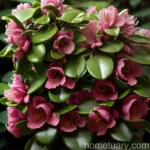
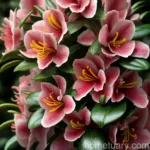
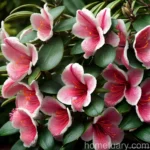
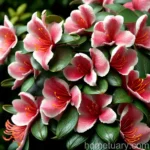
Rhododendron ‘Catawbiense Album’ exhibits a distinctive growth habit, with its glossy, dark green leaves providing a striking backdrop to the clusters of pristine white flowers it produces. These delightful flowers, with their alluring fragrance and pristine beauty, are a significant attraction for gardeners seeking to enhance the visual appeal of their outdoor spaces. The Catawba Rhododendron, with its elegant and pristine appearance, holds a special place in the realm of ornamental plants for its ability to captivate and inspire.
Culture of the Catawba Rhododendron
Cultural practices are foundational for nurturing healthy and vibrant plants. When it comes to the Catawba Rhododendron, understanding its cultural requirements is essential for ensuring its overall well-being and the longevity of its beauty. Let’s delve into the various aspects of the cultural requirements of this remarkable plant, including its water, sunlight, and fertilizer needs, as well as its soil preferences, pruning techniques, and propagation methods.
Water: Providing Essential Moisture
Water is a vital resource for the Catawba Rhododendron, and striking the right balance in watering practices is essential for its optimal growth and development. While this rhododendron variety demonstrates a preference for moist, well-drained soils, it is important to avoid waterlogged conditions, which can lead to root rot and other detrimental effects on plant health. Understanding the moisture requirements of Rhododendron ‘Catawbiense Album’ is critical for maintaining its vigor and promoting robust flowering.
-
Water Requirements: This evergreen shrub benefits from regular watering, particularly during dry periods or when grown in containers. However, overwatering should be avoided to prevent root damage and related complications.
-
Irrigation Frequency: As a general guideline, a consistent watering schedule, ensuring that the soil remains evenly moist but not waterlogged, is advisable for the Catawba Rhododendron. Additionally, providing ample water during periods of drought or intense heat can help sustain the plant’s vitality and floral display.
Sunlight: Embracing Light Conditions
The Catawba Rhododendron exhibits a versatile nature when it comes to sunlight requirements, demonstrating its adaptability to different light conditions. Understanding the plant’s preferences for light exposure is crucial for determining its ideal placement within your garden or landscape, fostering an environment that caters to its needs and maximizes its ornamental value.
-
Sunlight Preferences: While the Catawba Rhododendron thrives in partial shade, it can also tolerate full sun under suitable conditions. Providing dappled sunlight or protection from intense midday sun can help preserve the plant’s foliage and promote vigorous blooming.
-
Shade Tolerance: This variety of Rhododendron catawbiense demonstrates good shade tolerance, making it well-suited for shaded or woodland settings where it can add a touch of elegance and tranquility to the surroundings.
-
Sun Exposure: Understanding the specific sunlight requirements of Rhododendron ‘Catawbiense Album’ enables gardeners to make informed decisions regarding its placement and integration into diverse outdoor environments.
Fertilizer: Nourishing Growth and Blooming
Fertilization plays a crucial role in supporting the growth and blooming of the Catawba Rhododendron, providing essential nutrients that contribute to its overall health and floral production. Understanding the fertilizer requirements of this rhododendron variety is fundamental for promoting robust growth and vibrant flowering.
-
Fertilizer Application: Applying a balanced, slow-release fertilizer designed for acid-loving plants in spring can help supply the necessary nutrients to the Catawba Rhododendron, facilitating healthy foliage and prolific blooming. Additionally, avoiding excessive fertilization is important to prevent adverse effects on the plant.
-
Nutrient Needs: The Catawba Rhododendron benefits from a fertilizer formulation with a balanced ratio of essential nutrients, including nitrogen, phosphorus, and potassium, tailored to the specific requirements of acid-loving plants such as rhododendrons.
Soil: Creating an Optimal Growing Medium
The soil preferences of the Catawba Rhododendron are integral to its well-being, as they directly influence its ability to establish strong roots, uptake essential nutrients, and thrive in its environment. Understanding and addressing the specific soil requirements of Rhododendron ‘Catawbiense Album’ are essential for creating an optimal growing medium that supports its vigor and longevity.
-
Soil Type: Acidic, well-drained soils with a pH level in the range of 5.0 to 5.5 provide an ideal foundation for the growth and development of the Catawba Rhododendron. Amending the soil with organic matter can help enhance its texture and nutrient content, creating a hospitable environment for the plant.
-
Soil Drainage: Ensuring good soil drainage is crucial for preventing waterlogging and root rot, as the Catawba Rhododendron thrives in moist but well-aerated soil conditions. Implementing measures to improve soil drainage, particularly in heavy or compacted soils, can contribute to the plant’s overall health.
Pruning Techniques: Shaping and Stimulating Growth
Pruning serves as an important horticultural practice for managing the shape, size, and flowering potential of the Catawba Rhododendron, contributing to its overall aesthetic appeal and vitality. Understanding and implementing suitable pruning techniques are essential for maintaining the plant’s form and promoting abundant blooming.
-
Pruning Timing: Pruning the Catawba Rhododendron immediately after flowering allows for the removal of spent flower clusters and the shaping of the plant, promoting a neat and attractive appearance. Additionally, light pruning throughout the growing season can help control the plant’s growth and enhance its overall vigor.
-
Pruning Tools: The use of sharp, clean pruning tools, such as bypass pruners, enables precise and effective pruning of the Catawba Rhododendron, reducing the risk of damage to the plant and supporting its overall health.
Propagation of Rhododendron ‘Catawbiense Album’
The propagation of the Catawba Rhododendron through methods such as cuttings and layering offers an opportunity to expand the presence of this exquisite plant, creating new specimens that exhibit the same captivating traits and qualities. Exploring the various approaches to propagation and understanding the unique considerations associated with each method can enrich the diversity of Catawba Rhododendron populations.
Propagation by Cuttings: Cultivating New Plants
Propagation of the Catawba Rhododendron through cuttings involves the careful selection and treatment of stem sections to initiate root formation, leading to the establishment of new plants with identical characteristics to the parent plant. Understanding and following the key steps in the cutting propagation process are essential for achieving successful results.
-
Cutting Selection: Choosing healthy, non-flowering shoots for cutting propagation ensures the availability of suitable plant material for initiating new growth. Selecting sections with vigorous growth and firm stems contributes to the success of the propagation process.
-
Hormone Application: Treating the base of the cuttings with a rooting hormone promotes the formation of roots and enhances the overall success rate of the propagation process, enabling the cuttings to establish themselves as independent plants.
Propagation by Layering: Encouraging Root Development
Layering provides an alternative method for propagating the Catawba Rhododendron, involving the encouragement of roots to develop on a stem that remains attached to the parent plant until it is ready to be separated as an independent specimen. Understanding the process of layering and its potential for multiplying the presence of this rhododendron variety is valuable for expanding its reach.
-
Air Layering: This method involves creating a wound on a healthy stem, treating it with a rooting hormone, and then encasing the wounded area with a moist medium to encourage the formation of roots. Once roots have developed, the new plant can be separated and potted for further growth.
-
Ground Layering: Ground layering entails the bending of a flexible stem to the ground, where it is encouraged to produce roots while remaining attached to the parent plant. Once sufficient root development has occurred, the stem can be separated from the parent plant and transplanted.
Container Gardening and Popularity
The versatility of the Catawba Rhododendron extends to its suitability for container gardening, offering an opportunity to showcase its beauty and elegance in a more confined space. Additionally, the popularity and desirability of this rhododendron variety within horticultural circles reflect its intrinsic appeal and unique contributions to the world of ornamental plants.
Container Cultivation: Showcasing Elegance
Cultivating the Catawba Rhododendron in containers allows for its integration into various outdoor settings, such as patios, balconies, and small gardens, providing an opportunity to appreciate its striking foliage and exquisite white flowers in a more confined space. Understanding the considerations associated with container gardening helps ensure the successful growth and development of this rhododendron variety in such environments.
-
Container Selection: Choosing spacious, well-draining containers that accommodate the growth habit of the Catawba Rhododendron and provide ample room for root development is essential for successful container cultivation. Additionally, containers with adequate drainage holes promote good soil aeration and moisture management.
-
Soil Mix: Utilizing a well-draining, acidic soil mix formulated for acid-loving plants supports the growth and well-being of the Catawba Rhododendron in containers, providing essential nutrients and promoting healthy root development.
Popularity and Desirability: A Gardener’s Delight
The popularity and desirability of Rhododendron ‘Catawbiense Album’ within the realm of horticulture highlight its enchanting beauty, versatile nature, and unique contributions to the world of ornamental plants. Its appeal to gardeners seeking to enhance the visual appeal and vitality of their outdoor spaces underscores its significance as a sought-after plant variety.
-
Horticultural Significance: The discernible charm and elegance of the Catawba Rhododendron, coupled with its adaptability to diverse gardening contexts, contribute to its popularity and desirability among horticulturists and garden enthusiasts. Its widespread appeal reflects its status as a cherished and esteemed plant within the realm of ornamental horticulture.
-
Appreciating Versatility: Understanding the versatility of Rhododendron ‘Catawbiense Album’ in terms of its uses, cultural adaptability, and aesthetic appeal fosters an appreciation for its unique qualities and the myriad ways in which it can enrich and enliven outdoor environments.
Common Uses of Rhododendron ‘Catawbiense Album’
The Catawba Rhododendron offers diverse uses that span from its ornamental value as a flowering shrub to its potential in landscaping and its ecological significance. Understanding the multifaceted uses of this remarkable plant broadens the perspective on its applications and contributions within different contexts and settings.
Ornamental Value: A Floral Showcase
The stunning white flowers of the Catawba Rhododendron, coupled with its glossy, dark green foliage, render it a captivating ornamental specimen, adding a touch of elegance and refinement to gardens, parks, and other outdoor landscapes. Its ability to serve as a floral showcase enhances the visual appeal of its surroundings, making it a favored choice for ornamental horticulture.
-
Flowering Display: The profuse blooming of Rhododendron ‘Catawbiense Album’ in late spring to early summer presents a visually striking display, punctuating the landscape with clusters of pristine white flowers that capture the attention and admiration of onlookers.
-
Foliage Aesthetics: The glossy, dark green leaves of the Catawba Rhododendron contribute to its year-round appeal, providing a lush and vibrant backdrop to the pristine white flowers and enriching the overall aesthetic quality of the plant.
Landscaping Potential: Enhancing Outdoor Environments
The Catawba Rhododendron possesses notable landscaping potential, providing an avenue for integrating its refined beauty and versatile nature into diverse outdoor environments, including residential, commercial, and public spaces. Understanding its capacity to enhance landscapes broadens the scope of its applications and underscores its significance in the realm of landscaping.
-
Garden Inclusions: Incorporating Rhododendron ‘Catawbiense Album’ into garden beds, borders, and mixed plantings contributes to the overall design and visual impact of outdoor spaces, infusing them with an aura of elegance and natural grace.
-
Visual Focal Points: The striking appearance and vibrant presence of the Catawba Rhododendron contribute to its role as a visual focal point within landscapes, drawing attention and adding a sense of refinement to the surrounding scenery.
Ecological Significance: Supporting Biodiversity
The ecological significance of Rhododendron ‘Catawbiense Album’ extends to its role in supporting biodiversity and providing valuable resources for various organisms, highlighting its broader impact on the natural environment and ecosystem dynamics.
-
Wildlife Support: The nectar-rich flowers of the Catawba Rhododendron attract pollinators such as bees, butterflies, and hummingbirds, contributing to the provision of essential food sources for these beneficial creatures and bolstering local wildlife populations.
-
Environmental Integration: The integration of Rhododendron ‘Catawbiense Album’ into natural and cultivated landscapes facilitates its interaction with native flora and fauna, enhancing ecological diversity and promoting a dynamic and resilient environment.
Understanding the diverse uses of the Catawba Rhododendron provides insight into its value and relevance within the realms of ornamental horticulture, landscaping, and ecological stewardship, enriching the appreciation for its significance as a beloved and versatile plant variety.
Maintaining the Health of Rhododendron ‘Catawbiense Album’
Managing Water, Sunlight, and Nutritional Needs
Maintaining the health and vitality of the Catawba Rhododendron involves attentive management of its water, sunlight, and nutritional requirements, providing essential resources that support its growth and well-being. Integrating sound practices for watering, sunlight exposure, and fertilization contributes to the sustained health and vigor of this exquisite plant.
Water Management: Striking a Balance
The management of water for the Catawba Rhododendron centers on striking a balance between adequately providing moisture and avoiding waterlogged conditions that can compromise plant health. By adopting mindful watering practices, you can foster an environment that supports the overall well-being of this remarkable shrub.
-
Moisture Assessment: Monitoring soil moisture levels and responding to changes in weather conditions enables you to gauge the water needs of the Catawba Rhododendron, making adjustments as necessary to maintain a suitable level of soil moisture.
-
Avoiding Water Stress: Providing ample water during periods of drought or intense heat helps mitigate water stress for the