Camassia scilloides (Wild Hyacinth): A Plant Scientist’s Guide
Camassia scilloides, commonly known as Wild Hyacinth, is an enchanting flowering plant native to North America. As a plant scientist, I have studied and researched the fascinating characteristics and cultivation requirements of this beautiful plant. In this comprehensive guide, we will explore the description, care tips, habitat, propagation methods, ecological importance, and much more associated with Camassia scilloides.
What is Camassia scilloides?
Camassia scilloides, a member of the Asparagaceae family, is a perennial herbaceous plant that is renowned for its striking floral display. Its common names, including Wild Hyacinth, Atlantic camas, and Wild hyacinth, indicate its association with the hyacinth family and its natural habitat in the wild.
Camassia scilloides Description
The botanical description of Camassia scilloides provides insight into its physical characteristics:
- Height: Camassia scilloides typically grows to a height of 12 to 24 inches, showcasing elegant flower spikes that stand tall amidst the foliage.
- Leaves: The plant’s slender, grass-like leaves add to its aesthetic appeal, with a vibrant green color that complements the delicate flowers.
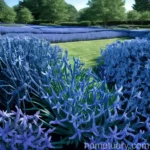
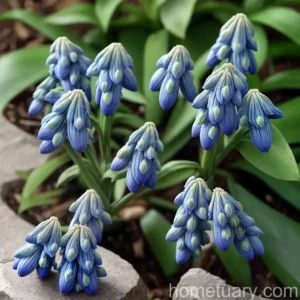
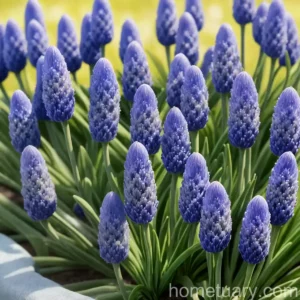
- Flowers: The star-shaped blooms of Camassia scilloides adorn the plant in spring, exhibiting hues of soft blue to lavender, captivating the attention of pollinators and garden enthusiasts alike.
- Bulbs: The plant develops from bulbs, which play a vital role in its propagation and growth cycle.
Key Takeaways – Camassia scilloides (Wild Hyacinth)
Before delving deeper into the specific aspects of Camassia scilloides, let’s outline key takeaways related to its culture, uses, and essential care requirements.
Culture
- Hardiness: Camassia scilloides thrives in USDA hardiness zones 3 to 8, adapting well to a range of climatic conditions.
- Companion Plants: It complements well with early spring bloomers like tulips, daffodils, and other woodland wildflowers.
- Adaptability: The plant exhibits versatility, equally at ease in wild meadows, woodland gardens, and naturalized landscapes.
Uses
- Ornamental Value: Camassia scilloides is prized for its ornamental beauty, often used to enhance the aesthetic appeal of gardens and natural landscapes.
- Ethnobotanical Significance: Historically, the bulbs of Camassia species were utilized as a food source by Native American tribes, highlighting their cultural and ethnobotanical importance.
Now, let’s delve into the detailed care tips for cultivating and nurturing Camassia scilloides to ensure its flourishing growth and abundant blooms.
Care Tips for Camassia scilloides
Having understood the fundamental aspects of Camassia scilloides, it’s essential to focus on specific care tips that are instrumental in promoting its well-being.
Water
- Hydration Needs: Camassia scilloides thrives in moist, well-drained soil conditions, particularly during its active growth periods.
- Established Plants: Once established, the plant exhibits moderate drought tolerance, requiring minimal supplemental watering in naturalized settings.
Sunlight
- Sun Exposure: Wild Hyacinth favors partial to full sunlight, thriving in locations that receive dappled shade or filtered sunlight during the day.
- Woodland Settings: Its adaptability to woodland settings positions it as an ideal candidate for gardens with shifting light patterns.
Fertilizer
- Minimal Requirements: Camassia scilloides does not necessitate heavy fertilization, thriving in organically rich soils with minimal intervention.
- Natural Mulching: Utilizing organic mulch aids in the retention of soil moisture, while also gradually enriching the soil as it decomposes.
Soil
- Well-Drained Soil: Ensuring well-drained soil is pivotal in preventing waterlogged conditions, which can be detrimental to the plant’s health.
- Soil pH: The plant thrives in neutral to slightly acidic soils, with pH levels ranging from 6.0 to 7.0.
Pruning
- Post-Bloom Care: Once the flowering season concludes, removing spent flower heads and maintaining overall plant tidiness enhances its appearance and redirects energy for bulb development.
Now that we have covered the essential care tips, it’s imperative to understand the propagation methods and container gardening aspects for Camassia scilloides.
Propagation and Container Gardening with Camassia scilloides
Understanding the propagation and container gardening potential of Camassia scilloides provides opportunities for expanding its presence in diverse garden settings and creating captivating displays.
Propagation Methods
- Bulb Division: Propagation through bulb division is a reliable method for expanding Camassia scilloides colonies, typically conducted during the plant’s dormant phase in late summer or early fall.
- Naturalizing: Allowing the plant to self-seed in favorable conditions encourages naturalization, fostering sustainable growth in established landscapes.
Container Gardening
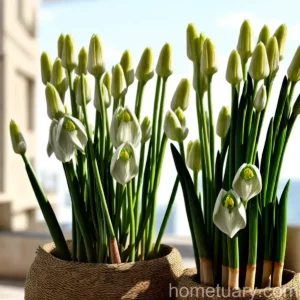
- Container Selection: Utilize spacious containers that facilitate bulb development and root expansion, enabling the plant to thrive in a confined environment.
- Drainage: Ensuring adequate drainage in containers is crucial, preventing waterlogged conditions that can compromise the plant’s health.
As we gain insight into the propagation and container gardening aspects, let’s explore the fascinating flowering season, habitat, and ecological importance of Camassia scilloides.
Flowering Season, Habitat, and Ecological Importance
Understanding the natural habitat and ecological significance of Camassia scilloides provides valuable insights into its native characteristics and interactions with the surrounding environment.
Flowering Season
- Spring Bloomer: Camassia scilloides graces gardens and natural landscapes with its enchanting blooms in early to mid-spring, heralding the arrival of the spring season with its vibrant floral display.
- Pollinator Attraction: The plant’s flowers attract a variety of pollinators, including bees and butterflies, contributing to the ecosystem’s biodiversity.
Habitat
- Native Range: Camassia scilloides is native to eastern North America, thriving in diverse habitats ranging from moist woodlands to meadow landscapes.
- Wetland Affinity: Its adaptability to wetland habitats positions it as a valuable component in wetland restoration and conservation projects.
Ecological Importance
- Wildlife Support: The plant plays a crucial role in supporting wildlife, providing nectar and habitat for pollinators, thereby contributing to ecosystem stability and health.
- Conservation Significance: Recognizing the plant’s ecological importance emphasizes the need for conservation efforts to safeguard its natural habitats and preserve its biodiversity.
Now that we have explored the ecological significance of Camassia scilloides, it’s essential to address common diseases, pest management strategies, and seasonal care considerations associated with the plant.
Disease and Pest Management, Seasonal Care for Camassia scilloides
Recognizing potential diseases and pest threats and implementing seasonal care protocols are essential aspects of ensuring the plant’s sustained health and vigor throughout the year.
Common Diseases
- Botrytis Blight: In excessively moist conditions, Camassia scilloides is susceptible to botrytis blight, characterized by the development of gray mold on foliage and flowers.
- Preventive Measures: Ensuring proper air circulation and avoiding overhead watering minimizes the risk of botrytis blight incidence.
Disease Diagnosis
- Visual Inspections: Regular monitoring for signs of fungal infections, leaf spots, or abnormal discoloration enables early detection and prompt intervention to prevent disease progression.
Common Pests
- Bulb Predators: Rodents, such as voles, pose a threat to the bulbs of Camassia scilloides, necessitating protective measures to prevent damage to the plant’s underground structures.
- Integrated Pest Management: Implementing a holistic approach, inclusive of natural predators and physical barriers, aids in managing pest populations effectively.
Botanist’s Tips
- Companion Planting: Interplanting with pest-repelling species, such as daffodils and alliums, complements pest management strategies while contributing to the overall garden diversity.
- Vigilant Monitoring: Regular monitoring for signs of pest activity and early intervention are instrumental in preserving the plant’s vitality and minimizing potential damage.
With an understanding of disease and pest management, let’s delve into the considerations for seasonal care and naturalizing Camassia scilloides in garden settings.
Seasonal Care, Naturalizing, and Garden Design Ideas
Implementing comprehensive seasonal care practices and strategies for naturalizing Camassia scilloides contributes to sustained plant health and vibrant displays within garden settings.
Pruning Techniques
- Post-Flowering Pruning: Following the conclusion of the flowering season, implementing post-flowering pruning involves removing spent flower stalks and maintaining overall plant tidiness, facilitating bulb maturation.
Naturalizing in the Garden
- Established Colonies: Allowing Camassia scilloides to naturalize in garden settings encourages the development of expansive colonies, creating captivating displays and enhancing overall landscape diversity.
- Ephemeral Enchantment: The plant’s ephemeral nature adds a sense of enchantment to naturalized landscapes, marking the arrival of spring with its transient yet captivating floral showcase.
Garden Design Ideas
- Woodland Gardens: Integrating Camassia scilloides within woodland garden settings, alongside companion shade-loving plants, imbues the landscape with a naturalistic charm and seasonal allure.
- Native Plant Displays: Utilizing Camassia scilloides in native plant displays highlights its ecological significance and promotes the preservation of native plant species within garden designs.
Conclusion
In conclusion, the exploration of Camassia scilloides (Wild Hyacinth) has provided valuable insights into its description, care tips, ecological importance, and garden applications. By embracing its natural beauty and understanding its diverse characteristics, we can appreciate the plant’s significance in horticulture, conservation, and ecological sustainability. From its springtime floral display to its historical significance and adaptations to diverse habitats, Camassia scilloides remains a captivating species worthy of admiration and preservation.
Fun Facts
- Cultural Significance: The bulbs of Camassia species were historically harvested and utilized as a food source by Native American tribes, reflecting their cultural and culinary significance.
- Ephemeral Elegance: The transient nature of Camassia scilloides’ blooms adds a sense of fleeting elegance to spring landscapes, captivating the imagination of garden enthusiasts.
- Wildlife Support: Camassia scilloides’ flowers attract a diverse array of pollinators, contributing to the ecological vibrancy and biodiversity of garden ecosystems.
As plant scientists and gardening enthusiasts, it is our collective responsibility to celebrate and conserve the natural splendor of plants like Camassia scilloides, ensuring that their timeless allure continues to enrich our landscapes and inspire generations to come.
References
- Ritchie, M. (2021). Camassia scilloides. North Carolina State University. Link
- Camassia scilloides. (2021). Lady Bird Johnson Wildflower Center. Link
- Camassia. (2021). The Plant List. Link
- Camassia scilloides. (2021). Missouri Botanical Garden. Link
- Camas. (2021). Britannica. Link
- Heaton, A. (2021). The many uses of camas. Minnesota Conservation Volunteer. Link
- Native American Harvesting of Camas and Wapato. (2021). Northwest Power and Conservation Council. Link
Remember to bookmark this comprehensive guide for future reference and share it with fellow enthusiasts who appreciate the natural splendor of Camassia scilloides!