Camassia leichtlinii subsp. suksdorfii Caerulea Group (Camas): A Beautiful Native Wildflower
Camassia leichtlinii subsp. suksdorfii Caerulea Group, commonly known as Camas, is a stunning and culturally significant plant that has been cherished for centuries. As a plant scientist, I am eager to share insights into the fascinating world of Camassia leichtlinii subsp. suksdorfii and provide comprehensive guidance on its cultivation and care. In this blog post, we will delve into the culture, uses, care, propagation, and much more of this captivating plant. Whether you are an experienced garden enthusiast or a beginner seeking to enhance your green space with the allure of native wildflowers, this guide will provide you with valuable knowledge and practical advice.
What is Camassia leichtlinii subsp. suksdorfii?
Camassia leichtlinii subsp. suksdorfii is a member of the Camassia genus, which belongs to the family Asparagaceae. This perennial plant is native to North America and is particularly prevalent in the Pacific Northwest region. It is renowned for its striking blue or purple flowers and its historical significance as a staple food source for indigenous communities. The Caerulea Group, a specific classification within the Camas species, boasts a variety of cultivars with distinctive traits, making it a versatile and visually appealing addition to gardens and natural landscapes.
Key Takeaways – Camassia leichtlinii subsp. suksdorfii Caerulea Group (Camas)
Before we dive into the details of Camas cultivation and care, let’s highlight the key takeaways that will guide our exploration of this captivating plant:
- Stunning blue or purple flowers
- Native to North America, particularly the Pacific Northwest region
- Culturally significant as a traditional food source for indigenous communities
- Belongs to the Asparagaceae family
- Versatile and visually appealing, suitable for both gardens and natural landscapes
Now that we have established a foundational understanding of Camassia leichtlinii subsp. suksdorfii, let’s embark on a comprehensive journey through its culture, uses, care requirements, and more.
Culture
Understanding the cultural context and historical significance of Camas is crucial to appreciating its profound relevance and enduring allure. The plant’s deep roots in the traditions of indigenous communities and its impact on the ecosystem elucidate the rich tapestry of its cultural significance.
Cultural Significance
Camassia leichtlinii subsp. suksdorfii holds immense cultural importance, particularly for Native American tribes in the Pacific Northwest. Historically, the bulbs of the Camas plant served as a vital food source, providing sustenance for indigenous communities throughout the region. The utilization of Camas bulbs in traditional recipes and the annual gatherings to harvest these precious resources contributed to the fabric of indigenous culture, integrating the plant into ceremonies, storytelling, and everyday life.
Indigenous Traditions
The harvesting and preparation of Camas bulbs were integral parts of the annual cycle for many indigenous tribes. The practice of “camas digging” was a communal effort, bringing people together in celebration of the harvest season. The bulbs were meticulously gathered and processed to create nutritious and flavorful dishes, underscoring the plant’s role as a staple food source that sustained communities for generations.
Ethnobotanical Legacy
Beyond its culinary significance, Camassia leichtlinii subsp. suksdorfii exemplifies the profound interconnectedness between indigenous communities and the natural world. The plant’s ethnobotanical legacy is a testament to the traditional ecological knowledge of Native American tribes and their harmonious relationship with the land. The sustainable harvesting practices and stewardship of Camas ecosystems reflect an enduring ethos of respect for nature and the preservation of cultural heritage.
Uses
Camas offers a plethora of uses, ranging from its historical role as a food staple to its modern-day contributions as an ornamental plant and ecological cornerstone. Exploring the diverse uses of Camassia leichtlinii subsp. suksdorfii unveils the multifaceted nature of this extraordinary species, showcasing its intrinsic value in various contexts.
Historical Food Source
One of the most renowned uses of Camas is its historical significance as a vital food source for indigenous communities. The bulbs of the plant, known for their nutritious properties, were traditionally harvested, processed, and utilized in a myriad of culinary preparations. The labor-intensive process of camas digging and the culinary artistry associated with transforming the bulbs into nourishing meals epitomized the deep-rooted connection between the plant and indigenous cultures.
Culinary Preparations
The culinary applications of Camas bulbs encompassed a diverse array of dishes, ranging from savory stews to sweet delicacies. The transformation of the bulbs into edible fare required skillful preparation and meticulous attention to detail. The resulting dishes not only provided sustenance but also embodied the intricate culinary traditions and cultural identity of the communities that revered Camas as a cherished food source.
Ornamental and Ecological Uses
In contemporary contexts, Camas has transcended its historical role as a food staple to become a revered ornamental plant and an ecological cornerstone. Its enchanting blue or purple flowers, coupled with its adaptability to diverse environments, have positioned it as a favored choice for ornamental gardens, natural landscapes, and conservation initiatives. The aesthetic appeal and ecological contributions of Camas underscore its multifaceted utility and enduring relevance in modern horticulture and environmental stewardship.
Plant Care
Cultivating Camassia leichtlinii subsp. suksdorfii requires a nuanced understanding of its specific care requirements, including water, sunlight, fertilizer, soil, pruning, and propagation. By delving into the essential aspects of Camas plant care, we can unlock the keys to successfully nurturing and preserving this captivating species in various gardening settings.
Water
Camas thrives in moist, well-drained soil and demonstrates resilience in both wet and moderately dry conditions. Adequate watering during the growing season, particularly in the spring, promotes healthy foliage and vibrant blooms. However, it is essential to avoid waterlogged soil, as excessive moisture can lead to root rot and compromise the plant’s overall health. During the summer dormancy period, reduced irrigation is advisable to mimic the plant’s natural habitat and prevent water-related stress.
Sunlight
The ideal sunlight conditions for Camas encompass full to partial sun, reflecting its native habitat in open meadows and woodland edges. Adequate exposure to sunlight is essential for robust growth and prolific flowering. When selecting a planting site, prioritize locations with ample sunlight, especially during the spring and early summer when Camas undergoes active growth and blooming phases.
Fertilizer
Camassia leichtlinii subsp. suksdorfii thrives in nutrient-rich soil, benefitting from a balanced application of organic fertilizers or compost during the early stages of growth. Incorporating organic matter into the soil prior to planting provides essential nutrients and enhances soil structure, fostering optimal conditions for Camas development. However, caution must be exercised to prevent excessive fertilization, as it may lead to an imbalance in nutrient uptake and compromise the plant’s natural resilience.
Soil
The preferred soil type for Camas cultivation is loamy or sandy soil with good drainage properties. The plant exhibits adaptability to various soil textures, provided that waterlogging is avoided and aeration is maintained. Prior to planting, amending the soil with organic materials, such as compost or well-rotted manure, can bolster its fertility and structure, promoting favorable conditions for Camas root establishment and proliferation.
Pruning
Camas generally requires minimal pruning, as it follows a natural growth pattern that culminates in seed production after blooming. Once the flowering period concludes, allowing the plant to form seed capsules contributes to its natural lifecycle and ensures the perpetuation of future generations. Pruning practices mainly focus on deadheading spent flowers to redirect the plant’s energy and promote seed development, preserving its genetic diversity and ecological role.
Propagation
Propagating Camassia leichtlinii subsp. suksdorfii can be achieved through several methods, including division of bulbs, seed propagation, and offsets. Each propagation technique offers distinct advantages and considerations, enabling gardeners to expand their Camas collection and contribute to the conservation of this valued species. Understanding the nuances of Camas propagation empowers enthusiasts to propagate the plant successfully while preserving its genetic diversity and native habitat associations.
Bulb Division
Dividing Camas bulbs during their dormant phase, typically in late summer or early autumn, presents an effective means of propagation. By carefully separating the bulbs and ensuring that each division retains viable roots and growing points, individuals can propagate genetically identical offspring and rejuvenate established Camas colonies. Ample spacing between the divided bulbs and proper planting depth are crucial factors in promoting successful establishment and subsequent flowering.
Seed Propagation
Collecting mature seeds from Camas seed capsules allows for the propagation of new plants through seed sowing. Sowing the seeds in well-prepared soil in a suitable outdoor location or containers mimics the natural propagation dynamics of Camassia leichtlinii subsp. suksdorfii. Monitoring moisture levels and providing appropriate growing conditions facilitate seed germination and seedling establishment, fostering the continuation of the plant’s life cycle and enhancing its presence in diverse environments.
Offsets
Camas may produce offsets, also known as bulblets or daughter bulbs, alongside the main bulbs. These offsets serve as natural propagules, affording an opportunity for gardeners to expand their Camas population and introduce new individuals to the landscape. Carefully detaching the offsets from the parent bulbs and transplanting them to conducive growing sites encourages their development into mature plants, perpetuating the legacy of Camassia leichtlinii subsp. suksdorfii and supporting its conservation across varied habitats.
Container Popularity
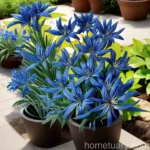
The allure of Camas extends to container gardening, offering a versatile and visually captivating addition to outdoor spaces, patios, and balconies. Cultivating Camassia leichtlinii subsp. suksdorfii in containers enables individuals with limited garden space to experience the splendor of its blooms and contribute to the conservation of native wildflower species. The following considerations elucidate the popularity of Camas in container gardening and provide practical guidance for successful cultivation in this context.
Benefits of Container Cultivation
The benefits of growing Camas in containers encompass its adaptability to confined spaces, aesthetic appeal, and potential for conservation and educational initiatives. Containers facilitate the creation of captivating displays featuring Camas blooms, offering a portable and visually striking option for garden enthusiasts and conservation organizations. Furthermore, container cultivation provides an opportunity to showcase the beauty and ecological significance of native wildflowers in diverse settings, elevating awareness and appreciation of these valuable species.
Container Selection
Selecting suitable containers for cultivating Camas entails considering factors such as size, drainage, and material composition. Adequate container depth and diameter accommodate the growth habits of Camassia leichtlinii subsp. suksdorfii and promote healthy root development. Ensuring proper drainage through the presence of drainage holes and utilizing lightweight, weather-resistant materials, such as terracotta or composite plastics, enhances the suitability of containers for Camas cultivation, fostering an optimal growing environment.
Growing Medium
Choosing a well-draining, nutrient-rich growing medium is essential for supporting Camas growth and blooming in a containerized setting. A combination of high-quality potting soil and organic amendments, such as compost or perlite, creates a conducive substrate for Camas root establishment and enhances the retention of moisture and essential nutrients. Moreover, incorporating a balanced, slow-release fertilizer specific to flowering plants supports the plant’s nutritional requirements and promotes vigorous blooming in containers.
Watering and Maintenance
Container-grown Camassia leichtlinii subsp. suksdorfii necessitates attentive watering and maintenance to ensure its thriving presence in confined spaces. Monitoring moisture levels, particularly during the active growth and blooming phases, is crucial for preventing dehydration and promoting optimal flowering. Additionally, periodic fertilization and the removal of spent flowers and foliage contribute to the plant’s overall health and aesthetics, enriching the container gardening experience and fostering the longevity of Camas in a contained environment.
Common Diseases
While Camas is generally resilient, it is susceptible to certain diseases and disorders that can impact its vitality and aesthetics. Understanding the common diseases and potential management strategies empowers individuals to safeguard their Camas populations and ensure their enduring presence in gardens, landscapes, and natural habitats.
Botrytis Blight
Botrytis blight, caused by the fungal pathogen Botrytis spp., poses a potential threat to Camas during periods of prolonged moisture and high humidity. The development of gray mold on the foliage, flowers, or bulbs, coupled with overall wilting and decay, signifies the presence of Botrytis blight. Implementing cultural practices to enhance air circulation, such as adequate spacing and removal of affected plant debris, mitigates the risk of Botrytis blight and reinforces the plant’s resilience against this fungal disease.
Root Rot
Excessive moisture and poorly drained soil can predispose Camas to root rot, manifested by symptoms such as yellowing, wilting, and decay of the roots. Addressing soil drainage issues and utilizing well-draining growing sites are instrumental in preventing and managing root rot in Camas. Furthermore, refraining from overwatering and maintaining optimal irrigation practices mitigate the risk of waterlogged soil and subsequent root rot, fostering the plant’s overall vigor and disease resistance.
Rust and Leaf Spot
Rust and leaf spot diseases, characterized by the appearance of discolored, spotted foliage, can affect the aesthetic appeal and photosynthetic capacity of Camas. These fungal diseases thrive in humid conditions and may necessitate targeted fungicidal treatments to manage their impact. Implementing preventive measures, such as maintaining proper spacing, reducing leaf moisture, and promoting overall plant health, diminishes the susceptibility of Camas to rust and leaf spot, fortifying its foliage and preserving its visual allure.
Disease Diagnosis
Diagnosing diseases in Camas involves careful observation of symptoms, examination of plant tissues, and environmental assessment to identify causal factors and implement appropriate management strategies. Engaging in proactive monitoring and timely intervention allows for the effective maintenance of Camassia leichtlinii subsp. suksdorfii and minimizes the impact of diseases on its growth and blooming cycles.
Symptom Identification
Recognizing the characteristic symptoms of common diseases, such as Botrytis blight, root rot, rust, and leaf spot, is pivotal in diagnosing health issues in Camas. Visual cues, including discoloration, wilting, mold development, and leaf lesions, indicate specific diseases and guide the diagnostic process. Monitoring the progression of symptoms and their prevalence within Camas populations facilitates accurate disease diagnosis and the formulation of targeted management approaches.
Tissue Examination
Examining plant tissues, including bulbs, stems, and foliage, aids in discerning the underlying causes of disease-related symptoms and confirming the presence of pathogens or physiological disorders. Conducting diagnostic tests, such as tissue sampling and microscopy, unveils the intricacies of disease pathology and provides insights into the specific agents affecting Camassia leichtlinii subsp. suksdorfii. Additionally, collaborating with plant pathology experts and diagnostic laboratories can supplement the diagnostic process, enabling comprehensive assessment and informed decision-making.
Environmental Assessment
Evaluating environmental factors, including temperature, humidity, soil moisture, and cultural practices, complements disease diagnosis by elucidating the contextual influences on Camas health. Assessing the prevailing conditions in the plant’s growing environment reveals potential stressors and predisposing factors, informing disease management strategies and preventative measures. Incorporating environmental assessment into disease diagnosis enhances the holistic understanding of Camas health dynamics and fosters proactive interventions to maintain its vitality and visual appeal.
Common Pests
Camas is relatively resistant to pest infestations, yet certain insects, such as aphids, caterpillars, and bulb-feeding pests, can pose localized threats to its foliage and bulbs. Identifying common pests and implementing targeted pest management measures safeguards Camassia leichtlinii subsp. suksdorfii from detrimental infestations, preserving its aesthetic value and ecological contributions.
Aphids
Aphids, small sap-sucking insects, may colonize Camas foliage and flowers, leading to distorted growth, yellowing, and the production of sticky honeydew. Instituting natural control methods, such as encouraging beneficial insect populations and gently washing infested foliage with water, diminishes aphid populations and curtails their impact on Camas health. Additionally, deploying insecticidal soaps or oils in cases of severe infestation provides an effective means of managing aphids while minimizing environmental impact.
Caterpillars
Caterpillars, the larval stage of butterflies and moths, have the potential to feed on Camas foliage and compromise its photosynthetic capacity. Handpicking caterpillars and implementing physical barriers, such as protective netting, shield Camas from excessive feeding and preserve the integrity of its foliage. Embracing natural predators, such as birds and beneficial insects, further contributes to managing caterpillar populations and supporting the ecological balance within Camas ecosystems.
Bulb-Feeding Pests
Certain pests, including wireworms and bulb mites, may target Camas bulbs, leading to damage and diminished vigor. Employing cultural practices, such as crop rotation and thorough soil preparation, deters bulb-feeding pests and mitigates their impact on Camas bulb health. Furthermore, monitoring bulbs for signs of pest activity and implementing targeted interventions, such as biological controls and soil amendments, fortify Camas resilience against pest-related stressors and sustain its long-term vitality.
Botanist’s Tips
As a plant scientist with a passion for native wildflowers and ecological conservation, I am delighted to share exclusive insights and practical tips for enthusiasts seeking to cultivate and appreciate Camassia leichtlinii subsp. suksdorfii. These botanist’s tips encapsulate valuable guidance derived from scientific expertise and hands-on experience, fostering an enriched understanding of the plant’s intrinsic value and cultivation nuances.
Embrace Native Plant Landscaping
Incorporating Camas into native plant landscaping initiatives not only celebrates its aesthetic allure but also contributes to the preservation of indigenous flora and the ecological richness of the landscape. Integrating Camassia leichtlinii subsp. suksdorfii into native plant gardens, meadows, and restoration projects supports biodiversity and reinforces the plant’s role as a keystone species within its natural habitats. Embracing native plant landscaping embodies a commitment to conservation and sustainability, promoting the resilience and continuity of native wildflower populations.
Foster Pollinator Partnerships
Camas, renowned for its vibrant blooms and nectar resources, serves as a vital source of sustenance for pollinators, including bees, butterflies, and hummingbirds. Cultivating Camas in harmony with pollinator-friendly practices, such as minimal pesticide use and the incorporation of diverse flowering species, fosters pollinator partnerships and enhances the ecological services rendered by these essential wildlife allies. Emphasizing the interdependence between Camas and pollinators fosters a holistic approach to environmental stewardship, prioritizing the well-being of both plants and their associated fauna.
Cultivate Camas in Community Gardens
Engaging in community gardening initiatives that feature Camas not only enlivens shared spaces with the splendor of native wildflowers but also promotes educational opportunities and environmental awareness. Cultivating Camassia leichtlinii subsp. suksdorfii in community gardens fosters a sense of connection to local ecosystems and indigenous heritage, nurturing a collective appreciation for the cultural and ecological significance of native plants. Furthermore, community participation in Camas conservation and propagation projects enriches the communal landscape, fostering camaraderie and stewardship practices that benefit both people and the environment.
Foster Camas in Restoration Efforts
Contributing to habitat restoration and rewilding endeavors by