Castanea Sativa (European Chestnut)
When it comes to the world of trees, the chestnut (scientifically known as Castanea sativa) stands proud as a symbol of strength and resilience. This.
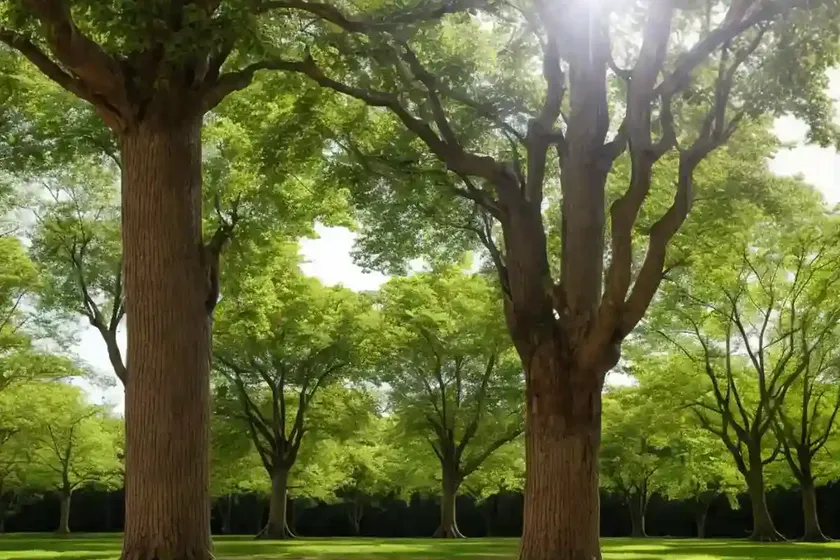
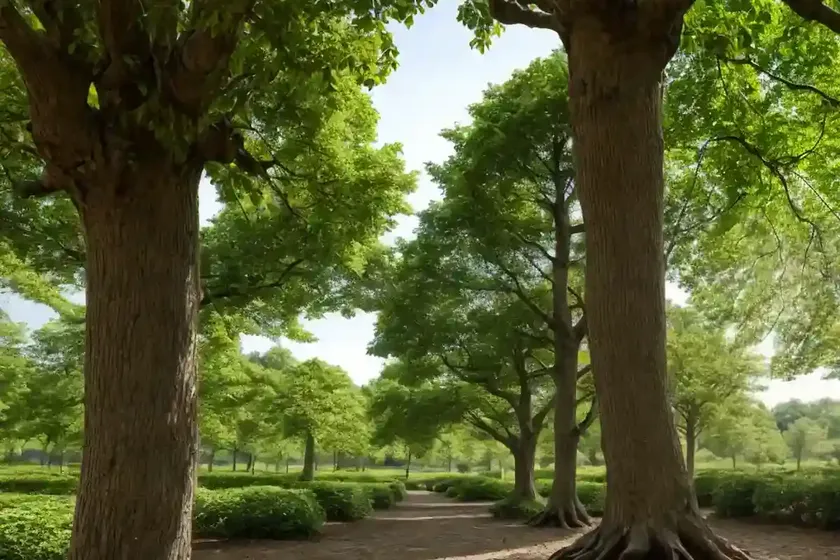
When it comes to the world of trees, the chestnut (scientifically known as Castanea sativa) stands proud as a symbol of strength and resilience. This awe-inspiring species has a special place in the heart of arborists, horticulturists, and nature lovers alike. Its sheer beauty, cultural significance, and economical value make it an integral part of various ecosystems around the world. In this comprehensive guide, we will delve deep into the world of Castanea sativa, exploring its characteristics, uses, cultivation techniques, diseases, and much more.
Getting to Know Castanea sativa
Castanea sativa, commonly referred to as the European Chestnut, is a deciduous tree known for its grandeur and the delectable chestnuts it produces. Belonging to the family Fagaceae, this species is native to Europe, Asia Minor, and North Africa. The tree boasts an impressive size, with a typical height ranging from 50 to 100 feet and a trunk diameter of around 10 to 20 feet.
Key Characteristics of Castanea sativa
Here are the key characteristics that define the Castanea sativa:
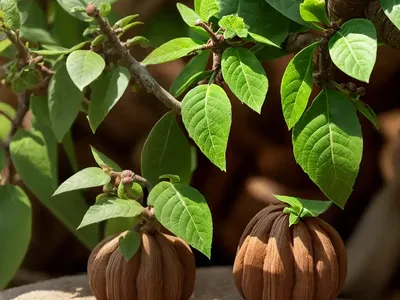
- Leaf Shape: The leaves are oblong-lanceolate with serrated edges, showcasing a glossy dark green color during the growing season.
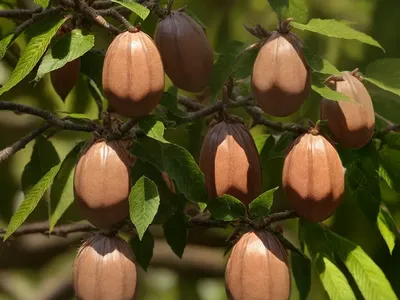
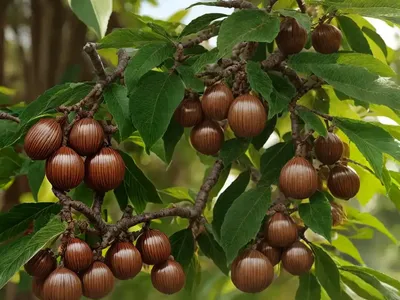
- Flowers and Fruits: The tree exhibits long catkins of small, creamy-white male flowers and shorter, spiky female flowers. The fruits are the iconic spiny chestnuts, encased in a bur-like husk.
- Bark: The bark is smooth and gray in young trees, only developing distinctive deep furrows and ridges as it matures.
- Fall Foliage: Known for its stunning fall foliage, the chestnut tree’s leaves turn an array of beautiful shades, including yellow, orange, and red, before falling off in late fall or early winter.
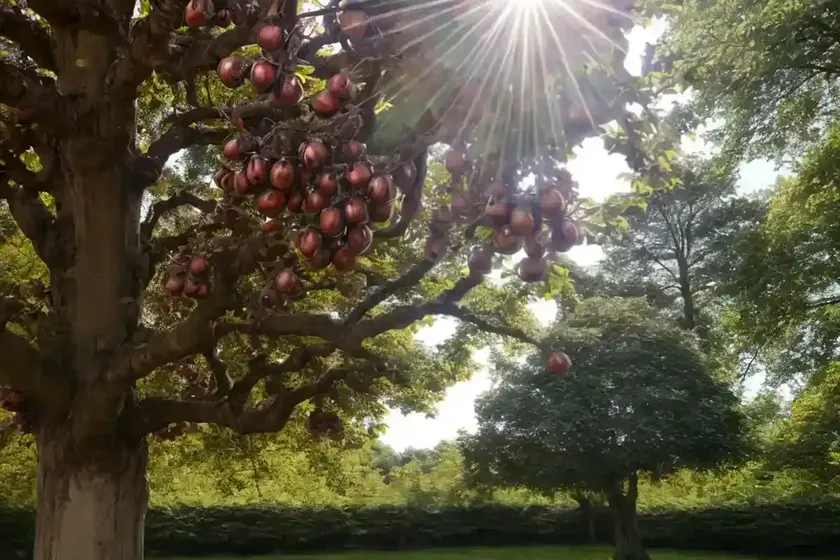
- Growth Habit: Castanea sativa has a broad, spreading growth habit, forming a wide, rounded crown that provides ample shade.
Culture of Castanea sativa
Cultivating Castanea sativa requires a thorough understanding of both its natural habitat and its adaptable nature. Let’s explore the cultural requirements and aspects that define the successful growth of the European Chestnut tree.
Water
- Young Trees: Newly planted European Chestnut trees require consistent watering, especially in the first few years of growth. Keep the soil evenly moist but not waterlogged. As the tree matures, it becomes more drought-tolerant but still benefits from occasional deep watering, particularly during dry spells.
Sunlight
- Sun Exposure: Castanea sativa thrives in full sun, requiring at least 6 to 8 hours of direct sunlight daily. Adequate sunlight is crucial for fruit production and overall tree vigor.
Fertilizer
- Soil Nutrients: The European Chestnut performs best in well-draining, slightly acidic to neutral soils. Application of a balanced, slow-release fertilizer in early spring can support healthy growth and fruit development.
Soil
- Soil Requirements: The ideal soil for Castanea sativa is deep, fertile, and well-draining. It should have a pH level ranging from 5.5 to 6.5. Avoid waterlogged or compacted soils, as they can lead to root rot and other issues.
Pruning
- Pruning Regimen: Regular pruning is essential to maintain the tree’s shape, promote strong branch structure, and remove dead or diseased wood. Prune in late winter or early spring before the new growth emerges.
Propagation
- Methods: Castanea sativa can be propagated through various methods, including seed germination, grafting, and rooting cuttings. Each method has its own requirements and success rates, but all contribute to the propagation and preservation of this remarkable species.
Container Popularity and Considerations
- Container Gardening: While European Chestnut trees are primarily grown in landscapes, they can also thrive in large containers when provided with adequate space, sunlight, and regular care. Container cultivation of Castanea sativa is gaining popularity among urban gardeners and enthusiasts with limited outdoor space.
Uses of Castanea sativa
From culinary delights to timber of exceptional quality, the European Chestnut serves a multitude of purposes, making it an invaluable tree species with diversified uses.
Culinary Uses
- Nut Production: The chestnuts of Castanea sativa are a culinary delicacy, often used in roasting and various recipes, adding a distinct flavor to both savory and sweet dishes.
- Flour and Sweets: Chestnut flour is a popular gluten-free alternative, and chestnut-based sweets and pastries are treasured in many culinary traditions.
- Beverages: Furthermore, chestnuts are utilized in the production of alcoholic beverages, including chestnut beer and liqueurs.
Timber and Wood Products
- Quality Wood: The wood of Castanea sativa is highly esteemed for its durability and resistance to rot, making it a favored choice for furniture, flooring, barrels, and decorative crafts.
- Traditional Uses: Historically, the wood was also employed in the construction of buildings, fences, and various tools and implements.
Common Diseases of Castanea sativa
Despite its resilience, the European Chestnut is susceptible to certain diseases, which can jeopardize the health and vitality of the trees.
Pest and Disease Management
- Phytophthora Root Rot: This destructive soil-borne pathogen can cause root rot and lead to the wilting and decline of the tree.
- Chestnut Blight: Caused by the fungus Cryphonectria parasitica, chestnut blight is a notorious threat to Castanea sativa, often resulting in cankers, dieback, and eventual tree death if left unmanaged.
- Powdery Mildew: It is crucial to monitor and manage powdery mildew in European Chestnut orchards, as it can affect both foliage and nut production.
Disease Diagnosis and Prevention
- Vigilant Monitoring: Regular visual inspections and proactive disease monitoring are essential for early detection and prompt intervention.
- Cultural Practices: Implementing proper cultural practices, such as maintaining good air circulation, preventing waterlogging, and avoiding wounds to the tree, can significantly reduce the risk of diseases.
Botanist’s Tips for Growing Castanea sativa
For those who wish to venture into cultivating Castanea sativa or simply appreciate this majestic tree, here are some expert tips to ensure successful growth and enjoyment of its bountiful yield:
- Selecting Varietals: When choosing European Chestnut cultivars, consider factors such as climate compatibility, nut yield, and disease resistance.
- Integrated Pest Management: Embrace integrated pest management strategies to minimize the reliance on chemical interventions and promote ecological balance within the chestnut orchard.
- Pollination: If aiming for optimal nut production, ensure adequate cross-pollination by planting compatible chestnut varieties in proximity.
Fun Facts about Castanea sativa
To further uncover the unique charm of the European Chestnut, here are some intriguing and lesser-known tidbits about this exceptional tree:
- The sweet, edible chestnuts of Castanea sativa have been cherished and consumed for centuries, serving as a staple food source in various cultures and regions.
- The timber of the European Chestnut offers remarkable longevity and resistance to decay, making it an exceptional choice for outdoor structures and furniture.
- Castanea sativa has been the subject of folklore and mythology in different cultures, often symbolizing prosperity, fertility, and protection.
External Resources for Castanea sativa
For in-depth exploration and practical guidance on Castanea sativa, here are some valuable external resources that provide a wealth of information:
- International Society for Horticultural Science (ISHS): The ISHS offers scientific publications, conferences, and resources related to chestnut cultivation and research.
- USDA Forest Service – European Chestnut: The Forest Service’s comprehensive database provides detailed information on the ecological and botanical aspects of the European Chestnut.
- Chestnut Growers, Inc.: A platform dedicated to the promotion and education of chestnut growers, offering valuable insights and resources for orchard management and nut production.
In Conclusion
Castanea sativa, the European Chestnut, stands as a captivating symbol of sustenance, beauty, and resilience. From its bountiful harvest of delectable nuts to its enduring timber and cultural significance, this extraordinary tree holds a prominent place in the natural world and human heritage. By understanding its needs, harnessing its potential, and safeguarding its health, we can ensure the perpetuation and appreciation of Castanea sativa for generations to come.
Remember, the next time you encounter a majestic chestnut tree, take a moment to appreciate its enduring story and the gifts it bestows upon the natural world and humankind.
Written by a devoted Plant Scientist, dedicated to the preservation and understanding of Castanea sativa (European Chestnut) and its ecological relevance.