Camassia ‘Blue Heaven’ (Camas): A Complete Plant Care Guide
Plants are one of nature’s most exquisite creations, offering an array of colors, shapes, and fragrances that enrich our lives. One such plant that captivates with its beauty and cultural significance is the Camassia ‘Blue Heaven’ (Camas). In this comprehensive plant care guide, we delve into the intricate details of nurturing and appreciating this remarkable plant species, exploring its cultural uses, growth requirements, maintenance, and much more.
What is Camassia ‘Blue Heaven’ (Camas)?
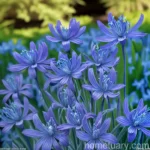
Camassia ‘Blue Heaven’, commonly known as Camas, is a herbaceous perennial plant that belongs to the lily family, Liliaceae. It is native to North America, where it thrives in various habitats, including wet meadows, prairies, and open woodlands. The plant produces striking spikes of star-shaped, deep blue flowers that add a touch of elegance to any garden landscape.
With its slender, upright form and vibrant floral display, Camassia ‘Blue Heaven’ is a popular choice for both cultivated gardens and naturalized spaces. Its cultural significance, low maintenance requirements, and ability to attract pollinators make it a desirable addition to diverse outdoor environments.
Key Takeaways – Camassia ‘Blue Heaven’ (Camas)
Before delving into the specifics of caring for Camassia ‘Blue Heaven’, let’s explore some key takeaways that encapsulate the essence of this remarkable plant:
-
Cultural Significance: Historically valued by indigenous communities for its edible bulbs, Camassia ‘Blue Heaven’ holds a special place in the cultural tapestry of North America.
-
Vibrant Floral Display: The plant produces striking spikes of deep blue flowers that are visually captivating and serve as a magnet for pollinators.
-
Adaptability: Camassia ‘Blue Heaven’ thrives in a variety of growing conditions, making it suitable for a wide range of garden settings.
-
Low Maintenance: Once established, Camassia ‘Blue Heaven’ is relatively low maintenance, requiring minimal intervention for optimal growth and bloom.
-
Attractiveness to Wildlife: The plant’s nectar-rich flowers attract bees, butterflies, and other beneficial insects, contributing to biodiversity in the garden.
-
Cultural and Medicinal Uses: Beyond its ornamental value, Camassia ‘Blue Heaven’ has historically been used for culinary and medicinal purposes, adding depth to its appeal.
Now, let’s delve deeper into the intricacies of caring for this versatile and visually stunning plant, from its preferred growing conditions to maintenance and beyond.
Culture
Understanding the cultural background and natural habitat of Camassia ‘Blue Heaven’ enhances our appreciation of this exquisite plant. The cultural significance of Camas extends far beyond its ornamental value, with a rich heritage that encompasses culinary, medicinal, and ecological aspects.
Historical and Indigenous Uses
Camas holds significant cultural importance for indigenous communities in North America, where it has historically been valued for its starchy bulbs, a staple food source for many tribes. The bulbs were traditionally harvested, cooked, and consumed either roasted or boiled, imparting a mildly sweet, nutty flavor to the dishes. The utilization of Camas bulbs played a central role in the culinary traditions and sustainable food practices of various indigenous tribes, symbolizing resilience, sustenance, and interconnectedness with the natural world.
Beyond its culinary significance, Camas also served as a medicinal resource, with indigenous communities utilizing different parts of the plant for various therapeutic purposes. From decoctions and poultices to infusions, Camassia ‘Blue Heaven’ represented a versatile botanical ally that contributed to the wellness and vitality of these communities.
Ecological Role
In addition to its cultural uses, Camassia ‘Blue Heaven’ plays a pivotal ecological role in its natural habitat. As a native plant species, Camas contributes to the dynamic balance of ecosystems, providing nectar for pollinators and supporting biodiversity within the landscape. By incorporating Camassia ‘Blue Heaven’ into cultivated gardens and wild spaces, gardeners not only showcase its intrinsic beauty but also contribute to the preservation and reinforcement of natural ecosystems.
Uses
The uses of Camas extend beyond its aesthetic appeal, reflecting a deep-rooted history of cultural, culinary, and ecological significance. Here’s a closer look at the diverse uses of Camassia ‘Blue Heaven’ that contribute to its allure and value:
-
Culinary Uses: While historically revered for its edible bulbs, it’s important to note that harvesting and consuming Camas bulbs from the wild is no longer a sustainable practice. However, through conscientious cultivation and sourcing from reputable nurseries, gardeners can appreciate the historic significance of Camas and embody its cultural legacy in a sustainable manner.
-
Medicinal Applications: Traditional indigenous uses of Camas for medicinal purposes highlight its potential as a healing plant. The plant’s bulbs and other vegetative parts have been utilized to address various ailments, offering a glimpse into the diverse array of resources that the natural world provides.
-
Ornamental Value: Camassia ‘Blue Heaven’ enriches garden landscapes with its stunning floral display, serving as a focal point in mixed borders, naturalized areas, or cottage gardens. Its graceful form and vibrant blue flowers create an enchanting visual impact, enhancing the aesthetic appeal of outdoor spaces.
-
Wildlife Attraction: The nectar-rich flowers of Camassia ‘Blue Heaven’ are a magnet for pollinators, supporting the ecological balance in gardens and natural environments. By attracting bees, butterflies, and other beneficial insects, Camas contributes to the vitality of local ecosystems.
Growing Camassia ‘Blue Heaven’ (Camas)
Successful cultivation of Camassia ‘Blue Heaven’ entails understanding and meeting its fundamental growth requirements. From water and sunlight needs to soil preferences, creating an optimal environment for Camas ensures vigorous growth and abundant blooms. Let’s explore the essential factors for nurturing healthy and thriving Camassia ‘Blue Heaven’ plants.
Water
Camassia ‘Blue Heaven’ thrives in moist, well-drained soil. While the plant shows a preference for consistently moist conditions during its active growth phase, it also exhibits a tolerance for periodic drought once established. When cultivated in garden settings, it’s essential to monitor soil moisture levels, particularly during periods of extended dryness or high temperatures. Regular watering, providing approximately 1 inch of water per week during the growing season, helps maintain ideal soil moisture for Camas plants. However, it’s crucial to strike a balance and avoid waterlogged conditions, as excessive moisture can lead to root rot and other detrimental issues.
Sunlight
As a plant that naturally occurs in open woodlands and meadow settings, Camassia ‘Blue Heaven’ thrives in partial to full sun. When situated in a garden or landscape, it’s advisable to provide the plant with at least 6 hours of direct sunlight per day to support robust growth and prolific flowering. Partial shade may be suitable, particularly in regions with intense summer heat, where it can help protect the plant from excessive sun exposure and potential heat stress. Additionally, providing adequate air circulation around the plants contributes to a healthy growing environment and minimizes the risk of fungal diseases.
Fertilizer
Camas plants generally thrive in nutrient-rich soil, although they are not heavy feeders. Prior to planting, amending the soil with organic matter, such as well-rotted compost or aged manure, contributes to soil fertility and structure, providing an advantageous foundation for the plants. During the growing season, a balanced, slow-release fertilizer applied at the start of spring supports vigorous growth and promotes abundant flowering. Opt for a granular fertilizer with an NPK ratio of 10-10-10 or similar, following the recommended application rates as specified on the product label. Care should be taken to avoid overfeeding, as excessive nutrients can lead to lush foliage at the expense of flowering.
Soil
The ideal soil for Camassia ‘Blue Heaven’ is well-drained, loamy, and rich in organic matter. A slightly acidic to neutral pH range, between 6.0 and 7.0, provides an optimal growing environment for the plants. Before planting, preparing the soil by incorporating organic amendments and ensuring effective drainage sets the stage for successful establishment and sustained growth. When selecting a planting site, consider the natural habitat of Camas and aim to replicate or enhance the conditions that promote its flourishing in the wild, including nutrient-rich, moisture-retentive soil.
Pruning
Pruning requirements for Camassia ‘Blue Heaven’ are minimal, emphasizing the plant’s low-maintenance nature. Following the blooming period, the faded flower spikes can be removed to improve the overall aesthetic and encourage the plant to redirect its energy to essential growth processes. Deadheading spent blooms before seed formation can also help prevent self-seeding, particularly in garden settings where controlling the spread of the plant may be desired. As the foliage gradually matures and begins to senesce, it can be trimmed back to ground level, clearing the way for new growth and allowing the plants to maintain a tidy appearance.
Propagation
Expanding your Camassia ‘Blue Heaven’ collection or sharing the beauty of this plant with others often prompts exploration into propagation methods. While the perennial nature of Camas ensures its enduring presence in the garden, propagating new plants offers an opportunity to celebrate its growth and share its splendor. Let’s explore the various propagation techniques suitable for Camassia ‘Blue Heaven’, ranging from seed sowing to bulb division.
Seed Sowing
Growing Camassia ‘Blue Heaven’ from seeds is a viable propagation method, although it requires patience and dedication due to the relatively lengthy germination period. To propagate Camas from seeds, start by collecting mature seeds after the flowering season, ensuring that the seed pods are fully developed and beginning to open. Sow the seeds in well-prepared, moist soil during the fall, mimicking the natural processes that prompt seed germination in the wild. Adequate winter chilling, or stratification, is essential for breaking seed dormancy and stimulating robust seedling emergence in the subsequent spring. Incorporating a layer of mulch over the sown seeds helps insulate them and maintain consistent soil moisture levels as they undergo the stratification process.
Bulb Division
Bulb division represents a reliable and efficient propagation method for Camassia ‘Blue Heaven’, offering a means to expand and rejuvenate existing plantings. The ideal time for dividing Camas bulbs is during the plant’s dormant phase, typically in the late summer to early autumn. Start by carefully lifting the clumps of Camas bulbs from the soil, taking care to minimize root disturbance and preserve the integrity of the bulbs. Using a sharp, clean knife or garden tool, separate the bulbs into individual sections, ensuring that each division possesses viable roots and shoots. Plant the divided bulbs at the desired locations, providing appropriate spacing and soil conditions to encourage their successful establishment and subsequent growth.
Container Popularity
Due to its graceful form and vibrant floral display, Camassia ‘Blue Heaven’ is well-suited for container cultivation. The plant’s adaptable nature and moderate size make it an appealing choice for adding visual interest to patios, balconies, and other outdoor spaces with limited ground area. When cultivating Camas in containers, select a spacious, well-drained pot filled with a high-quality, nutrient-rich potting mix. Ensure that the container possesses adequate drainage holes to prevent waterlogging and maintain optimal soil moisture levels for the plants. Regular watering and routine maintenance, including deadheading and occasional fertilization, contribute to the sustained health and vigor of Camassia ‘Blue Heaven’ in container settings.
Common Diseases
Like many plants, Camassia ‘Blue Heaven’ is susceptible to certain diseases and pests that can impact its health and vitality. Understanding the common diseases that affect Camas plants supports proactive management and ensures the continued well-being of the garden. Here are some prevalent diseases that may pose challenges to Camassia ‘Blue Heaven’, along with strategies for effective diagnosis and management:
Disease Diagnosis
Botrytis Blight
Symptoms: Botrytis blight, caused by the fungal pathogen Botrytis cinerea, often manifests as grayish-brown lesions on the foliage and flowers of Camas plants. In humid or damp conditions, the affected plant parts may exhibit a fuzzy, gray mold that characterizes the presence of the pathogen.
Management: To mitigate the impact of Botrytis blight, implement cultural practices that promote air circulation, reduce foliage moisture, and prevent prolonged leaf wetness. Proper spacing between plants, adequate ventilation, and avoiding overhead watering contribute to a less favorable environment for the development of Botrytis. Additionally, removing and disposing of infected plant material can help limit the spread of the disease within the garden.
Leaf Spot Diseases
Symptoms: Several fungal pathogens can cause leaf spot diseases in Camassia ‘Blue Heaven’, leading to the development of circular, tan to dark brown lesions on the foliage. These lesions may exhibit a concentric ring pattern and can lead to premature defoliation, particularly under conditions conducive to disease development.
Management: Management strategies for leaf spot diseases in Camas plants include maintaining adequate air circulation, practicing proper sanitation, and avoiding overhead watering. By minimizing leaf wetness and providing optimal growing conditions, such as well-drained soil and appropriate spacing, gardeners can reduce the likelihood of leaf spot diseases and promote the overall health of the plants.
Common Pests
Aphids
Symptoms: Aphids, small soft-bodied insects, feed on the sap of Camas plants, typically congregating on the undersides of leaves. Their feeding activity can lead to distorted growth, yellowing foliage, and the secretion of sticky honeydew, which may attract ants and foster the growth of sooty mold.
Management: Encouraging natural predators of aphids, such as ladybugs and lacewings, can serve as an effective biological control measure. Additionally, a strong blast of water or insecticidal soaps can help dislodge and manage aphid populations, reducing their impact on Camas plants. Regular monitoring and early intervention contribute to the successful management of aphids and support the sustained health of the plants.
Slugs and Snails
Symptoms: Slugs and snails are common pests that can feed on the foliage and tender shoots of Camassia ‘Blue Heaven’, leading to irregular damage and unsightly holes in the leaves.
Management: Implementing physical barriers, such as copper tape or diatomaceous earth, around the base of Camas plants can help deter slugs and snails from reaching the foliage. Additionally, reducing excess moisture and providing well-drained soil conditions minimizes the attractiveness of the garden environment for these pests. Regular inspections and manual removal of slugs and snails contribute to effective pest management while safeguarding the plants from potential damage.
Botanist’s Tips
To ensure the successful cultivation and long-term enjoyment of Camassia ‘Blue Heaven’, consider the following botanist’s tips that enhance the plant’s well-being and contribute to a thriving garden landscape:
-
Site Selection: When choosing a location for Camas plants, prioritize well-drained, fertile soil and adequate sunlight to promote healthy growth and abundant blooms.
-
Soil Preparation: Amending the soil with organic matter and ensuring effective drainage creates an optimal foundation for Camassia ‘Blue Heaven’ and supports its long-term vitality.
-
Mulching: Applying a layer of organic mulch around Camas plants helps conserve soil moisture, suppress weed growth, and maintain consistent growing conditions.
-
Regular Monitoring: Engage in routine monitoring of the plants for signs of diseases, pests, or other stressors, allowing for early intervention and effective management when necessary.
-
Conservation Ethos: Embrace sustainable gardening practices that honor the cultural significance and ecological value of Camassia ‘Blue Heaven’, recognizing its role in supporting biodiversity and historic traditions.
Fun Facts
Discovering the fascinating aspects of Camassia ‘Blue Heaven’ adds nuance to the enchanting presence of this plant in garden landscapes and natural environments. Here are some fun facts that highlight the unique attributes and historical significance of Camas:
-
Cultural Icon: Camassia ‘Blue Heaven’ holds cultural significance as a traditional food source for indigenous communities, symbolizing sustenance, resilience, and the enduring connection between people and the land.
-
Botanical Beauty: The vibrant blue flowers of Camas express a stunning visual appeal, accentuating the beauty of gardens and enhancing the natural charm of wild spaces.
-
Native Heritage: As a native plant species, Camassia ‘Blue Heaven’ embodies the rich heritage and botanical diversity of North American ecosystems, contributing to the conservation of indigenous flora.
-
Pollinator Magnet: The nectar-filled flowers of Camas attract a diverse array of pollinators, fostering biodiversity and supporting the vital role of insects in ecological processes.
-
Culinary Legacy: While no longer harvested from the wild for culinary purposes, the historic utilization of Camas bulbs emphasizes the enduring connection between people, plants, and sustenance.
Links to External Resources
Enrich your knowledge and appreciation of Camassia ‘Blue Heaven’ by exploring additional resources that offer valuable insights and practical guidance:
-
The American Camas: A Publication of the California Native Plant Society
-
Ethnobotany of Camas and Additional Indigenous Uses: USDA Forest Service
In conclusion, Camassia ‘Blue Heaven’ (Camas) represents a captivating plant species with a rich tapestry of cultural, ecological, and ornamental significance. By embracing the plant’s historical legacy, understanding its growth requirements, and celebrating its visual splendor, gardeners can cultivate a connection with Camas that extends beyond the boundaries of the garden. Through conscientious care, sustainable practices, and an appreciation for its enduring allure, Camassia ‘Blue Heaven’ becomes a cherished emblem of resilience, natural beauty, and the profound interplay between people and plants.
As we cultivate our gardens and nurture the natural world, the legacy of plants like Camassia ‘Blue Heaven’ continues to thrive, offering inspiration, sustenance, and enduring beauty for generations to come.
For additional information and insights on caring for Camassia ‘Blue Heaven’, explore the links to external resources provided above.
Keywords: Camassia ‘Blue Heaven’ (Camas) care, Blue Heaven Camassia planting guide, Growing Camassia ‘Blue Heaven’ (Camas), Camas flowers for your garden, Blue Heaven Camas: A versatile plant, Camassia ‘Blue Heaven’ (Camas) bulbs, How to propagate Camassia ‘Blue Heaven’ (Camas), Camas plants: A beginner’s guide, Camas bulbs: Tips for successful planting, Camassia ‘Blue Heaven’ (Camas) blooms, Understanding the Camas plant family, Benefits of growing Camassia ‘Blue Heaven’ (Camas), Camas flowers: Enhancing your garden’s beauty, Camassia ‘Blue Heaven’ (Camas) in different climates, Camas plants: A symbol of resilience, Growing Camassia ‘Blue Heaven’ (Camas)