The Exquisite Clematis ‘Lady Betty Balfour’: A Comprehensive Guide to Growing and Caring for This Late Large-Flowered Clematis
Clematis ‘Lady Betty Balfour’ is undeniably one of the most captivating and exquisite late large-flowered Clematis varieties. Its striking purple-blue blooms and vigorous climbing habit make it a favorite among gardeners and plant enthusiasts. This article provides an in-depth exploration of the key characteristics, cultivation requirements, uses, and maintenance tips for the Clematis ‘Lady Betty Balfour’, also known as the Late Large-Flowered Clematis.
What is Clematis ‘Lady Betty Balfour’?
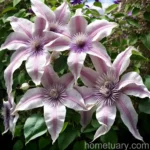
Named after Lady Betty Balfour, a renowned British horticulturist, the Clematis ‘Lady Betty Balfour’ is a stunning deciduous vine that belongs to the Ranunculaceae family. This plant is esteemed for its vigorous growth, producing an abundance of large, 5-8 inch (12-20 cm) diameter blossoms during its flowering season. The flowers of the ‘Lady Betty Balfour’ Clematis exhibit a rich, vibrant purple-blue hue, adorned with delicate, contrasting yellow stamens, offering a striking visual display.
The ‘Lady Betty Balfour’ Clematis is known for its exceptional climbing capabilities, using its leaf petioles to grasp onto supporting structures such as trellises, arbors, and pergolas. Its vigorous growth habit, coupled with the showy, abundant blooms, makes it a splendid choice for adorning fences, walls, and other vertical spaces in gardens and landscapes.
Key Takeaways – Clematis ‘Lady Betty Balfour’ (Late Large-Flowered Clematis)
- Botanical Name: Clematis ‘Lady Betty Balfour’
- Common Name: Late Large-Flowered Clematis
- Family: Ranunculaceae
- Flower Color: Purple-blue with yellow stamens
- Flower Diameter: 5-8 inches (12-20 cm)
- Habit: Vigorous climbing vine
Cultivation and Characteristics
Clematis ‘Lady Betty Balfour’ is a delightful addition to gardens, imparting a touch of elegance and charm with its luxuriant blossoms and graceful climbing habit. Let’s delve into the specific cultural requirements and characteristics that contribute to the successful growth and cultivation of this remarkable Clematis variety.
Uses
The ‘Lady Betty Balfour’ Clematis offers a myriad of possibilities for enhancing the beauty and visual appeal of diverse outdoor spaces. Some common uses and applications of this remarkable plant include:
- Vertical Gardening: Due to its exceptional climbing abilities, the Clematis ‘Lady Betty Balfour’ thrives in vertical gardening setups, adding vertical interest and height to garden designs.
- Arbors and Trellises: It can be trained to ascend and embellish arbors, trellises, and pergolas, creating enchanting displays of cascading blooms.
- Fences and Walls: The ‘Lady Betty Balfour’ Clematis presents an ideal choice for adorning fences, walls, and other vertical structures, transforming them into captivating living tapestries.
Water
Proper watering is crucial for the health and vitality of the Clematis ‘Lady Betty Balfour’. Adequate moisture levels are essential, especially during the establishment phase and the flowering period. Here are some key points to consider regarding watering:
- Regular Deep Watering: It is recommended to water deeply without causing waterlogging, ensuring that the roots receive ample moisture.
- Mulching: Applying a layer of organic mulch around the base of the plant helps in moisture retention and root protection during hot and dry conditions.
Sunlight
The ‘Lady Betty Balfour’ Clematis thrives in a position that receives ample sunlight while offering protection from the intense midday sun. Here are some sunlight-related considerations for this Clematis variety:
- Partial Sun: Providing a location with partial sun to partial shade for the ‘Lady Betty Balfour’ Clematis is advantageous, ensuring optimal flowering and growth without subjecting the plant to harsh, direct sunlight.
Fertilizer
A well-balanced and suitable fertilizer regimen contributes significantly to the overall health and blooming potential of the ‘Lady Betty Balfour’ Clematis. Consider the following aspects when fertilizing this late large-flowered Clematis:
- Balanced Fertilizer: Employing a balanced, slow-release fertilizer or a fertilizer with a formulation such as 10-10-10 supports robust growth and prolific flowering.
- Application Timing: Fertilize the ‘Lady Betty Balfour’ Clematis in early spring or late winter, ensuring that the nutrients are readily available during the active growth phase.
Soil
The choice of soil and its characteristics play a pivotal role in sustaining the ‘Lady Betty Balfour’ Clematis and promoting its health and vitality. Optimal soil conditions for this Clematis variety include the following:
- Well-Draining Soil: It thrives in well-draining, loamy soil that offers good aeration and drainage to prevent waterlogging and root suffocation.
- Soil pH: Slightly acidic to neutral soil pH in the range of 6.5 to 7.0 is beneficial for the ‘Lady Betty Balfour’ Clematis, supporting nutrient uptake and overall well-being.
Pruning
Pruning is an essential aspect of Clematis care, contributing to the plant’s health, shape, and flowering performance. Understanding the specific pruning requirements and techniques for the ‘Lady Betty Balfour’ Clematis is vital for its successful cultivation:
- Pruning Time: Early spring pruning works well for the ‘Lady Betty Balfour’ Clematis, as it encourages robust growth and prolific flowering during the growing season.
- Pruning Levels: Moderate to severe pruning may be undertaken, with the removal of older, weaker growth to facilitate vigorous, new shoots and blossoms.
Propagation
Propagating the ‘Lady Betty Balfour’ Clematis allows for the expansion of this enchanting plant within the garden or for sharing its beauty with fellow gardening enthusiasts. Here are some key points to consider regarding the propagation of this Clematis variety:
- Propagation Methods: The ‘Lady Betty Balfour’ Clematis can be propagated through methods such as stem cuttings, layering, and division, with each technique offering distinct advantages for successful propagation.
Container Popularity
Despite its climbing nature, the ‘Lady Betty Balfour’ Clematis is also well-suited for container cultivation, making it a versatile and popular choice for patio and balcony gardens as well as compact outdoor spaces.
- Container Size: A sufficiently large and sturdy container, equipped with a trellis or support, accommodates the climbing habit of the ‘Lady Betty Balfour’ Clematis, facilitating successful growth and blooming.
- Climbing Structure: Providing a well-anchored and durable climbing structure within the container ensures that the Clematis can exhibit its striking climbing habit and abundant blooms effectively.
Common Diseases and Pests
The health and well-being of the ‘Lady Betty Balfour’ Clematis can be affected by certain diseases and pests, necessitating vigilance and appropriate management practices to ensure its vitality. Understanding the common ailments and pests that may impact this Clematis variety is crucial for effective disease and pest management:
Disease Diagnosis
Recognizing and diagnosing potential diseases that affect the ‘Lady Betty Balfour’ Clematis allows for timely intervention and management strategies. Common diseases that may affect this Clematis variety include:
- Clematis Wilt: A fungal disease that causes wilting and browning of the foliage, often leading to the collapse of the entire plant.
- Powdery Mildew: Characterized by a powdery, white coating on the leaves and stems, powdery mildew can weaken the Clematis and reduce its vigor.
Common Pests
Pest infestations can pose a threat to the ‘Lady Betty Balfour’ Clematis, impacting its growth and flowering. Some common pests that may target this Clematis variety include:
- Aphids: These tiny, sap-sucking insects can weaken the Clematis by depleting its vital nutrients and causing distortion and discoloration of the foliage and stems.
- Spider Mites: These minuscule pests can inflict damage by feeding on the plant sap, leading to the development of webbing and stippling on the leaves.
Botanist’s Tips
- Companion Plants: Pairing the ‘Lady Betty Balfour’ Clematis with complementary plants such as climbing roses, perennial vines, and flowering shrubs enhances the overall visual impact and appeal of garden spaces.
- Support Systems: Providing sturdy and durable support systems, such as trellises, obelisks, and wire frames, is crucial for aiding the vigorous growth and climbing habit of the ‘Lady Betty Balfour’ Clematis.
Fun Facts
- The ‘Lady Betty Balfour’ Clematis is named in honor of the esteemed British horticulturist Lady Betty Balfour, who made significant contributions to the field of horticulture.
- The striking purple-blue blossoms of the ‘Lady Betty Balfour’ Clematis emanate a delightful, sweet fragrance, adding an extra dimension of sensory allure to its ornamental appeal.
Links to External Resources
In conclusion, the Clematis ‘Lady Betty Balfour’ is a captivating and remarkable plant that offers a plethora of aesthetic and ornamental benefits for gardens, landscapes, and outdoor spaces. Its showy, purple-blue blooms and vigorous climbing habit make it a valuable addition to any garden setting, imparting elegance and charm. By adhering to the recommended cultivation practices and care guidelines, enthusiasts can enjoy the splendor and beauty of the ‘Lady Betty Balfour’ Clematis, creating captivating vertical displays and enhancing the allure of outdoor environments.