Camassia leichtlinii ‘Blue Danube’ (Camas): A Plant Scientist’s Guide
Plants are vital components of our ecosystem, providing us with food, oxygen, and numerous resources. They are also valued for their ornamental beauty, adding vibrancy to our surroundings. The Camassia leichtlinii ‘Blue Danube’ (Camas) is one such plant that has garnered attention for its striking blue flowers and ecological significance. In this comprehensive guide, we will delve into the various aspects of this captivating plant, including its cultural significance, proper care, uses, and much more. By the end of this guide, you will have gained a profound understanding of the Camassia leichtlinii ‘Blue Danube’ and how to incorporate it into your garden or landscape successfully.
What is the Camassia leichtlinii ‘Blue Danube’ (Camas)?
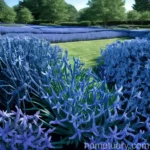
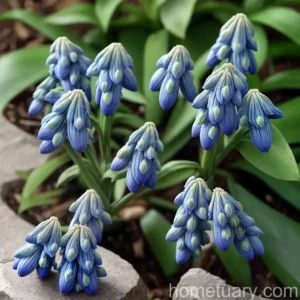
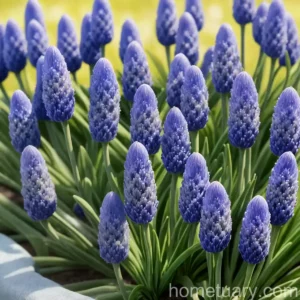
The Camassia leichtlinii ‘Blue Danube’ is a perennial bulbous plant that belongs to the family Asparagaceae. It is native to North America, particularly the Pacific Northwest region, where it thrives in wet meadows and along stream banks. This striking plant is known for its elegant spires of star-shaped, deep blue flowers that emerge in late spring to early summer, creating a mesmerizing display in gardens and natural landscapes alike.
Key Takeaways – Camassia leichtlinii ‘Blue Danube’ (Camas)
To provide a comprehensive understanding of the Camassia leichtlinii ‘Blue Danube’, we will explore the following key aspects:
- Culture
- Uses
- Water
- Sunlight
- Fertilizer
- Soil
- Pruning
- Propagation
- Container
- Popularity
- Common Diseases
- Common Pests
- Botanist’s Tips
- Fun Facts
- Links to External Resources
Now, let’s embark on an in-depth exploration of each of these aspects, uncovering the secrets of the Camassia leichtlinii ‘Blue Danube’ and how to nurture it effectively.
Culture
The cultural significance of Camassia leichtlinii ‘Blue Danube’ extends far beyond its aesthetic allure. Historically, this plant holds immense value for indigenous communities and has played a vital role in the ecosystem. Understanding its cultural context provides a deeper appreciation for the plant and its historical significance.
Uses
Historical Importance
The Camas plant (Camassia leichtlinii ‘Blue Danube’) has a rich historical background, particularly among Native American tribes in the Pacific Northwest. The bulbs of the Camas plant were an essential food source for many indigenous communities, who would harvest and cook them to create a nutritious and revered dish. The process of gathering and preparing Camas bulbs was a significant cultural tradition and symbolized the connection between indigenous communities and the land.
Ornamental Uses
Beyond its historical significance, the Camassia leichtlinii ‘Blue Danube’ is widely cherished for its ornamental beauty. Its striking blue flowers, which emerge in graceful spikes, make it a sought-after addition to gardens and landscapes. The plant’s visual appeal, coupled with its historical importance, adds a layer of cultural depth to its cultivation.
Water
Ensuring appropriate watering practices is crucial for the health and vitality of the Camassia leichtlinii ‘Blue Danube’. Understanding its water requirements will contribute to its overall well-being and flowering success.
When it comes to water, the Camas plant prefers consistent moisture, especially during its active growth period. However, it is important to avoid waterlogged conditions, as excessive moisture can lead to bulb rot. During the growing season, regular watering is essential, particularly during dry spells. Adequate moisture will support robust foliage and vibrant flower production.
Sunlight
The Camassia leichtlinii ‘Blue Danube’ thrives in partial to full sunlight. When selecting a planting location, it is advisable to choose a spot that receives at least 6 hours of direct sunlight per day. Adequate sunlight exposure encourages robust growth and promotes abundant flower production, ensuring that the plant realizes its full ornamental potential.
Fertilizer
Fertilizing the Camas plant is crucial for supporting its growth and enhancing its flowering display. Before planting, it is beneficial to incorporate organic matter, such as compost or well-rotted manure, into the soil to provide essential nutrients.
During the growing season, a balanced, all-purpose fertilizer can be applied to the soil around the plants. It is important to follow the manufacturer’s instructions regarding application rates and timing to prevent over-fertilization, which can be detrimental to the plant’s health.
Soil
The Camassia leichtlinii ‘Blue Danube’ thrives in moist, well-draining soil with a slightly acidic to neutral pH. The ideal soil type for Camas plants is rich in organic matter and provides good moisture retention without becoming waterlogged. Amending the soil with compost or peat moss improves its structure and fertility, creating an optimal growing environment for the plants.
Pruning
Pruning plays a minimal role in Camas plant care. However, removing spent flowers and seed pods can help redirect the plant’s energy into bulb development and future growth. Once the flowering period concludes, the seed heads can be deadheaded to prevent the plant from expending energy on seed production.
Propagation
The Camassia leichtlinii ‘Blue Danube’ can be propagated through division, which involves separating the bulbs and replanting them in desired locations. Division is typically performed when the plants become crowded or after the flowering period, allowing for the creation of new plantings and expansion of existing ones. By carefully dividing the bulbs and ensuring proper planting depth, successful propagation can be achieved.
Container Popularity
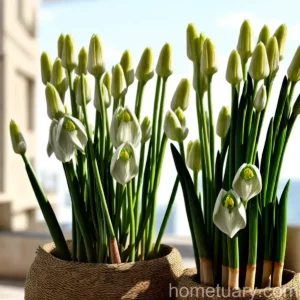
The Camas plant’s striking appearance and relatively low maintenance make it an excellent choice for container gardening. Its tall, elegant flowers create a captivating focal point in container arrangements, adding vertical interest to outdoor spaces. When selecting containers for Camas plants, opt for spacious pots with adequate drainage holes to promote soil aeration and prevent waterlogging.
Common Diseases
While the Camas plant is relatively resistant to diseases, it can be susceptible to certain issues under unfavorable growing conditions. Recognizing and addressing common diseases promptly is crucial for maintaining the plant’s health and vigor.
Disease Diagnosis
One of the most prevalent diseases that can affect Camas plants is botrytis blight, caused by the fungus Botrytis squamosa. This fungal disease can lead to rotting of foliage and flowers, tarnishing the plant’s appearance. Proper air circulation, avoiding overhead watering, and promptly removing affected plant parts can help prevent the spread of botrytis blight.
Common Pests
Pests are another potential concern for Camas plants, although they are relatively resistant to significant pest infestations. However, keeping an eye out for common pests and taking preventive measures is essential for preserving the plant’s health.
Botanist’s Tips
To foster the optimal growth and blooming of Camas plants, consider the following botanist’s tips:
- Mulching: Applying a layer of organic mulch around the plants helps regulate soil moisture, suppress weed growth, and insulate the bulbs during winter.
- Deadheading: Regularly removing spent flowers and seed heads redirects the plant’s energy and promotes a tidy appearance.
- Companion Planting: Pairing Camas plants with compatible companions, such as spring-blooming perennials or ornamental grasses, can enhance the overall visual impact of the garden while providing support for beneficial pollinators.
Fun Facts
- The Camas plant’s bulbs were a traditional food source for indigenous communities in the Pacific Northwest, symbolizing the deep cultural connection to the land.
- The genus name “Camassia” is derived from the Nez Perce word “qém’es,” which refers to the edible bulbs of the plant.
- Camassia leichtlinii ‘Blue Danube’ is an attractive addition to naturalistic or woodland garden settings, where its vibrant blue flowers create a captivating display in late spring to early summer.
Links to External Resources
- Camas: A Native American Tradition
- Botrytis Blight of Ornamentals
- Companion Planting in the Garden
- Growing Camassia
In conclusion, the Camassia leichtlinii ‘Blue Danube’ (Camas) is a plant of historical, cultural, and botanical significance that offers an enchanting presence in both natural and cultivated landscapes. By understanding its cultural uses, optimal growing conditions, and maintenance requirements, gardeners and plant enthusiasts can cultivate and appreciate this captivating plant with confidence. Whether incorporated into native plant gardens, mixed borders, or container arrangements, the Camassia leichtlinii ‘Blue Danube’ adds a touch of natural elegance and historical reverence to any setting.