Plant Scientist Blog: All About California Bur Clover (Medicago Polymorpha)
In this blog post, we will explore the fascinating world of California Bur Clover (Medicago Polymorpha). This plant is not only a boon for the ecological balance, but it also has numerous uses and benefits. We will delve into its culture, uses, best practices for its growth, common diseases and pests, propagation, and much more. So, let’s get started on this journey to understand the diverse aspects of California Bur Clover.
What is California Bur Clover (Medicago Polymorpha)?
California Bur Clover, scientifically known as Medicago Polymorpha, is a species of flowering plant in the legume family, Fabaceae. It is native to the Mediterranean region and western Asia but has been widely naturalized outside of its native range. This plant is an annual herb and a well-known forage for livestock and wildlife due to its high nutritional value.
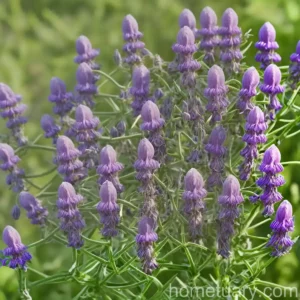
California Bur Clover has a unique growth habit, producing a profusion of small, clover-like flowers that are known to attract pollinators. It is also valued for its ability to fix atmospheric nitrogen in the soil, making it an essential component of sustainable farming practices.
Key Takeaways – California Bur Clover (Medicago Polymorpha)
Before we dive into the details of growing and caring for California Bur Clover, let’s summarize some key takeaways about this remarkable plant:
Culture
- Fast-growing annual legume
- Excellent forage and cover crop
- Benefits soil fertility through nitrogen fixation
Uses
- Forage for livestock and wildlife
- Soil improvement and erosion control
- Attracts pollinators and beneficial insects
Now that we have a brief overview, let’s explore the various aspects of California Bur Clover in more detail.
Growing California Bur Clover
When it comes to growing California Bur Clover, it is essential to consider its specific requirements for water, sunlight, soil, and fertilizer. By understanding these factors, you can ensure the optimal growth and health of this valuable plant.
Water
California Bur Clover has moderate water needs, and it is essential to provide consistent moisture, especially during its initial growth stages. However, this plant has good drought tolerance once it is established.
Sunlight
This species thrives in full sun to partial shade, making it adaptable to a wide range of light conditions. Thus, it can be grown in various settings, from open fields to partially shaded areas.
Fertilizer
As a legume, California Bur Clover has the unique ability to fix atmospheric nitrogen through its symbiotic relationship with nitrogen-fixing bacteria. Therefore, it requires minimal external nitrogen fertilization. However, incorporating organic matter into the soil before planting can provide an added nutritional boost.
Soil
California Bur Clover prefers well-drained soils with a slightly alkaline to neutral pH. It can adapt to a range of soil types, from sandy loam to clay, but it thrives best in fertile, well-drained soils.
Pruning
Pruning is not typically necessary for California Bur Clover, as it is primarily grown for its foliage and flowers in agricultural and ecological contexts. In naturalistic garden settings, pruning may be done to control its spread and maintain a tidy appearance.
Propagation
Propagation of California Bur Clover is primarily achieved through seed. The plant’s prolific reseeding nature allows it to readily establish in favorable growing conditions. Seed can be sown directly into the soil in the early spring or fall, depending on the local climate.
Container Popularity
While California Bur Clover is primarily grown in open fields for agricultural and ecological purposes, it can also be cultivated in containers for ornamental or experimental purposes. In container gardening, it is important to provide adequate space for the plant’s root system and ensure proper drainage.
Common Diseases
While California Bur Clover is relatively resistant to many common plant diseases, it may be susceptible to certain fungal pathogens under prolonged periods of high humidity and moisture. Monitoring for signs of disease and providing appropriate cultural care can help mitigate the risk of infection.
Disease Diagnosis
If you notice any abnormal discoloration, wilting, or stunted growth in California Bur Clover plants, it is advisable to consult with a plant pathologist to diagnose the specific disease and determine an effective course of action.
Common Pests
California Bur Clover is generally resistant to major pest infestations. However, it may attract aphids, grasshoppers, and weevils under certain conditions. Beneficial insects such as ladybugs and parasitic wasps can help naturally regulate pest populations.
Botanist’s Tips
For those passionate about cultivating California Bur Clover, consider some important tips for optimal growth and maintenance:
- Regularly monitor the plant for any signs of nutrient deficiencies or stress.
- Encourage beneficial insect populations to support natural pest control.
- Utilize California Bur Clover in crop rotation to improve soil fertility and structure.
Fun Facts
To enrich our understanding of California Bur Clover, let’s explore some interesting and lesser-known facts about this remarkable plant:
- The common name “bur clover” is derived from the plant’s small, burr-like seed pods that cling to animal fur and clothing, aiding in seed dispersal.
- Its flowers are a valuable nectar source for various pollinators, including bees and butterflies.
Links to External Resources
For more in-depth information about California Bur Clover, consider exploring the following external resources:
- Medicago Polymorpha: A Valuable Forage Species
- The Role of California Bur Clover in Sustainable Agriculture
- California Bur Clover as a Forage Plant: Livestock and Wildlife
Conclusion
In summary, California Bur Clover (Medicago Polymorpha) is a valuable and versatile plant with numerous ecological, agricultural, and ornamental uses. Its ability to improve soil fertility, attract beneficial insects, and provide nourishment for livestock and wildlife underscores its significance in diverse ecosystems. By understanding its specific cultural requirements and embracing best practices for its growth and management, we can harness the full potential of California Bur Clover in sustainable farming, habitat restoration, and horticulture.
As we continue to explore the multifaceted role of plants in our lives, California Bur Clover stands out as a prime example of the valuable contributions that plants make to the environment, agriculture, and biodiversity. Whether as a cover crop, forage plant, or ecological facilitator, California Bur Clover exemplifies the interconnectedness of plants with the world around us. By nurturing and appreciating plants like California Bur Clover, we can truly cultivate a greener and more sustainable future.
Remember to keep exploring the beauty and importance of plants, and stay curious about the remarkable botanical world that surrounds us. Thank you for joining me on this journey of discovery, and may your passion for plants continue to bloom!
Note: This blog post is intended for informational purposes only and does not serve as professional agricultural or botanical advice. For specific cultivation and management recommendations, consult with local agricultural extension services or experienced horticulturists.