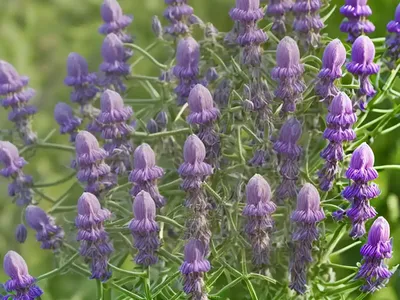
Snail Medic, Shield Medic (Medicago Scutellata)
Plants play a vital role in the ecosystem and are essential for sustaining life on earth. One such plant that is of significance for its ecological value.
Introduction
Plants play a vital role in the ecosystem and are essential for sustaining life on earth. One such plant that is of significance for its ecological value and multiple uses is the Snail Medic, also known as Shield Medic scientifically named Medicago scutellata. This blog post aims to provide an in-depth understanding of the Snail Medic plant, outlining its cultivation, uses, care tips, and ecological benefits, as well as its role in traditional medicine and sustainable agriculture. This resilient and versatile plant serves as an excellent choice for landscaping, habitat restoration, and agricultural practices, making it a valuable addition to any plant enthusiast’s collection.
What is Snail Medic, Shield Medic (Medicago scutellata)?
Botanical Overview
Medicago scutellata, commonly known as Snail Medic or Shield Medic, is a species of medick in the legume family, Fabaceae. It is a low-growing, annual or biennial herb that can reach heights of up to 40 cm. The plant is native to the Mediterranean region and is well-adapted to dry, sunny environments. It is known for its ability to fix nitrogen in the soil, providing an essential ecological service in nutrient-poor areas.
Morphological Features
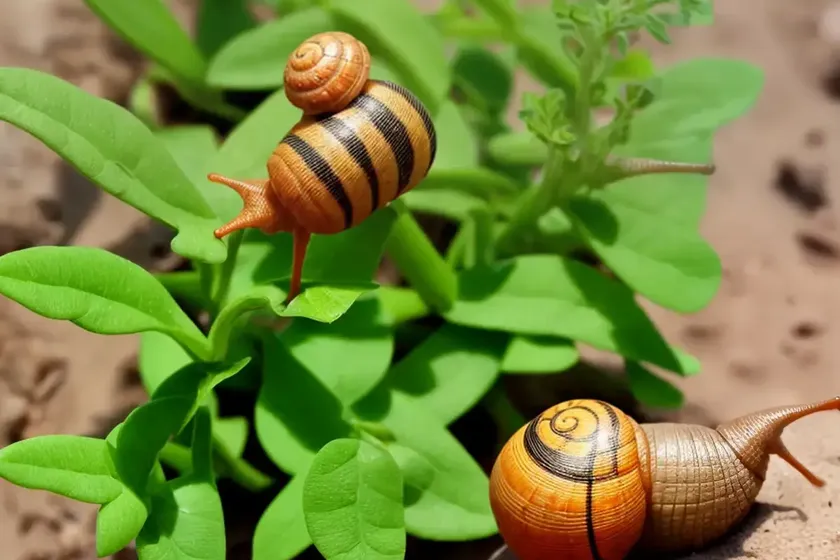
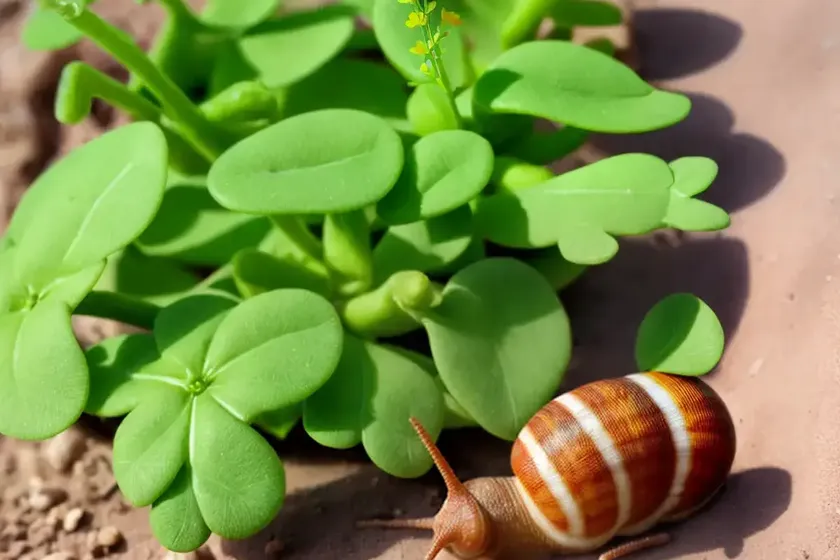
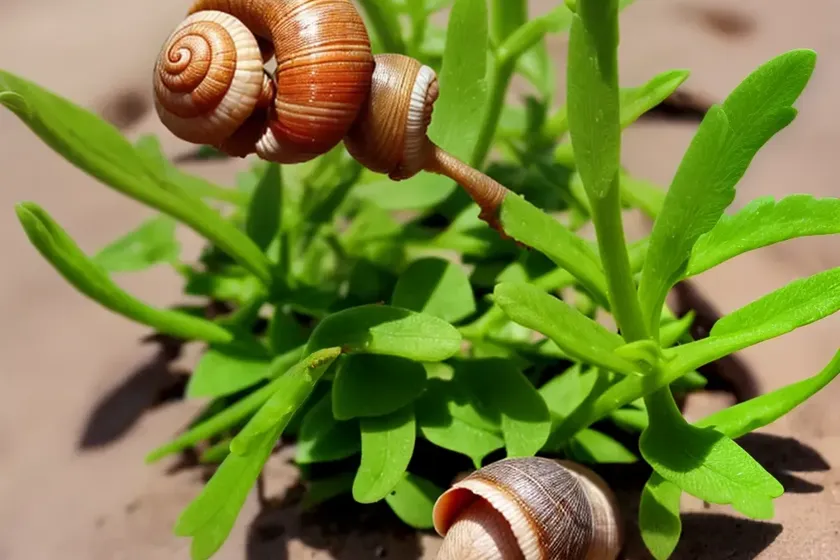
The plant features pinnate leaves with oblong leaflets and produces small, yellow flowers in dense clusters. The fruits are coiled, spiral-shaped pods containing the seeds, which are characteristic of plants in the Medicago genus. The seeds have a unique shape, resembling snail shells, which gives rise to the common name “Snail Medic.”
Ecological Role
Snail Medic is valuable for its nitrogen-fixing capabilities and acts as a pioneer species, colonizing disturbed areas and improving soil fertility. It forms mutualistic relationships with nitrogen-fixing bacteria, contributing to the overall health of the ecosystem. The plant also supports pollinators and wildlife, making it a valuable component of diverse habitats.
Key Takeaways – Snail Medic, Shield Medic (Medicago scutellata)
Cultivation
Snail Medic, also known as Shield Medic, is a resilient and adaptable plant that can thrive in various environmental conditions. Whether in a garden or agricultural setting, understanding its key cultivation requirements is essential for successful growth and development.
Uses
The uses of Snail Medic extend beyond ornamental purposes, encompassing ecological benefits, traditional medicine, and agricultural applications. Its versatile uses make it a valuable addition to sustainable landscapes and farming systems.
Water
Understanding the water requirements of Snail Medic is crucial for its overall health and vigor. By providing adequate hydration, the plant can thrive and contribute positively to its surroundings.
Sunlight
As a plant with origins in the Mediterranean region, Snail Medic is well-adapted to sunny environments. Understanding its sunlight needs is essential for ensuring optimal growth and flowering.
Fertilizer
While Snail Medic is capable of fixing nitrogen in the soil, supplemental fertilization may benefit its growth, especially in nutrient-poor soils. Choosing the right fertilizer and application method is essential for promoting its health and vigor.
Soil
The soil requirements of Snail Medic play a vital role in its successful cultivation. Understanding the ideal soil type, pH, and drainage conditions is essential for enabling the plant to thrive.
Pruning
Pruning can play a significant role in maintaining the health and appearance of Snail Medic. Understanding when and how to prune the plant is essential for promoting its overall vitality.
Propagation
The propagation methods of Snail Medic determine the ease of multiplying this plant for various applications. Understanding the suitable propagation techniques is crucial for successfully producing new plants.
Container Popularity
Snail Medic’s suitability for container growth makes it an attractive option for individuals with limited garden space. Exploring its potential as a container plant enhances its versatility in various settings.
Common Diseases
Being aware of the common diseases that affect Snail Medic is essential for timely diagnosis and intervention. Understanding disease prevention and management strategies is crucial for maintaining the plant’s health.
Common Pests
Anticipating and addressing common pests that affect Snail Medic is essential for its protection. Implementing effective pest management techniques is crucial for minimizing damage and promoting plant health.
Botanist’s Tips
Insights from botanists can provide valuable guidance for cultivating and caring for Snail Medic. Incorporating expert tips into plant care practices can enhance its overall well-being.
Fun Facts
Exploring the intriguing aspects of Snail Medic adds an element of fascination to its cultivation and utilization. Discovering the lesser-known facts about the plant enriches the overall experience of engaging with it.
Links to External Resources
Accessing external resources for further information on Snail Medic expands the knowledge base and provides valuable insights from additional perspectives. Exploring reputable sources enhances understanding and cultivates a deeper appreciation for the plant.
Cultivation of Snail Medic, Shield Medic (Medicago scutellata)
Water
Snail Medic, being a drought-tolerant species, demonstrates moderate water requirements. It is well-adapted to dry environments and can tolerate periods of water scarcity. However, consistent moisture is beneficial for optimal growth, especially during the germination and establishment phases.
- Watering Tips:
- During the initial growth stage, ensure that the soil is consistently moist but not waterlogged.
- Once established, reduce watering frequency, allowing the soil to partially dry out between watering sessions.
- Adjust watering practices based on environmental conditions, such as temperature and humidity, to meet the plant’s needs.
Sunlight
Shield Medic, as its common name suggests, thrives in sunny locations and exhibits excellent adaptability to full sun exposure. Adequate sunlight is crucial for promoting flowering and overall plant vigor, making it an ideal choice for gardens and landscapes with ample sunshine.
- Sunlight Requirements:
- Plant in a location that receives full sun for a significant portion of the day, preferably at least 6-8 hours of direct sunlight.
- Shield Medic benefits from uninterrupted exposure to sunlight, enhancing its photosynthetic capacity and overall growth.
- In regions with intense heat, partial shade during the hottest part of the day may offer protection from potential stress.
Fertilizer
While Snail Medic is capable of nitrogen fixation, supplementing its growth with appropriate fertilizer applications can support its development, especially in soils with limited nutrient availability.
- Fertilization Guidelines:
- Use a balanced, slow-release fertilizer or organic amendments to provide essential nutrients without promoting excessive vegetative growth.
- Focus on enhancing soil fertility and supporting microbial activity, which contributes to the overall health of the plant.
- Adjust fertilization practices based on soil composition, plant response, and seasonal growth patterns.
Soil
The soil requirements of Snail Medic play a crucial role in its successful cultivation. Understanding the ideal soil type, pH, and drainage conditions is essential for promoting its growth and resilience.
- Optimal Soil Conditions:
- Well-draining, sandy loam or loamy soils with a slightly acidic to neutral pH are preferred for Shield Medic.
- Adequate soil aeration and permeability support root development and prevent waterlogging, especially in regions prone to heavy rainfall.
- Conduct a soil test to assess nutrient levels and pH, and amend the soil as needed to create an optimal growing environment for Snail Medic.
Conclusion
Snail Medic, also known as Shield Medic (Medicago scutellata), is an extraordinary plant with diverse uses and ecological significance. From its nitrogen-fixing capabilities to its value in traditional medicine and sustainable agriculture, this plant offers a wealth of benefits. By understanding its cultivation, care tips, and ecological contributions, individuals can appreciate and harness the potential of this resilient species, contributing to sustainable landscapes, habitat restoration, and agricultural practices. Embracing the multifaceted nature of Snail Medic enriches our understanding of its importance and the myriad opportunities it presents for ecological stewardship and holistic well-being.