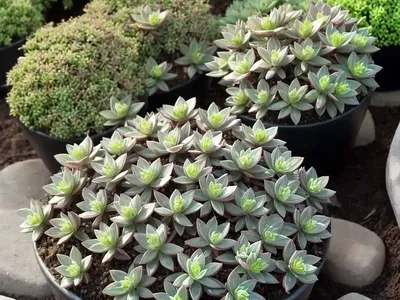
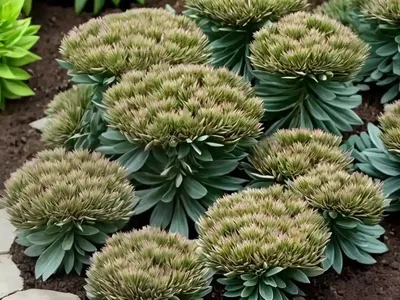
Azure Stonecrop (Sedum Caeruleum)
Azure Stonecrop, scientifically known as Sedum caeruleum, is a delightful perennial plant renowned for its aesthetic appeal and ease of cultivation. This.
Introduction
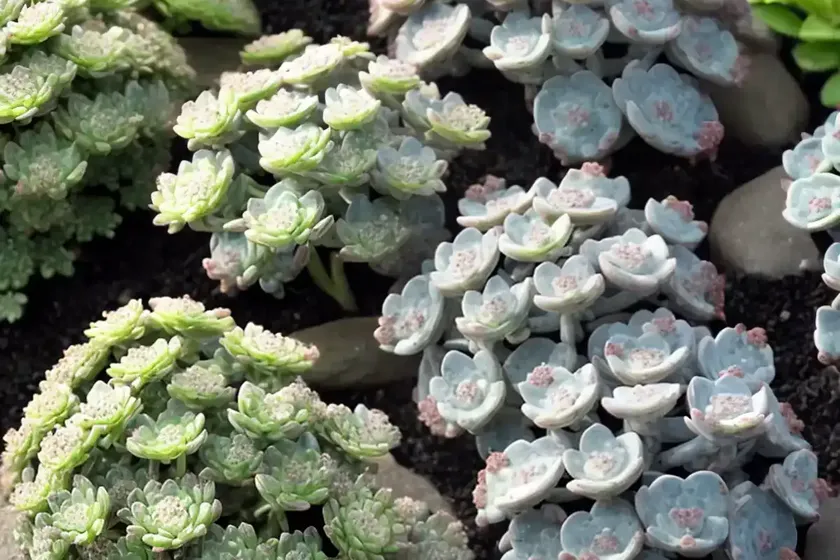
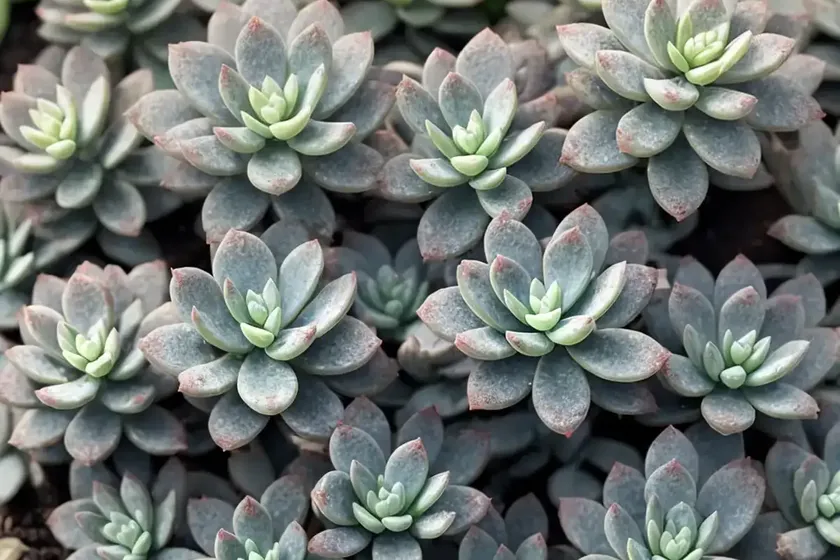
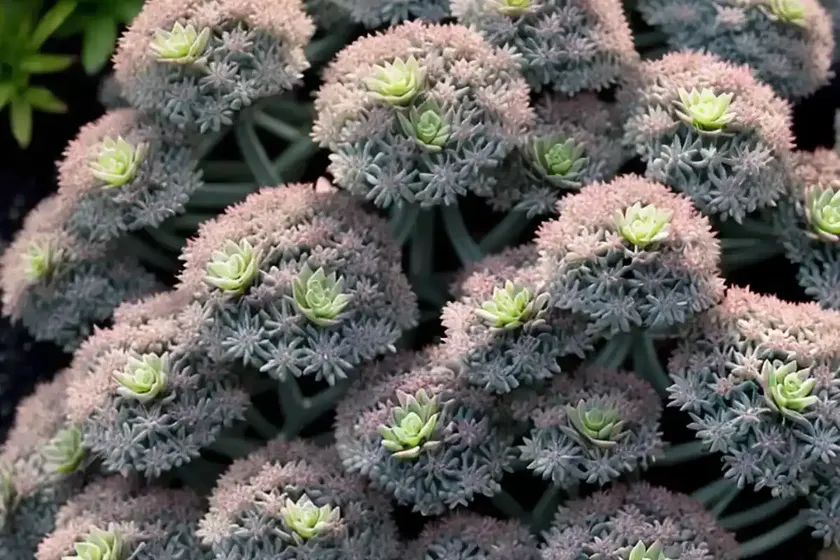
Azure Stonecrop, scientifically known as Sedum caeruleum, is a delightful perennial plant renowned for its aesthetic appeal and ease of cultivation. This low-maintenance plant is a favorite among gardeners and landscaping enthusiasts due to its adaptability, vibrant foliage, and clusters of star-shaped flowers. In this comprehensive guide, we will explore the characteristics, cultivation, care tips, uses, and much more of the Azure Stonecrop.
What is Azure Stonecrop (Sedum Caeruleum)?
Azure Stonecrop (Sedum caeruleum) is a species of flowering plant belonging to the Crassulaceae family. Native to Europe and Western Asia, this herbaceous perennial is characterized by its fleshy, succulent leaves and vibrant, star-shaped flowers. It thrives in a variety of growing conditions and is often used in rock gardens, borders, and containers to add a pop of color and visual interest to outdoor spaces.
Key Takeaways – Azure Stonecrop (Sedum caeruleum)
- Plant Name: Azure Stonecrop (Sedum Caeruleum)
- Family: Crassulaceae
- Native Habitat: Europe and Western Asia
- Foliage: Fleshy, Succulent
- Flowers: Star-shaped, Vibrant
- Growth: Herbaceous Perennial
- Uses: Rock gardens, Borders, Containers
Culture
Uses
The versatile Azure Stonecrop is valued for its various horticultural uses, including:
- Ornamental plant for gardens, rockeries, and borders
- Groundcover in open areas and slopes
- Container plant for patios, balconies, and terraces
- Attracting pollinators such as bees and butterflies
- Erosion control on embankments and hillsides
Care Tips
Proper care is essential for the optimal growth and health of Azure Stonecrop. Here are some key care tips to consider:
Water
- Water Requirements: Low to moderate water needs
- Watering Schedule: Allow the soil to dry between watering sessions
- Avoid Overwatering: Sensitive to excessive moisture
Sunlight
- Sun Exposure: Full sun to partial shade
- Ideal Locations: Thrives in bright, sunny spots with well-drained soil
Fertilizer
- Fertilization: Minimal fertilization required
- Application: Use a balanced, slow-release fertilizer in spring
Soil
- Soil Type: Well-draining, sandy or loamy soil
- pH Level: Neutral to slightly alkaline soil (pH 6.0-7.5)
- Soil Amendment: Incorporate organic matter for improved drainage
Pruning
- Pruning Needs: Minimal pruning required
- Pruning Time: Remove spent flowers to encourage new growth
- Winter Pruning: Cut back in late winter or early spring to promote new shoots
Propagation
Methods
Azure Stonecrop can be propagated through the following methods:
- Division: Divide established clumps in spring or early fall
- Cuttings: Root stem cuttings in a well-draining medium
Container Popularity
Given its adaptability and low-maintenance nature, Azure Stonecrop is popular for container gardening due to the following reasons:
- Compact growth habit suitable for containers
- Drought-tolerant nature ideal for potted environments
- Aesthetic appeal for outdoor living spaces
Common Diseases
Disease Diagnosis
While Azure Stonecrop is generally resilient, it may occasionally succumb to the following diseases:
- Powdery Mildew: White powdery spots on leaves
- Root Rot: Yellowing and wilting of foliage
- Leaf Spot: Dark spots and lesions on leaves
Disease Prevention
Preventive measures can help mitigate the risk of diseases affecting Azure Stonecrop:
- Provide proper air circulation to reduce humidity levels
- Avoid overhead watering to minimize moisture on foliage
- Monitor for early signs of disease and treat promptly
Common Pests
Pest Control
Although relatively pest-resistant, Azure Stonecrop may encounter the following pests:
- Aphids: Small, sap-sucking insects on new growth
- Snails and Slugs: Feeding damage on leaves and stems
Pest Management
Control measures for pests on Azure Stonecrop include:
- Handpicking and removing pests as needed
- Applying organic insecticidal soap for aphid control
- Using physical barriers to deter snails and slugs
Botanist’s Tips
Fun Facts
- Azure Stonecrop is known for its attraction to pollinators, making it a valuable addition to wildlife gardens.
- The fleshy leaves of Sedum caeruleum store water, enabling the plant to withstand periods of drought.
- This plant is a popular choice for xeriscaping and water-wise landscaping due to its low water requirements.
Links to External Resources
For more information on Azure Stonecrop (Sedum caeruleum), refer to the following resources:
- Royal Horticultural Society – Sedum
- Missouri Botanical Garden – Sedum
- University of Florida Extension – Sedum for Florida Landscapes
- North Carolina State University Extension – Growing Sedum
Conclusion
Azure Stonecrop (Sedum caeruleum) is a remarkable plant with a myriad of benefits for gardeners, landscapers, and nature enthusiasts. By understanding its characteristics, cultivation requirements, and care tips, individuals can cultivate and enjoy this stunning perennial with confidence. With its resilience, vibrant blooms, and ornamental appeal, Azure Stonecrop undoubtedly holds its place as a beloved plant in the horticultural world.
In conclusion, Azure Stonecrop stands as a testament to the beauty and adaptability of nature, captivating all who encounter its charm.
References
- Royal Horticultural Society. “Sedum.” https://www.rhs.org.uk/advice/profile?PID=424
- Missouri Botanical Garden. “Sedum.” http://www.missouribotanicalgarden.org/gardens-gardening/your-garden/help-for-the-home-gardener/advice-tips-resources/visual-guides/sedum.aspx
- University of Florida Extension. “Sedum for Florida Landscapes.” https://edis.ifas.ufl.edu/publication/EP121
- North Carolina State University Extension. “Growing Sedum.” https://content.ces.ncsu.edu/sedum-species-and-their-succulent-habitats