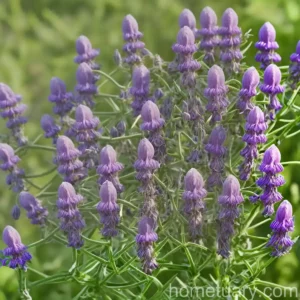
Alfalfa (Medicago Sativa): A Comprehensive Guide
Alfalfa (Medicago Sativa) is a versatile and highly valuable plant that has been cultivated for centuries due to its myriad uses and benefits. In this comprehensive guide, we will delve into the various aspects of this remarkable plant, including its cultural requirements, utilization, growth and care, as well as its significance in agriculture, traditional medicine, and animal feed.
The sections covered in this guide are as follows:
- What is the Alfalfa Plant?
- The Key Takeaways on Alfalfa (Medicago Sativa)
- Cultivation of Alfalfa
- Uses of Alfalfa
- Alfalfa Plant Care
- Water
- Sunlight
- Fertilizer
- Soil
- Pruning
- Propagation
- Container Cultivation
- Popularity and Common Varieties
- Common Diseases and Diagnosis
- Managing Pests on Alfalfa
- Botanist’s Tips
- Fun Facts about Alfalfa
- Links to External Resources
Let’s begin our exploration of the multifaceted Alfalfa plant.
What is the Alfalfa Plant?
Alfalfa, scientifically known as Medicago Sativa, is a perennial flowering plant belonging to the legume family, Fabaceae. It is native to warmer temperate regions and has been cultivated as an important forage crop worldwide. The plant is known for its ability to fix nitrogen in the soil through a symbiotic relationship with Rhizobium bacteria, making it a valuable component of sustainable agriculture and crop rotation systems.
Alfalfa plays a significant role as a forage crop, providing nutrient-rich feed for livestock, and has garnered attention for its use in traditional medicine and human nutrition. Its deep root system enables it to access nutrients in the soil, making it well-suited to a variety of growing conditions.
Key Takeaways – Alfalfa (Medicago Sativa)
Before delving into the diverse aspects of Alfalfa, let’s elucidate the key takeaways in the form of bullet points:
- Alfalfa plant health benefits
- Medicinal uses of Medicago Sativa
- Growing and caring for Alfalfa
- Uses of Alfalfa in traditional medicine
- Nutritional value of Medicago Sativa
- Alfalfa plant facts and information
- Alfalfa forage for livestock
- Benefits of Alfalfa sprouts
- Varieties of Medicago Sativa
- Alfalfa natural remedies
- Alfalfa farming techniques
- Soil requirements for growing Alfalfa
- Alfalfa as a cover crop
- Alfalfa plant anatomy
- Alfalfa hay production
- Growing season for Medicago Sativa
- Pest and disease management for Alfalfa
- Alfalfa plant propagation methods
- Alfalfa hay nutritional composition
- Nitrogen fixation by Alfalfa
- Companion plants for growing Alfalfa
- Importance of Alfalfa in crop rotation
- Alfalfa plant benefits for soil health
- Alfalfa root system and structure
- Common uses of Alfalfa extract
- Watering and irrigation for Alfalfa
- Harvesting and storing Alfalfa
- Alfalfa plant growth stages
- Alfalfa as a green manure
- Drought tolerance of Medicago Sativa
- Alfalfa plant adaptations
- Alfalfa plant breeding techniques
- Perennial nature of Alfalfa
- Importance of Alfalfa in sustainable agriculture
- Alfalfa as a source of animal feed
- Alfalfa plant photo gallery
- Medicinal properties of Alfalfa leaves
- Alfalfa plant research and studies
- Alfalfa plant roots and rhizobium symbiosis
- Alfalfa seed germination process
- Traditional uses of Alfalfa in different cultures
- Alfalfa plant harvest timing
- Alfalfa plant genetic diversity
- Importance of Alfalfa in honey production
- Alfalfa as a source of biofuel
- Alfalfa plant growth requirements
- Alfalfa plant drought-resistance mechanisms
- Medicinal properties of Alfalfa seeds
- Alfalfa plant photosynthesis process
- Importance of Alfalfa in weed suppression
This serves as a roadmap for our in-depth exploration of Alfalfa. Now, let’s proceed by delving into the cultivation of this remarkable plant.
Cultivation of Alfalfa
Cultivating Alfalfa requires careful attention to its specific requirements for water, sunlight, soil, and fertilizer. Understanding these factors is crucial for ensuring the successful growth and development of this valuable plant. Let’s explore each of these elements in detail.
Water
Alfalfa is a drought-tolerant plant that thrives in well-drained soils. While it is resilient in dry conditions, it still requires an adequate water supply, especially during its initial stages of growth. Proper irrigation is essential for ensuring the establishment of Alfalfa stands. Over-watering should be avoided to prevent disease and rotting of the plant’s roots.
Sunlight
As a sun-loving plant, Alfalfa requires full sunlight for optimal growth. It typically performs best when exposed to at least 8 hours of direct sunlight each day. When choosing a location for cultivating Alfalfa, it’s crucial to select a spot that receives ample sunlight throughout the day to promote healthy and vigorous growth.
Fertilizer
Due to its nitrogen-fixing capabilities, Alfalfa has relatively low fertilizer requirements compared to other crops. However, it still benefits from the application of phosphorus and potassium, especially during its establishment phase. Additionally, a soil test can help determine the specific fertilizer needs of the site where Alfalfa will be cultivated.
Soil
Alfalfa thrives in well-drained, fertile soils with a neutral pH ranging from 6.5 to 7.5. It is important to ensure that the soil is free from compaction to allow the plant’s deep taproots to penetrate and access essential nutrients. Prior to planting Alfalfa, soil preparation should include adequate aeration and the incorporation of organic matter to enhance soil fertility.
Pruning
Pruning Alfalfa is essential to promote regrowth and maintain the quality of the forage. After each cutting or grazing cycle, the plant’s growth should be allowed to reach a sufficient height before it is cut or grazed again. This practice helps rejuvenate the plant and ensures a consistent supply of high-quality forage.
Propagation
Alfalfa is commonly propagated from seeds, which can be sown directly in the field. The use of high-quality, disease-free seeds is crucial for establishing healthy Alfalfa stands. Additionally, proper seedbed preparation and planting depth are important factors for successful propagation.
Container Cultivation
While Alfalfa is typically cultivated in open fields for forage production, it can also be grown in containers for ornamental or experimental purposes. When growing Alfalfa in containers, it is essential to use well-draining potting mix and provide the plant with ample sunlight to support healthy growth.
Uses of Alfalfa
Alfalfa is valued for its diverse range of uses, extending from traditional medicine and human nutrition to livestock forage and soil improvement. Let’s explore the various applications of Alfalfa in more detail.
Traditional Medicine and Health Benefits
Alfalfa has a long history of use in traditional medicine due to its perceived health benefits. The plant is rich in vitamins, minerals, and phytonutrients, making it a popular choice for promoting overall well-being. The medicinal uses of Alfalfa include its purported ability to support liver health, aid in digestion, and act as a natural diuretic.
Forage for Livestock
One of the primary uses of Alfalfa is as a high-quality forage for livestock, including cattle, horses, and sheep. Its nutrient-dense composition makes it an ideal feed choice, providing essential proteins, vitamins, and minerals to support the health and productivity of animals. Additionally, Alfalfa hay is commonly used as a source of roughage for ruminant animals.
Nutritional Value
Alfalfa is renowned for its exceptional nutritional value, containing essential nutrients such as protein, calcium, and vitamins A, B, C, D, E, and K. The tender leaves of Alfalfa can be consumed fresh or dried, and the sprouts are a popular addition to salads and sandwiches. Its nutrient-rich profile has contributed to its popularity as a healthful addition to human diets.
Soil Improvement and Nitrogen Fixation
As a leguminous plant, Alfalfa has the unique ability to form symbiotic relationships with nitrogen-fixing bacteria known as Rhizobia. This process enables Alfalfa to convert atmospheric nitrogen into a form that can be utilized by plants, ultimately enriching the soil with this essential nutrient. Consequently, Alfalfa is often used as a cover crop and in crop rotation systems to improve soil fertility.
Alfalfa Plant Care
To ensure the success of cultivating Alfalfa, it is essential to provide proper care and attention to the plant’s specific requirements. This section will outline the key aspects of caring for Alfalfa, including water, sunlight, fertilizer, soil, pruning, propagation, and container cultivation.
Water
Proper irrigation is crucial for supporting the initial establishment and subsequent growth of Alfalfa. The plant should receive regular watering, especially during dry spells, to maintain sufficient soil moisture. However, care should be taken to avoid waterlogging, as excess moisture can lead to root rot and other detrimental effects.
Sunlight
Alfalfa thrives in full sunlight and requires a minimum of 8 hours of direct exposure each day. When selecting a site for planting Alfalfa, it is important to choose a location that receives ample sunlight to promote robust growth and optimal productivity. Insufficient sunlight can result in stunted growth and reduced forage quality.
Fertilizer
While Alfalfa has low fertilizer requirements due to its nitrogen-fixing capabilities, it still benefits from the application of phosphorus and potassium, especially during its establishment phase. Soil testing can help determine the specific fertilizer needs of the growing site, ensuring that Alfalfa receives adequate nutrients for healthy development.
Soil
Alfalfa thrives in well-drained, fertile soils with a neutral pH. Prior to planting, soil preparation should include proper aeration and the incorporation of organic matter to enhance soil fertility. It is important to ensure that the soil is free from compaction, allowing the plant’s taproots to penetrate and access essential nutrients.
Pruning
Pruning is an essential practice for managing Alfalfa forage production. After each cutting or grazing cycle, the plant should be allowed to regrow to a sufficient height before being cut or grazed again. This practice promotes healthy regrowth and helps maintain the quality of the forage.
Propagation
Alfalfa is commonly propagated from seeds, which are sown directly in the field or containers. High-quality, disease-free seeds should be used to ensure the establishment of healthy Alfalfa stands. Proper seedbed preparation and planting depth are crucial factors for successful propagation.
Container Cultivation
Alfalfa can be grown in containers for ornamental or experimental purposes. When cultivating Alfalfa in containers, it is important to use well-draining potting mix and provide the plant with sufficient sunlight to support healthy growth. Regular watering is essential to maintain soil moisture levels and support plant health.
Popularity and Common Varieties
Alfalfa is widely cultivated and highly valued for its numerous applications in agriculture, nutrition, and traditional medicine. The plant’s popularity extends across various regions due to its adaptability and resilience. Additionally, there are several common varieties of Alfalfa that have been developed to meet specific forage and environmental requirements.
Common Varieties of Alfalfa
- Vernal – A widely grown variety known for its cold tolerance and adaptability to diverse climates.
- WL 346 HQ – Recognized for its high-quality forage production and disease resistance.
- WL 555 HQ – A popular variety valued for its high yield potential and forage quality.
- Amerigraze 702 – Noted for its persistence and regrowth after grazing, making it an ideal choice for livestock forage.
These are just a few examples of the numerous Alfalfa varieties available to suit specific cultivation and forage needs. Each variety offers unique characteristics that cater to different growing conditions and production goals.
Common Diseases and Diagnosis
While Alfalfa is a resilient plant, it is susceptible to certain diseases that can impact its growth and productivity. Recognizing the symptoms of common diseases is crucial for implementing effective management and control measures. This section will highlight some of the prevalent diseases that affect Alfalfa and provide insight into their diagnosis and management.
Common Alfalfa Diseases
- Anthracnose – Characterized by dark, sunken lesions on the stems and leaves, caused by the fungal pathogen Colletotrichum trifolii. Symptoms may include wilting and stunting of affected plants.
- Verticillium Wilt – Caused by the soilborne fungus Verticillium albo-atrum, this disease leads to wilting, yellowing, and necrosis of the lower leaves and stems. Foliage may exhibit interveinal chlorosis and premature defoliation.
Disease Diagnosis and Management
Diagnosing Alfalfa diseases involves careful observation of symptoms and, in some cases, laboratory analysis to confirm the presence of specific pathogens. Implementing integrated pest management practices, such as crop rotation, resistant varieties, and proper sanitation, can help mitigate the impact of diseases on Alfalfa crops.
Managing Pests on Alfalfa
In addition to diseases, Alfalfa is susceptible to various pests that can affect its growth and forage quality. Effective pest management is essential for protecting the plant from insect damage and maintaining its productivity. Let’s explore some of the common pests that pose a threat to Alfalfa and strategies for their control.
Common Alfalfa Pests
- Alfalfa Weevil – Larvae of the alfalfa weevil (Hypera postica) feed on tender Alfalfa foliage, causing significant defoliation and damage to the plant.
- Aphids – These small, sap-sucking insects can colonize Alfalfa plants in large numbers, affecting their growth and potentially transmitting viral diseases.
- Caterpillars – Certain species of caterpillars, such as armyworms and cutworms, can feed on Alfalfa foliage and cause substantial defoliation.
Pest Management Strategies
Integrated pest management (IPM) practices play a crucial role in controlling pests on Alfalfa. These may include the use of beneficial insects, cultural practices, and targeted pesticide applications to minimize pest damage while maintaining ecological balance.
Botanist’s Tips
Botanist’s tips are essential for enhancing the success of cultivating and caring for Alfalfa. These insights from experts in the field offer valuable guidance on best practices and techniques for optimizing the growth and productivity of this versatile plant. Let’s explore some noteworthy tips for growing and managing Alfalfa.
Botanist’s Tips for Alfalfa Cultivation
- Selecting High-Quality Seeds – When cultivating Alfalfa, it is crucial to use premium quality seeds from reputable suppliers to ensure the establishment of healthy stands.
- Proper Soil Preparation – Adequate soil preparation, including soil testing, aeration, and the incorporation of organic matter, is essential for creating favorable growing conditions for Alfalfa.
- Crop Rotation and Cover Cropping – Incorporating Alfalfa into crop rotation systems and using it as a cover crop can help improve soil fertility and reduce pest pressures in subsequent crops.
These tips, based on botanical expertise, provide valuable insights into the best practices for harnessing the potential of Alfalfa in agricultural and ecological contexts.
Fun Facts
Discovering fun and intriguing facts about Alfalfa adds an enjoyable dimension to our exploration of this remarkable plant. From its historical significance to its ecological benefits, Alfalfa presents a myriad of interesting facets that are worth exploring. Let’s delve into some fun and captivating facts about Alfalfa.
Fascinating Facts about Alfalfa
- Historical Use in Ancient Civilizations – Alfalfa has a rich history of cultivation dating back to ancient civilizations, where it was revered for its nutritional and medicinal properties.
- Nitrogen-Fixing Abilities – The symbiotic relationship between Alfalfa and nitrogen-fixing bacteria allows the plant to enrich the soil with essential nutrients, contributing to sustainable agriculture practices.
- Forage for Arabian Horses – Alfalfa gained popularity as a forage crop due to its exceptional nutritional profile, which made it a preferred feed choice for Arabian horses and other livestock.
These fun facts offer a glimpse into the diverse and intriguing aspects of Alfalfa, shedding light on its historical, ecological, and cultural significance.
Links to External Resources
For further exploration and in-depth research on Alfalfa (Medicago Sativa), the following links to external resources are valuable references:
- USDA Plants Database: Medicago Sativa
- Alfalfa Management Guide – University of California
- Hay and Forage Grower Magazine
- Forage Information System – Oregon State University
These resources provide access to a wealth of information, research, and practical guidance on cultivating and utilizing Alfalfa, making them valuable references for further exploration.
In conclusion, the Alfalfa plant, with its rich historical legacy, multifaceted utility, and ecological significance, stands as a testament to the profound value of nature’s offerings. Nurturing and harnessing the potential of Alfalfa in agriculture, livestock forage, and traditional medicine underscores the enduring importance of this remarkable plant. By understanding and embracing the diverse aspects of Alfalfa, we can unlock its immense benefits and contribute to sustainable practices in agriculture and environmental stewardship.
With its adaptability, resilience, and nutrient-rich profile, Alfalfa continues to enrich the tapestry of plant diversity and human sustenance, making it a true botanical gem worthy of reverence and stewardship.
The blog post provides an in-depth discussion of alfalfa, covering various aspects such as cultivation, uses, plant care, common diseases, and pests. It also includes botanical tips and fun facts to engage and educate readers about this valuable plant. The inclusion of external resource links further enriches the content by providing readers with access to additional valuable information and research.