Buxus Sempervirens ‘Graham Blandy’ (Boxwood)
Buxus sempervirens ‘Graham Blandy’, commonly known as Boxwood, is a versatile and popular evergreen shrub in the family Buxaceae. This cultivar is.

Introduction to Buxus sempervirens ‘Graham Blandy’
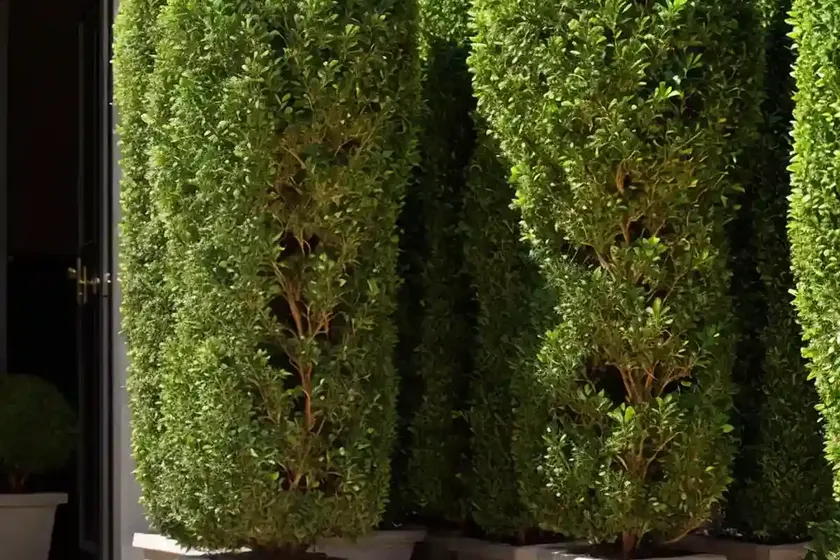
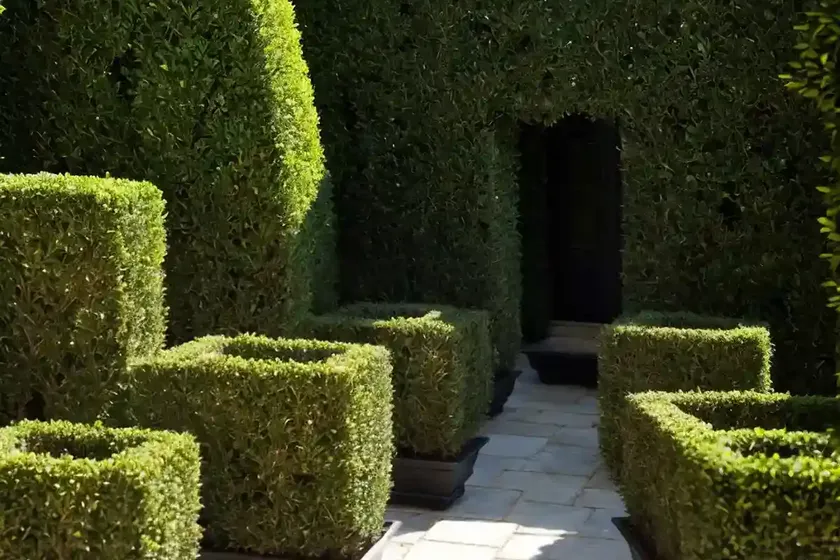
Buxus sempervirens ‘Graham Blandy’, commonly known as Boxwood, is a versatile and popular evergreen shrub in the family Buxaceae. This cultivar is characterized by its narrow, columnar growth habit, making it an excellent choice for hedges, containers, and formal gardens. Boxwood is revered for its dense, dark green foliage, which adds elegance and structure to various landscapes. In this comprehensive guide, we will delve into the various aspects of caring for Buxus sempervirens ‘Graham Blandy’, including its cultural requirements, uses, maintenance, common diseases, and much more.
Key Takeaways – Buxus sempervirens ‘Graham Blandy’ (Boxwood)
- Plant Name: Buxus sempervirens ‘Graham Blandy’ (Boxwood)
- Family: Buxaceae
- Type: Evergreen shrub
- Growth Rate: Slow to moderate
- Mature Height: 8-10 feet
- Mature Width: 1-2 feet
- Sunlight: Full sun to part shade
- Water: Moist, well-draining soil
- Hardiness Zone: 5-8
- Uses: Hedges, topiaries, containers, formal gardens
- Common Pests: Boxwood leafminer, boxwood mite, boxwood psyllid
- Common Diseases: Boxwood blight, Volutella blight
Culture
Water
Proper watering is crucial for the health and vigor of Buxus sempervirens ‘Graham Blandy’. During the first year after planting, it’s essential to keep the soil consistently moist but not waterlogged. Once established, boxwoods are relatively drought-tolerant, and they generally require watering during prolonged dry spells. However, it’s important to note that excessive moisture can lead to root rot, so ensure that the soil has adequate drainage.
Sunlight
Boxwoods thrive in a wide range of light conditions, from full sun to partial shade. While they can tolerate shade, they tend to grow more densely and retain their vibrant green color when given ample sunlight. When planting Buxus sempervirens ‘Graham Blandy’, consider a location that receives at least 4-6 hours of direct sunlight per day for optimal growth.
Fertilizer
Proper fertilization is essential for maintaining the health and vitality of Buxus sempervirens ‘Graham Blandy’. An annual application of a balanced, slow-release fertilizer in early spring can provide the necessary nutrients for robust growth. Additionally, incorporating organic matter into the soil during planting can support the long-term health of the shrub.
Soil
Boxwood thrives in well-draining, slightly acidic to neutral soil with a pH range of 6.5-7.2. Amending heavy clay soils with organic matter can enhance drainage and aeration, creating an ideal growing environment for Buxus sempervirens ‘Graham Blandy’.
Pruning
Proper pruning is key to maintaining the desired shape and density of Buxus sempervirens ‘Graham Blandy’. This cultivar responds well to regular pruning, making it an excellent choice for formal hedges and topiaries. To promote a dense growth habit, consider lightly shearing the plant in late spring or early summer. However, avoid pruning during the fall, as it may stimulate new growth that is susceptible to winter damage.
Propagation
While Buxus sempervirens ‘Graham Blandy’ can be propagated from seeds, this method is relatively slow and unpredictable. Instead, propagating through stem cuttings is a more reliable way to reproduce the desired traits of the cultivar. Taking semi-hardwood cuttings in late summer and rooting them in a well-draining medium can yield new plants with characteristics identical to the parent shrub.
Container Popularity
The narrow, upright growth habit of Buxus sempervirens ‘Graham Blandy’ makes it well-suited for container gardening. It adds a touch of classic elegance to outdoor spaces and serves as a stunning focal point or accent plant in patio containers and formal gardens. When cultivating boxwoods in containers, it’s essential to ensure adequate drainage and provide regular maintenance to support healthy growth.
Common Diseases
Disease Diagnosis
Buxus sempervirens ‘Graham Blandy’ is susceptible to several diseases, with boxwood blight and Volutella blight being the most notable. Boxwood blight, caused by the fungus Calonectria pseudonaviculata, presents as dark spots or lesions on the leaves, eventually leading to defoliation and dieback. On the other hand, Volutella blight, caused by the fungi Pseudonectria buxi and Volutella buxi, manifests as orange-brown leaf spots and cankers.
Common Pests
Boxwood Leafminer
The boxwood leafminer (Monarthropalpus flavus) is a common pest that can cause significant damage to Buxus sempervirens ‘Graham Blandy’. The larvae of this fly species tunnel within the leaves, leading to characteristic blistering and discoloration. Monitoring for early signs of leafminer activity and applying targeted insecticidal treatments can help manage infestations.
Boxwood Mite
Boxwood mites, particularly the Eurytetranychus buxi species, are microscopic pests that feed on the underside of boxwood leaves, causing stippling and bronzing. Regularly inspecting the foliage for mite infestations and employing horticultural oils or insecticidal soaps can help control these pests.
Botanist’s Tips
-
Companion Plants: Pair Buxus sempervirens ‘Graham Blandy’ with low-growing perennials such as hostas, heucheras, or ornamental grasses to create visually appealing combinations in garden beds or containers.
-
Winter Care: Protect boxwoods from heavy snow accumulation and winter burn by wrapping them with burlap or constructing temporary windbreaks in exposed locations.
-
Growth Rate: While boxwoods are generally known for their slow to moderate growth, maintaining proper cultural conditions can promote healthier and more vigorous growth.
Fun Facts
-
The genus name “Buxus” is derived from the Latin word “boxus,” which refers to the hard and dense wood of boxwood.
-
Boxwood has a rich history and has been used for centuries in topiary, as well as for crafting musical instruments, such as flutes and decorative woodwork.
Links to External Resources
For additional information on Buxus sempervirens ‘Graham Blandy’ (Boxwood) and related topics, consider exploring the following resources:
- American Boxwood Society
- The American Horticultural Society
- Royal Horticultural Society
- University Cooperative Extension Services
- Gardening Know How
- National Gardening Association
In conclusion, Buxus sempervirens ‘Graham Blandy’ (Boxwood) is a remarkable plant with a rich heritage, versatile uses, and distinct cultural requirements. By understanding and implementing the recommended care practices, enthusiasts and horticulturists can enjoy the timeless beauty and enduring charm of this exceptional evergreen shrub. Whether used as a formal hedge, a stunning container specimen, or a classic topiary, Buxus sempervirens ‘Graham Blandy’ offers enduring appeal and enduring elegance in various landscape settings.