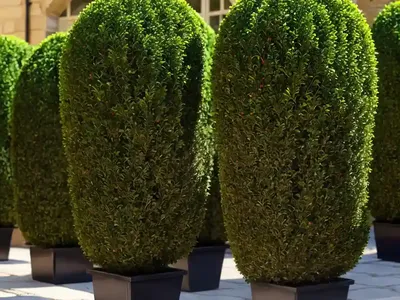
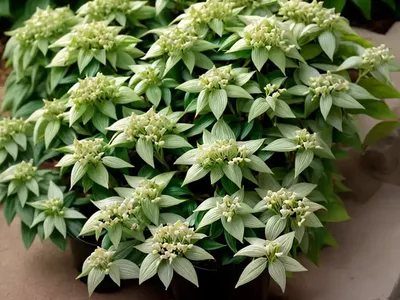
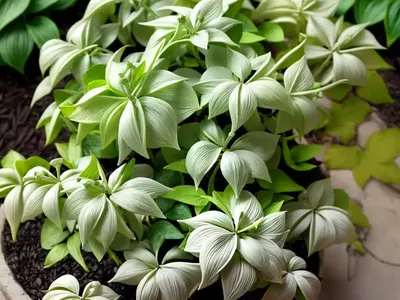
Buxus Microphylla Var. Japonica ‘Green Beauty’ (Japanese Boxwood)
Buxus microphylla, commonly known as Japanese Boxwood, is a species of evergreen shrubs that belongs to the Buxaceae family. This particular variety, Buxus.
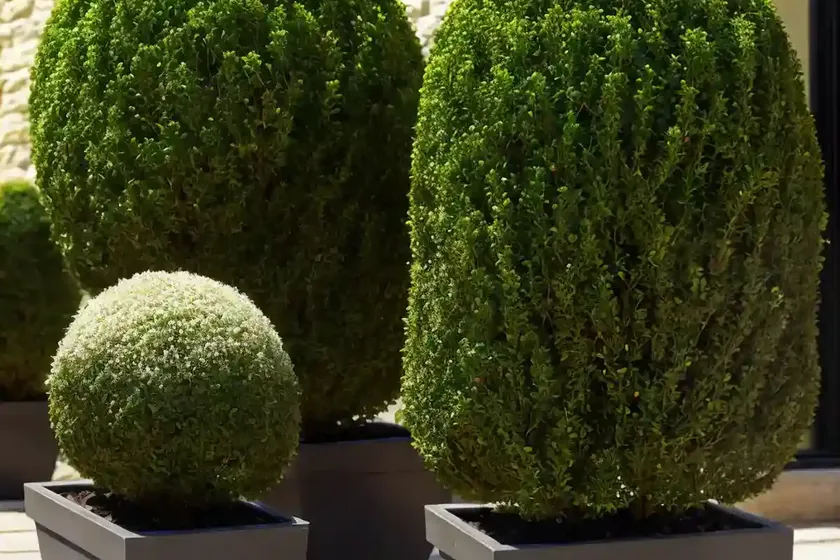
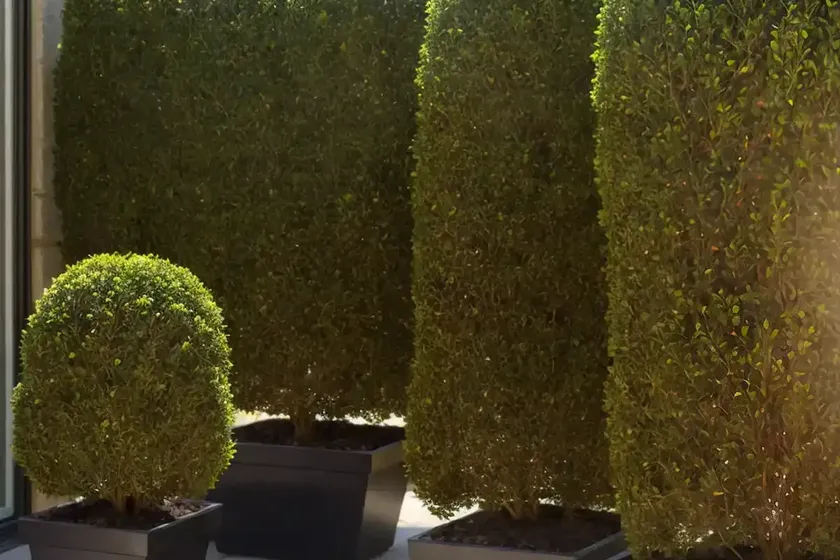
Buxus microphylla, commonly known as Japanese Boxwood, is a species of evergreen shrubs that belongs to the Buxaceae family. This particular variety, Buxus microphylla var. japonica ‘Green Beauty,’ is a prized ornamental plant in landscaping due to its compact growth habit, small glossy leaves, and versatility. In this comprehensive guide, we will delve into the culture, uses, care requirements, common diseases, and maintenance tips for Buxus microphylla var. japonica ‘Green Beauty,’ also known as Japanese Boxwood.
Key Takeaways – Buxus microphylla var. japonica ‘Green Beauty’
- Scientific Name: Buxus microphylla var. japonica ‘Green Beauty’
- Common Names: Japanese Boxwood ‘Green Beauty,’ Variegated Japanese Boxwood, Dwarf Boxwood ‘Green Beauty’
- Family: Buxaceae
- Growth Habit: Compact, evergreen shrub
- Uses: Landscaping, hedging, topiary, border planting
- Maintenance: Requires regular pruning, well-draining soil, and moderate water
Culture
Uses
Buxus microphylla var. japonica ‘Green Beauty’ is a versatile plant that finds several uses in landscaping and garden design. Its dense, compact growth habit and small, rounded leaves make it an excellent choice for various applications, including:
- Hedging: Japanese Boxwood is often used for creating formal hedges due to its dense foliage and ability to withstand regular pruning, resulting in a neat and well-defined hedge.
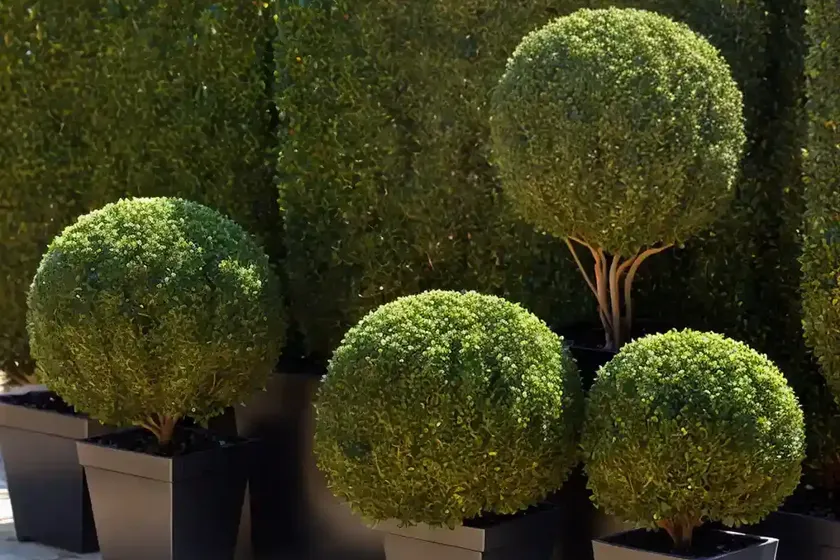
- Topiary: The malleable nature of Japanese Boxwood makes it suitable for shaping into various topiary forms, adding an artistic and whimsical touch to gardens.
- Border Planting: Its low, mounding growth habit makes it an ideal choice for border plants, providing a neat and defined edge to garden beds and pathways.
- Container Planting: The compact nature of ‘Green Beauty’ makes it well-suited for container gardening, adding evergreen interest to patios, balconies, and other outdoor spaces.
Water
Proper watering is essential for the health and vigor of Japanese Boxwood. While it is important to ensure an adequate moisture supply, it is equally crucial to avoid waterlogging, which can lead to root rot and other water-related issues. The following guidelines can help in maintaining optimal soil moisture levels for Buxus microphylla var. japonica ‘Green Beauty’:
- Established Plants: Once established, Japanese Boxwood generally requires regular watering, especially during dry spells. Water deeply, ensuring that the soil around the root zone is moist but not waterlogged.
- Container Plants: If grown in containers, check the moisture levels regularly, as containers tend to dry out more quickly. Water thoroughly when the top inch of the soil feels dry to the touch.
- Mulching: Applying a layer of organic mulch around the base of the plant can help retain soil moisture and regulate the temperature of the root zone.
Sunlight
Japanese Boxwood ‘Green Beauty’ thrives in locations with partial to full sunlight. Adequate sunlight is essential for promoting healthy growth and maintaining the desired compact form of the plant. When selecting a planting site or positioning containers, consider the following sunlight requirements:
- Full Sun: While Japanese Boxwood can tolerate full sun conditions, especially in cooler climates, it generally benefits from some protection during the hottest part of the day, particularly in regions with intense summer heat.
- Partial Shade: In warmer climates, providing partial shade during the hottest hours of the day can help prevent leaf scorch and maintain the plant’s overall health and appearance.
Fertilizer
Proper fertilization is crucial for promoting the growth and vitality of Buxus microphylla var. japonica ‘Green Beauty.’ A balanced fertilizer with a slow-release formula is generally recommended to provide essential nutrients over an extended period. Consider the following guidelines for fertilizing Japanese Boxwood:
- Timing: Fertilize Japanese Boxwood in early spring before new growth begins. A second application in late spring or early summer can further support healthy growth.
- Application: Apply a balanced, slow-release fertilizer specifically formulated for shrubs and ornamental plants. Follow the manufacturer’s recommendations regarding the application rate and method.
- Soil pH: Japanese Boxwood prefers slightly acidic to neutral soil (pH 6.0-7.0). Consider conducting a soil test to determine the pH and address any soil amendments if necessary.
Soil
The soil requirements of Buxus microphylla var. japonica ‘Green Beauty’ are integral to its overall health and performance. Well-draining, fertile soil with a slightly acidic to neutral pH provides an optimal growing environment for Japanese Boxwood. Consider the following soil-related considerations when cultivating and maintaining ‘Green Beauty’:
- Drainage: Ensure that the planting site or container provides good drainage, as Japanese Boxwood is susceptible to root rot and other water-related issues in poorly-drained soil.
- Soil Structure: A loamy, well-aerated soil with good water retention capabilities is well-suited for Japanese Boxwood. Incorporating organic matter, such as compost, into the soil can improve its structure and fertility.
- pH Preference: Aim for a slightly acidic to neutral soil pH range of 6.0-7.0. Adjustments can be made based on the results of a soil test to create an optimal growing environment for ‘Green Beauty.’
Pruning
Proper pruning is essential for maintaining the desired shape, density, and overall appearance of Buxus microphylla var. japonica ‘Green Beauty.’ Regular pruning can help control the size of the plant, rejuvenate older growth, and promote a compact, well-defined form. Consider the following pruning guidelines for Japanese Boxwood:
- Timing: Prune Japanese Boxwood in late winter or early spring before new growth emerges. Avoid pruning in late fall, as the fresh cuts may be susceptible to winter damage.
- Tools: Use sharp, clean pruning shears to make precise cuts, avoiding tearing or crushing the plant tissue. Disinfect the pruning tools before and after use, especially when pruning multiple plants.
- Techniques: When pruning, aim to maintain the natural habit of the plant while removing any damaged, overgrown, or wayward branches. Regular light pruning can be more effective and less stressful for the plant than infrequent heavy pruning.
- Shaping: Japanese Boxwood is amenable to shaping and responds well to shearing. However, avoid shearing into the old wood, as it may impede new growth and lead to a less attractive appearance.
- Thinning: Periodically thinning out the inner foliage and crossing branches can improve air circulation and light penetration, reducing the risk of disease and promoting overall plant health.
Propagation
Propagation of Buxus microphylla var. japonica ‘Green Beauty’ can be achieved through various methods, including stem cuttings, division, and layering. Each propagation technique has its benefits and considerations, allowing for the multiplication of ‘Green Beauty’ plants to expand their presence in the landscape or for sharing with fellow gardening enthusiasts. Consider the following propagation methods for Japanese Boxwood:
Stem Cuttings
- Timing: Collect semi-hardwood stem cuttings in early summer, selecting healthy, non-flowering shoots from the current season’s growth.
- Preparation: Prepare the cuttings by removing the lower leaves and making a clean, angled cut at the base. Apply a rooting hormone powder to encourage root development.
- Planting: Place the prepared cuttings in a well-draining rooting medium, such as a mix of perlite and peat moss. Ensure proper moisture and humidity levels to facilitate rooting.
- Care: Provide consistent moisture and indirect light to the cuttings while they develop roots. Once rooted, the young plants can be potted up or transplanted into the desired location.
Division
- Established Plants: Divide mature Japanese Boxwood plants in early spring before new growth starts. Dig up the root ball and carefully separate it into multiple sections, each containing viable roots and shoots.
- Planting: Replant the divided sections in prepared soil or containers, ensuring adequate space and proper soil moisture.
- Care: Water the newly divided plants regularly, providing the necessary care to support their establishment and regrowth.
Layering
- Branch Selection: Select a healthy, flexible branch close to the ground and remove a section of leaves from the stem where it will come into contact with the soil.
- Preparation: Gently wound the area of the branch where the leaves were removed, applying a rooting hormone if desired. Bury the wounded section in a prepared trench or container filled with loose, well-draining soil.
- Encouraging Rooting: Keep the soil around the buried section consistently moist, providing the necessary care for the layered branch to develop roots.
- Separation: Once the layered branch has developed a strong root system, it can be separated from the parent plant and transplanted to a new location.
Container Popularity
Buxus microphylla var. japonica ‘Green Beauty’ is a popular choice for container gardening, especially in areas where space is limited, or specific design needs arise. Its evergreen foliage, compact habit, and versatility make it well-suited for thriving in containers on patios, balconies, or as part of landscape compositions. Consider the following reasons for the popularity of ‘Green Beauty’ in container gardening:
- Space Efficiency: Japanese Boxwood’s compact growth habit and malleable nature make it ideal for container gardening, allowing for the creation of green focal points in limited spaces.
- Versatile Design Element: ‘Green Beauty’ adds evergreen interest and structure to outdoor living spaces, providing a year-round backdrop for seasonal planting and design accents.
- Accessibility: The use of containers allows for the convenient placement of Japanese Boxwood in various locations, facilitating easy maintenance, pruning, and care.
Container Common Diseases
While container gardening offers numerous advantages, it is essential to be mindful of potential diseases that can affect plants grown in containers, including Buxus microphylla var. japonica ‘Green Beauty.’ Being proactive in recognizing and addressing common diseases can help maintain the health and vitality of container-grown Japanese Boxwood. Consider the following common diseases that may affect ‘Green Beauty’ in container gardening:
Boxwood Blight
- Causal Agent: The fungal pathogen Calonectria pseudonaviculata (syn. Cylindrocladium buxicola) is responsible for causing boxwood blight.
- Symptoms: Look for characteristic brown leaf spots, black stem lesions, and overall defoliation. Infected plants may exhibit dieback and a noticeable decline in vigor.
- Management: Implement cultural practices to reduce the risk of boxwood blight, including sanitation, proper spacing, and avoiding overhead watering. Fungicidal treatments may be necessary in severe cases.
Leaf Spot Diseases
- Causal Agents: Various fungal pathogens, such as Colletotrichum spp. and Macrophoma spp., can cause leaf spot diseases in Buxus species.
- Symptoms: Watch for the appearance of small, discolored spots on the leaves, which may enlarge and coalesce over time. Infected foliage may exhibit premature defoliation under severe conditions.
- Management: Provide proper air circulation, avoid overhead irrigation, and remove and dispose of infected plant debris. Fungicidal treatments may be employed if necessary.
Phytophthora Root Rot
- Causal Agent: Species of the soil-borne pathogen Phytophthora can lead to root rot in container-grown plants, including Japanese Boxwood.
- Symptoms: Look for stunted growth, yellowing foliage, and a general decline in the plant’s health. Roots may exhibit brown discoloration and decay.
- Management: Ensure proper drainage in the container, and avoid waterlogging that can lead to root rot. Consider using well-draining soil mixes, and monitor the moisture levels to prevent overly wet conditions.
Disease Diagnosis
Prompt and accurate diagnosis of plant diseases is crucial in implementing effective management strategies and preserving the health of Buxus microphylla var. japonica ‘Green Beauty.’ By familiarizing yourself with the signs and symptoms of common diseases, you can take proactive measures to address any issues that may arise. Consider the following key aspects of disease diagnosis for Japanese Boxwood:
Symptoms to Observe
When inspecting ‘Green Beauty’ and other boxwood plants for signs of disease, pay close attention to the following symptoms:
- Leaf Spots and Lesions: Look for the presence of discolored spots, lesions, or browning on the leaves, which may indicate fungal diseases such as leaf spot and blight.
- Defoliation: Keep an eye on any premature dropping of leaves, especially if it occurs outside of the normal seasonal patterns.
- Dieback and Decline: Note any excessive dieback of branches, as well as a general decline in plant vigor, which can be indicative of various underlying issues, including root rot.
Laboratory Analysis
If you suspect a disease affecting Japanese Boxwood ‘Green Beauty,’ consider submitting samples to a reputable plant pathology laboratory for further analysis. Laboratory tests can help confirm the presence of specific pathogens and provide valuable insights for tailored disease management strategies.
Professional Consultation
In cases where the diagnosis of a plant disease is challenging or remains inconclusive, seeking assistance from knowledgeable horticulturists, extension specialists, or plant health experts can aid in accurately identifying the issue and determining effective solutions.
Common Pests
While Buxus microphylla var. japonica ‘Green Beauty’ is generally resistant to pest infestations, several common pests can pose potential challenges to the health and appearance of Japanese Boxwood. Being vigilant in monitoring for pests and taking appropriate measures can help mitigate their impact. Consider the following common pests associated with ‘Green Beauty’ and their management:
Boxwood Leafminer (Monarthropalpus spp.)
- Identification: Look for the presence of small, yellow or brown blisters on the leaves, indicating the activity of the boxwood leafminer larvae within the foliage.
- Management: Prune and dispose of affected plant parts, and consider introducing natural predators, such as parasitic wasps, for biological control. In severe cases, insecticidal treatments may be warranted.
Boxwood Psyllid (Psylla spp.)
- Symptoms: Psyllid feeding can result in distorted, cupped leaves and a characteristic white, waxy coating on the undersides of the foliage.
- Control: Encourage natural predators and parasites of psyllids, and consider horticultural oils or insecticidal soaps for managing infestations.
Boxwood Mites
- Identification: Signs of mite activity may include stippled or bronzed foliage and fine webbing on the plant, particularly in the vicinity of the mite colonies.
- Management: Utilize miticides labeled for use on boxwood to target mite infestations, applying treatments according to the manufacturer’s instructions.
Scale Insects
- Symptoms: Look for the presence of scale insects on the leaves or stems, appearing as small, immobile bumps often with a protective waxy covering.
- Control: Implement cultural practices to discourage scale infestations, such as removing and disposing of heavily infested plant parts. Targeted insecticidal treatments may be necessary for managing severe infestations.
Botanist’s Tips
As a botanist, maintaining the health and beauty of Buxus microphylla var. japonica ‘Green Beauty’ involves a combination of horticultural knowledge, observational skills, and proactive plant care practices. Consider the following botanist’s tips for cultivating and maintaining Japanese Boxwood:
Site Selection
- Choose a well-draining location: Select planting sites with good drainage to prevent waterlogged conditions that can negatively impact the plant’s health.
- Consider microclimatic influences: Take into account factors such as sun exposure, wind patterns, and temperature variations when choosing the optimal location for ‘Green Beauty.’
Regular Monitoring
- Pest and Disease Surveillance: Regularly inspect Japanese Boxwood for signs of pests and diseases, addressing any issues promptly to prevent widespread damage.
- Watering and Soil Moisture: Monitor soil moisture levels to ensure the plant receives adequate water without being subjected to waterlogging.
Pruning Practices
- Precision Pruning: Use sharp, clean pruning tools to make precise cuts, promoting the plant’s overall health and maintaining its desired form.
- Avoid Heavy Pruning: Plan for regular, light pruning to shape and maintain ‘Green Beauty,’ minimizing stress to the plant.
Soil and Fertilization
- Soil Care: Assess soil structure and composition, amending as necessary to provide a favorable growing environment for Japanese Boxwood.
- Balanced Fertilization: Apply a balanced, slow-release fertilizer in the recommended amounts and timing to support the plant’s growth and vitality.
Optimal Care
- Successful Propagation: Utilize effective propagation methods to expand the presence of Japanese Boxwood in the landscape, ensuring the production of healthy, quality plants.
- Cultural Practices: Implement effective cultural practices such as mulching, proper watering, and site preparation to create an optimal growing environment for ‘Green Beauty.’
Fun Facts
- Japanese Boxwood has been cultivated for centuries and holds a significant place in traditional European formal gardens, particularly for creating intricate parterre designs and low hedges.
- The dense foliage of ‘Green Beauty’ provides valuable shelter and nesting sites for small birds, contributing to biodiversity in the garden.
- Japanese Boxwood has a long history of use in bonsai culture, where its small leaves, ability to respond well to pruning, and adaptability make it a favored choice for creating miniature landscapes.
Links to External Resources
For further information on Buxus microphylla var. japonica ‘Green Beauty’ and related topics, the following external resources offer valuable insights and additional details for plant enthusiasts:
- American Society for the Prevention of Cruelty to Animals (ASPCA) – Japanese Boxwood
- Missouri Botanical Garden – Buxus microphylla
- University of Florida IFAS Extension – Boxwood Pest Control
The diverse uses, compact growth habit, and ornamental characteristics of Buxus microphylla var. japonica ‘Green Beauty’ make it a highly valued plant in landscaping and garden design. By understanding its culture, care requirements, and potential challenges, enthusiasts and horticulturalists can appreciate and cultivate the beauty of Japanese Boxwood in diverse settings.