Buxus ‘Green Velvet’ (Boxwood)
When it comes to adding elegance and structure to a garden or landscape, few plants can rival the timeless beauty and versatility of Buxus ‘Green Velvet’.
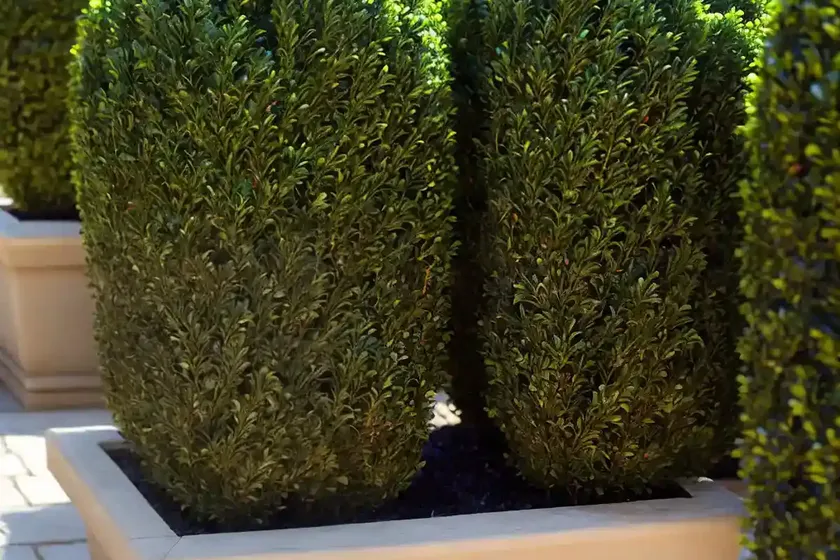
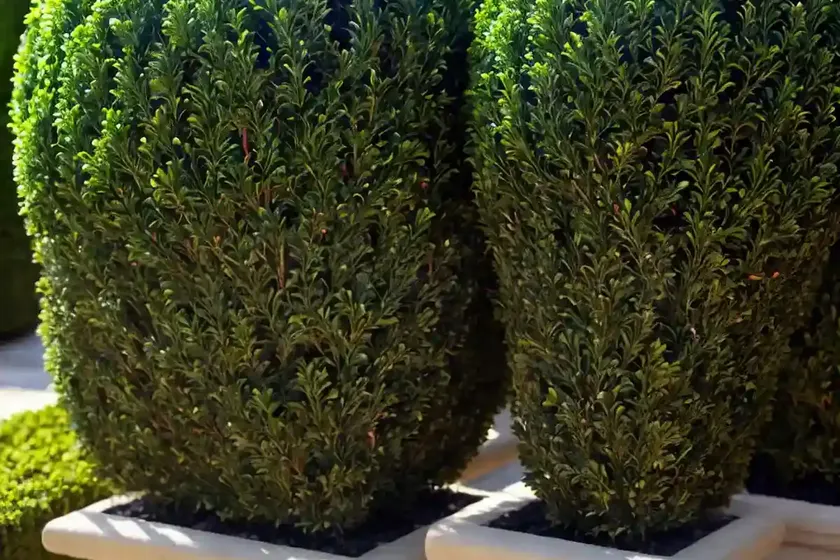
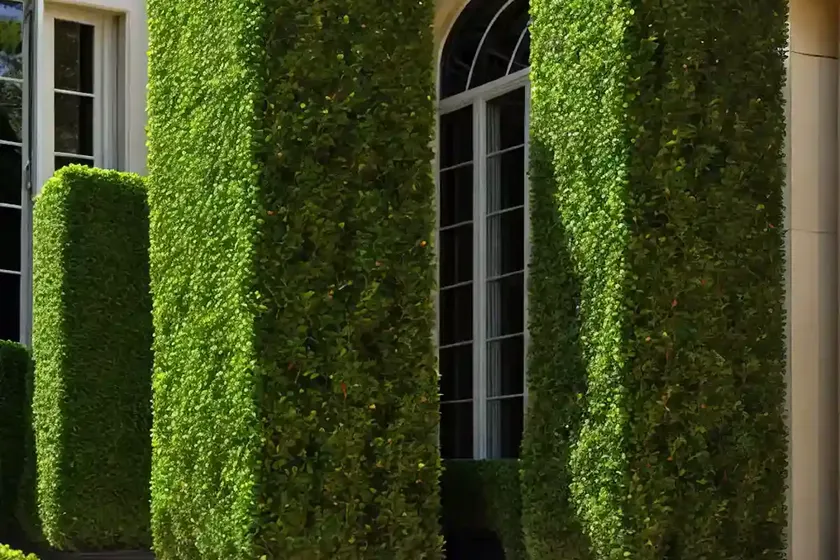
When it comes to adding elegance and structure to a garden or landscape, few plants can rival the timeless beauty and versatility of Buxus ‘Green Velvet’ or commonly known as Boxwood. This evergreen shrub is beloved by gardeners and landscapers for its lush green foliage, compact growth habit, and ease of maintenance. In this comprehensive guide, we will delve into every aspect of this iconic plant, from its cultural preferences to its propagation and common diseases. Whether you’re a seasoned horticulturist or a novice gardener, this guide will equip you with the knowledge to cultivate and care for Buxus ‘Green Velvet’ with confidence and success.
What is Buxus ‘Green Velvet’ (Boxwood)?
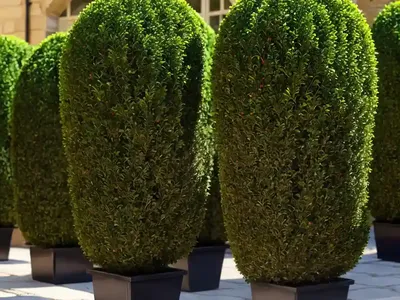
Buxus ‘Green Velvet’ is a cultivar of the boxwood species (Buxus sempervirens) and is renowned for its compact and rounded form, making it an ideal choice for hedges, topiaries, or standalone ornamental shrubs. With its deep green, glossy foliage and dense growth, ‘Green Velvet’ adds elegance and structure to any garden setting. It is a slow-growing evergreen shrub, typically reaching a height and width of 2 to 3 feet, although it can be pruned to maintain a smaller size if desired.
Key Takeaways – Buxus ‘Green Velvet’ (Boxwood)
Before we delve into the specifics of cultivating and caring for Buxus ‘Green Velvet’, let’s summarize some key takeaways about this iconic plant.
- Cultural Preferences
- Uses: Hedges, topiaries, ornamental shrubs
- Water: Moderate
- Sunlight: Full sun to part shade
- Fertilizer: Balanced, slow-release fertilizer
- Soil: Well-draining, loamy soil
- Pruning: Regular shaping and maintenance
- Propagation: Stem cuttings, layering
-
Container: Well-suited for container gardening
-
Common Diseases
- Disease Diagnosis
-
Disease Resistance: Susceptible to certain diseases
-
Common Pests
-
Insect Control
-
Botanist’s Tips
-
Important insights and recommendations from plant experts
-
Fun Facts
-
Interesting tidbits about Buxus ‘Green Velvet’
-
Links to External Resources
- Additional reading and resources for further exploration
Now, let’s explore each of these aspects in detail.
Culture
Uses
Buxus ‘Green Velvet’ is a highly versatile plant, offering a range of uses in garden and landscape design.
-
Hedges: Its dense growth habit and compact form make it an excellent choice for creating formal or informal hedges. When planted closely together, the shrubs can form a dense, evergreen barrier, providing privacy and structure to outdoor spaces.
-
Topiaries: The malleable nature of boxwood makes it well-suited for sculpting into various shapes, from traditional cones and spheres to more intricate designs. ‘Green Velvet’ lends itself well to topiary artistry, adding an element of refinement to gardens and landscapes.
-
Ornamental Shrubs: When left unpruned, Buxus ‘Green Velvet’ can serve as an attractive standalone shrub, adding year-round greenery and texture to garden beds, borders, or as a focal point in the landscape.
Water
Proper watering is essential for the health and vigor of Buxus ‘Green Velvet’. While it is a relatively low-maintenance plant, ensuring adequate moisture is crucial, especially during the establishment phase and in periods of drought.
-
Watering Requirements: Newly planted boxwood shrubs should be watered deeply immediately after planting to help the roots establish themselves. During the growing season, water the shrubs when the soil is dry to the touch, providing enough water to moisten the root zone. However, it’s important to avoid overwatering, as consistently soggy soil can lead to root rot and other issues.
-
Water Retention: Applying a layer of organic mulch around the base of the plants can help retain soil moisture and regulate temperature, benefiting the overall health of the shrubs.
Sunlight
Proper placement in the garden in terms of sunlight exposure is crucial for the growth and development of Buxus ‘Green Velvet’.
-
Sunlight Needs: Boxwood generally prefers locations with partial shade to full sun. In hotter climates, some afternoon shade can be beneficial to prevent the foliage from becoming stressed or scorched.
-
Shade Tolerance: While ‘Green Velvet’ thrives in full sun to partial shade, it generally does not perform well in deep shade, which can lead to decreased vigor and issues with fungal diseases.
Fertilizer
Feeding your Buxus ‘Green Velvet’ with the appropriate nutrients is essential for maintaining healthy growth and vibrant foliage.
- Fertilization Methods: Applying a balanced, slow-release fertilizer in spring can help provide the necessary nutrients for the shrubs. A complete fertilizer with a balanced ratio of nitrogen, phosphorus, and potassium, along with essential micronutrients, can support robust growth and overall plant health. It’s important to follow the manufacturer’s recommendations for application rates and timing.
Soil
The soil in which Buxus ‘Green Velvet’ is planted plays a crucial role in its overall health and performance.
-
Soil Preferences: Well-draining, loamy soil is ideal for boxwood, as it allows excess moisture to drain away from the roots, preventing waterlogged conditions. While boxwood can tolerate a range of soil types, consistently wet or compacted soils should be avoided to prevent root issues.
-
Soil pH Preferences: Boxwood prefers slightly acidic to slightly alkaline soil with a pH ranging from 6.5 to 7.5. Conducting a soil test can help determine the pH of the soil and whether any amendments are necessary to achieve the ideal range for boxwood.
Pruning
Regular pruning and shaping are essential for maintaining the desired form and density of Buxus ‘Green Velvet’, especially when used for hedges or topiaries.
-
Pruning Frequency: Boxwood can be pruned as needed throughout the growing season to maintain the desired shape and size. However, a more formal shearing is typically done in late spring or early summer, followed by occasional touch-up trimmings as necessary.
-
Pruning Techniques: When pruning boxwood, it is important to use sharp, clean tools to make precise cuts, promoting faster healing and minimizing the risk of disease transmission. Light, frequent pruning is generally preferred over heavy pruning, as it helps maintain the natural form of the shrubs.
Propagation
For those interested in propagating Buxus ‘Green Velvet’ to expand their collection or share the plant with others, there are several methods that can be employed.
- Propagation Methods: Boxwood can be propagated through stem cuttings and layering. Both methods offer viable means of producing new plants that are genetically identical to the parent plant. Propagation through cuttings generally involves taking semi-hardwood cuttings in late summer or early autumn and rooting them in a suitable growing medium.
Container
Buxus ‘Green Velvet’ is well-suited for container gardening, allowing individuals with limited outdoor space to enjoy the beauty of this iconic shrub.
-
Container Gardening: When grown in containers, boxwood can serve as an elegant addition to patios, balconies, and other outdoor living spaces. Selecting a good-quality, well-draining potting mix and ensuring proper drainage within the container are crucial for the health of boxwood in containers.
-
Container Arrangements: ‘Green Velvet’ can be used in various container arrangements, either as a single specimen or combined with other plants to create visually appealing displays. The versatility of boxwood makes it an excellent choice for both traditional and contemporary container designs.
Popularity
The enduring popularity of Buxus ‘Green Velvet’ is evident in its widespread use in gardens, landscapes, and commercial settings. Its numerous desirable characteristics contribute to its appeal among gardeners and landscapers alike.
-
Aesthetic Appeal: The vibrant green foliage, dense growth habit, and year-round greenery make ‘Green Velvet’ a visually striking addition to any outdoor space. It provides structure and form, adding a sense of elegance and refinement to the landscape.
-
Versatile Uses: From formal hedges and topiaries to informal shrub borders and container arrangements, the versatility of boxwood allows for a wide range of design possibilities, making it a valuable asset in landscaping.
-
Low Maintenance: Boxwood, including the ‘Green Velvet’ cultivar, is prized for its low-maintenance nature, requiring minimal care once established. Its adaptability to pruning and shaping further enhances its appeal for those seeking an easy-to-manage, yet elegant landscape feature.
Common Diseases
While Buxus ‘Green Velvet’ is generally resilient, it is susceptible to certain diseases that can impact its health and appearance. Understanding these diseases and their prevention is crucial for maintaining the vitality of the shrubs.
Disease Diagnosis
-
Leaf Spot: Leaf spot diseases, caused by various fungi, can lead to the development of dark spots or lesions on the foliage. Proper sanitation and adequate air circulation can help prevent the spread of leaf spot diseases.
-
Boxwood Blight: Boxwood blight, caused by the fungus Calonectria pseudonaviculata, is a serious concern for boxwood, including the ‘Green Velvet’ cultivar. It can lead to defoliation, dieback, and ultimately, the decline of affected plants. Early detection and proper management strategies are essential for preventing the spread of this devastating disease.
-
Root Rot: Excessive moisture and poorly draining soil can contribute to the development of root rot, which can affect the overall health and vigor of boxwood. Proper watering practices and well-draining soil are essential for reducing the risk of root rot.
Disease Resistance
While Buxus ‘Green Velvet’ may be susceptible to certain diseases, selecting disease-resistant cultivars and implementing proper cultural practices can help mitigate the impact of these issues.
Common Pests
In addition to diseases, boxwood, including the ‘Green Velvet’ cultivar, can be affected by various insect pests that can diminish the plant’s health and aesthetic appeal.
Insect Control
-
Boxwood Psyllid: These small, jumping insects can cause distorted growth and the formation of galls on boxwood foliage. Implementing proper cultural practices and, when necessary, targeted insecticidal treatments can help manage infestations.
-
Boxwood Leafminer: The larvae of the boxwood leafminer feed within the leaves, causing noticeable blistering and discoloration. Monitoring for the early signs of infestation and considering targeted control measures can help minimize the impact of this pest.
Botanist’s Tips
Glean insights and recommendations from botanists and plant experts to enhance your understanding of Buxus ‘Green Velvet’ and its care requirements.
-
Air Circulation: Ensuring adequate air circulation around boxwood shrubs can help prevent the development and spread of certain diseases, such as leaf spot.
-
Proper Pruning Techniques: Employing proper pruning techniques, including using sharp, clean tools and making precise cuts, can support the overall health and vigor of ‘Green Velvet’ and minimize the risk of disease.
-
Cultural Practices: Emphasize good cultural practices, including proper watering, soil management, and pest control, to promote the resilience and longevity of boxwood shrubs.
Fun Facts
Uncover interesting and lesser-known facts about Buxus ‘Green Velvet’ that showcase its unique characteristics and appeal.
-
Wildlife Attraction: The dense foliage of boxwood shrubs, including the ‘Green Velvet’ cultivar, can provide valuable shelter and habitat for small birds and other wildlife, contributing to the ecological diversity of the garden.
-
Evergreen Foliage: The evergreen nature of Buxus ‘Green Velvet’ ensures year-round interest and greenery in the landscape, adding visual appeal to outdoor spaces, even during the winter months.
-
Versatile Uses: In addition to its traditional uses in landscaping, boxwood is also valued for its potential in urban gardening and indoor care, offering a touch of greenery and elegance to diverse settings.
Links to External Resources
Explore additional resources and information to deepen your knowledge of Buxus ‘Green Velvet’ and its care requirements.
-
American Boxwood Society: The official website of the American Boxwood Society offers valuable insights, resources, and publications related to boxwood cultivation and care.
-
Buxus ‘Green Velvet’ – Missouri Botanical Garden: The Missouri Botanical Garden’s PlantFinder provides detailed information on Buxus ‘Green Velvet’, including its growth habits and cultural requirements.
-
Boxwood Blight Management Guidelines – University of Maryland Extension: Access information on managing boxwood blight, a serious disease that can impact boxwood, including the ‘Green Velvet’ cultivar, from the University of Maryland Extension.
-
Insect Pests of Boxwood – University of California IPM: Learn about the common insect pests that can affect boxwood and effective pest management strategies from the University of California Integrated Pest Management Program.
-
Pruning Shrubs: Clemson Cooperative Extension provides guidelines for proper pruning practices, including those applicable to boxwood, to support healthy growth and attractive form.
-
Soil Testing and Sampling: Discover the importance of soil testing and how to submit samples for analysis to determine the pH and nutrient levels in the soil to optimize growing conditions for Buxus ‘Green Velvet’.
In conclusion, Buxus ‘Green Velvet’ (Boxwood) stands as a beloved and iconic plant with enduring appeal in garden and landscape settings. Its lush foliage, versatile uses, and low-maintenance nature make it a valued addition to diverse outdoor spaces. By understanding its cultural preferences, disease and pest management, and propagation methods, individuals can confidently cultivate and care for Buxus ‘Green Velvet’ to create stunning, green-filled landscapes that endure year after year.
For further exploration and specific care needs, referring to authoritative resources, consulting with local horticultural experts, and seeking out the guidance of experienced gardeners can provide invaluable support in nurturing and enjoying the beauty of Buxus ‘Green Velvet’ for years to come.