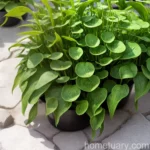
The Beautiful Amazon Sword (Echinodorus Grisebachii): A Complete Care Guide
The Amazon Sword, scientifically known as Echinodorus Grisebachii, is a lush and vibrant aquatic plant that has become a favorite among aquarium enthusiasts and plant lovers alike. This stunning plant is revered for its lush leaves, easy maintenance, and ability to thrive in a wide range of conditions. In this comprehensive care guide, we will explore everything you need to know about the Amazon Sword, from its origins and cultural significance to its care requirements and propagation techniques.

What is the Amazon Sword (Echinodorus Grisebachii)?
The Amazon Sword, or Echinodorus Grisebachii, is a species of aquatic plant belonging to the Alismataceae family. It is native to the Amazon River basin in South America and is commonly found in marshes, floodplains, and the shallow edges of slow-moving rivers and streams. This plant is characterized by its long, green leaves that resemble the shape of a sword, hence its name.
The scientific name “Echinodorus” is derived from the Greek words “echinos,” meaning hedgehog, and “doros,” meaning leather bottle, which references the inflated spathes of some species. The term “Grisebachii” honors the German botanist August Grisebach, who made significant contributions to the study of South American flora in the 19th century.
In its natural habitat, the Amazon Sword plays a vital ecological role by providing shelter and spawning sites for fish and other aquatic organisms. Its dense foliage and extensive root system contribute to stabilizing the substrate and enhancing the overall health of aquatic ecosystems.
Key Takeaways – Amazon Sword (Echinodorus Grisebachii)
Before delving into the specific care requirements of the Amazon Sword, let’s review the key takeaways that will guide our exploration of this captivating aquatic plant:
- Scientific Name: Echinodorus Grisebachii
- Common Name: Amazon Sword
- Family: Alismataceae
- Native Habitat: Amazon River basin in South America
- Growth Form: Rosette plant with sword-shaped leaves
- Uses: Aquatic gardens, planted aquariums, natural aquascapes
- Care Difficulty: Easy to moderate
- Light Requirements: Moderate to high
- Nutrient Needs: Nutrient-rich substrate and supplemental fertilization
- Water Parameters: Tropical freshwater conditions
- Propagation: Runners and division of rhizomes
- Common Diseases: Rot, melt, and fungal infections
With these key points in mind, let’s explore the intricate care requirements, cultural significance, and propagation techniques of the Amazon Sword plant.
Culture
Uses
The Amazon Sword, Echinodorus Grisebachii, is valued for its versatility and aesthetic appeal, making it a sought-after plant in various settings:
- Aquatic Gardens: In outdoor ponds and water features, the Amazon Sword enhances the natural beauty of aquatic landscapes, providing shelter for small fish and other aquatic inhabitants.
- Planted Aquariums: A staple in the aquascaping world, the Amazon Sword adds lush greenery, oxygenation, and habitat diversity to freshwater aquariums, creating a captivating underwater tableau.
- Natural Aquascapes: When designing biotope tanks or replicating natural aquatic environments, the Amazon Sword lends authenticity and ecological integrity to the setup.
Water
The Amazon Sword plant thrives in tropical freshwater conditions, displaying optimal growth and vibrancy when the following water parameters are maintained:
- Temperature: 72-82°F (22-28°C)
- pH: 6.5-7.5
- Hardness: Soft to moderately hard water (3-15 dGH)
It’s important to note that while the Amazon Sword can tolerate a range of water conditions, consistent and stable parameters will promote robust growth and overall plant health.
Sunlight
When it comes to lighting, the Amazon Sword benefits from moderate to high-intensity illumination. In its natural habitat, this species is accustomed to receiving ample sunlight in the tropical regions of South America. Therefore, providing sufficient light in a captive setting is essential for promoting healthy growth and vibrant foliage.
In aquariums and aquatic gardens, full-spectrum LED lights or fluorescent lighting fixtures are commonly used to ensure that the Amazon Sword receives the light energy necessary for photosynthesis and metabolic processes. A lighting duration of 10-12 hours per day is generally sufficient, although this can vary based on the specific setup and the presence of other plant species.
Fertilizer
In order to sustain its lush growth and nutrient requirements, the Amazon Sword benefits from a nutrient-rich substrate and supplementary fertilization. The root system of the plant absorbs essential nutrients from the substrate, making it crucial to provide a substrate that contains a balanced blend of macro and micronutrients.
In aquariums and aquatic gardens, specialized substrate supplements enriched with iron, potassium, and trace elements can be added to support the Amazon Sword’s nutritional needs. Additionally, liquid fertilizers formulated for aquatic plants can be introduced into the water column to ensure that the plant has access to essential nutrients for sustained growth and vibrant foliage.
Soil
A nutrient-rich substrate is paramount for the health and vitality of the Amazon Sword. When selecting a substrate for planted aquariums or aquatic gardens, consider the following factors:
- Rich in Nutrients: Choose a substrate that is specifically designed for aquatic plants, containing essential macro and micronutrients to support healthy growth.
- Particle Size: Opt for a substrate with a particle size that allows for root penetration and the establishment of a strong root system.
- Iron Content: Look for substrates that are enriched with iron, a vital micronutrient essential for the Amazon Sword’s lush green foliage.
For planted aquariums, specialized plant substrates with high iron content, such as laterite-based substrates, can provide an ideal foundation for the Amazon Sword. These substrates support the plant’s nutrient uptake, root development, and overall vitality.
Pruning
Regular pruning is an essential aspect of Amazon Sword care, ensuring that the plant maintains its desired shape and size while promoting new growth. Here are some key considerations for effective pruning:
- Leaf Trimming: Remove older or damaged leaves from the base of the plant, utilizing sharp and sterile trimming tools to create a neat and uniform appearance.
- Runners and Offshoots: Trim and prune runners and offshoots to manage the plant’s spread and prevent overcrowding in the aquarium or aquatic garden.
- Root Maintenance: Periodically trim and prune the Amazon Sword’s roots to prevent excessive growth and maintain a healthy root system.
By implementing routine pruning techniques, you can enhance the visual appeal of the Amazon Sword while ensuring that the plant remains healthy and vibrant in its aquatic environment.
Propagation
The Amazon Sword plant exhibits prolific propagation capabilities, making it an excellent candidate for expanding your aquatic garden or sharing its beauty with fellow plant enthusiasts. The primary methods of propagation for the Amazon Sword include:
- Runners: The Amazon Sword produces runners, or horizontal stems, that extend from the parent plant and develop new, genetically identical plantlets. Once these plantlets develop a robust root system, they can be carefully separated from the parent plant and replanted in a suitable location.
- Rhizome Division: If the Amazon Sword plant forms a dense root system, the rhizome can be carefully divided into sections, each containing healthy roots and foliage. These divided sections can then be planted separately to establish new Amazon Sword specimens.
By utilizing these propagation methods, you can expand your Amazon Sword collection, cultivate lush aquatic landscapes, and share the beauty of this remarkable plant with other enthusiasts.
Container Popularity
The Amazon Sword plant has gained widespread popularity in various container settings, from aquariums to outdoor ponds and natural aquascapes. Its adaptability, vibrant foliage, and ecological benefits have contributed to its extensive usage in the following container environments:
- Planted Aquariums: In freshwater aquariums, the Amazon Sword is a beloved choice for aquascaping due to its lush and vibrant appearance, oxygenating capabilities, and overall visual impact.
- Outdoor Ponds: When incorporated into outdoor ponds and water features, the Amazon Sword adds a touch of natural beauty and provides valuable habitat and shelter for aquatic life.
- Biotope Tanks: Enthusiasts creating biotope tanks strive to replicate natural aquatic environments, and the Amazon Sword serves as a vital component in achieving a harmonious and authentic aquatic ecosystem.
The versatility and aesthetic appeal of the Amazon Sword have solidified its status as a beloved and indispensable plant in various container settings, enriching aquatic environments and captivating observers with its dynamic foliage.
Common Diseases
Just like any living organism, the Amazon Sword is susceptible to certain diseases and health issues that can affect its growth and vitality. Understanding common diseases and their diagnosis is crucial for maintaining a healthy Amazon Sword plant. Some of the common diseases and health issues that may affect the Amazon Sword include:
Disease Diagnosis
- Rot: The development of soft, decaying areas on the leaves or roots of the Amazon Sword may indicate the presence of rot, often caused by poor water quality, inadequate oxygen levels, or bacterial infections.
- Melt: When the Amazon Sword undergoes a period of acclimatization or environmental stress, it may experience leaf melting, where existing leaves deteriorate before new growth emerges. This is a natural response to changes in environment and is not a cause for immediate concern.
- Fungal Infections: The presence of unusual discoloration, spots, or powdery residue on the leaves may signify fungal infections, which can be mitigated through improved environmental conditions and targeted treatments.
By actively monitoring the health of your Amazon Sword plant and promptly addressing any signs of disease or stress, you can safeguard its well-being and promote long-term vitality.
Common Pests
In addition to diseases, the Amazon Sword may also face challenges from common pests that can impact its growth and overall health. Recognizing and addressing pest issues in a timely manner is essential for preserving the plant’s beauty and vigor. Some of the common pests that may affect the Amazon Sword include:
- Algae: While not a typical pest in the traditional sense, algae overgrowth can diminish the aesthetic appeal of the Amazon Sword and compete for resources, leading to reduced growth and vitality.
- Snails: Certain species of aquatic snails may feed on the leaves of the Amazon Sword, causing visible damage and inhibiting the plant’s ability to thrive.
- Insects: In outdoor pond environments, insects such as caterpillars or beetles may consume the foliage of the Amazon Sword, necessitating appropriate pest management measures.
By carefully monitoring for signs of pest infestations and implementing targeted control strategies, you can protect the Amazon Sword from potential threats and preserve its stunning appearance.
Botanist’s Tips
As you embark on your journey of caring for the Amazon Sword, consider these valuable tips from botanists and plant enthusiasts:
- Balance is Key: Strive to maintain a balance of light, nutrients, and water parameters to create an optimal environment for the Amazon Sword’s growth and development.
- Regular Maintenance: Incorporate regular maintenance practices such as pruning, fertilization, and substrate management to ensure the long-term health and vitality of the plant.
- Observation and Adaptation: Pay close attention to the Amazon Sword’s response to its environment, and be prepared to make adjustments based on its growth patterns and overall well-being.
By applying these insights, you can foster a thriving Amazon Sword plant and unlock the full potential of this remarkable aquatic species.
Fun Facts
To further appreciate the beauty and ecological significance of the Amazon Sword, consider these intriguing fun facts:
- In the Wild: In its natural habitat, the Amazon Sword can reach impressive sizes, with some specimens producing leaves that exceed 20 inches in length. These large leaves provide vital cover and breeding sites for numerous aquatic organisms.
- Ecosystem Contributions: The Amazon Sword plays a vital role in providing oxygenation, filtration, and habitat structure in aquatic ecosystems, contributing to the overall health and biodiversity of freshwater environments.
- Cultural Significance: In regions where it is native, the Amazon Sword holds cultural significance as a valuable resource for both humans and aquatic life, showcasing the interconnectedness of plants and people.
These fun facts shed light on the inherent beauty and ecological importance of the Amazon Sword, highlighting its role as a foundational species in aquatic environments.
Links to External Resources
For further exploration of Amazon Sword plant care, aquatic gardening, and planted aquariums, consider the following external resources:
- The Planted Tank – Aquatic Plant Resources
- Aquatic Plant Central – Community Forums and Resources
- Tropica – Plant Care Guides and Species Information
- Aquascaping World – Inspiration and Techniques for Aquatic Design
- The International Waterlily & Water Gardening Society
These resources offer valuable insights, community engagement, and in-depth information on aquatic plant care, providing a wealth of knowledge for enthusiasts and hobbyists.
By immersing yourself in these external resources, you can enhance your understanding of Amazon Sword care and cultivation, connect with fellow plant enthusiasts, and elevate your expertise in the captivating world of aquatic plants.
In conclusion, the Amazon Sword (Echinodorus Grisebachii) stands as a captivating and versatile aquatic plant, enriching aquatic environments with its dynamic foliage and ecological contributions. Its lush greenery, prolific propagation, and intricate care requirements make it a prized addition to planted aquariums, outdoor ponds, and natural aquascapes. By embracing the cultural significance, propagation techniques, and botanist’s tips, enthusiasts can cultivate thriving Amazon Sword specimens and unlock the full potential of this remarkable aquatic species.
As you embark on your journey of Amazon Sword plant care, may this comprehensive guide serve as a source of inspiration, knowledge, and appreciation for the natural beauty and ecological significance of the Amazon Sword.
Image Source: Wikipedia