Grassy Arrowhead (Sagittaria graminea): A Comprehensive Guide
As a plant scientist, I am thrilled to delve into the intricate world of grassy arrowhead (Sagittaria graminea), a remarkable plant that holds immense cultural, ecological, and horticultural significance. This comprehensive guide aims to provide valuable insights into the cultivation, uses, maintenance, and fascinating attributes of this plant. Whether you are a seasoned horticulturist, a nature enthusiast, or someone who simply appreciates the beauty of plants, this article is tailored to impart a profound understanding of the captivating grassy arrowhead plant.
What is Grassy Arrowhead (Sagittaria graminea)?
Grassy arrowhead, scientifically known as Sagittaria graminea, is a fascinating herbaceous perennial plant that belongs to the Alismataceae family. This aquatic plant is native to various regions of North America and is distinguished by its arrow-shaped leaves and delicate white flowers. Due to its distinct appearance and versatile nature, grassy arrowhead holds a special place in wetland environments, horticultural settings, and traditional uses.
Key Takeaways – Grassy Arrowhead (Sagittaria graminea)
Before delving deeper into the intricacies of cultivating and caring for grassy arrowhead, let’s take a look at the key takeaways that will be covered in this comprehensive guide:
- Culture: Understanding the cultural significance and native habitats of Sagittaria graminea.
- Uses: Exploring the diverse uses of grassy arrowhead, including culinary, medicinal, and ecological applications.
- Water: Unveiling the watering needs and preferences of this aquatic plant.
- Sunlight: Understanding the optimal sunlight requirements for thriving grassy arrowhead.
- Fertilizer: Insights into fertilizing practices to enhance the growth and vitality of Sagittaria graminea.
- Soil: Exploring the soil preferences and considerations for cultivating healthy grassy arrowhead plants.
- Pruning: Learning the art of pruning and maintaining Sagittaria graminea for optimal growth.
- Propagation: Understanding propagation methods to expand your collection of grassy arrowhead.
- Container Popularity: Exploring the potential of cultivating grassy arrowhead in containers and aquatic landscapes.
- Common Diseases: Identifying and addressing common diseases that may affect Sagittaria graminea.
- Common Pests: Understanding the potential pests that may pose a threat to the health of grassy arrowhead plants.
- Botanist’s Tips: Gaining valuable insights and tips from seasoned botanists for successful cultivation.
- Fun Facts: Uncovering intriguing and lesser-known facts about grassy arrowhead that add to its allure.
Now, let’s embark on an enriching journey into the world of grassy arrowhead, where we will explore its rich cultural significance, cultivation techniques, and fascinating uses.
Culture of Grassy Arrowhead (Sagittaria graminea)
Native Habitats
Grassy arrowhead, or Sagittaria graminea, thrives in a variety of aquatic and semi-aquatic habitats, including marshes, swamps, ponds, and shallow streams. This plant’s natural distribution spans across North America, where it contributes to the lush vegetation of wetland ecosystems. The adaptability of grassy arrowhead to these environments highlights its ecological importance by providing habitat, food, and shelter for diverse fauna and flora.
In addition to its native habitats, grassy arrowhead has also been introduced in horticultural settings, gardening ponds, and wetland restoration projects, where it continues to showcase its resilience and aesthetic appeal.
Ornamental Significance
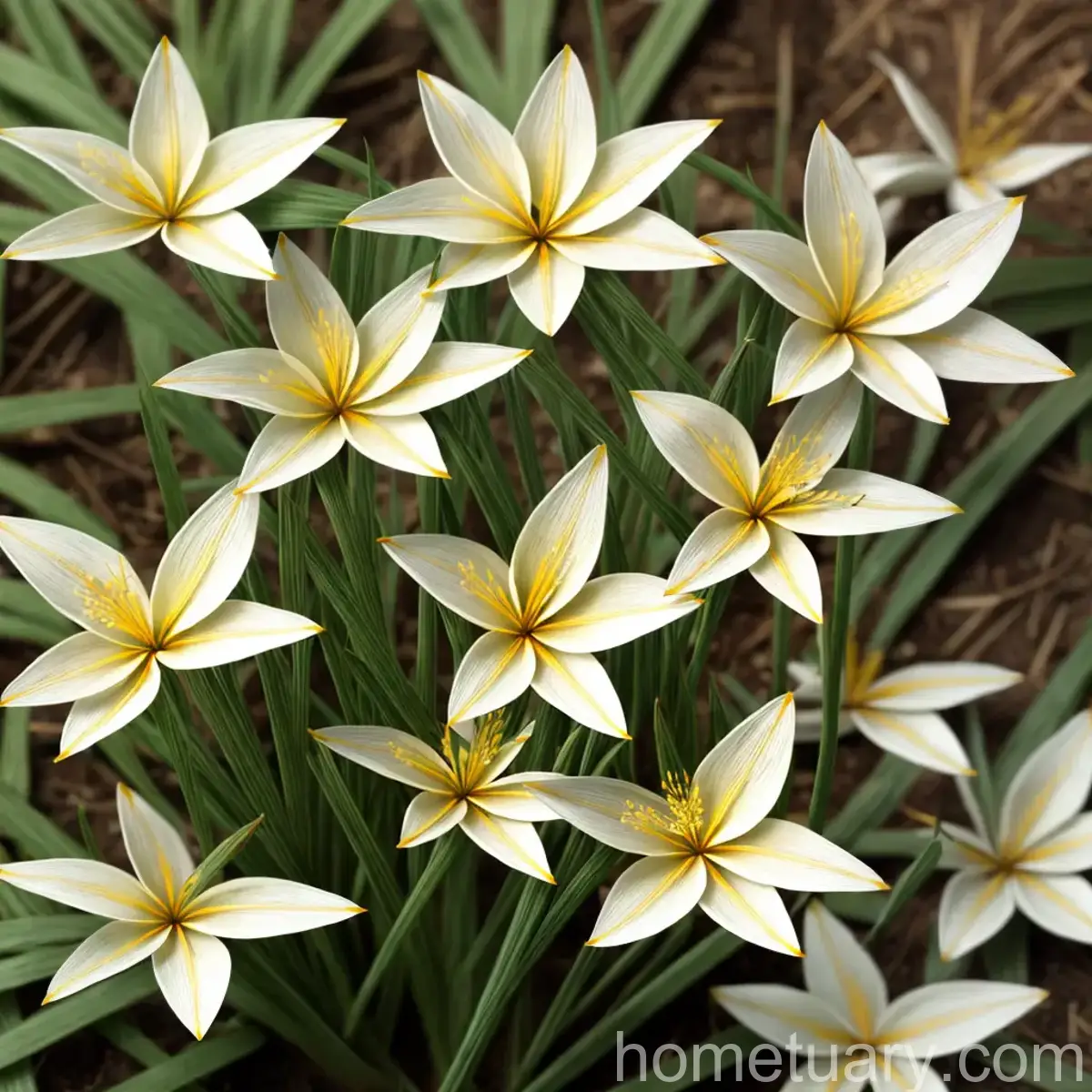
Grassy arrowhead holds a prominent place in ornamental horticulture due to its graceful foliage and charming white flowers. Its distinct arrow-shaped leaves make it an attractive addition to aquatic landscapes, water gardens, and naturalistic planting schemes. The elegant beauty of grassy arrowhead has earned it a place in both formal and naturalistic garden designs, where it adds a touch of serenity and sophistication to the environment.
Uses of Grassy Arrowhead (Sagittaria graminea)
Grassy arrowhead, beyond its ornamental value, offers a wide array of uses that span across culinary, medicinal, and ecological domains. Understanding these diverse applications provides a holistic view of the plant’s significance and contributions to human well-being and environmental sustainability.
Culinary Uses
One of the remarkable attributes of grassy arrowhead is its edible potential. The starchy tubers of Sagittaria graminea have been historically used as a food source by indigenous communities. These tubers, when properly prepared, offer a nutritious and flavorful addition to various culinary dishes. Their versatile nature allows for inclusion in stews, soups, and other traditional recipes.
Furthermore, the young shoots and leaves of grassy arrowhead are also edible, adding a unique and nutritious element to wild foraging and culinary exploration. When harvested sustainably and prepared with knowledge and care, these edible parts of the plant can contribute to diverse and culturally rich culinary experiences.
Medicinal Applications
In addition to its culinary uses, grassy arrowhead has been associated with various medicinal applications. Different parts of the plant, including the roots and aerial parts, have been traditionally employed for their potential medicinal properties. From alleviating fevers to aiding digestion, the traditional folklore around grassy arrowhead reflects a deep understanding of the plant’s therapeutic potential.
Furthermore, ongoing research into the medicinal properties of Sagittaria graminea holds promise for uncovering new pathways for its utilization in modern herbal remedies and natural medicine. The exploration of these potential health benefits adds a layer of depth to the plant’s multifaceted contributions to human well-being.
Ecological Significance
The ecological significance of grassy arrowhead transcends its ornamental and utilitarian applications. In the context of wetland conservation and restoration, Sagittaria graminea plays a pivotal role in promoting biodiversity, stabilizing aquatic ecosystems, and improving water quality. Its ability to thrive in diverse water-depth conditions and contribute to the vegetation structure of wetlands underscores its value in environmental conservation and sustainable landscaping practices.
Moreover, the presence of grassy arrowhead in garden ponds and aquatic landscapes contributes to the creation of habitat for aquatic organisms, enhancing the overall ecological balance of these environments. Its role in natural bio-filtration and the promotion of water-wise gardening practices further solidifies its ecological significance.
Grassy Arrowhead (Sagittaria graminea) Cultivation: A Comprehensive Guide
Cultivating grassy arrowhead in a home garden, wetland restoration project, or aquatic landscape requires a keen understanding of its specific requirements and optimal care practices. From water and sunlight preferences to soil considerations and propagation techniques, the successful cultivation of Sagittaria graminea demands careful attention to detail. In this section, we will delve into the key aspects of cultivating and caring for grassy arrowhead, providing practical insights and expert tips to support the thriving growth of this captivating plant.
Water
Watering Needs of Grassy Arrowhead
As an aquatic plant, grassy arrowhead thrives in consistently moist or submerged conditions. Whether cultivated in marshy soil, shallow water, or aquatic containers, ensuring adequate and consistent water availability is essential for its growth and vitality. While grassy arrowhead is adapted to wet environments, waterlogged soil or stagnant water should be avoided to prevent root rot and other potential issues.
To meet the watering needs of Sagittaria graminea:
- In Garden Ponds: If incorporating grassy arrowhead into a pond setting, consider a water depth that allows the plant’s base to be submerged while the foliage reaches above the water surface. This facilitates healthy growth and flowering.
- Container Cultivation: When cultivating Sagittaria graminea in containers, ensure the use of suitable aquatic potting mix and consistently monitor water levels to maintain optimal moisture without waterlogging.
Sunlight
Sunlight Requirements for Grassy Arrowhead
Grassy arrowhead exhibits a preference for partial to full sun exposure, making it well-suited for garden beds and aquatic landscapes with adequate sunlight. While it can tolerate shade, providing ample sunlight ensures robust growth and enhances the development of its elegant foliage and delicate flowers.
To cater to the sunlight requirements of Sagittaria graminea:
- Garden Settings: Choose a location with partial to full sun exposure for planting grassy arrowhead in garden beds or moist soil areas. Ensure it receives at least 4-6 hours of direct sunlight daily for optimal growth.
- Aquatic Landscapes: When cultivating grassy arrowhead in aquatic environments, ensure that it has access to sufficient natural light for healthy photosynthesis.
Fertilizer
Fertilizing the Grassy Arrowhead Plant
Grassy arrowhead benefits from occasional fertilization to support its growth and flowering, particularly in garden settings where the soil may require supplemental nutrients. A balanced aquatic plant fertilizer or a fertilizer formulated for flowering plants can enhance the vigor and blooming potential of Sagittaria graminea.
Consider the following points for fertilizing grassy arrowhead:
- Fertilization Schedule: Apply a balanced aquatic plant fertilizer every 4-6 weeks during the growing season, following the manufacturer’s recommendations for dilution and application.
- Avoid Overfertilization: Prevent overfertilization, as excessive nutrients can lead to algae blooms and other imbalances in aquatic environments.
Soil
Soil Preferences for Sagittaria graminea
When selecting the soil or substrate for grassy arrowhead cultivation, it is important to consider its natural habitat and adaptability to wet conditions. Well-draining, nutrient-rich soil that retains moisture without becoming waterlogged is favorable for promoting the healthy growth of Sagittaria graminea.
To cater to the soil preferences of grassy arrowhead:
- Garden Beds: Choose loamy soil with organic matter for planting grassy arrowhead in garden beds or moist soil areas. Ensure good soil drainage to prevent waterlogging.
- Container Cultivation: When cultivating Sagittaria graminea in containers, opt for aquatic potting mix or a blend of loamy soil and peat to create a suitable substrate.
Pruning and Propagation
Pruning of Grassy Arrowhead
To maintain the vigorous growth and appeal of grassy arrowhead, occasional pruning of spent foliage, old stems, and faded flowers is beneficial. Pruning also helps manage the plant’s size and prevent overcrowding in garden ponds or container settings.
For effective pruning of Sagittaria graminea:
- Deadheading: Regularly remove spent flower heads to encourage continued blooming and maintain a neat appearance.
- Trimming: Trim back overgrown or yellowing foliage to promote fresh growth and maintain the plant’s vitality.
- Division: Periodically divide mature clumps of Sagittaria graminea to rejuvenate the plant and propagate new specimens.
Propagation of Grassy Arrowhead
Propagation of Sagittaria graminea can be achieved through division or seed propagation. Both methods offer opportunities to expand your collection of grassy arrowhead and introduce new plants to garden ponds or wetland restoration projects.
For successful propagation of grassy arrowhead:
- Division: Divide established clumps of grassy arrowhead every 2-3 years in early spring to create new plants. Each division should have a healthy portion of roots and shoots for successful establishment.
- Seed Propagation: Collect mature seeds from Sagittaria graminea plants, and sow them in a moist growing medium to initiate germination. Seed propagation offers a chance to cultivate new plants and explore the genetic diversity of grassy arrowhead.
Container Popularity
Cultivating Grassy Arrowhead in Containers
The versatility of grassy arrowhead extends to container cultivation, where it can thrive in aquatic planters, pond baskets, or containers specifically designed for water gardening. Cultivating Sagittaria graminea in containers opens up opportunities for introducing this captivating plant to various outdoor and indoor spaces, including patios, balconies, and indoor aquatic gardens.
When considering container cultivation of grassy arrowhead:
- Container Selection: Choose containers with adequate depth and space to accommodate the root system of grassy arrowhead. Aquatic planters with integrated water reservoirs or pond baskets offer suitable environments for cultivating Sagittaria graminea.
- Indoor Cultivation: Consider cultivating Sagittaria graminea in indoor water gardens or aquariums, providing a unique and verdant accent to interior spaces.
Common Diseases and Pests of Grassy Arrowhead (Sagittaria graminea)
Disease Diagnosis
While grassy arrowhead is relatively resilient, it can be susceptible to certain common plant diseases, particularly in conditions of poor drainage or sustained moisture. The occurrence of specific symptoms and signs may indicate the presence of diseases that could affect the health and vigor of Sagittaria graminea.
Common plant diseases that may affect grassy arrowhead include:
- Root Rot: Excessive moisture or waterlogging can lead to root rot, causing wilting, yellowing, and eventual decay of the plant’s roots. Improved drainage and proper watering practices can prevent this issue.
- Leaf Spot: Fungal infections can manifest as dark spots or lesions on the leaves of grassy arrowhead, compromising their health and aesthetics. Maintaining good air circulation and avoiding overhead watering can mitigate the risk of leaf spot diseases.
Pest Control
Grassy arrowhead is generally resistant to pest infestations, but certain pests may pose occasional challenges to its cultivation, particularly in garden ponds and aquatic environments. Vigilance and prompt intervention can help manage potential pests and prevent significant damage to Sagittaria graminea.
Common pests that may affect grassy arrowhead include:
- Aphids: These small, sap-sucking insects can cluster on the undersides of leaves, leading to stunted growth and distorted foliage. Insecticidal soaps or horticultural oils can help control aphid infestations.
- Aquatic Snails: Snails can feed on the foliage and tender shoots of grassy arrowhead, causing visible damage. Physical removal and the introduction of natural predators can manage snail populations in aquatic environments.
Botanist’s Tips for Growing Grassy Arrowhead (Sagittaria graminea)
Seasoned botanists offer valuable insights and tips for successful cultivation and care of grassy arrowhead. Drawing on their expertise and experience in working with aquatic and wetland plants, the following tips are tailored to support the thriving growth of Sagittaria graminea and enhance its ornamental and ecological contributions.
Expert Tips:
- Site Selection: Choose a well-lit and appropriately moist site in gardens, ponds, or aquatic containers for planting Sagittaria graminea, ensuring it receives sufficient sunlight and water.
- Water Monitoring: Regularly monitor water levels and quality in aquatic environments where grassy arrowhead is cultivated, maintaining a balance between moisture and aeration.
- Division Timing: Time the division of mature grassy arrowhead clumps during the early spring to promote successful transplantation and new growth.
- Adequate Spacing: Allow adequate spacing between individual Sagittaria graminea plants to prevent overcrowding and promote optimal growth and flowering.
- Nutrient Management: Apply a balanced aquatic plant fertilizer in moderation to provide essential nutrients for the healthy development of grassy arrowhead.
- Pruning Practices: Implement timely pruning of spent foliage, flowers, and old stems to maintain the overall vigor and visual appeal of Sagittaria graminea.
- Pest Vigilance: Regularly inspect grassy arrowhead plants for signs of pests, taking swift action to prevent infestations from compromising their health.
Fun Facts about Grassy Arrowhead (Sagittaria graminea)
Delving into the realm of grassy arrowhead reveals a myriad of captivating and intriguing facts that enrich our understanding of this remarkable plant. From its historical uses to its ecological significance, the following fun facts shed light on the unique attributes and cultural importance of Sagittaria graminea.
Fascinating Discoveries:
- Culinary Heritage: Indigenous communities have historically utilized the starchy tubers of grassy arrowhead as a food source, incorporating them into traditional recipes and culinary practices.
- Aesthetic Elegance: The graceful foliage and delicate white flowers of Sagittaria graminea contribute to its ornamental appeal, making it a sought-after addition to water gardens and aquatic landscapes.
- Wetland Stewardship: Grassy arrowhead plays a vital role in wetland conservation and restoration, contributing to the ecological balance and biodiversity of these dynamic environments.
- Medicinal Traditions: Traditional folklore and indigenous knowledge have highlighted the potential medicinal properties of grassy arrowhead, showcasing its holistic significance.
- Cultural Significance: Sagittaria graminea holds cultural and ceremonial significance in various indigenous communities, reflecting its deep-rooted ties to human societies through history.
Links to External Resources
To further enrich your knowledge and exploration of grassy arrowhead (Sagittaria graminea), consider delving into the following external resources for a deeper understanding of this captivating plant:
- Aquatic Plant Society: https://www.aquaticplants.org/
- Wetland Conservation Organizations: https://www.wetland.org/
- Ethnobotanical Research Journals: https://www.ethnobotanyjournal.org/
- Horticultural Publications on Aquatic Plants: https://www.hortjournal.com/
Conclusion
In conclusion, the captivating grassy arrowhead (Sagittaria graminea) embodies a rich blend of cultural heritage, ecological significance, and horticultural allure. Its graceful foliage, versatile uses, and contributions to wetland ecosystems showcase a plant of profound value and fascination.
By delving into the cultivation, uses, and unique characteristics of grassy arrowhead, we have unveiled the intricate tapestry of this plant’s significance and potential applications. Whether in culinary explorations, wetland conservation efforts, or ornamental horticulture, grassy arrowhead stands as a testament to nature’s diversity and the enduring connections between plants and human societies.
By embracing the insights and expert tips shared in this comprehensive guide, you can embark on a rewarding journey of cultivating and appreciating Sagittaria graminea, enriching your horticultural pursuits and fostering a deeper appreciation for the wonders of the botanical world.
Now, armed with a profound understanding of the fascinating grassy arrowhead, let’s embark on an enriching journey of cultivating, appreciating, and celebrating the captivating essence of Sagittaria graminea.
This comprehensive guide aims to provide valuable insights into the cultivation, uses, maintenance, and fascinating attributes of the grassy arrowhead plant. Whether you are a seasoned horticulturist, a nature enthusiast, or someone who simply appreciates the beauty of plants, this article is tailored to impart a profound understanding of the captivating grassy arrowhead plant.