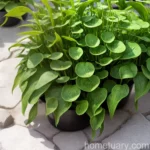
Arrowhead (Sagittaria australis ‘Benni’ SILK STOCKINGS): A Comprehensive Guide to Plant Care
In the world of horticulture, the arrowhead plant, also known as Sagittaria australis ‘Benni’ SILK STOCKINGS, is a fascinating and diverse specimen. With its unique leaf shape and vibrant growth patterns, this plant has become a popular choice for both indoor and outdoor cultivation. If you’re eager to learn more about the arrowhead plant and how to care for it, you’ve come to the right place. In this comprehensive guide, we’ll explore every aspect of arrowhead plant care, from its cultural significance and growth requirements to its propagation methods and common diseases.
What is the Arrowhead Plant?
The arrowhead plant (Sagittaria australis ‘Benni’ SILK STOCKINGS) is a species of aquatic perennial plant in the Alismataceae family. It is native to North America and can be found growing in marshes, ponds, and other shallow aquatic environments. This plant is characterized by its arrow-shaped leaves and delicate white flowers that bloom during the summer months. The arrowhead plant is known for its adaptability and versatility, making it a popular choice for both aquariums and terrestrial gardens.
Key Takeaways
Before diving into the specifics of caring for the arrowhead plant, let’s take a look at some key takeaways that will guide our discussion in this comprehensive guide:
- The arrowhead plant, scientifically known as Sagittaria australis ‘Benni’ SILK STOCKINGS, is a species of aquatic perennial plant with arrow-shaped leaves and white flowers.
- It is native to North America and thrives in marshy and aquatic environments, but it can also adapt to terrestrial conditions.
- Arrowhead plants are popular for their adaptability and are commonly used in aquariums and terrestrial gardens.
Now that we have a basic understanding of what the arrowhead plant is, let’s delve into the specifics of caring for this unique and beautiful specimen.
Culture
Uses
The arrowhead plant has various uses, both from a cultural and practical perspective. Here are some common uses of the arrowhead plant:
- Ornamental Purposes: The arrowhead plant is highly valued for its aesthetic appeal. Its vibrant green leaves and unique shape make it a popular choice for indoor and outdoor decoration.
- Aquatic Environments: In its natural habitat, the arrowhead plant plays a key role in aquatic ecosystems, providing shelter for small aquatic organisms and contributing to the overall biodiversity of marshes and ponds.
Plant Care
In order to provide optimal care for the arrowhead plant, it is crucial to understand its specific requirements in terms of water, sunlight, fertilizer, soil, and pruning. Let’s explore each of these aspects in detail.
Water
The arrowhead plant requires consistent moisture to thrive. Whether grown in a terrestrial environment or as an aquatic plant, it is important to ensure that the soil or water conditions remain consistently moist, but not waterlogged. Adequate hydration is essential for the overall health and growth of the arrowhead plant.
Arrowhead Plant Watering Requirements
- Terrestrial Plants: For arrowhead plants grown in pots or garden beds, it is recommended to water them regularly, allowing the soil to partially dry out between waterings. Ensure that the soil is evenly moist but not waterlogged.
- Aquatic Plants: In aquatic environments such as ponds or aquariums, maintain a consistent water level to ensure that the arrowhead plant’s roots are submerged but not completely submerged. Regular monitoring of water levels is essential to prevent overwatering.
Sunlight
Proper exposure to sunlight is critical for the arrowhead plant’s overall health and vitality. While it thrives in bright, indirect light, it is important to shield it from direct sunlight, especially during the hottest parts of the day.
Sagittaria australis ‘Benni’ SILK STOCKINGS Sunlight Needs
- Indoor Plants: When grown indoors, place the arrowhead plant in a location that receives bright, indirect light, such as near a window with filtered sunlight. Avoid exposing it to direct sunlight to prevent leaf scorching.
- Outdoor Plants: If cultivating the arrowhead plant in an outdoor garden, select a location with partial shade or filtered sunlight. Protect it from intense midday sun to prevent stress and damage to the delicate foliage.
Fertilizer
Providing proper nutrition through fertilization is essential for promoting healthy growth and foliage in the arrowhead plant. A balanced fertilizer with a higher nitrogen content can aid in the plant’s overall development.
Arrowhead Plant Fertilization Tips
- Frequency: Fertilize the arrowhead plant every 4-6 weeks during the growing season, which typically spans from spring to early fall. Reduce or suspend fertilization during the plant’s dormancy period in the winter.
- Type of Fertilizer: Choose a well-balanced, water-soluble fertilizer with a higher nitrogen content to support the arrowhead plant’s leafy growth. Dilute the fertilizer to half or quarter strength to prevent nutrient buildup and potential harm to the plant.
Soil
The quality and composition of the soil directly impact the arrowhead plant’s ability to thrive. Whether cultivated in terrestrial environments or aquatic setups, the right soil conditions are imperative for its well-being.
Sagittaria australis ‘Benni’ SILK STOCKINGS Soil Preferences
- Terrestrial Plants: Use a well-draining, peat-based potting mix to cultivate arrowhead plants in pots or garden beds. The soil should retain moisture while allowing excess water to drain away to prevent waterlogged conditions.
- Aquatic Plants: In aquatic environments, utilize a substrate specifically designed for aquatic plants, such as aquatic plant soil or gravel. Ensure that the substrate is free from impurities and supports the healthy growth of aquatic plants.
Pruning
Regular pruning is essential for maintaining the arrowhead plant’s shape and preventing overcrowding. Removal of old or damaged foliage and occasional thinning can promote healthy growth and enhance the plant’s aesthetics.
Sagittaria australis ‘Benni’ SILK STOCKINGS Pruning Techniques
- Leaf Pruning: Trim yellowing or damaged leaves close to the base of the plant using sterilized pruning shears to promote new growth and overall plant health.
- Thinning: If the arrowhead plant becomes overcrowded or dense, selectively prune away excess foliage to improve airflow and light penetration, reducing the risk of pests and diseases.
Propagation
Propagation allows growers to expand their collection of arrowhead plants and share this beautiful specimen with others. There are several methods of propagation that can be employed to create new arrowhead plant specimens.
Arrowhead Plant Propagation
- Division: Propagate the arrowhead plant through division by separating mature rhizomes or offsets from the parent plant and replanting them in suitable growing conditions.
- Water Propagation: Place stem cuttings or individual leaves in a container of water, ensuring that the nodes are submerged. Once roots develop, transplant the cuttings into a potting mix to encourage further growth.
- Rhizome Cuttings: Take rhizome cuttings and plant them in a pre-moistened potting mix, ensuring that the cuttings remain stable and receive adequate moisture and warmth to encourage root development.
Container Popularity
Arrowhead plants are a popular choice for container gardening, both indoors and outdoors. Their compact growth habit and attractive foliage make them well-suited for various container sizes and styles.
Arrowhead Plant Container Gardening
- Indoor Containers: Select decorative pots or containers with drainage holes to cultivate arrowhead plants indoors. Ensure that the containers are proportional to the plant’s size and allow for adequate root development.
- Outdoor Containers: Utilize lightweight, weather-resistant containers for outdoor cultivation of arrowhead plants. Consider the climate and environmental conditions when selecting outdoor containers to ensure the plant’s well-being.
Common Diseases and Pests
Like all plants, the arrowhead plant is susceptible to certain diseases and pests that can impact its health and vigor. Being aware of common issues and employing preventive measures can help maintain the plant’s optimal condition.
Disease Diagnosis
- Leaf Spot: Watch for circular, dark spots on the leaves, which may indicate fungal infections. Ensure proper air circulation and avoid overhead watering to prevent the spread of leaf spot diseases.
- Root Rot: Check for wilting, yellowing, or mushy roots, signs of root rot caused by overwatering or poor soil drainage. Adjust watering practices and improve soil drainage to prevent root rot.
Common Pests
- Aphids: Keep an eye out for clusters of small, soft-bodied insects on the underside of leaves. Use neem oil or insecticidal soaps to control aphid populations and prevent damage to the arrowhead plant’s foliage.
- Spider Mites: Monitor for fine webbing and stippled leaves, indicating a potential spider mite infestation. Regularly mist the foliage and inspect the plant for signs of spider mites, treating affected areas promptly with insecticidal soap.
Botanist’s Tips
As a plant scientist, my professional experience and expertise have led me to uncover valuable insights and tips for cultivating and caring for the arrowhead plant. Here are some botanist-approved tips to consider:
- Consistent Monitor and Care: Regularly monitor the arrowhead plant’s growth and well-being, adjusting care routines as needed to ensure its continued vitality.
- Maintain Optimal Growing Conditions: Provide the arrowhead plant with the best possible growing conditions, including appropriate light, water, and soil, to support its overall health and vibrant growth.
- Propagation Techniques: Explore various propagation methods to expand your collection of arrowhead plants and share this unique specimen with fellow gardening enthusiasts.
Fun Facts
It’s always fascinating to uncover interesting and remarkable facts about the plants we care for. Here are some fun facts about the arrowhead plant that are sure to pique your interest:
- Variegated Foliage: Some arrowhead plant varieties exhibit variegated foliage with striking patterns, adding a unique touch to their visual appeal.
- Adaptability: The arrowhead plant is known for its adaptability to both terrestrial and aquatic environments, showcasing its versatility as a captivating specimen.
Links to External Resources
To further enrich your knowledge of the arrowhead plant and its care requirements, I recommend exploring the following resources:
- The American Horticultural Society A-Z Encyclopedia of Garden Plants
- Royal Horticultural Society Plant Guide
- University Cooperative Extension Services
Conclusion
The arrowhead plant, with its distinctive foliage and adaptability, is a captivating addition to any plant collection. By understanding its specific care requirements and growth habits, you can cultivate a thriving and vibrant specimen that brings beauty to indoor and outdoor spaces alike. Whether you’re a novice gardener or an experienced plant enthusiast, the arrowhead plant offers an exciting and rewarding cultivation experience.
By incorporating the insights and tips presented in this comprehensive guide, you can confidently embark on your journey of arrowhead plant cultivation and care, creating an environment that nourishes and celebrates the natural beauty of this remarkable plant.
Remember to observe your arrowhead plant closely, providing the attentive care it deserves while appreciating its unique attributes and versatile nature. Happy gardening!
Now that we’ve explored the multifaceted world of the arrowhead plant, it’s time to put our knowledge into action and nurture these fascinating specimens to their fullest potential. Whether you’re drawn to their leafy vibrancy for indoor decor or seeking a captivating addition to your aquatic garden, the arrowhead plant offers endless possibilities for horticultural delight.