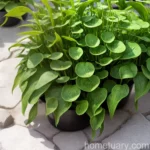
Water-plantain (Alisma Plantago-aquatica): A Versatile and Valuable Wetland Plant
Introduction
Plants play a crucial role in our world, contributing to various ecosystems and serving a myriad of functions. One such plant is the Water-plantain (Alisma Plantago-aquatica), a species that thrives in wetland environments. This article delves into the captivating world of Water-plantain, exploring its cultural significance, uses, cultivation techniques, and its impact on the environment and biodiversity.
What is Water-plantain?
Water-plantain, known scientifically as Alisma Plantago-aquatica, is a perennial plant belonging to the family Alismataceae. The plant is characterized by its slender leaves and delicate white flowers, making it a visually appealing addition to aquatic landscapes. As its name suggests, Water-plantain is commonly found in aquatic habitats, including marshes, shallow ponds, and the margins of slow-moving rivers and streams.
Key Takeaways – Water-plantain (Alisma Plantago-aquatica)
Before delving into the specifics of Water-plantain’s cultivation and uses, let’s explore the key takeaways that will be covered in this comprehensive guide:
- Water-plantain’s Role in Wetland Ecosystems: Understand the ecological significance of Water-plantain and its contribution to wetland biodiversity.
- Cultural Uses of Water-plantain: Explore the historical and contemporary cultural uses of Water-plantain.
- Water and Sunlight Requirements: Learn about the optimal water and sunlight conditions for cultivating Water-plantain.
- Fertilization and Soil Requirements: Discover the ideal soil composition and fertilization practices for Water-plantain.
- Pruning and Propagation: Gain insights into pruning techniques and methods for propagating Water-plantain.
- Common Diseases and Pests: Identify prevalent diseases and pests that affect Water-plantain and methods for diagnosis and management.
- Botanist’s Tips and Fun Facts: Uncover expert tips for cultivating Water-plantain and intriguing, lesser-known facts about this wetland plant.
Now, let’s embark on an informative journey into the world of Water-plantain, exploring its various facets and shedding light on its significance in both natural and cultivated environments.
Water-plantain Culture
Understanding the cultural requirements of Water-plantain is crucial for ensuring successful growth and development. From water and sunlight needs to soil composition, each aspect contributes to the overall health of the plant.
Water
Water-plantain is inherently adapted to aquatic habitats, thriving in environments with shallow, still water. The plant is often found in marshes, ponds, and the edges of slow-moving water bodies. When grown in home gardens or water features, it is important to mimic these natural conditions to ensure the plant’s well-being.
Ideal Water Conditions:
– Shallow water bodies with depths ranging from 4 to 24 inches.
– Slow-moving water or still water bodies such as ponds and marshes.
– Adequate water circulation to prevent stagnation, which can lead to oxygen depletion.
Sunlight
Proper exposure to sunlight is essential for the healthy growth of Water-plantain. While the plant thrives in aquatic environments, it still requires sufficient sunlight to support photosynthesis and overall vigor.
Optimal Sunlight Requirements:
– Partial to full sun exposure, with preference for at least 6 hours of direct sunlight per day.
– In hot climates, some shade during the hottest part of the day can be beneficial to prevent scorching of the leaves.
Fertilizer
Fertilization needs for Water-plantain are minimal, as the plant naturally obtains nutrients from the aquatic environment. However, in cultivated environments, especially in containers, supplemental fertilization may be beneficial.
Fertilizer Application:
– Use a balanced, slow-release aquatic plant fertilizer or a water-soluble fertilizer formulated for aquatic plants.
– Apply fertilizer sparingly to prevent nutrient runoff and water pollution.
Soil
Given its preference for aquatic habitats, Water-plantain has specific soil requirements that cater to its unique adaptation to wetland environments.
Ideal Soil Composition:
– A mix of clay, loam, and sand that mimics the natural composition of wetland soils.
– Optimal pH range between 6.5 to 7.5, providing a slightly acidic to neutral environment.
Pruning
Pruning is essential for maintaining the health and aesthetics of Water-plantain, especially in cultivated settings. Proper pruning helps manage growth and prevents overcrowding.
Pruning Techniques:
– Remove damaged or yellowing leaves to promote new growth.
– Thin out overcrowded areas to improve air circulation and light penetration.
Propagation
Propagation of Water-plantain can be achieved through various methods, allowing for expansion of its presence in both natural and cultivated environments.
Propagation Methods:
– Division of rhizomes: Divide the rhizomes of mature plants and replant them in suitable locations.
– Seed propagation: Collect and sow mature seeds in moist soil or directly in aquatic environments.
With a solid understanding of Water-plantain’s cultural requirements, enthusiasts and conservationists can create thriving environments for this remarkable plant, contributing to its conservation and ecological significance.
Uses of Water-plantain (Alisma Plantago-aquatica)
Water-plantain serves a multitude of cultural, ecological, and medicinal purposes, making it a truly versatile plant species. Let’s delve into the various uses and benefits associated with Water-plantain.
Ecological Significance
As a wetland plant, Water-plantain plays a crucial role in maintaining the ecological balance of aquatic environments. Some of its key ecological benefits include:
- Biodiversity Enhancement: Water-plantain provides essential habitat and food sources for various aquatic organisms, contributing to overall biodiversity in wetland ecosystems.
- Soil Erosion Control: The extensive root systems of Water-plantain help stabilize soil in marshes and pond edges, preventing erosion and sediment runoff into water bodies.
- Water Purification: The plant’s efficient uptake of nutrients can help in improving water quality by reducing nutrient levels in contaminated water bodies.
- Wildlife Habitat: Water-plantain offers nesting sites and protective cover for a wide range of aquatic fauna, including amphibians, waterfowl, and aquatic invertebrates.
Cultural and Traditional Uses
Water-plantain has a rich history of traditional uses, with various cultures recognizing its medicinal, culinary, and symbolic significance:
- Medicinal Properties: In traditional medicine, Water-plantain has been used to treat digestive disorders, urinary tract issues, and skin ailments due to its purported diuretic and anti-inflammatory properties.
- Culinary Uses: Historically, the tubers of Water-plantain were used as a starchy food source in some cultures. However, caution is advised, as the plant’s consumption should be approached with expertise to ensure safety.
- Symbolism and Folklore: In some cultural traditions, Water-plantain holds symbolic importance, often associated with themes of purity, renewal, and water-related rituals.
Ornamental Value
In addition to its ecological and cultural significance, Water-plantain is valued for its ornamental beauty, making it a popular choice for water gardens and landscape design:
- Aesthetic Appeal: The elegant foliage and delicate white flowers of Water-plantain add a touch of natural elegance to water features and pond edges.
- Adaptability: Its adaptability to a range of water depths and its resilience make Water-plantain an attractive option for both naturalistic and formal aquatic landscapes.
- Wildlife Attraction: The plant’s ornamental value extends to its ability to attract and support a diverse range of aquatic wildlife, adding vibrancy and life to water-centric environments.
Understanding the multifaceted uses and benefits of Water-plantain reinforces its importance in both natural ecosystems and cultivated settings, highlighting its value as a wetland plant species.
Common Diseases and Pests
While Water-plantain is relatively resilient, it is susceptible to certain diseases and pests that can impede its growth and vitality. Recognizing and effectively managing these issues is crucial for the plant’s overall health.
Disease Diagnosis
Water-plantain may be vulnerable to fungal infections, especially in excessively humid conditions or in environments with poor air circulation. Common diseases include leaf spot and root rot, which can manifest as discolored or wilting leaves and decaying roots.
Diagnosis and Management:
– Regularly inspect the foliage for any signs of discoloration, spots, or wilting.
– Prune affected leaves and maintain proper air circulation to reduce humidity levels and prevent future infections.
– Ensure that the plant’s environment, including water and soil, is conducive to healthy growth, as stress can make the plant more susceptible to diseases.
Common Pests
While Water-plantain is generally resistant to many pests due to its aquatic habitat, it can still fall victim to certain insects and invertebrates:
- Aquatic Insects: Larvae of aquatic insects, such as certain beetles and flies, may feed on the submerged parts of Water-plantain, causing damage to the plant’s foliage and root systems.
- Mollusks: Some species of mollusks, such as freshwater snails, can graze on the leaves of Water-plantain, particularly in water gardens and contained aquatic environments.
Pest Management
Controlling pests in aquatic environments requires careful consideration to avoid harm to non-target organisms, as well as the aquatic ecosystem as a whole:
- Biological Control: Introducing natural predators of the pests, such as certain fish species that feed on aquatic insect larvae, can help manage pest populations.
- Physical Barriers: In water garden settings, physical barriers like netting or protective mesh can deter mollusks and larger insects from reaching the plant.
- Natural Predators: Encouraging natural predators, such as native amphibians or aquatic insects, can help maintain a balanced ecosystem, where pest populations are regulated naturally.
Understanding the potential threats to Water-plantain and implementing strategies to prevent and manage diseases and pests is essential for maintaining the health and vitality of this valuable wetland plant.
Botanist’s Tips and Fun Facts
For enthusiasts and gardeners looking to cultivate Water-plantain or incorporate it into aquatic landscapes, here are some expert tips and intriguing facts to enhance your appreciation of this remarkable plant.
Botanist’s Tips for Water-plantain Cultivation
- Emulate Natural Conditions: When creating water features or pond environments for Water-plantain, aim to replicate the plant’s natural habitats, ensuring shallow, still water and suitable aquatic vegetation.
- Companion Planting: Consider companion planting with other native wetland species to create a diverse and harmonious aquatic ecosystem, benefiting both plants and wildlife.
- Regular Monitoring: Keep a keen eye on the health of Water-plantain, monitoring for signs of stress, disease, or pest damage, and promptly addressing any issues that arise.
Fun Facts about Water-plantain
- Natural Water Purification: Due to its efficient nutrient uptake, Water-plantain plays a significant role in the natural purification of water bodies, contributing to improved water quality.
- Historical Medicinal Uses: Water-plantain has a history of traditional medicinal use, particularly in cultures where wetland plants have been revered for their healing properties.
Links to External Resources
To further expand your knowledge and understanding of Water-plantain, consider exploring the following external resources:
- The Role of Water-plantain in Wetland Ecosystems
- Cultivating Water-plantain in Home Gardens
- Medicinal Properties of Alisma Plantago-aquatica
- Water-plantain in Natural Water Purification
- The Ecological Role of Alisma Plantago-aquatica
In conclusion, Water-plantain (Alisma Plantago-aquatica) stands as a remarkable wetland plant with diverse ecological, cultural, and ornamental significance. Understanding its unique cultural requirements, uses, and potential challenges is essential for cultivating and conserving this valuable species. By recognizing the pivotal role of Water-plantain in wetland ecosystems and its potential contributions to ecological restoration and water purification, we can truly appreciate its significance in our natural world.