The Majestic Broad Beech Fern (Phegopteris hexagonoptera): A Comprehensive Guide
Introduction
Ferns are fascinating plants that have captivated botanists and plant enthusiasts for centuries. The broad beech fern, scientifically known as Phegopteris hexagonoptera, is an exquisite species that belongs to the beech fern family. This graceful fern species is renowned for its broad-leaved fronds and its ability to thrive in a variety of habitats. In this comprehensive guide, we will delve into the captivating world of the broad beech fern, exploring its cultural requirements, uses, propagation methods, common diseases, and much more.
What is the Broad Beech Fern (Phegopteris hexagonoptera)?
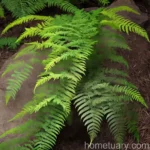
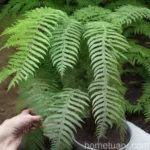
The broad beech fern, also known as Phegopteris hexagonoptera, is a native fern species that is cherished for its elegant foliage and adaptability. This fern belongs to the genus Phegopteris and is characterized by its hexagonal-shaped pinnules, which give it a unique and striking appearance. The broad beech fern is a perennial plant that is typically found in rich, moist woodlands, where it adds a touch of natural beauty with its lush green fronds.
Key Takeaways
Before we delve into the essential aspects of broad beech fern care and cultivation, let’s explore some key takeaways about this captivating fern species:
– Fern Species: Phegopteris hexagonoptera
– Broad-Leaved Fern: Renowned for its broad, lush foliage
– Adaptability: Thrives in a variety of habitats, from woodlands to shaded gardens
– Native Species: Indigenous to certain regions of North America
– Reproduction: Propagated through spores, following a distinct fern lifecycle
– Cultural Uses: Involved in landscaping, gardening, and indoor cultivation
Culture
Cultivating and caring for the broad beech fern requires an understanding of its specific cultural requirements. From water and sunlight to soil composition and pruning techniques, each aspect contributes to the overall health and vibrancy of this graceful fern species.
Water
Maintaining appropriate soil moisture is crucial for the optimal growth of the broad beech fern. While it thrives in moist conditions, it is essential to avoid waterlogging the soil. Here are some key considerations for watering the broad beech fern:
– Moisture Levels: Keep the soil consistently moist, ensuring that it does not dry out completely.
– Drainage: Ensure proper drainage to prevent water accumulation around the roots, which can lead to rot and other issues.
– Watering Frequency: Water the fern regularly, especially during dry periods, but avoid overwatering.
Sunlight
The broad beech fern exhibits a preference for shaded or partially shaded environments, mimicking its natural habitat in woodland settings. Understanding its sunlight requirements is vital for its successful cultivation:
– Shade Tolerance: Thrives in shaded areas, making it an excellent choice for gardens with limited direct sunlight.
– Light Intensity: Indirect or filtered light is preferred, as excessive sunlight can scorch the delicate fronds.
– Positioning: Choose an appropriate location where the fern can benefit from dappled light or partial shade.
Fertilizer
While the broad beech fern is not heavy feeder, providing it with occasional fertilization can enhance its growth and vibrancy. Selecting the right type of fertilizer and applying it at the appropriate times are crucial for its overall health:
– Fertilizer Type: Opt for a balanced, liquid fertilizer designed for ferns or other shade-loving plants.
– Application Frequency: Apply fertilizer sparingly, typically during the growing season, to avoid overfeeding the fern.
– Dilution and Application: Dilute the fertilizer as per the manufacturer’s instructions and apply it directly to the soil around the base of the plant.
Soil
Creating an ideal soil environment for the broad beech fern is essential for its long-term health and vitality. The following factors should be considered when selecting and preparing the soil for this fern species:
– Acidic Soil: The broad beech fern thrives in slightly acidic to neutral soil with a pH range of 5.5 to 7.0.
– Organic Matter: Incorporate organic compost or well-decomposed leaf litter to enrich the soil and enhance its moisture-retaining capacity.
– Drainage: Ensure that the soil has adequate drainage to prevent waterlogging, which can adversely affect the fern’s root system.
Pruning
Pruning is an essential aspect of broad beech fern care, as it helps maintain the plant’s appearance and health. While ferns are relatively low-maintenance in terms of pruning, removing dead fronds and maintaining a tidy appearance can promote vigorous growth:
– Dead Frond Removal: Regularly remove yellowing or withered fronds to promote new growth and prevent the spread of disease.
– Tidying Up: Trim any unsightly or damaged fronds to maintain the fern’s overall aesthetic appeal.
Propagation
The propagation of the broad beech fern typically involves the use of spores, which are produced in specialized structures known as sori on the underside of the fronds. Understanding the propagation process is vital for those interested in multiplying their fern collection:
– Spore Collection: Harvest spores from mature fronds by gently tapping them over a piece of paper to collect the fine, dust-like spores.
– Growing Medium: Sow the spores on a suitable growing medium, such as a mixture of peat moss and perlite, in a controlled environment with high humidity.
– Patience and Care: Propagating ferns from spores requires patience, as the process can take several months to yield visible results.
Container Popularity
The broad beech fern’s adaptability makes it a popular choice for container gardening, allowing individuals to enjoy its beauty in a variety of settings, from balconies and patios to indoor spaces.
Indoor Cultivation
As an indoor plant, the broad beech fern adds a touch of elegance to interior spaces while providing the following benefits:
– Air Purification: The fern helps improve indoor air quality by removing toxins and enhancing humidity.
– Décor Accent: Its lush, arching fronds make it a visually appealing addition to living spaces, creating a soothing ambiance.
– Container Selection: Choose a well-draining container that accommodates the fern’s root system and allows for proper airflow.
Outdoor Container Gardening
In outdoor settings, the broad beech fern thrives in containers, contributing to the charm of balconies, patios, and shaded outdoor areas:
– Container Size: Select a sufficiently spacious container that allows the fern’s roots to spread and develop without constraints.
– Shade Preference: Position the container in a shaded or partially shaded area to provide the fern with an optimal growing environment.
– Watering Management: Monitor the soil moisture levels and ensure that the container allows for adequate drainage.
Common Diseases
While the broad beech fern is relatively resistant to diseases, it is essential to be aware of potential issues that may affect its health and vigor.
Disease Diagnosis
Recognizing the symptoms of common fern diseases can aid in prompt diagnosis and treatment:
– Leaf Spot: Small, dark spots or lesions on the fronds, often caused by fungal pathogens.
– Rust Infections: Manifest as reddish-brown spores or pustules on the undersides of the fronds, indicating a rust fungus infestation.
– Preventive Measures: Proper air circulation and moisture management can help mitigate the risk of fungal diseases.
Common Pests
Pests, while not as prevalent as diseases, can occasionally pose a threat to the broad beech fern’s well-being.
Pest Identification
Understanding the signs of pest infestations can aid in implementing targeted control measures:
– Aphids: Small, soft-bodied insects that may cluster on the undersides of the fronds, sucking sap and causing deformation.
– Scale Insects: Manifest as small, raised bumps on the frond surfaces, often accompanied by sticky honeydew secretion.
Botanist’s Tips
To ensure the successful cultivation and care of the broad beech fern, consider the following expert tips:
– Seasonal Care: Adjust watering frequency and fertilization based on seasonal variations in light and temperature.
– Winter Protection: In regions with cold winters, provide insulation or bring potted ferns indoors to protect them from frost.
– Pest Monitoring: Regularly inspect the fern for signs of pest activity and promptly address any issues to prevent widespread infestations.
Fun Facts
- Ancient Species: Ferns are some of the oldest plant species on Earth, with a rich evolutionary history dating back to prehistoric times.
- Spore Reproduction: Ferns reproduce through spores, a distinctive method that sets them apart from flowering plants.
- Medicinal Uses: Certain fern species have medicinal properties and are used in traditional herbal remedies in various cultures.
Links to External Resources
For further exploration and detailed information about the broad beech fern and related topics, consider the following external resources:
– The American Fern Society
– Royal Horticultural Society: Ferns
In conclusion, the broad beech fern, with its captivating morphology, adaptability, and cultural significance, stands as a testament to the remarkable diversity and beauty of fern species. By understanding its specific requirements and unique characteristics, enthusiasts and botanists alike can cultivate and appreciate the splendor of this graceful fern in various settings, from shaded gardens to indoor containers.
Remember that caring for plants should be enjoyable and not overwhelming. Take the time to observe and appreciate the natural beauty of the broad beech fern, and you will be rewarded with its enduring elegance and resilience.