The Enchanting Beech Fern (Phegopteris connectilis): A Comprehensive Guide for Cultivation and Maintenance
Plants are not just a source of natural delight, but also vital components of our ecosystem. Each plant possesses unique characteristics, requiring specific care to thrive. In this guide, we will delve into the realm of the beech fern (Phegopteris connectilis), exploring its description, cultivation, and maintenance. Strap in as we unfold the fascinating world of this captivating plant.
What is the Beech Fern (Phegopteris connectilis)?
The beech fern, scientifically known as Phegopteris connectilis, is a charming perennial plant belonging to the Dryopteridaceae family. This delicate fern features vibrant green fronds, offering an elegant addition to shaded gardens. Its lacy foliage and graceful demeanor make it a sought-after ornamental plant.
Beech Fern Description
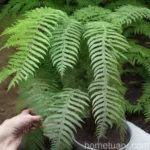
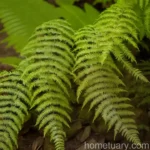
The beech fern, also referred to as the northern beech fern, is characterized by its finely-cut fronds that lend an airy and delicate appearance. The fronds typically grow in clusters, creating a lush and voluminous display.
Phegopteris connectilis Facts
- Scientific Name: Phegopteris connectilis
- Common Name: Beech Fern, Northern Beech Fern
- Family: Dryopteridaceae
- Type: Perennial Fern
Beech Fern Size
The beech fern is relatively compact in size, reaching a height of approximately 12 to 24 inches, with a spread of 12 to 18 inches.
Phegopteris connectilis Characteristics
- Delicate, lacy fronds
- Compact growth habit
- Shade-loving
Beech Fern Habitat
This species thrives in the sheltered and moist environments of woodlands, often growing near rocky outcrops and along stream banks.
Phegopteris connectilis Distribution
The beech fern is widespread across North America, often found in the northeastern regions and extending southward along the Appalachian Mountains.
Key Takeaways
Before delving into the specific care requirements of the beech fern, let’s explore some key takeaways about this captivating plant.
Beech Fern Care Tips
- Shade Preference: The beech fern flourishes in shaded environments, making it an excellent choice for woodland gardens or partially shaded landscapes.
- Moisture Requirements: Consistent moisture is crucial for the beech fern’s health. Ensure well-draining, moisture-retentive soil for optimal growth.
- Low Maintenance: Once established, the beech fern is relatively low-maintenance, requiring minimal intervention.
Phegopteris connectilis Growing Conditions
- Light: Partial to full shade
- Water: Consistently moist soil
- Soil: Rich, well-draining, and acidic
- Maintenance: Low care requirements
Beech Fern Propagation Methods
- Division
- Spores
Phegopteris connectilis Varieties
While the beech fern does not have distinct cultivars, its natural variation in frond shape and overall appearance adds to its allure.
Beech Fern Uses
- Ornamental landscaping
- Woodland and shade gardens
Phegopteris connectilis Medicinal Properties
Although primarily cultivated for ornamental purposes, the beech fern holds historical significance in traditional herbal medicine for its purported diuretic and astringent qualities.
Beech Fern Symbolism
The beech fern symbolizes tranquility and elegance, making it an ideal choice for serene garden spaces.
Phegopteris connectilis Folklore
In folklore, the beech fern is associated with protection and warding off negative energies, adding an enchanting narrative to its presence in gardens.
After grasping these fundamental aspects of the beech fern, let’s dive deeper into the strategies for nurturing and maintaining this captivating plant.
Cultivation
Cultivating the beech fern requires a keen understanding of its preferences regarding water, sunlight, soil, and other essential elements. Here’s a detailed overview of its cultivation and care.
Water
Consistent moisture is crucial for the beech fern’s well-being. Ensure that the soil maintains a moist, yet well-draining consistency, avoiding waterlogged conditions that can lead to root rot. A regular watering schedule, particularly during dry spells, is essential to support the plant’s growth and vitality.
Sunlight
The beech fern thrives in shaded environments, making it an excellent choice for landscapes with partial to full shade. Direct sunlight should be avoided, as it can scorch the delicate fronds and hinder the plant’s overall vigor. Optimal conditions include dappled shade or filtered light that mimics the fern’s natural woodland habitat.
Soil
Creating an ideal soil environment is vital for the beech fern’s prosperity. The soil should be rich and well-draining, with a slightly acidic pH level. A composition of organic matter, such as compost or peat moss, can enhance the soil’s fertility and moisture-retention capacity, supporting the fern’s growth and development.
Fertilizer
The beech fern generally thrives without the need for regular fertilization. However, applying a balanced, water-soluble fertilizer sparingly in the spring can provide an additional boost to the plant’s vitality. A diluted, slow-release fertilizer can also be incorporated into the soil during the growing season to supplement the fern’s nutritional requirements.
Pruning
Given its compact growth habit, the beech fern typically does not require extensive pruning. However, removing any damaged or discolored fronds can promote a tidy and attractive appearance. Pruning should be done with care to avoid damaging the emerging fiddleheads and delicate foliage.
Propagation
Propagation of the beech fern is commonly achieved through two main methods: division and spores.
Division
Dividing the mature clumps of the beech fern can be conducted in the early spring, as new growth emerges. Carefully separate the clumps, ensuring that each division possesses viable roots and healthy foliage. Plant the divisions in prepared soil, and maintain consistent moisture to facilitate their establishment.
Spores
For those seeking to propagate the beech fern through spores, the process involves patience and precision. Harvest mature sporangia from the underside of the fronds and cultivate them in a controlled environment to encourage spore germination. The resulting small, prothallus-stage plants can be transplanted into suitable containers or growing areas to initiate their development into mature ferns.
Container Popularity
The beech fern’s modest size and preference for shaded conditions render it well-suited for container cultivation. It can bring an enchanting touch to shaded balcony gardens, patios, or indoor spaces where adequate indirect light is available.
Container Common Diseases
While the beech fern is relatively resilient, certain diseases can affect its container-grown specimens. Common concerns include fungal issues such as root rot and leaf spot, often stemming from overwatering or poor air circulation. Regular monitoring of the fern’s foliage and soil moisture can aid in early detection and intervention.
Disease Diagnosis
In case of suspected diseases, careful examination of the fern’s fronds and root system can offer insights into the potential issues. Identifying symptoms such as discoloration, wilting, or unusual spots can guide the appropriate measures for disease management. Consultation with local plant health experts can aid in accurate disease diagnosis and tailored treatment strategies.
Common Pests
Pests that commonly pose a threat to the beech fern include aphids, mites, and scale insects. These pests can cause damage to the fern’s delicate fronds and compromise its overall health. Vigilant inspection and prompt intervention can aid in mitigating pest infestations, preserving the plant’s aesthetic appeal and vigor.
Botanist’s Tips
To foster the optimal growth and well-being of the beech fern, consider the following expert tips:
- Monitor soil moisture to prevent waterlogging and maintain consistent, yet not excessive, moisture levels.
- Provide ample shade to shield the fern from direct sunlight, ensuring a conducive environment for its growth.
- Conduct periodic soil assessments to evaluate the pH levels and overall soil condition, amending as necessary to meet the fern’s requirements.
Landscape Design
Incorporating the beech fern into landscape designs can introduce a touch of elegance and natural allure to various garden settings. From woodland borders to shaded rock gardens, the beech fern’s ethereal charm can enrich diverse landscapes.
Beech Fern Gardening
When integrating the beech fern into garden spaces, consider the following design approaches to maximize its visual impact:
- Woodland Gardens: Create lush, shaded corners adorned with clusters of beech ferns, complementing the natural ambiance of woodland settings.
- Rock Gardens: Enhance rocky landscapes with the delicate fronds of the beech fern, adding softness and texture to the rugged surroundings.
Phegopteris connectilis Landscape Design
The beech fern’s graceful presence can be leveraged to achieve captivating landscape designs, such as:
- Understory Plantings: Pair the beech fern with shade-loving companions, such as hostas and astilbes, to create harmonious woodland understory plantings.
- Shaded Path Borders: Line shaded pathways with the beech fern, infusing a tranquil and verdant allure into these serene passages.
Beech Fern Maintenance
Maintaining the beech fern’s health and visual appeal entails the following essential practices:
- Weeding: Regularly inspect the fern’s growing area to remove any invasive weeds that may compete for nutrients and water.
- Monitoring: Continuously monitor the fern for signs of pests, diseases, or moisture-related issues, intervening promptly to preserve its vitality.
Phegopteris connectilis Pest Control
Preventing pest infestations and preserving the beech fern’s pristine appearance can be achieved through the following pest control measures:
- Natural Predators: Encourage the presence of beneficial insects and organisms that can predate on potential pests, maintaining a balanced ecosystem within the garden.
- Cultural Practices: Optimize the growing conditions and overall garden health to bolster the beech fern’s natural resistance to pest pressures.
The Science of Nurturing
Understanding the interplay of environmental factors and the beech fern’s unique requirements is essential to its successful cultivation. Let’s explore the scientific principles behind the plant’s care and maintenance.
Beech Fern Diseases
While the beech fern is relatively resistant to diseases, it may be susceptible to certain fungal issues and pathogens. Common diseases that can affect the beech fern include:
- Root Rot: Resulting from waterlogged conditions or poorly drained soil, root rot can compromise the plant’s root system, leading to wilting and decline.
- Leaf Spot: Fungal leaf spot diseases can manifest as discolored lesions on the fern’s fronds, affecting its overall aesthetic appeal and vitality.
Phegopteris connectilis Pruning Techniques
Pruning the beech fern involves subtle and precise techniques to maintain its graceful appearance. Consider the following tips for effective pruning:
- Selective Removal: Identify and selectively remove any damaged or discolored fronds, promoting a tidy and attractive foliage display.
- Fiddlehead Care: Exercise care when pruning to avoid damaging the emerging fiddleheads, as they represent the plant’s new growth.
Beech Fern Soil Requirements
Creating an optimal soil environment is crucial for the beech fern’s well-being. Key considerations for soil requirements include:
- Moisture Retention: Incorporate organic matter such as peat moss or compost to enhance the soil’s moisture retention capacity, supporting the fern’s hydration needs.
- pH Levels: Monitor and maintain slightly acidic soil conditions, as the beech fern thrives in a pH range of 5.5 to 6.5.
Phegopteris connectilis Water Needs
Understanding the beech fern’s water requirements is pivotal for its successful cultivation. Key aspects of its water needs include:
- Consistent Moisture: Ensure that the soil remains consistently moist, avoiding prolonged dry spells that can stress the fern and impede its growth.
- Water Quality: Employ quality water sources free from excessive mineral content or contaminants that can adversely affect the fern’s health.
Beech Fern Light Preferences
Providing suitable light conditions is essential for the beech fern’s growth and vitality. Consider the following insights into its light preferences:
- Partial to Full Shade: Shield the beech fern from direct sunlight, opting for partially shaded or fully shaded locations to mimic its natural woodland habitat.
- Filtered Light: When cultivating the fern indoors, ensure access to filtered light that emulates its preference for dappled shade.
Phegopteris connectilis Temperature Tolerance
Understanding the beech fern’s temperature tolerance aids in creating an environment conducive to its thriving. Key considerations for temperature tolerance include:
- Cold Hardiness: The beech fern exhibits resilience to moderately cold temperatures, making it suitable for temperate and cool climate regions.
- Summer Sensitivity: Shield the plant from excessive heat and direct sun exposure, as prolonged high temperatures can stress and damage the delicate fronds.
Beech Fern Planting Tips
When planting the beech fern, consider the following tips to ensure its successful establishment and sustained growth:
- Prepared Soil: Prepare the planting site with well-draining, moisture-retentive soil enriched with organic matter to provide an optimal growing environment for the fern.
- Spacing: Space individual plants appropriately to accommodate their mature spread, fostering healthy growth and preventing overcrowding.
Phegopteris connectilis Container Gardening
Harnessing the beech fern’s charm in container gardens can create enchanting outdoor and indoor displays. Consider the following container gardening practices for the fern:
- Shaded Containers: Select shaded locations for the fern’s containers, ensuring protection from direct sunlight to support its flourishing.
- Moisture Management: Monitor the soil moisture in containers to ensure consistent hydration for the beech fern, especially during warm periods.
Practical Guidance
Cultivating the beech fern involves an interplay of practical insights and horticultural expertise. Let’s delve into the practical considerations and recommendations for nurturing this captivating plant.
Beech Fern Companion Plants
Pairing the beech fern with suitable companion plants can enhance its visual appeal and ecological harmony within garden settings. Consider the following companion plant options:
- Astilbes: These shade-loving perennials complement the beech fern’s elegance with their vibrant floral displays and lush foliage.
- Hostas: The diverse range of hosta varieties can serve as ideal companions to the beech fern, creating captivating woodland garden compositions.
Phegopteris connectilis Landscaping Ideas
Incorporate the beech fern into various landscape designs to introduce a touch of natural grace and allure into garden settings. Explore the following landscaping ideas to maximize the fern’s impact:
- Woodland Borders: Line shaded woodland borders with clusters of beech ferns, enriching the understory and lending a lush appeal to the landscape.
- Mixed Shade Gardens: Integrate the beech fern into mixed shade gardens, coexisting harmoniously with other shade-loving perennials and foliage plants.
Beech Fern Wildlife Interactions
The beech fern’s presence can attract and support diverse wildlife interactions within garden spaces. Consider the following wildlife associations with the beech fern:
- Beneficial Insects: The foliage of the beech fern can provide shelter and support for beneficial insects such as pollinators and predatory species, fostering ecological balance.
- Bird Habitats: The delicate fronds and clustered growth habit of the beech fern can offer nesting and foraging opportunities for birds, enriching the garden’s biodiversity.
Phegopteris connectilis Ecological Importance
The beech fern contributes to the ecological fabric of natural habitats, offering various ecological benefits such as:
- Erosion Control: The dense root system and clustering growth of the beech fern can aid in soil stabilization and erosion control in wooded landscapes.
- Biodiversity Support: By providing shelter and foraging spaces, the beech fern can contribute to supporting diverse wildlife and insect species within natural ecosystems.
Beech Fern Conservation Status
While the beech fern is not considered threatened on a global scale, its preservation and sustainable cultivation are integral to maintaining its natural abundance and ecological contributions.
Phegopteris connectilis Endangered Status
Local assessments and conservation efforts may be necessary to preserve the beech fern’s populations and habitats in specific regions, ensuring its continued presence in diverse ecological landscapes.
Beech Fern Myth and Legends
Exploring the folklore and cultural significance of the beech fern can offer enchanting narratives and symbolic connections to traditional beliefs and stories. Consider the following mythological associations:
- Protection Symbol: In folklore, the beech fern is linked to notions of protection and warding off negative influences, adding a mystical allure to its presence in gardens.
Phegopteris connectilis Cultural Significance
The beech fern’s cultivation and usage may hold cultural significance, reflecting its historical importance and symbolic resonance within various societies and traditions.
Beech Fern Artistic Interpretations
Appreciating the beech fern’s aesthetic appeal has inspired artistic expressions and interpretations across various mediums. Explore the following artistic representations:
- Visual Arts: The delicate fronds and clustered growth habit of the beech fern have been depicted in paintings, illustrations, and botanical art, capturing its ethereal beauty.
- Literary Works: Poets and writers have drawn inspiration from the beech fern’s grace and allure, weaving its imagery into diverse literary narratives and creative compositions.
Phegopteris connectilis Photography
The beech fern’s captivating presence and intricate foliage inspire stunning photographic compositions, celebrating its natural elegance and visual poetry within garden settings.
Beech Fern Cooking Recipes
While the beech fern is primarily cultivated for ornamental purposes, it does not hold culinary significance due to its classification as a non-edible fern.
Phegopteris connectilis Foraging Uses
The beech fern is not suitable for foraging or medicinal usage, as its consumption may pose health risks due to its non-edible nature.
Beech Fern Crafts and DIY Projects
Embrace the beech fern’s aesthetic appeal by integrating its delicate fronds into various crafts and DIY projects, ranging from botanical art to decorative arrangements.
Phegopteris connectilis in Landscaping Design
The beech fern’s application in landscaping design can encompass various elements, including its role in creating serene gardens and enhancing naturalistic compositions.
Beech Fern Indoor Cultivation
For indoor cultivation, consider providing the beech fern with filtered light and consistent moisture to mimic its natural woodland habitat, creating an enchanting indoor display.
Phegopteris connectilis Outdoor Cultivation
In outdoor settings, the beech fern thrives in shaded gardens, woodland landscapes, and rock garden compositions, infusing these spaces with its delicate charm and serene allure.
Beech Fern Garden Decor
Incorporate the beech fern into garden decor by leveraging its graceful fronds and compact growth habit to create enchanting focal points and serene visual compositions.
Phegopteris connectilis Architectural Uses
While the beech fern may not hold direct architectural significance, its presence can contribute to the softening and naturalizing of architectural landscapes and garden designs.
Beech Fern Biodiversity
The beech fern’s habitat and presence can contribute to local biodiversity, providing shelter and ecological support for diverse