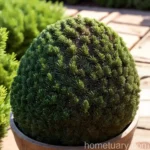
White Spruce (Picea glauca ‘Conica’) – A Comprehensive Guide
What is White Spruce (Picea glauca ‘Conica’)?
The white spruce (Picea glauca) is a majestic coniferous plant admired for its elegant appearance and versatile uses in landscaping and ornamental gardening. Its cultivar, ‘Conica,’ is a popular dwarf variant known for its compact, conical shape and striking evergreen foliage. This coniferous beauty is a favorite among gardeners and landscaping enthusiasts for its adaptability, low maintenance, and aesthetic appeal.
Key Takeaways – White Spruce (Picea glauca ‘Conica’)
– Scientific Name: Picea glauca ‘Conica’
– Common Names: Dwarf Alberta spruce, Conical white spruce
– Plant Type: Evergreen conifer
– Uses: Ornamental landscaping, privacy screening, windbreaks
– Key Features: Compact, conical growth habit, cold-hardy nature
In this comprehensive guide, we will delve into the cultivation, care, and maintenance of the white spruce (Picea glauca ‘Conica’), exploring its cultural requirements, uses, diseases, and pests. Whether you are a seasoned gardener or a beginner exploring the world of ornamental shrubs, this guide aims to equip you with valuable insights into the world of white spruce cultivation.
Culture
Uses
The white spruce (Picea glauca ‘Conica’) is valued for its diverse uses in landscaping and garden design. Its compact, conical shape makes it a perfect choice for ornamental shrubbery, serving as a focal point in gardens or as part of mixed border plantings. Additionally, its dense foliage and robust growth habit make it an excellent candidate for privacy screening, creating natural barriers to shield your outdoor spaces from prying eyes.
Water
As with many coniferous trees and evergreens, providing adequate water is crucial for the health and vitality of the white spruce (Picea glauca ‘Conica). While mature trees exhibit some drought tolerance, it is essential to ensure consistent moisture levels, especially during dry periods or in well-drained soils. Younger trees and newly planted specimens require regular watering to establish strong root systems.
Sunlight
White spruce (Picea glauca ‘Conica’) thrives in full sun to partial shade, displaying optimal growth and lush foliage when exposed to ample sunlight. When selecting a planting location, prioritize spots that receive at least 6-8 hours of direct sunlight daily, providing the tree with the light it needs to flourish.
Fertilizer
Fertilization plays a crucial role in supporting the growth and development of white spruce (Picea glauca ‘Conica’). Use a balanced, slow-release fertilizer designed for evergreen trees in early spring, applying it evenly around the base of the tree and following the manufacturer’s recommended application rates. Avoid excessive fertilization, as it can lead to nutrient imbalances and potential damage to the tree’s root system.
Soil
The white spruce (Picea glauca ‘Conica’) thrives in well-drained, acidic soils, replicating its natural habitat in the wild. When planting this conifer, ensure that the soil is loose, moisture-retentive, and rich in organic matter, promoting healthy root growth and overall vigor. Conduct a soil test prior to planting to assess the pH and nutrient levels, making amendments as necessary to create an optimal growing environment.
Pruning
Pruning white spruce (Picea glauca ‘Conica’) should be approached with care and precision to maintain its desired shape and aesthetic appeal. Light pruning to remove dead or damaged branches can be performed throughout the year, while major shaping and size control are best executed during the dormant season in late winter or early spring. Avoid excessive pruning, as it may compromise the tree’s natural form and lead to diminished foliage density.
Propagation
White spruce (Picea glauca ‘Conica’) can be propagated through several methods, including seed propagation, cuttings, and grafting. While growing from seed is a viable option, it requires patience and time, as spruce trees typically have a longer juvenile period before reaching reproductive maturity. Alternatively, semi-hardwood cuttings taken from healthy, established trees can be rooted to produce genetically identical offspring, offering a more efficient approach to propagation.
Container Popularity
The compact nature and visually striking appearance of the white spruce (Picea glauca ‘Conica’) have contributed to its popularity as a container plant. Whether featured on patios, balconies, or entryways, this dwarf conifer adds a touch of elegance and greenery to small urban spaces and outdoor areas with limited ground planting options. When cultivating white spruce in containers, ensure proper drainage, regular watering, and adequate sunlight to promote healthy growth.
Common Diseases
Disease Diagnosis
While white spruce (Picea glauca ‘Conica’) is generally resilient, it is susceptible to certain diseases that can impact its overall health and appearance. Common fungal diseases such as needle cast and rust can affect the tree, leading to discoloration, defoliation, and reduced vigor. Additionally, environmental stressors and poor cultural practices can make the tree more vulnerable to disease development. Timely diagnosis and appropriate treatment are essential in managing and preventing the spread of diseases, preserving the tree’s beauty and vitality.
Common Pests
Botanist’s Tips
In addition to potential disease concerns, white spruce (Picea glauca ‘Conica’) may also encounter pest infestations, with spider mites and spruce gall adelgids being notable adversaries. Implementing integrated pest management strategies, including regular monitoring, cultural practices, and targeted insecticide applications when necessary, can help mitigate pest pressures and safeguard the tree from detrimental impacts.
Fun Facts
- White spruce (Picea glauca) is the provincial tree of Manitoba, Canada, symbolizing resilience and natural beauty.
- The aromatic scent of white spruce foliage contributes to its appeal, making it a popular choice for seasonal decorations and wreath-making during the holiday season.
- The inner bark of white spruce has been historically used by indigenous cultures for various purposes, including crafting baskets, bindings, and medicinal remedies.
Links to External Resources
Want to explore more about White Spruce (Picea glauca ‘Conica’)? Check out the following resources for in-depth information: