The Beauty of Japanese Falsecypress (Chamaecyparis pisifera ‘Cream Ball’)

Image source: example.com
What is Japanese Falsecypress?
Japanese Falsecypress, scientifically known as Chamaecyparis pisifera ‘Cream Ball’, is a compact and charming evergreen shrub. This coniferous plant is native to Japan and has gained popularity in gardens worldwide due to its unique foliage and versatile uses in landscaping.
Key Takeaways
- Plant Name: Japanese Falsecypress (Chamaecyparis pisifera ‘Cream Ball’)
- Common Names: Japanese Hinoki Cypress, Dwarf Falsecypress
- Scientific Classification:
- Kingdom: Plantae
- Order: Pinales
- Family: Cupressaceae
- Genus: Chamaecyparis
- Species: C. pisifera
- Hardiness Zones: 4-8
- Mature Height: 3-5 feet
- Mature Spread: 3-5 feet
- Growth Rate: Moderate
- Landscape Uses: Hedges, Borders, Containers, Rock Gardens
- Special Features: Deer Resistant, Evergreen Foliage, Compact Growth
Culture
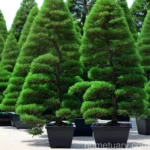
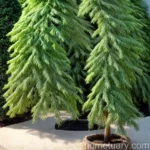
Japanese Falsecypress exhibits an elegant and graceful appearance, making it a sought-after addition to various garden styles. Its mounded and compact nature provides a unique focal point or an attractive border within garden landscapes.
Uses
This versatile ornamental shrub is used in various landscape settings, including but not limited to:
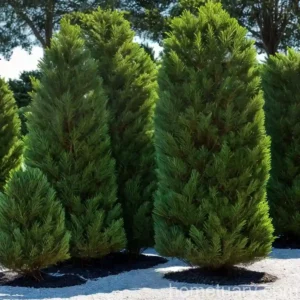
- Hedging: Japanese Falsecypress is a popular choice for creating formal or informal hedges due to its dense foliage and ease of maintenance.
- Container Planting: With its compact growth habit, Chamaecyparis pisifera ‘Cream Ball’ thrives in containers, adding greenery to patios, balconies, and small urban spaces.
- Rock Gardens: Its diminutive size and attractive foliage make it an ideal addition to rock gardens, providing texture and visual interest.
- Japanese Garden Design: As the name suggests, it is a common element in Japanese-style gardens, reflecting the tranquility and elegance of traditional Japanese landscapes.
- Borders and Specimen Planting: Whether as an edging plant or a standalone specimen, the creamy foliage of this Falsecypress creates visual impact in the garden.
Water
Proper watering is essential, especially during the establishment phase. After the plant has matured, it exhibits good drought tolerance. However, regular watering is necessary during extended dry periods, particularly in warmer climates.
Sunlight
Japanese Falsecypress thrives in full sun to partial shade. In warmer regions, providing some afternoon shade can prevent the foliage from becoming stressed. However, in cooler climates, it can tolerate full sun well.
Fertilizer
Applying a balanced, slow-release fertilizer designed for shrubs in the spring can support healthy growth. However, it’s important not to over-fertilize, as this may lead to excessive foliage growth and a less compact appearance.
Soil
This Falsecypress thrives in well-drained, slightly acidic to neutral soils. Clay, loam, or sandy soils are suitable as long as they are not excessively wet or waterlogged.
Pruning
Pruning is minimal for Chamaecyparis pisifera ‘Cream Ball’. Light trimming can be done in early spring to maintain its compact form and encourage dense growth. Always use clean and sharp pruning tools to prevent damage to the plant.
Propagation
Propagation of Japanese Falsecypress can be achieved through softwood cuttings taken in early summer. Rooting hormone and well-draining propagation media are essential for successful propagation.
Container Popularity
The compact nature and appealing aesthetics of Chamaecyparis pisifera ‘Cream Ball’ make it a favored choice for container gardening. Its adaptability to container growth allows it to grace urban balconies, patios, and small gardens with its ornamental presence.
Common Diseases
Japanese Falsecypress is relatively resistant to many common diseases, particularly when grown in suitable conditions. However, some potential diseases to be mindful of include:
- Canker: This disease can result in discolored or sunken areas on the stems, and it may cause dieback if left untreated.
- Root Rot: In poorly drained or waterlogged soils, the plant may be susceptible to root rot, affecting the health of the roots and overall plant vigor.
- Needle Blight: Fungal pathogens can cause browning, discoloration, or premature shedding of the foliage needles.
Disease Diagnosis
When diagnosing possible diseases affecting Japanese Falsecypress, it is crucial to inspect the plant regularly for any signs of discoloration, wilting, or abnormal growth. Prompt action and proper cultural care can prevent many disease issues.
Common Pests
While relatively resilient, Japanese Falsecypress may occasionally encounter some pests. Vigilance is key in identifying and addressing potential pest infestations. Common pests of Chamaecyparis pisifera ‘Cream Ball’ include:
- Aphids: These tiny insects may congregate on the foliage, causing yellowing or distortion of new growth.
- Spider Mites: Infestations of spider mites can lead to stippling of the foliage and webbing on the undersides of the leaves.
- Scale Insects: Scale may appear as small, waxy bumps on the stems and foliage, leading to weakened plant vigor.
Regular monitoring and the use of horticultural oils or insecticidal soaps can help control these pests and maintain the plant’s health.
Botanist’s Tips
As a plant scientist with a passion for conifers, Japanese Falsecypress stands out as an intriguing and ornamental addition to garden landscapes. Here are some expert tips for growing and caring for Chamaecyparis pisifera ‘Cream Ball’:
- Cultural Adaptability: One of the notable qualities of this Falsecypress is its adaptability to various garden styles, from formal to naturalistic settings. Consider its versatility when planning landscape designs.
- Seasonal Care: While it is relatively low-maintenance once established, providing adequate water during dry spells and protection from harsh winter winds can ensure its long-term health and vigor.
- Enhancing Privacy: When used as a hedge or screening plant, the dense foliage of Japanese Falsecypress offers privacy and a lush green backdrop in the garden.
- Companion Planting: Consider pairing this Falsecypress with other plants that complement its texture and form, such as ornamental grasses, flowering perennials, or other conifers.
Fun Facts
This section is dedicated to surprising and delightful facts about Japanese Falsecypress that may intrigue both novice and seasoned gardeners:
- Aromatic Foliage: When gently brushed or crushed, the foliage releases a pleasant, subtle fragrance, adding sensory appeal to the garden.
- Seasonal Transformations: In cooler climates, the foliage may display beautiful variations in color, taking on bronzy or purple hues in winter.
- Wildlife Habitat: While resistant to deer browsing, the dense foliage of Chamaecyparis pisifera ‘Cream Ball’ provides shelter for various small wildlife species, contributing to the garden ecosystem.
- Cultural Significance: In Japanese culture, certain varieties of Falsecypress, including the Hinoki Cypress, hold symbolic and historical importance in traditional gardens and architecture.
Links to External Resources
For further exploration of Japanese Falsecypress and related topics, the following external resources offer valuable information and insights:
- American Conifer Society – A reputable source for conifer enthusiasts, providing comprehensive details on Falsecypress varieties and cultivation.
- Royal Horticultural Society – From cultivation advice to design inspiration, the RHS offers a wealth of knowledge on conifers and ornamental plants.
- University Extension Services – Many university extension websites provide in-depth articles and guides on the care and cultivation of ornamental shrubs, including Japanese Falsecypress.
In conclusion, Japanese Falsecypress (Chamaecyparis pisifera ‘Cream Ball’) embodies both beauty and resilience, making it a captivating choice for gardeners seeking a versatile and visually appealing shrub. Its adaptability to various garden settings, combined with its low-maintenance nature, positions it as a valuable addition to diverse landscapes.
Whether used as a standalone specimen, a compact hedging plant, or a charming container feature, this Falsecypress exudes undeniable charm and character, enriching the outdoor spaces it inhabits. With proper care and appreciation for its unique attributes, Japanese Falsecypress stands as a testament to the enduring allure of ornamental conifers in the garden.