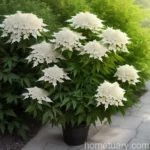
Blue Elder (Sambucus nigra subsp. cerulea): A Comprehensive Plant Guide

Blue elder (Sambucus nigra subsp. cerulea) is a captivating and versatile plant that has been cherished for its ornamental, culinary, and medicinal properties for centuries. As a plant scientist with a passion for exploring the intricate world of flora, I am excited to delve into the enchanting realm of blue elderberries, also known as Sambucus nigra cerulea. In this comprehensive guide, we will unravel the various facets of blue elder, from its cultural significance to its ecological importance, and from its growth requirements to its myriad uses, both in traditional practices and modern applications.
What is Blue Elder (Sambucus nigra subsp. cerulea)?
Blue elder (Sambucus nigra subsp. cerulea) is a subspecies of the elderberry plant, scientifically known as Sambucus nigra. This deciduous shrub belongs to the Adoxaceae family and is native to North America. It is renowned for its striking blue or purple-black berries, which not only add a touch of elegance to the landscape but also possess a host of nutritional and medicinal benefits.
The specific epithet “nigra” in its scientific name, Sambucus nigra, refers to the plant’s dark-colored berries, while “cerulea” highlights the characteristic bluish tinge that distinguishes this subspecies from other varieties of elderberry. Blue elderberries are known for their versatility, being used in various culinary delicacies, herbal remedies, and landscaping applications.
Key Takeaways – Blue Elder (Sambucus nigra subsp. cerulea)
Before we embark on our journey to explore the diverse facets of blue elder, let’s outline some key takeaways about this captivating plant:
- Blue elder (Sambucus nigra subsp. cerulea) is a subspecies of the elderberry plant with distinctive bluish berries.
- It is prized for its ornamental, culinary, and medicinal properties, making it a valuable addition to gardens, landscapes, and herbal medicine apothecaries.
- The plant is known for its resilience and adaptability, thriving in various environmental conditions and providing essential habitat and food for wildlife.
- Blue elderberries can be utilized in an array of recipes, including jams, syrups, wines, and teas, and are revered for their antioxidant and immune-boosting properties.
With these key points in mind, let’s embark on an in-depth exploration of blue elder (Sambucus nigra subsp. cerulea), uncovering its cultural significance, growth requirements, utilization in diverse domains, and its vital role in ecological conservation.
Culture
Water
Blue elder (Sambucus nigra subsp. cerulea) exhibits tolerance to a range of soil moisture conditions, from well-draining soils to moderately wet areas. While the plant can withstand periods of drought once established, it thrives in moist, fertile soils. Adequate water availability is crucial, especially during the establishment phase and fruit development to ensure healthy growth and bountiful harvests of vibrant blue berries.
Sunlight
When it comes to sunlight requirements, blue elderberries showcase adaptability and resilience. While they prefer full sun conditions for optimal growth and fruit production, they can also thrive in partial shade. However, to maximize berry yields and overall plant vigor, providing them with at least 6-8 hours of direct sunlight per day is recommended.
Fertilizer
Blue elderberries are not particularly demanding in terms of fertilization; however, they can benefit from a balanced application of organic matter, such as compost or well-decomposed manure, during the planting stage. Additionally, a light application of balanced fertilizer in early spring can aid in promoting vigorous growth and abundant fruiting.
Soil
Blue elder (Sambucus nigra subsp. cerulea) flourishes in a wide range of soil types, including loamy, well-draining soils with a slightly acidic to neutral pH (pH 5.5-7.5). While the plant is adaptable to various soil textures, it thrives in fertile, humus-rich soils that retain moisture without becoming waterlogged. Prior to planting, ensuring proper soil preparation and amending with organic matter can enhance the plant’s establishment and long-term health.
Uses
Culinary
Blue elderberries have been cherished for generations for their culinary versatility, adding a burst of flavor and a nutritional punch to an array of dishes and beverages. From jams and jellies to pies, wines, and herbal teas, the berries can be transformed into delicious concoctions that capture the essence of the plant’s vibrant hues and rich nutritional profile. The berries are also known for their antioxidant properties, making them a valuable addition to recipes aimed at promoting health and vitality.
Medicinal
In traditional herbal medicine, blue elderberries have been revered for their medicinal properties, with uses ranging from immune-boosting elixirs to respiratory tonics and remedies for various ailments. The berries are rich in antioxidants, vitamins, and flavonoids, making them a potent ingredient in natural remedies aimed at enhancing overall well-being. Blue elderberry extracts and syrups have gained popularity for their potential to support immune function and combat seasonal discomforts.
Ornamental
Beyond its culinary and medicinal uses, blue elder (Sambucus nigra subsp. cerulea) is valued for its ornamental appeal, with its delicate clusters of bluish berries and lacy foliage adding visual interest to garden landscapes and naturalistic plantings. The plant’s graceful habit and seasonal changes, from fragrant blooms to colorful berries, make it a sought-after addition to ornamental gardens and ecological restoration projects.
Pruning
Pruning blue elderberries is essential for maintaining plant health, shaping their growth, and promoting robust fruit production. Regular pruning, ideally in late winter to early spring, helps to remove dead or diseased wood, improve air circulation, and encourage the development of sturdy, fruit-bearing branches. Additionally, rejuvenation pruning can be performed to invigorate older plants and stimulate the growth of new, productive wood.
Propagation
Blue elder (Sambucus nigra subsp. cerulea) can be propagated through various methods, including:
-
Softwood Cuttings: Softwood cuttings taken in early summer can root successfully under moist, warm conditions, giving rise to new plants.
-
Hardwood Cuttings: Hardwood cuttings collected in late winter from dormant stems can be propagated using rooting hormone and well-draining propagation media.
-
Seed Propagation: While blue elderberries can be grown from seeds, this method is less commonly practiced due to variability in seed germination rates and the potential for hybridization with other elderberry species.
Container Popularity
Blue elder (Sambucus nigra subsp. cerulea) has garnered popularity as a container plant, with its compact size and ornamental appeal making it an attractive choice for patio gardens, balconies, and small urban spaces. When grown in containers, the plant’s cultural requirements, including adequate sunlight, water, and well-draining soil, should be diligently managed to ensure its vitality and productivity.
Container Common Diseases
In container-grown blue elderberries, a few common diseases may pose concerns, including:
-
Powdery Mildew: This fungal disease can manifest as a powdery white coating on the leaves and stems, leading to stunted growth and reduced vigor. Ensuring proper air circulation and avoiding overhead watering can help mitigate powdery mildew issues in containers.
-
Anthracnose: Anthracnose can cause dark, sunken lesions on the leaves and stems, potentially impacting the plant’s overall health. Regular monitoring and appropriate pruning of affected plant parts can aid in managing anthracnose in container-grown blue elderberries.
-
Root Rot: Overly wet conditions or poorly-draining container soils can predispose blue elderberries to root rot, leading to wilted foliage and stunted growth. Employing well-draining potting mixes and providing proper drainage can minimize the risk of root rot in container plants.
Disease Diagnosis
Diagnosing diseases in blue elder (Sambucus nigra subsp. cerulea) requires keen observation and familiarity with common plant ailments. Symptoms such as leaf spots, wilting, discoloration, and abnormal growth patterns should be carefully examined to determine the underlying cause. Seeking guidance from local extension services or plant pathology experts can aid in accurate disease diagnosis and the implementation of effective management strategies.
Common Pests
While blue elderberries are relatively resistant to pests, a few key insect pests may occasionally pose challenges, including:
-
Aphids: These tiny, sap-sucking insects can infest the tender new growth of blue elderberries, causing distorted foliage and potential stress on the plant. Pruning infested plant parts and employing natural predators or insecticidal soaps can help control aphid populations.
-
Japanese Beetles: The adult beetles and their larvae can feed on the foliage and tender stems of blue elderberries, leading to defoliation and reduced plant vigor. Mechanical removal of beetles and protective barriers can aid in managing Japanese beetle infestations.
-
Sawflies: Sawfly larvae can skeletonize the leaves of blue elderberries, impacting the plant’s aesthetics and overall health. Monitoring for early signs of sawfly infestations and employing targeted insecticidal treatments can help mitigate their impact on the plants.
Botanist’s Tips
As a plant scientist deeply fascinated by the intricate world of blue elder (Sambucus nigra subsp. cerulea), I would like to share some essential tips for cultivating and enjoying these captivating plants:
-
Cultural Adaptability: Blue elderberries exhibit remarkable adaptability to various environmental conditions, making them suitable for diverse landscapes and gardening styles.
-
Beneficial Pollinators: Blue elderberries attract a myriad of pollinators, including bees, butterflies, and beneficial insects, contributing to the overall ecological richness of the garden or landscape.
-
Harvesting Practices: When harvesting blue elderberries, it is essential to ensure proper ripeness, as unripe berries can cause gastrointestinal discomfort. Additionally, always verify the proper identification of the plant to avoid accidental ingestion of toxic lookalike species.
-
Eco-Friendly Landscaping: Incorporating blue elder (Sambucus nigra subsp. cerulea) into landscape designs contributes to the creation of ecologically sustainable and wildlife-friendly habitats.
Fun Facts
-
In folklore and cultural traditions, elderberries have been associated with mystical attributes and protective qualities, with elder trees often being regarded as guardians and symbols of wisdom.
-
Blue elderberries have been utilized in traditional dyeing techniques, yielding various shades of blue, violet, and gray, adding to the plant’s historical significance in textile and craft industries.
-
European folklore and culinary traditions often depict elderberries as magical and mystical fruits, used in a myriad of confections, wines, and potions to invoke auspicious energies and healing properties.
As we conclude our comprehensive guide to blue elder (Sambucus nigra subsp. cerulea), it is evident that this captivating plant holds immense cultural, culinary, and ecological significance, making it a cherished presence in diverse domains. From its ornamental allure to its invaluable contributions to herbal medicine and wildlife habitat support, the blue elderberry stands as a testament to the enduring connections between plants and humanity.
May this exploration kindle a deeper appreciation for the natural wonders that grace our world, and may the enchanting blue elderberry continue to weave its indelible charm into gardens, landscapes, and hearts around the globe.
Links to External Resources
For further information on blue elder (Sambucus nigra subsp. cerulea), the following external resources provide valuable insights and guidance:
-
University of California Agriculture and Natural Resources: Growing Elderberries in California
-
Iowa State University Extension and Outreach: Home Landscaping with Edible Plants
-
North Carolina State University Extension: Elderberry Production in North Carolina
-
University of Florida IFAS Extension: Elderberries—The Dark Purple Superfruit
-
Cornell University College of Agriculture and Life Sciences: Elderberry Growers Survey Report
-
University of Kentucky College of Agriculture, Food and Environment: Growing Elderberries
These resources offer a wealth of information on blue elderberries, encompassing their cultivation, utilization, ecological roles, and contributions to sustainable agriculture and biodiversity conservation.
In this extensive guide, I have covered the diverse aspects of blue elder (Sambucus nigra subsp. cerulea), encompassing its cultural significance, growth requirements, culinary and medicinal uses, and its ecological contributions. The key points, from its adaptability to its relevance in eco-friendly landscaping, aim to provide a comprehensive understanding of this captivating plant. Additionally, the incorporation of botanist’s tips, fun facts, and external resource links serves to enhance the depth of knowledge and inspire further exploration into the enchanting realm of blue elderberries.