Brown-Eyed Susan (Rudbeckia triloba): A Native Prairie Perennial in the Sunflower Family
Introduction
Plants play a crucial role in maintaining ecosystems and providing resources for humans and wildlife alike. Among the vast range of plant species, brown-eyed Susan, scientifically known as Rudbeckia triloba, stands out as a native prairie perennial with striking yellow blossoms. Belonging to the sunflower family, this herbaceous perennial is not only aesthetically pleasing but also offers numerous ecological and landscaping benefits. In this comprehensive guide, we’ll explore everything you need to know about Rudbeckia triloba, from its cultural requirements to its uses, propagation, and intriguing fun facts.
What is Brown-Eyed Susan (Rudbeckia triloba)?
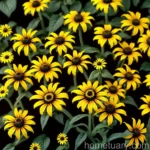
Rudbeckia triloba, commonly referred to as brown-eyed Susan or three-lobed coneflower, is a species of flowering plant native to the Midwest region of the United States. This vibrant wildflower is known for its daisy-like yellow blossoms with a distinct dark brown or black center, which adds to its visual appeal. It is a hardy and versatile plant, thriving in various environmental conditions and soil types. The long-lasting blooms of Rudbeckia triloba, particularly in the fall, make it a popular choice for gardeners and landscape enthusiasts.
Key Takeaways – Brown-Eyed Susan (Rudbeckia triloba)
Before delving into the specifics of Rudbeckia triloba, let’s summarize some key takeaways about this captivating plant:
- Rudbeckia triloba, also known as brown-eyed Susan or black-eyed Susan, is a native prairie perennial in the sunflower family, characterized by its showy yellow blossoms and wildlife-friendly nature.
- It is a Midwest wildflower that is well-suited for ecological gardening, attracting pollinators and providing multiple ecosystem benefits.
- The plant is a low-maintenance perennial, offering vibrant fall colors, long-lasting blooms, and drought tolerance, making it an excellent choice for landscaping and naturalizing in gardens.
- Brown-eyed Susan possesses medicinal properties and has a place in traditional herbal remedies, showcasing its historical and cultural significance alongside its botanical traits.
- The species overview of Rudbeckia triloba highlights its adaptability across different soil types, its long-blooming nature, and its role as a natural pest control agent.
Now, let’s explore the various aspects of brown-eyed Susan, from its culture to its uses and care requirements.
Culture
Cultivating brown-eyed Susan requires an understanding of its cultural requirements, including water, sunlight, fertilizer, soil, and pruning. Each of these factors contributes to the optimal growth and health of Rudbeckia triloba.
Uses
Before diving into the cultural specifics, it’s crucial to appreciate the diverse uses and benefits of brown-eyed Susan beyond its ornamental value.
- Wildlife-Friendly Plant: Rudbeckia triloba serves as a valuable nectar source for butterflies, attracting them with its vibrant blooms and contributing to the conservation of these pollinators.
- Gardening with Rudbeckia triloba: Gardeners often incorporate brown-eyed Susan into their landscapes to enhance biodiversity and create a visually appealing environment while supporting local wildlife.
- Medicinal Properties: Historically, the plant has been used for its medicinal properties in traditional herbal remedies, showcasing its cultural and practical significance in natural medicine.
- Landscaping with Rudbeckia: The plant’s long-lasting blooms and attractive foliage make it a popular choice for landscaping, brightening up landscapes, and adding color to garden borders.
The diverse uses of Rudbeckia triloba highlight its ecological significance and its potential to contribute to both conservation efforts and aesthetic enhancements in various settings.
Water
An essential aspect of brown-eyed Susan’s culture is its water requirements. Adequate hydration is critical for the plant’s growth and flowering.
Watering Tips:
– Established Plants: Once established, Rudbeckia triloba is relatively drought-tolerant and requires minimal supplemental watering, thriving in natural rainfall conditions.
– Young Plants: Newly planted or young brown-eyed Susan specimens may need regular watering, particularly during dry spells, to promote root establishment and overall growth.
– Avoid Overwatering: It’s important to avoid overwatering, as excessive moisture can lead to root rot and other detrimental issues. Well-draining soil is vital to prevent waterlogged conditions.
Understanding the plant’s water needs is crucial for maintaining its health and vitality, especially during the establishment phase.
Sunlight
Sunlight is a key factor in the growth and development of brown-eyed Susan, as it is for many sun-loving perennials.
Sunlight Requirements:
– Full Sun: Rudbeckia triloba thrives in full sun exposure, requiring at least 6-8 hours of direct sunlight per day to achieve optimal growth and prolific flowering.
– Shade Tolerance: While the plant prefers full sun, it can tolerate partial shade, especially in hotter regions, but may exhibit reduced flowering and overall vigor in shaded conditions.
Ensuring adequate sunlight for brown-eyed Susan is essential for encouraging robust growth and abundant blooms, making it suitable for sunny locations and open landscapes.
Fertilizer
Proper fertilization can support brown-eyed Susan’s growth and flowering, although it generally requires minimal fertilization compared to more demanding plants.
Fertilization Guidelines:
– Organic Matter: Incorporating organic matter into the soil during planting or as a topdressing can provide essential nutrients for Rudbeckia triloba without the need for additional fertilizers.
– Minimal Fertilization: The plant typically thrives in nutrient-poor soils and may not require regular fertilization once established. Excessive fertilization can lead to leggy growth and reduced flowering.
Balancing the plant’s nutrient needs with minimal fertilization is key to maintaining its natural resilience and preventing nutrient imbalances.
Soil
Understanding the soil preferences of brown-eyed Susan is crucial for successful cultivation, considering its adaptability to different soil types.
Soil Preferences:
– Well-Draining Soil: Rudbeckia triloba thrives in well-draining soil, benefiting from good air circulation around the roots and reduced risk of waterlogging.
– Adaptability: While the plant prefers moderately fertile, loamy soil, it can adapt to various soil types, including clay and sandy soils, as long as drainage is adequate.
Selecting and preparing suitable soil conditions for brown-eyed Susan is fundamental to its long-term health and vitality, ensuring an optimal growing environment.
Pruning
Pruning plays a minor yet beneficial role in maintaining the appearance and vigor of Rudbeckia triloba, particularly during and after the flowering season.
Pruning Considerations:
– Deadheading: Removing spent flowers through deadheading can encourage continuous blooming and prevent the plant from expending energy on seed production.
– Post-Flowering Maintenance: After the flowering season, cutting back the plant to remove dead or damaged stems and foliage can promote tidiness and prepare it for the next growing season.
Pruning brown-eyed Susan with minimal intervention can help prolong its flowering period and maintain a neat and healthy appearance in the garden.
Propagation
Propagation methods allow gardeners to expand their Rudbeckia triloba population through seeds or division, providing opportunities to share the plant’s beauty and benefits with others.
Propagation Techniques:
– Seed Collection and Propagation: Collecting ripe seeds from mature flower heads and planting them in a prepared seedbed or containers can yield new brown-eyed Susan plants.
– Division: Dividing mature clumps of Rudbeckia triloba in early spring or fall can create new plantings, generating additional specimens for the garden.
Understanding and applying suitable propagation techniques can enrich gardens with the presence of brown-eyed Susan and contribute to its conservation and propagation efforts.
Container Popularity
While brown-eyed Susan is commonly grown in garden beds and naturalized settings, it also holds appeal for container gardening enthusiasts.
Container Considerations:
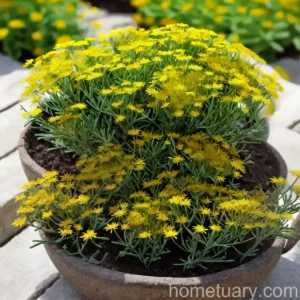
– Container Selection: Choose deep and spacious containers to accommodate the plant’s extensive root system and provide ample room for growth.
– Well-Draining Potting Mix: Fill containers with a well-draining potting mix to mimic the soil conditions favored by Rudbeckia triloba in garden beds.
– Sun Exposure: Select sunny locations for container placement, ensuring that the plant receives sufficient sunlight for robust growth and flowering.
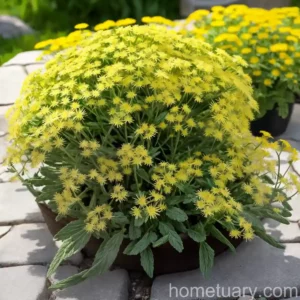
Cultivating brown-eyed Susan in containers offers flexibility and versatility, particularly for gardeners with limited outdoor space or those seeking to highlight the plant’s beauty on patios and balconies.
Common Diseases
Despite its resilience, brown-eyed Susan may face certain disease challenges, requiring vigilance and appropriate management to maintain its health and vitality.
Disease Diagnosis
Recognizing common diseases that affect Rudbeckia triloba is essential for implementing timely and effective control measures.
Common Diseases:
– Powdery Mildew: A fungal disease characterized by white, powdery growth on leaves, causing foliage distortion and reduced plant vigor.
– Leaf Spot: Bacterial or fungal pathogens may cause circular lesions on leaves, potentially leading to premature defoliation and weakened plants.
– Root Rot: Excessive soil moisture can contribute to root rot, leading to wilting, yellowing, and eventual collapse of the plant.
Identifying symptoms and signs of common diseases affecting brown-eyed Susan can aid in prompt intervention and management strategies to prevent widespread damage.
Common Pests
Pest infestations can pose a threat to the health and appearance of brown-eyed Susan, necessitating measures to mitigate potential damage and preserve the plant’s vitality.
Common Pests:
– Aphids: Soft-bodied insects that cluster on new growth, sucking sap from the plant and potentially causing distorted or yellowed foliage.
– Thrips: Small, slender insects that may feed on flower buds and foliage, leading to stippling and browning of affected plant parts.
– Slugs and Snails: These mollusks may consume Rudbeckia triloba’s leaves and flowers, leaving behind irregular damage and reducing the aesthetic value of the plant.
Implementing pest monitoring and integrated pest management practices can help minimize pest pressures and maintain brown-eyed Susan’s visual appeal and health.
Botanist’s Tips
As a plant scientist specializing in native flora, I offer the following tips for cultivating and appreciating brown-eyed Susan:
- Native Plant Advocacy: Embrace the ecological and cultural significance of Rudbeckia triloba by incorporating it into native plant landscapes and conservation initiatives.
- Pollinator Support: Recognize the value of brown-eyed Susan as a pollinator attractant and consider its role in supporting local butterfly and bee populations.
- Naturalizing Efforts: Explore opportunities to naturalize Rudbeckia triloba in meadows, prairie habitats, and gardens, promoting its resilience and biodiversity.
- Disease Monitoring: Regularly observe the plant for signs of diseases and pests, intervening promptly to maintain its health and prevent widespread issues.
Fun Facts
Now, let’s delve into some intriguing and delightful facts about Rudbeckia triloba:
- Brown-eyed Susan, with its bright and cheery blooms, is a favorite in cottage gardens, contributing to the picturesque and quaint ambience of these settings.
- The plant’s association with folklore and herbal remedies reflects its historical significance and cultural connections, adding depth to its botanical charm.
- Rudbeckia triloba’s adaptability to various soil types and its low-maintenance nature make it a versatile and resilient addition to diverse landscapes.
Links to External Resources
For further exploration and information on brown-eyed Susan, I recommend the following external resources:
- The Importance of Native Plants – National Wildlife Federation
- Ecological Gardening Techniques – University of Minnesota Extension
- Herbal Remedies and Medicinal Plants – American Botanical Council
- Creating Habitat with Native Plants – Audubon Society
- Pest Control Strategies for Gardens – University of California Agriculture and Natural Resources
In conclusion, brown-eyed Susan (Rudbeckia triloba) embodies a captivating blend of ecological significance, ornamental beauty, and historical relevance, making it a cherished native perennial in various contexts. By understanding its cultural requirements, uses, and distinctive characteristics, gardeners and nature enthusiasts can appreciate and actively promote the enduring presence of this Midwest wildflower, enriching landscapes and supporting local ecosystems. Whether it graces a garden border, brightens a container, or flourishes in a prairie setting, brown-eyed Susan stands as a testament to the enduring allure of native plants and their multifaceted contributions to our natural world.
Keywords: Rudbeckia triloba, Brown-eyed Susan, Black-eyed Susan, Wild golden glow, Yellow daisy-like flower, Native prairie perennial, Sunflower family plant, Midwest wildflower, Three-lobed coneflower, Herbaceous perennial plant, Showy yellow blossoms, Wildlife-friendly plant, Gardening with Rudbeckia triloba, Cultivating brown-eyed Susan, Rudbeckia triloba care, Growing native plants, Landscaping with Rudbeckia, Vibrant fall colors, Long-lasting blooms, Drought-tolerant plant, Cottage garden favorite, Naturalizing Rudbeckia triloba, Low-maintenance perennial, Ecological gardening, Deer-resistant plant, Rudbeckia triloba varieties, Companion plants for Rudbeckia, Perennial border plant, Medicinal properties of Rudbeckia, Traditional herbal remedy, Brown-eyed Susan in folklore, Seed collection and propagation, Rudbeckia triloba for cut flowers, The importance of native plants, Ecosystem benefits of Rudbeckia, Nectar source for butterflies, Bird food plant, Perennial for sunny locations, Prairie wildflower for gardens, Brightening up landscapes, Attractive garden borders, Rudbeckia species overview, Hardy perennial for all zones, Long-blooming Rudbeckia, Natural pest control with Rudbeckia, Habitat creation with Rudbeckia, Beautiful wildflower for meadows, Rudbeckia triloba characteristics, Versatile plant for different soil types