Black Elder (Sambucus Nigra)
Plants play a crucial role in the ecosystem and have been utilized by humans for various purposes for centuries. One such plant that has been valued for.
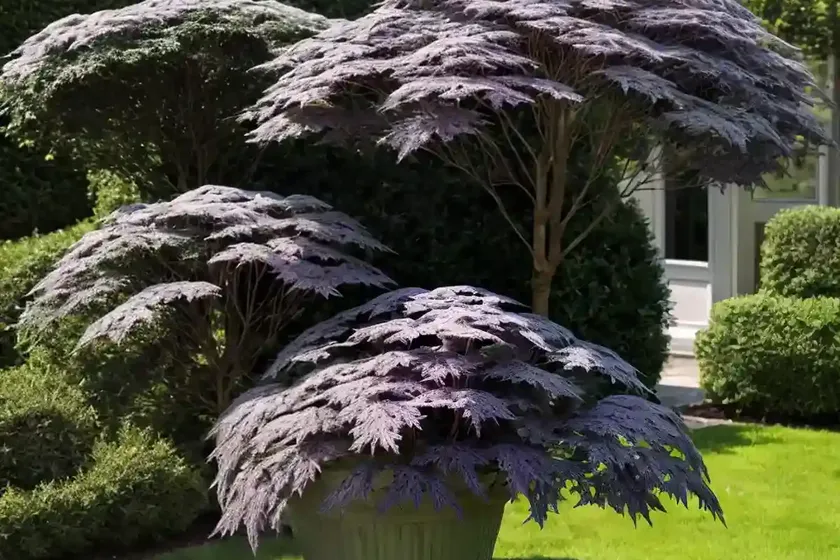
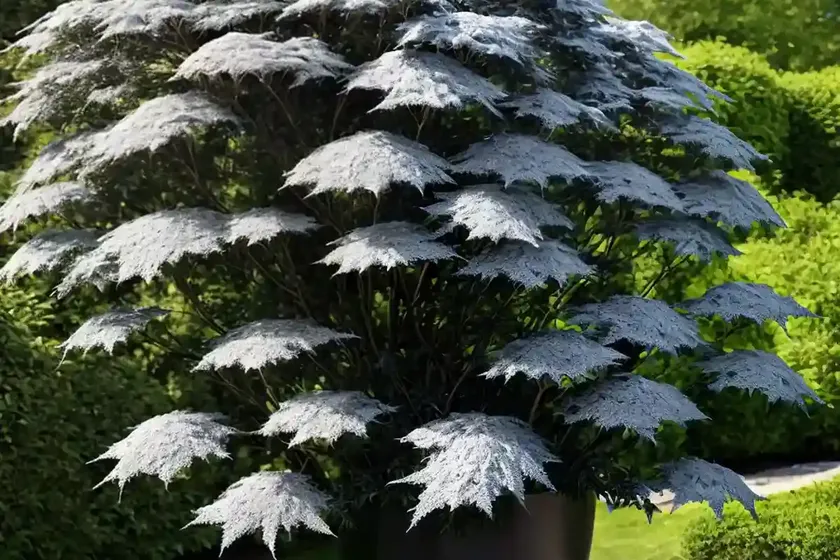
Introduction
Plants play a crucial role in the ecosystem and have been utilized by humans for various purposes for centuries. One such plant that has been valued for its cultural, medicinal, and environmental significance is the black elder (Sambucus nigra). In this comprehensive guide, we will delve into the various aspects of the black elder, including its culture, uses, propagation, common diseases, and much more.
What is Black Elder (Sambucus nigra)?
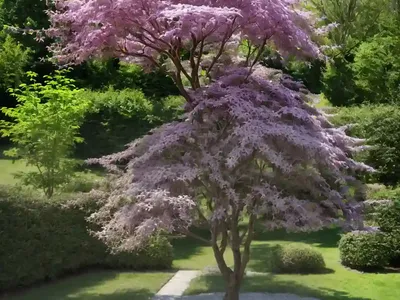
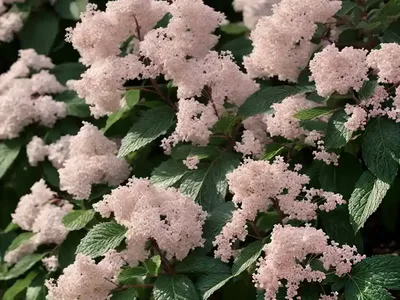
Black elder, scientifically known as Sambucus nigra, is a species of flowering plant in the Adoxaceae family. It is native to Europe, Western Asia, and North Africa, and is widely cultivated for its ornamental and medicinal properties. The plant is characterized by its clusters of small, creamy-white flowers, which give way to dark purple to black berries that are highly valued for their culinary and medicinal uses.
Key Takeaways – Black Elder (Sambucus nigra)
- Scientific Name: Sambucus nigra
- Common Name: Black Elder
- Family: Adoxaceae
- Native Habitat: Europe, Western Asia, North Africa
- Cultivation: Widely cultivated for ornamental and medicinal purposes
- Uses: Culinary, Medicinal, Landscaping
Culture
Understanding the cultural requirements of the black elder plant is crucial for its successful cultivation. Let’s explore the essential cultural aspects such as water, sunlight, fertilizer, and soil requirements.
Water
Black elder plants have moderate water needs, especially during the growing season. While they prefer consistently moist soil, they are also quite tolerant of short periods of drought once established. Proper watering is essential during the flowering and fruiting stage to ensure a bountiful harvest of elderberries.
Sunlight
In terms of sunlight requirements, black elder plants thrive in full sun to partial shade. They perform best when exposed to at least six hours of sunlight per day, but they can also tolerate some shade. However, ample sunlight promotes robust growth and fruit production.
Fertilizer
When it comes to fertilization, black elder plants benefit from a balanced, all-purpose fertilizer applied in early spring. Additionally, organic matter such as compost can be worked into the soil to improve its fertility and structure.
Soil
Black elder plants prefer well-drained, loamy soil that is rich in organic matter. A slightly acidic to neutral soil pH ranging from 5.5 to 7.5 is ideal for their growth and development.
Pruning
Pruning plays a significant role in shaping the growth of black elder plants and promoting the production of flowers and berries. Regular pruning helps to remove dead or damaged wood, improve air circulation, and maintain a strong framework for the plant. Pruning is typically performed during the dormant season, which is late fall to early spring, to avoid interfering with the flowering and fruiting process.
Propagation
Black elder plants can be propagated through several methods, including seeds, softwood cuttings, and hardwood cuttings. Each method has its own set of advantages and challenges, and the choice of propagation method depends on the specific goals and resources available to the grower.
Seed Propagation
Seeds are a viable option for propagating black elder plants, particularly when aiming to grow a large number of plants. However, it is important to note that seeds may not produce plants that are identical to the parent plant due to genetic variability.
Softwood Cuttings
Softwood cuttings taken from young, healthy stems in late spring or early summer have the potential to develop into new black elder plants. It is essential to provide the cuttings with a suitable rooting medium and maintain high humidity to support successful root development.
Hardwood Cuttings
Taking hardwood cuttings during the dormant season and providing them with the right environmental conditions can lead to the successful establishment of new black elder plants. Hardwood cuttings are typically taken from mature, woody stems and require adequate moisture and warmth to stimulate root growth.
Container Popularity
Black elder plants are increasingly popular for container cultivation, particularly in urban and suburban settings where space may be limited. Growing black elders in containers offers several advantages, including easy access to fresh berries, ornamental appeal, and the ability to control soil conditions. Moreover, container-grown black elder plants can be moved to more sheltered locations during extreme weather conditions, thereby enhancing their overall resilience.
Common Diseases
Like all plants, black elder is susceptible to certain diseases that can impact its overall health and productivity. Being aware of the common diseases affecting black elder plants and their symptoms is crucial for prompt identification and intervention.
Disease Diagnosis
- Powdery Mildew: Characterized by the presence of powdery white spots on the leaves, powdery mildew can weaken the plant and hinder fruit production. Fungicidal treatments and proper cultural practices can help manage this disease.
- Anthracnose: Anthracnose can cause dark, sunken lesions on the stems, branches, and fruits of black elder plants. Pruning infected parts and promoting good air circulation can aid in disease prevention and control.
- Leaf Spot: Leaf spot diseases manifest as dark, irregular spots on the leaves, often leading to defoliation. Maintaining proper spacing between plants and ensuring adequate ventilation can mitigate the spread of leaf spot.
Common Pests
Various pests can pose a threat to black elder plants, potentially causing damage to the foliage, flowers, and fruits. Understanding the common pests and implementing suitable pest management strategies is essential for safeguarding the health and productivity of black elder plants.
Insect Pests
- Aphids: These small, sap-sucking insects can distort the leaves and stunt the growth of black elder plants. Natural predators such as ladybugs and lacewings can help keep aphid populations in check.
- Elder Shoot Borer: The larvae of the elder shoot borer bore into the stems and branches of black elder plants, leading to wilting and dieback. Pruning and removing infested parts is crucial for managing this pest.
- Sawfly Larvae: Sawfly larvae can defoliate black elder plants if left unchecked. Handpicking the larvae and using insecticidal soaps are effective control measures.
Botanist’s Tips
For aspiring botanists and gardening enthusiasts, here are some expert tips to enhance the cultivation and care of black elder plants:
- Mulching: Applying a layer of organic mulch around black elder plants helps conserve moisture, suppress weeds, and improve soil structure. Mulching also serves as a source of organic matter as it decomposes over time.
- Regular Monitoring: Periodic observation of black elder plants for signs of stress, disease, or pest infestations allows for timely intervention and maintenance, contributing to plant health and vitality.
- Companion Planting: Consider planting beneficial companion plants such as yarrow, dill, and catnip near black elder to attract pollinators, repel pests, and create a diverse and harmonious garden ecosystem.
Fun Facts
Delving into the intriguing aspects of black elder adds a layer of fascination to its cultivation and utilization. Here are some captivating fun facts about black elder (Sambucus nigra):
- The flowers of black elder are not only visually appealing but also used to make refreshing elderflower cordial and elderflower champagne.
- Black elderberries are rich in antioxidants and are traditionally used to make immune-boosting elderberry syrup, popular during the cold and flu season.
- The hollow stems of black elder plants have historical significance, being used to craft musical instruments such as flutes and whistles.
Links to External Resources
For further exploration of black elder (Sambucus nigra) and related topics, the following external resources are recommended:
- Royal Horticultural Society – Sambucus nigra
- University of Maryland Medical Center – Elderberry
- United States Department of Agriculture – Plant Guide: European Elder
In conclusion, the black elder (Sambucus nigra) stands as a fascinating and versatile plant with a rich history of cultural, culinary, and medicinal significance. By understanding its cultural requirements, propagation methods, and common challenges, individuals can cultivate and appreciate the numerous benefits of this remarkable plant. Whether it’s the allure of its delicate flowers, the bounty of its berries, or the therapeutic properties it offers, the black elder continues to captivate and contribute to our lives in diverse and meaningful ways.
Keywords: Black elderberry plant, Sambucus nigra, elderberry plant benefits, health benefits of black elder, uses of Sambucus nigra, black elder plant family, elderberry plant characteristics, Sambucus nigra cultivation, elderberry plant varieties, black elderberry shrub, medicinal properties of black elder, Sambucus nigra flowers, elderberry plant care, black elderberry syrup, culinary uses of Sambucus nigra, elderberry plant folklore, black elderberry extract, Sambucus nigra health supplements, elderberry plant history, black elderberry tea, benefits of Sambucus nigra oil, elderberry plant propagation, black elderberry recipes, Sambucus nigra native habitat, elderberry plant harvest, black elderberry jam, Sambucus nigra herbal remedies, elderberry plant pruning, black elderberry wine, uses of Sambucus nigra in traditional medicine, elderberry plant pests and diseases, black elderberry skincare products, Sambucus nigra folklore and superstitions, elderberry plant wildlife benefits, black elderberry for immune support, Sambucus nigra folklore in different cultures, elderberry plant landscape uses, black elderberry health supplements, Sambucus nigra in herbal remedies, elderberry plant companion plants, black elderberry syrup recipe, Sambucus nigra edible parts, elderberry plant propagation methods, black elderberry herbal tea, Sambucus nigra traditional uses, elderberry plant for natural dyes, black elderberry for respiratory health, Sambucus nigra in traditional Chinese medicine, elderberry plant toxic effects, black elderberry in culinary arts.