Black Elder (Sambucus Nigra ‘Pendula’)
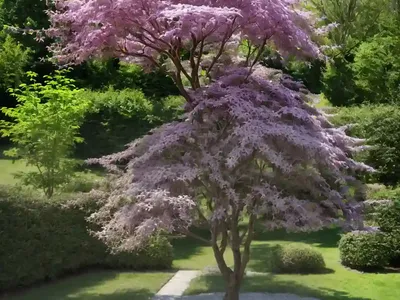
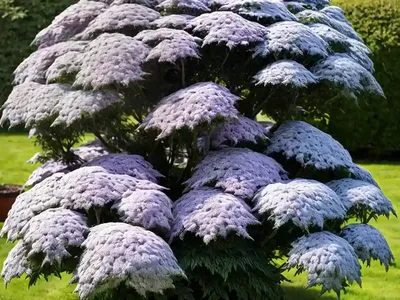
Black elder, scientifically known as Sambucus nigra ‘Pendula’, is a stunning ornamental deciduous tree. This unique and elegant plant is loved for its.
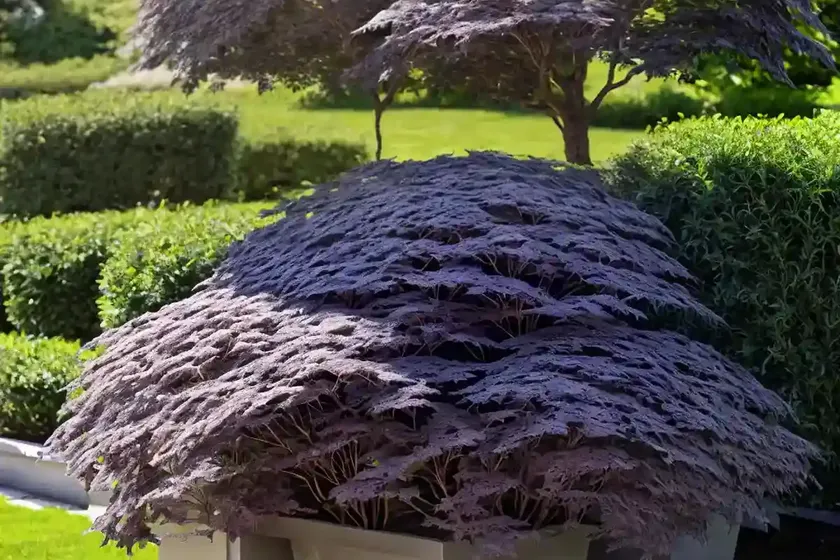
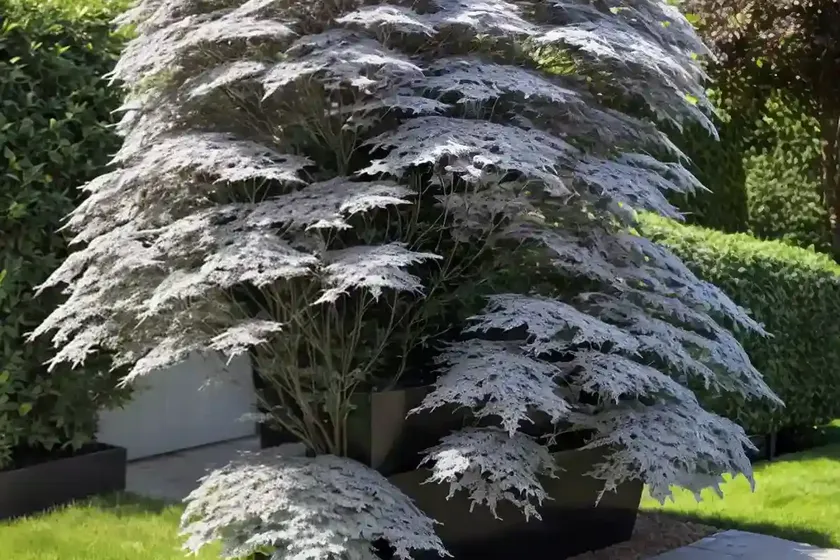
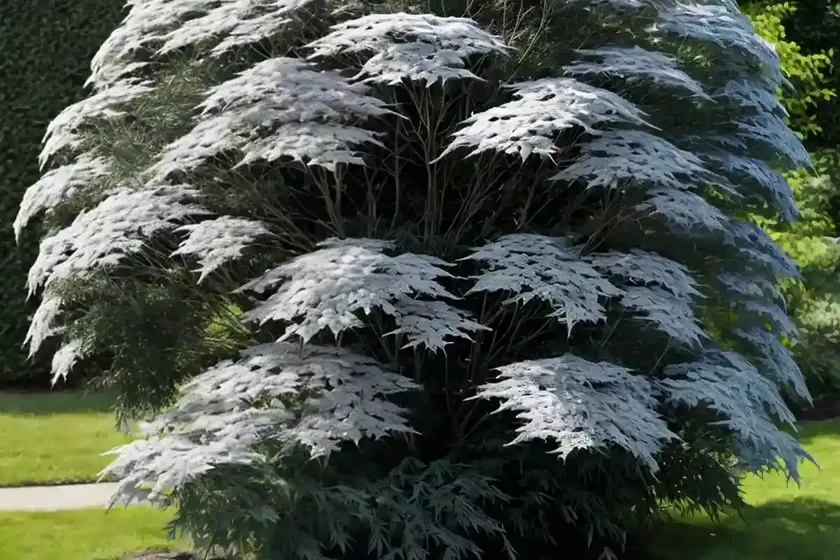
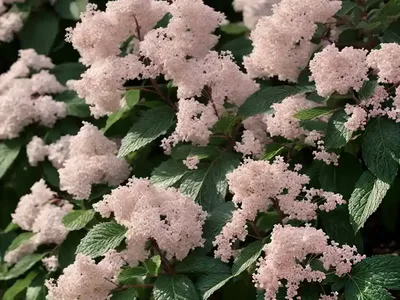
Black elder, scientifically known as Sambucus nigra ‘Pendula’, is a stunning ornamental deciduous tree. This unique and elegant plant is loved for its pendulous, weeping branches, which create a dramatic and cascading effect. Black elder belongs to the Adoxaceae family and is native to Europe and North America. The plant is well-regarded for its attractive foliage, delicate flowers, and the clusters of small, dark berries it produces. In this comprehensive guide, we will explore the fascinating black elder plant, including its culture, uses, growth requirements, common diseases, and much more.
Key Takeaways – Black Elder (Sambucus nigra ‘Pendula’)
Before diving into the details, let’s summarize the key takeaways about the black elder (Sambucus nigra ‘Pendula’) plant:
- Scientific Name: Sambucus nigra ‘Pendula’
- Common Names: Elder tree, black elder plant, elderberry tree
- Species: Sambucus nigra
- Cultivar: Pendula
- Growth Habits: Pendulous, weeping branches
- Family: Adoxaceae
- Native to: Europe and North America
- Notable Features: Attractive foliage, delicate flowers, small dark berries
With these essential details in mind, let’s explore the various aspects of the black elder plant in greater detail, including its culture, uses, and cultivation requirements.
Culture
The black elder (Sambucus nigra ‘Pendula’) has a rich cultural significance, with a history of traditional uses and folklore. In many cultures, elder trees have been revered and are surrounded by superstitions and beliefs. Here are some cultural aspects associated with the black elder:
- Traditional Uses: In various traditional societies, elder trees were believed to possess protective qualities, and their branches were used to make talismans and protect homes from negative energy.
- Folklore: Elder trees have featured prominently in folklore and mythologies. They were often associated with magic, protection, and healing, and were considered sacred in some cultures.
- Medicinal Purposes: Historically, elderberries and other parts of the elder tree were used in traditional medicine for their potential health benefits, including immune-boosting properties.
Uses
The black elder (Sambucus nigra ‘Pendula’) offers a range of practical and ornamental uses, adding value to gardens, landscapes, and even culinary endeavors. Let’s explore the various uses of the black elder plant:
- Ornamental Beauty: Black elder’s weeping, pendulous branches make it a stunning focal point in any garden or landscape. Its elegant form and attractive foliage contribute to its ornamental value.
- Wildlife Habitat: The berries produced by the black elder tree are a valuable food source for birds and wildlife, making it an excellent choice for attracting and supporting local biodiversity.
- Culinary and Herbal Uses: The berries and flowers of the elder tree can be used in culinary applications, such as making elderberry jam, syrup, wine, and herbal teas. It’s important to note that proper preparation and caution are crucial due to the toxicity of raw elderberry parts.
- Medicinal Potential: Some herbal traditions have utilized elderberries and flowers for their potential health benefits, particularly for supporting immune health and overall well-being.
Water
Proper watering is essential for the health and vitality of the black elder (Sambucus nigra ‘Pendula’). While elder trees can tolerate some dry conditions, consistent moisture is crucial, especially during periods of active growth and fruit production. Here are some key considerations for watering the black elder:
- Establishment Phase: Newly planted black elder trees require frequent watering to help them establish a strong root system. Adequate moisture during the first growing season is essential.
- Mature Trees: Once established, elder trees generally have moderate water needs. It’s important to monitor soil moisture and provide supplemental water during dry spells, particularly in the absence of natural rainfall.
- Avoid Waterlogged Soil: While elders thrive in moist soil, they are susceptible to root rot if the soil remains consistently waterlogged. Well-draining soil is crucial for optimal growth.
Sunlight
Proper sunlight exposure is vital for the healthy growth and development of the black elder (Sambucus nigra ‘Pendula’). These trees generally thrive in locations with full sun to partial shade, though specific considerations may apply:
- Full Sun: Elder trees benefit from full sun exposure, especially in regions with cooler climates. Adequate sunlight promotes robust foliage, flower production, and the development of berries.
- Partial Shade: In warmer climates, providing some afternoon shade can help protect the elder tree from excessive heat stress. However, the tree should still receive several hours of direct sunlight daily for optimal growth.
- Site Selection: When planting black elder in the landscape, choose a location that balances sun exposure and provides the tree with the necessary light levels for healthy growth.
Fertilizer
Proper fertilization can support the robust growth and fruit production of the black elder (Sambucus nigra ‘Pendula’). While elder trees are generally resilient and adaptable, providing balanced nutrition is crucial. Here are some considerations for fertilizing elder trees:
- Nutrient Requirements: Elder trees benefit from a balanced and organic-rich soil. Incorporating compost or well-rotted manure when planting can provide essential nutrients and improve soil structure.
- Annual Fertilization: Once established, elder trees benefit from an annual application of a balanced fertilizer, such as a granular 10-10-10 formulation or an organic option. Apply in early spring before new growth begins.
- Avoid Overfeeding: While elder trees appreciate some supplemental nutrition, it’s essential to avoid overfeeding, as excessive fertility can lead to lush foliage at the expense of flower and fruit production.
- Mulching: Applying a layer of organic mulch around the base of the elder tree can help retain soil moisture, suppress weeds, and gradually release nutrients into the soil as it decomposes.
Soil
The right soil conditions are crucial for the well-being of the black elder (Sambucus nigra ‘Pendula’). Elder trees thrive in rich, well-draining soil, and providing the appropriate growing medium is essential for their long-term health. Consider the following soil-related factors when cultivating black elder:
- Soil Type: Elder trees prefer loamy, well-draining soil with a slightly acidic to neutral pH range. Soil that holds some moisture without becoming waterlogged is ideal for elder tree growth.
- Amendments: Prior to planting, amending the soil with organic matter, such as compost or well-rotted manure, can enhance soil structure and fertility. Mix in amendments thoroughly to ensure even distribution.
- Soil Testing: Conducting a soil test before planting can provide valuable insights into the pH and nutrient levels of the planting site. Adjust soil pH as needed to create optimal growing conditions for elder trees.
Pruning
Strategic pruning is an important aspect of caring for the black elder (Sambucus nigra ‘Pendula’). Proper pruning can help maintain the tree’s shape, promote healthy growth, and encourage the development of flowering and fruiting wood. Here are some key considerations for pruning elder trees:
- Timing: Prune elder trees during late winter or early spring while they are dormant. This timing minimizes the risk of disrupting new growth and flowering.
- Removal of Deadwood: Regularly inspect the elder tree for dead, damaged, or diseased branches, and promptly remove them to maintain tree health and appearance.
- Thinning and Shaping: As the black elder tends to have a naturally graceful, weeping habit, minimal shaping may be required. However, light and selective pruning can help maintain an attractive form and improve light penetration.
- Fruit-Bearing Wood: Encourage the growth of fruit-bearing wood by selectively pruning older branches to promote the development of vigorous, young wood capable of producing flowers and berries.
Propagation
The propagation of black elder (Sambucus nigra ‘Pendula’) can be achieved through various methods, allowing gardeners to expand their elder tree collection or share the plant with others. Here are some common means of propagating the black elder:
Propagation by Cuttings
Propagation by hardwood or softwood cuttings is a popular method for reproducing elder trees. Follow these basic steps for successful propagation by cuttings:
- Select Cuttings: Obtain healthy, disease-free cuttings from the current season’s growth. Softwood cuttings are typically taken in early summer, while hardwood cuttings are collected in late winter.
- Prepare Cuttings: Remove the lower leaves from the cutting and trim the stem to include several leaf nodes. Dip the cut end in a rooting hormone to encourage root development.
- Planting Cuttings: Plant the prepared cuttings in a well-draining propagation medium or potting mix. Maintain consistent moisture levels and provide a warm, humid environment to support rooting.
- Establishment: Once roots have developed, transplant the rooted cuttings into individual containers or a prepared planting site.
Propagation by Seeds
While less common, propagation of black elder from seeds is feasible, though it may require more patience and specific conditions for success. Here are some basic guidelines for seed propagation:
- Seed Collection: Harvest ripe elderberry seeds from mature fruit and gently clean away any remaining pulp. Store the seeds in a cool, dry location until ready for sowing.
- Seed Stratification: Prior to sowing, elderberry seeds typically benefit from a cold, moist stratification period to break dormancy. This can be achieved by chilling the seeds in a moist medium for a defined period.
- Sowing Seeds: Plant the stratified elderberry seeds in trays or containers filled with a well-draining seed-starting mix. Keep the soil consistently moist and provide a warm, bright environment for germination.
- Seedling Care: Once the seeds have germinated, provide adequate light and gradually acclimate the seedlings to outdoor conditions. Transplant the seedlings into larger containers or a suitable planting site when they have developed several sets of true leaves.
Container Popularity
The black elder (Sambucus nigra ‘Pendula’) is well-suited for container cultivation, offering the opportunity to showcase its unique form and beauty on patios, decks, or in small outdoor spaces. Here are some reasons why black elder is popular for container gardening:
- Aesthetic Appeal: The weeping habit of the black elder makes it an excellent choice for adding visual interest and height to container plantings. Its elegant form and drooping branches create a captivating display.
- Space Considerations: For gardeners with limited outdoor space, cultivating black elder in containers allows them to enjoy the plant’s beauty without the need for extensive garden beds or large landscapes.
- Versatility: Container-grown black elder trees can be easily moved to different locations to suit changing garden arrangements or seasonal decorating needs.
Common Diseases
While generally robust, the black elder (Sambucus nigra ‘Pendula’) can be susceptible to certain diseases that may impact its health and vigor. It’s important to be aware of common elder tree diseases and take proactive steps to prevent and manage them. Here are some common diseases that may affect black elder trees:
- Powdery Mildew: Elder trees are prone to powdery mildew, a fungal disease that manifests as a powdery white coating on leaves and stems. Provide good air circulation, avoid overhead watering, and consider using fungicidal treatments if necessary.
- Anthracnose: This fungal disease can cause leaf spotting, premature leaf drop, and twig dieback in elder trees. Prune and destroy infected plant parts and consider applying fungicidal treatments in severe cases.
- Bacterial Canker: Characterized by sunken lesions on bark and branches, bacterial canker can affect elder trees. Pruning out affected branches, maintaining tree vigor, and practicing good sanitation can help manage this disease.
Disease Diagnosis
Diagnosing and addressing diseases in the black elder (Sambucus nigra ‘Pendula’) requires keen observation, knowledge of common plant ailments, and appropriate intervention strategies. Here are some steps for diagnosing and managing diseases in elder trees:
- Symptom Identification: Monitor the black elder for any abnormal changes in foliage, growth patterns, or overall vigor. Look for discoloration, lesions, wilting, or abnormal growth as potential indicators of a disease.
- Research Common Diseases: Familiarize yourself with the common diseases that affect elder trees, including their symptoms and typical course of infection. This knowledge can help guide your diagnosis.
- Consult Experts: If you are uncertain about a disease affecting your elder tree, seek the guidance of experienced gardeners, extension services, or plant health professionals for accurate diagnosis and tailored treatment recommendations.
- Implement Control Measures: Once the disease is identified, take prompt action to address it. This may involve cultural practices, such as improving air circulation and sanitation, as well as targeted treatments if necessary.
Common Pests
As with many plants, the black elder (Sambucus nigra ‘Pendula’) can be subject to pest infestations that may affect its growth and overall health. Understanding common elder tree pests and their management is crucial for preserving the vitality of the plant. Here are some common pests to watch out for:
- Aphids: These small, sap-sucking insects can cluster on elder tree foliage, causing distortion and yellowing of leaves. Control aphids by using insecticidal soaps, horticultural oils, or beneficial insect predators.
- Scale Insects: Scale insects can infest elder trees, appearing as small, waxy bumps along the stems and undersides of leaves. Prune and destroy heavily infested plant parts and consider horticultural oil applications to manage scale populations.
Botanist’s Tips
For enthusiast plant growers and gardeners, the black elder (Sambucus nigra ‘Pendula’) presents an intriguing species with unique growth habits and ornamental appeal. Here are some professional tips for cultivating and caring for the black elder tree:
- Promote Air Circulation: Improving air circulation around the elder tree can help reduce the risk of fungal diseases, such as powdery mildew. Prune selectively to open up the canopy and allow for better airflow.
- Balance Pruning: When pruning black elder trees, aim to strike a balance between maintaining the plant’s natural weeping form and encouraging healthy growth. Selective removal of dead or crossing branches can improve overall tree health.
- Monitor Soil Moisture: Regularly assess soil moisture levels around the elder tree, particularly during hot, dry periods. Supplemental watering may be necessary to ensure the tree’s moisture needs are met.
- Manage Wildlife Interactions: While elderberries are valuable food sources for birds and wildlife, managing their foraging habits around cultivated elder trees may be necessary to ensure a plentiful harvest.
Fun Facts
To further appreciate the black elder (Sambucus nigra ‘Pendula’) and its intriguing characteristics, let’s explore some entertaining and fascinating facts about this distinctive plant:
- Historical Significance: Elder trees have a rich historical and cultural significance, often associated with superstitions, folklore, and traditional uses in various societies.
- Berries and Wildlife: The berries produced by elder trees are highly attractive to birds and wildlife, contributing to the tree’s role in supporting local ecosystems.
- Ornamental Appeal: Black elder’s pendulous form and attractive foliage make it a captivating ornamental specimen, adding grace and elegance to garden settings.
Links to External Resources
For further information and resources related to the black elder (Sambucus nigra ‘Pendula’), consider exploring the following:
By delving into these external resources, you can gain additional insights, cultivation tips, and detailed descriptions of the black elder plant.
In conclusion, the black elder (Sambucus nigra ‘Pendula’) is a captivating ornamental tree with multiple uses and a rich cultural history. By understanding its growth requirements, addressing potential diseases and pests, and appreciating its ornamental and ecological value, gardeners and plant enthusiasts can develop a deeper appreciation for this remarkable plant.
Remember to always consider the specific environmental conditions and local regulations when cultivating black elder, and seek guidance from horticulture professionals or local agricultural extension services for personalized advice. With proper care and attention, the black elder can grace gardens and landscapes with its intriguing form and contribute to the well-being of local wildlife.