Blue Angel’s Trumpet (Iochroma Australe)
Blue Angel’s Trumpet, scientifically known as Iochroma Australe, is a stunning flowering plant that captivates with its vibrant blossoms and elegant.
Introduction
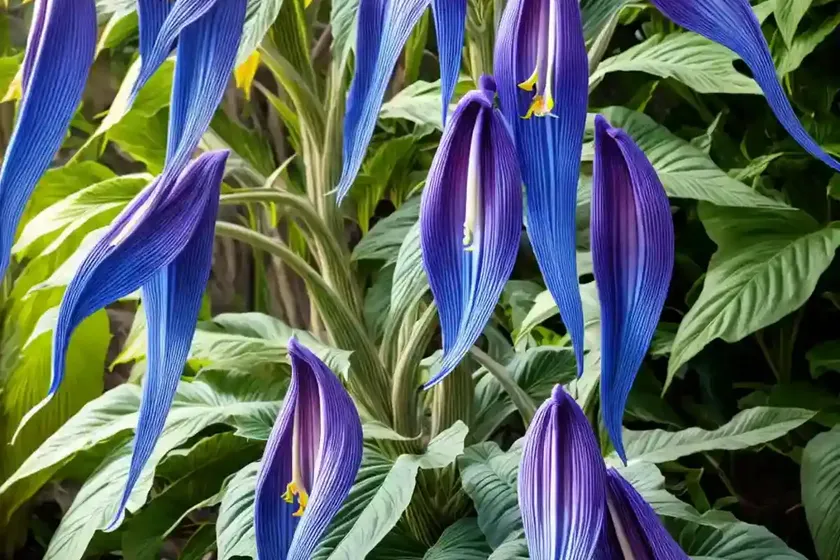
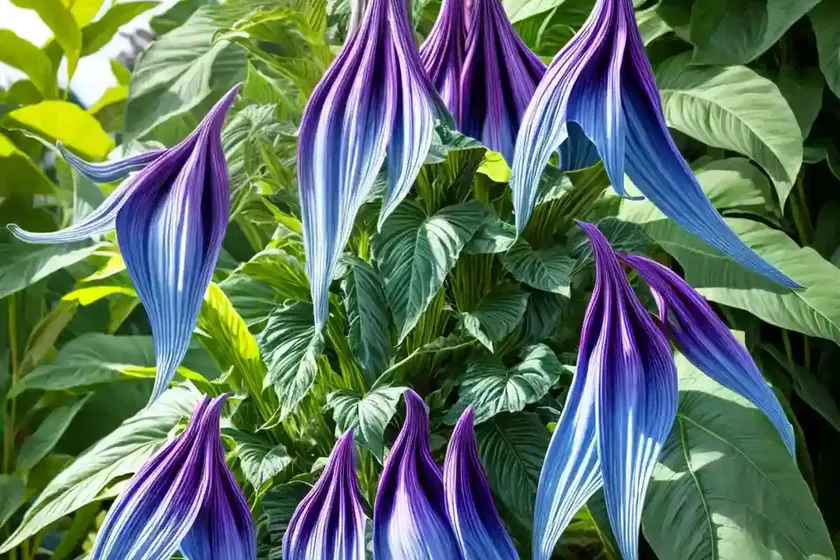
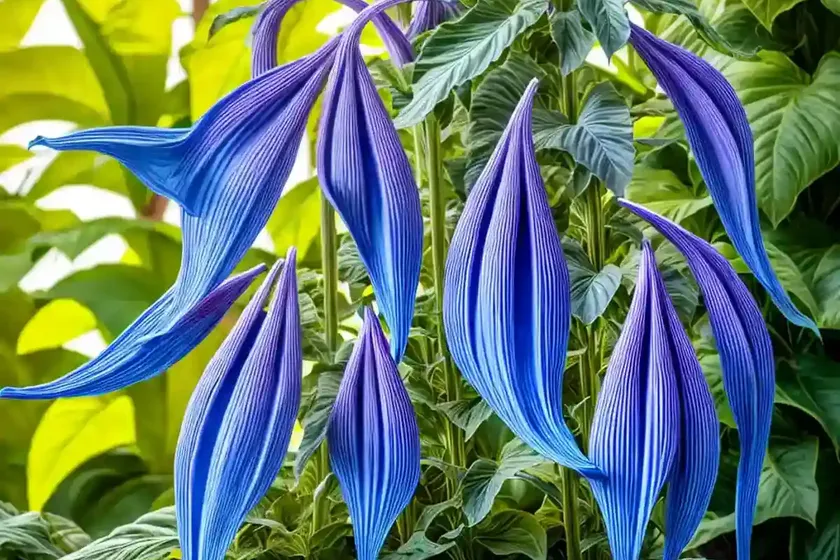
Blue Angel’s Trumpet, scientifically known as Iochroma Australe, is a stunning flowering plant that captivates with its vibrant blossoms and elegant foliage. This evergreen shrub belongs to the Solanaceae family, making it a relative of other well-known ornamental plants such as petunias, tomatoes, and peppers. The Blue Angel’s Trumpet is native to South America, particularly Bolivia and Argentina, where it thrives in the subtropical and tropical regions.
With its characteristic trumpet-shaped flowers and lush, deep green leaves, Iochroma Australe has become a popular choice among gardeners and landscaping enthusiasts. Its striking appearance and relatively low maintenance requirements make it a sought-after addition to gardens, courtyards, and even indoor spaces.
In this comprehensive guide, we’ll explore everything you need to know about the Blue Angel’s Trumpet, from its cultural preferences and propagation methods to common pests and diseases. Whether you’re a seasoned gardener looking to expand your plant collection or a beginner seeking to learn more about this captivating species, this guide will provide valuable insights and practical tips for cultivating and caring for Iochroma Australe.
Key Takeaways
Blue Angel’s Trumpet (Iochroma Australe): Quick Summary
- Scientific Name: Iochroma Australe
- Common Name: Blue Angel’s Trumpet
- Plant Type: Evergreen shrub
- Native Habitat: South America (Bolivia and Argentina)
- Growth Habit: Upright, bushy
- Flower Colors: Blue, purple, lavender, and white
- Sunlight: Full sun to partial shade
- Watering Needs: Moderate to high
- Soil Type: Well-draining, fertile soil
- Fertilization: Balanced, slow-release fertilizer
- Pruning: Regular pruning for shape and size control
- Propagation: Seed propagation, stem cuttings
- Container Growing: Well-suited for container gardening
- Common Pests: Aphids, spider mites
- Common Diseases: Root rot, powdery mildew
Now that we’ve outlined the fundamental characteristics of Iochroma Australe, let’s delve deeper into each aspect of caring for this enchanting plant.
Culture
Uses
Blue Angel’s Trumpet, or Iochroma Australe, offers a myriad of potential uses in both outdoor and indoor settings. Here are some common applications of this versatile plant:
- Ornamental Garden Plant: The vibrant, trumpet-shaped flowers and glossy foliage of Iochroma Australe make it an excellent choice for ornamental gardens, where it adds a pop of color and visual interest.
- Container Plant: Due to its relatively compact size and adaptability to container growing, Blue Angel’s Trumpet is often used on patios, balconies, and in courtyards to bring a touch of tropical beauty to urban spaces.
- Indoor Plant: In regions with harsh winter climates, Blue Angel’s Trumpet can be cultivated as a houseplant, brightening up indoor spaces with its cheerful blooms.
- Pollinator Attractor: The nectar-rich flowers of Iochroma Australe have the potential to attract pollinators such as hummingbirds and butterflies, contributing to the overall biodiversity of the garden.
Water
Like many flowering shrubs, Blue Angel’s Trumpet thrives in moderately moist soil. While it’s essential to avoid waterlogged conditions, consistent watering is crucial for the plant’s overall health and flowering performance, especially during dry periods. When cultivating Iochroma Australe, consider the following watering guidelines:
- Regular Watering: Provide consistent moisture to the plant’s root zone, ensuring that the soil never dries out completely. A deep watering once or twice a week is generally sufficient, but adjust the frequency based on local climate and soil conditions.
- Avoid Overwatering: While consistent moisture is beneficial, avoid overwatering, as this can lead to root rot and other moisture-related issues. Ensure that the soil has adequate drainage to prevent water accumulation.
Sunlight
Blue Angel’s Trumpet thrives in locations with ample sunlight, making it well-suited for gardens and outdoor spaces with full to partial sun exposure. When considering the sunlight requirements for Iochroma Australe, keep the following points in mind:
- Full Sun: Ideally, provide at least 6-8 hours of direct sunlight daily for optimal flowering and overall growth. In regions with intense afternoon sun, partial shade during the hottest part of the day may benefit the plant.
- Partial Shade: While Blue Angel’s Trumpet prefers full sun, it can tolerate partial shade, especially in areas with high midday or afternoon temperatures. In such cases, aim to provide filtered sunlight to protect the plant from excessive heat stress.
Fertilizer
Proper fertilization is essential for promoting vigorous growth and abundant flowering in Blue Angel’s Trumpet. When selecting fertilizer and determining the application schedule, consider the following recommendations:
- Balanced Fertilizer: Choose a balanced, slow-release fertilizer with a formulation such as 10-10-10 or 20-20-20 to provide essential nutrients without promoting excessive vegetative growth at the expense of flowering.
- Application Frequency: Apply the fertilizer according to the manufacturer’s instructions, typically every 4-6 weeks during the growing season, which can be adjusted based on the plant’s response and local growing conditions.
- Avoid Overfertilization: While regular fertilization is beneficial, avoid overfertilizing Blue Angel’s Trumpet, as this can lead to nutrient imbalances and potential damage to the plant’s root system.
Soil
The soil composition and quality play a significant role in the overall health and performance of Blue Angel’s Trumpet. By selecting the right soil type and ensuring proper drainage, you can create an optimal growing environment for Iochroma Australe. Consider the following soil-related factors when cultivating this plant:
- Well-Draining Soil: Blue Angel’s Trumpet thrives in well-draining, fertile soil that allows excess moisture to escape, preventing waterlogged conditions that can lead to root rot and other issues.
- Organic Matter: Incorporating organic matter, such as compost or aged manure, into the soil can enhance its fertility and structure, providing essential nutrients and improving moisture retention.
- pH Range: While Blue Angel’s Trumpet can tolerate a relatively wide pH range, slightly acidic to neutral soil (pH 6.0-7.0) is generally ideal for promoting healthy growth and flowering.
Pruning
Regular pruning is essential for maintaining the shape, size, and overall appearance of Blue Angel’s Trumpet. By incorporating proper pruning techniques, you can encourage branching, remove dead or damaged growth, and promote abundant flowering. When approaching pruning for Iochroma Australe, keep the following guidelines in mind:
- Pruning Frequency: Prune Blue Angel’s Trumpet annually in late winter or early spring, before the onset of new growth. Additionally, conduct light pruning throughout the growing season to remove spent flowers and shape the plant as needed.
- Remove Deadwood: Trim away any dead or diseased branches to promote overall plant health and prevent the spread of pathogens.
- Encourage Bushiness: To create a fuller, bushier appearance, consider lightly pinching back the growing tips of the plant, especially after flowering or during the active growing season.
Propagation
The propagation of Blue Angel’s Trumpet can be achieved through various methods, including seed propagation and stem cuttings. By understanding the fundamental principles of propagation, you can create new plants and expand your Blue Angel’s Trumpet collection. Consider the following techniques for propagating Iochroma Australe:
- Seed Propagation: Harvest ripe seeds from mature Blue Angel’s Trumpet fruits and sow them in a well-draining seed-starting mix. Maintain consistent moisture and warmth to facilitate germination, which typically occurs within 2-4 weeks.
- Stem Cuttings: Take semi-hardwood cuttings from the healthy, disease-free branches of the plant, ensuring that each cutting possesses at least a few leaf nodes. Dip the cut ends in rooting hormone and plant them in a moist rooting medium. Provide warmth and humidity to encourage root development, and transplant the rooted cuttings into individual pots once they have established a healthy root system.
Container Popularity
One of the notable characteristics of Blue Angel’s Trumpet is its suitability for container gardening. Whether on a balcony, terrace, or patio, Iochroma Australe thrives in containerized environments, offering a compact yet visually impactful presence. When considering container cultivation for this plant, keep the following factors in mind:
- Container Selection: Choose a sturdy, well-draining container that provides ample space for the plant’s root system to develop. Additionally, ensure that the container has drainage holes to prevent water accumulation at the root zone.
- Potting Mix: Select a high-quality, well-draining potting mix designed for flowering shrubs or container plants. Avoid dense, water-retentive soils that can lead to root rot and other issues.
- Sunlight: Place the container in a location that receives adequate sunlight, such as a south-facing balcony or a well-lit patio area. Ensure that the plant receives the necessary sunlight for healthy growth and flowering.
Now that we’ve covered the cultural preferences of Blue Angel’s Trumpet, let’s explore common diseases, pests, and some insightful tips from botanists for effectively caring for this enchanting plant.
Common Diseases
Disease Diagnosis
As with any plant, Blue Angel’s Trumpet is susceptible to certain diseases, some of which can significantly impact its overall health and appearance. By familiarizing yourself with common diseases and their symptoms, you can promptly address any issues that may arise. Here are some prevalent diseases that affect Iochroma Australe:
- Root Rot: Excessive moisture and poor drainage can lead to root rot, characterized by wilting, yellowing of foliage, and a foul odor emanating from the root zone. To prevent root rot, ensure proper drainage and avoid overwatering.
- Powdery Mildew: This fungal disease presents as a powdery, white coating on the leaves and stems of the plant. It can lead to stunted growth and distorted foliage. Providing adequate air circulation and avoiding overhead watering can help prevent powdery mildew.
Disease Prevention
Preventative measures play a crucial role in minimizing the impact of diseases on Blue Angel’s Trumpet. By implementing proactive strategies, you can create an environment that reduces the risk of disease development. Consider the following disease prevention tips for Iochroma Australe:
- Well-Draining Soil: Ensure that the plant is cultivated in well-draining soil to prevent waterlogged conditions and minimize the risk of root rot.
- Proper Air Circulation: Allow for adequate air circulation around the plant by spacing it appropriately and avoiding overcrowding with other vegetation in the garden or container.
- Regular Monitoring: Routinely inspect the plant for any signs of disease, addressing issues promptly to prevent the spread of pathogens.
Common Pests
Pest Control
Blue Angel’s Trumpet is susceptible to certain pests that can affect its growth and overall vigor. By being aware of common pests and their management, you can effectively protect Iochroma Australe from potential infestations. Here are some notable pests that may affect this plant:
- Aphids: These small, sap-sucking insects can cluster on the undersides of leaves, leading to distorted growth and a weakening of the plant. Physical removal, insecticidal soaps, or horticultural oils can help control aphid populations.
- Spider Mites: These arachnids can cause stippling and webbing on the leaves of Blue Angel’s Trumpet, impacting its overall appearance. Regularly spraying the foliage with water and using insecticidal soaps can help manage spider mite infestations.
Botanist’s Tips
Blue Angel’s Trumpet Care Tips from Botanists
Botanists and horticulturists offer valuable insights into the care and cultivation of Blue Angel’s Trumpet. Drawing from their expertise and experience, here are some key tips for effectively caring for Iochroma Australe:
- Prune for Form and Function: Regular, strategic pruning can promote a healthier, more aesthetically pleasing plant. By removing dead or overcrowded branches, you can enhance air circulation and sunlight penetration, reducing the risk of disease and promoting vigorous growth.
- Monitor Soil Moisture: Pay close attention to soil moisture levels, as both overwatering and underwatering can adversely affect the plant. Adjust your watering schedule based on environmental conditions and the specific needs of your Blue Angel’s Trumpet.
- Provide Structural Support: In areas prone to strong winds or heavy rainfall, consider providing structural support for the plant to prevent breakage and damage. Staking or securing the plant can help maintain its upright form and prevent physical stress.
Fun Facts
To further appreciate the captivating beauty and intriguing qualities of Blue Angel’s Trumpet, consider these engaging fun facts about Iochroma Australe:
- Medicinal Uses: Some traditional herbal medicine systems utilize certain parts of the plant for their potential medicinal properties, leveraging the alkaloids present in Blue Angel’s Trumpet for various purposes.
- Wildlife Attraction: In its native habitat and in suitable growing environments, the nectar-rich flowers of Iochroma Australe can attract a variety of wildlife, including hummingbirds and butterflies, enriching the natural ecosystem.
Now that we’ve explored various aspects of caring for Blue Angel’s Trumpet, let’s take a look at some external resources that provide additional insights and information about this captivating plant.
Links to External Resources
If you’re interested in further exploring the world of Blue Angel’s Trumpet and delving into more detailed guides and resources, the following links provide valuable information on caring for Iochroma Australe and its cultivation:
- The Royal Horticultural Society – Iochroma Australe
- North Carolina State University Extension – Blue Angel’s Trumpet
- University of Florida IFAS Extension – Blue Angel’s Trumpet Production Guide
These resources offer in-depth insights into the cultural preferences, propagation methods, and overall care of Blue Angel’s Trumpet, providing a wealth of knowledge for enthusiasts and horticulturalists alike.
In conclusion, the Blue Angel’s Trumpet (Iochroma Australe) stands as a remarkable testament to the beauty and diversity of the plant world. With its resplendent flowers, adaptable nature, and enriching presence, this plant continues to captivate and inspire individuals around the globe. By understanding its cultural needs, propagation techniques, and potential challenges, we can cultivate and care for this extraordinary species, celebrating its unique charm and botanical significance.
Remember, whether you’re planning to introduce Blue Angel’s Trumpet to your garden, patio, or indoor space, the careful consideration of its growing requirements and the implementation of sound horticultural practices are essential for nurturing a thriving, vibrant Iochroma Australe, ensuring a long-lasting connection with this enchanting botanical gem.
The blog post above provides a comprehensive guide to Blue Angel’s Trumpet (Iochroma Australe), covering its cultivation, care, and significance in the botanical world. The content encompasses various aspects of this captivating plant, offering insights into its cultural preferences, propagation methods, and potential challenges. Additionally, the blog post includes external resources for further exploration, ensuring a holistic understanding of Blue Angel’s Trumpet and its unique qualities.


