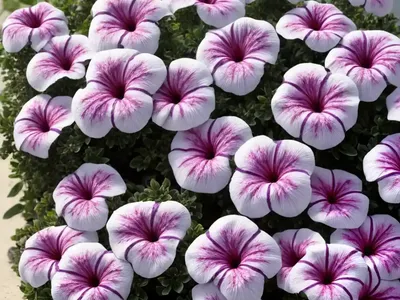
Calibrachoa ‘Superbells Dreamsicle’)
The Calibrachoa ‘Superbells Dreamsicle’ is a delightful plant that captivates gardeners with its stunning colors and prolific blooming. In this.
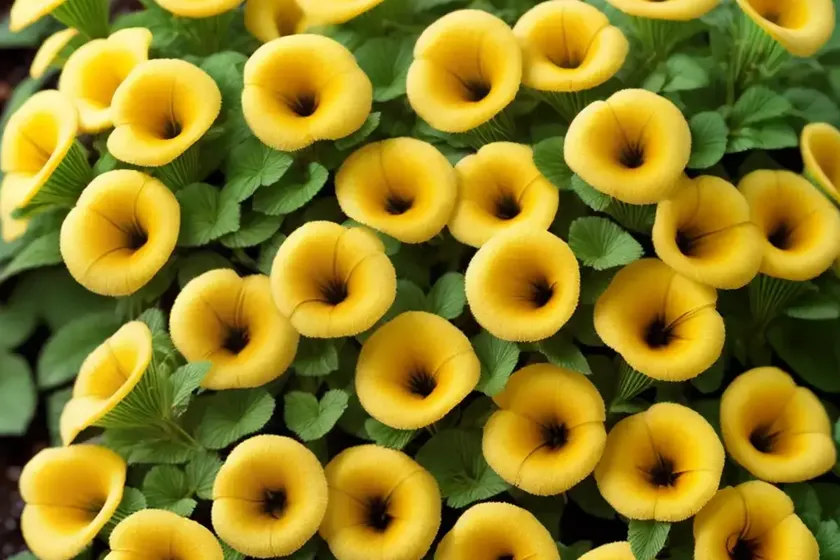
The Calibrachoa ‘Superbells Dreamsicle’ is a delightful plant that captivates gardeners with its stunning colors and prolific blooming. In this comprehensive guide, we will explore all aspects of this beautiful plant, including its characteristics, cultivation requirements, common uses, and maintenance practices. Whether you are an avid gardener or a novice plant enthusiast, this guide will equip you with the knowledge and expertise to cultivate and care for the Calibrachoa ‘Superbells Dreamsicle’ effectively.
What is Calibrachoa ‘Superbells Dreamsicle’?
The Calibrachoa ‘Superbells Dreamsicle’ is a charming annual plant that belongs to the Solanaceae family, which includes species such as petunias and tomatoes. This plant is renowned for its dainty, bell-shaped flowers that bloom profusely throughout the growing season, creating a spectacular display of color in gardens, hanging baskets, and containers.
Key Takeaways on Calibrachoa ‘Superbells Dreamsicle’:
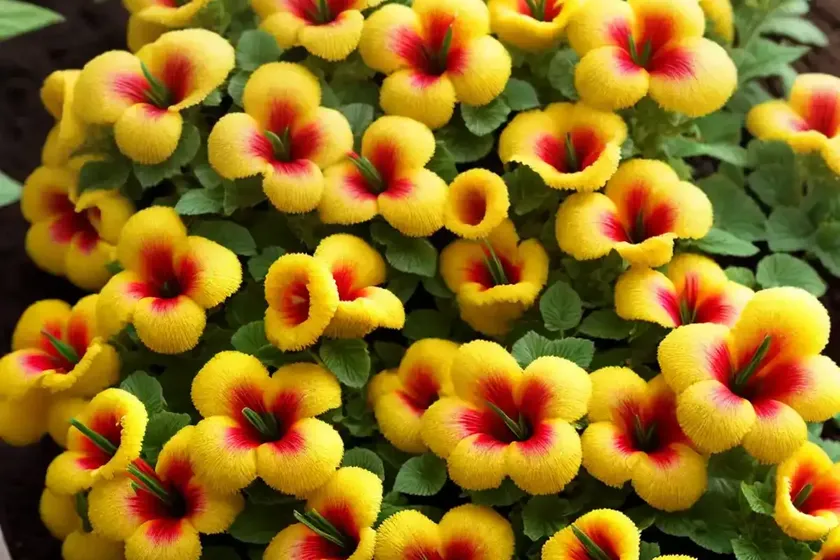
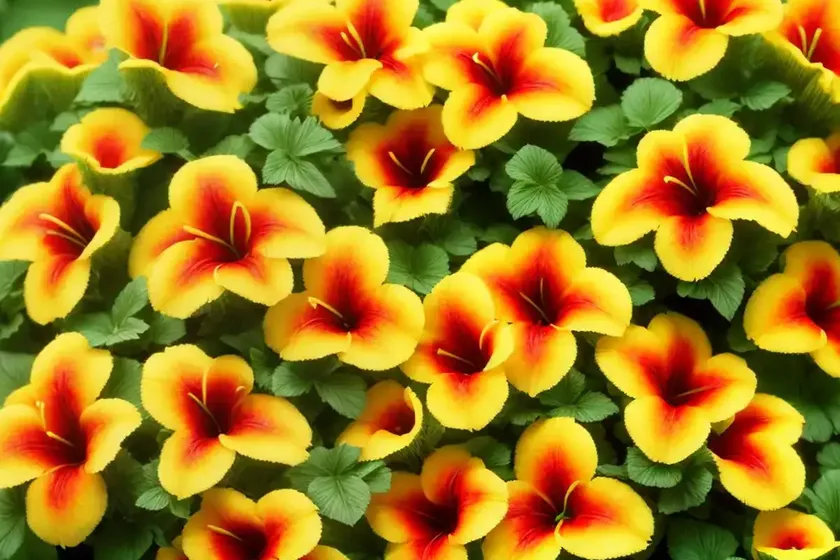
- Plant Characteristics: The ‘Superbells Dreamsicle’ exhibits vibrant, trumpet-shaped flowers in shades of orange and yellow, creating a stunning visual impact in any garden setting.
- Cultivation: This plant thrives in well-drained soil and requires regular watering to maintain optimal growth and blooms.
- Uses: ‘Superbells Dreamsicle’ is commonly used in containers, hanging baskets, and garden borders, adding a pop of color to any landscape.
- Water: Regular and consistent watering is essential for the ‘Superbells Dreamsicle’ to thrive and produce an abundance of blooms.
- Sunlight: This plant thrives in full sun conditions and requires a minimum of 6-8 hours of sunlight daily to flourish.
- Fertilizer: Periodic fertilization with a balanced, water-soluble fertilizer promotes healthy growth and continuous blooming.
- Soil: Well-drained, nutrient-rich soil is crucial for the ‘Superbells Dreamsicle’ to thrive and thrive efficiently absorb nutrients.
- Pruning: Light pruning encourages continuous blooming and maintains the plant’s compact, bushy growth habit.
- Propagation: ‘Superbells Dreamsicle’ can be propagated from cuttings, providing an economical way to expand your plant collection.
- Container Popularity: The ‘Superbells Dreamsicle’ is a popular choice for container gardening, adding vibrant color to patios and balconies.
- Common Diseases: This plant may be susceptible to certain diseases, and early diagnosis is critical for effective management.
Now, let’s delve into each aspect in detail to understand the complete care and cultivation requirements of the Calibrachoa ‘Superbells Dreamsicle’.
Culture and Care of Calibrachoa ‘Superbells Dreamsicle’
Water
Watering is a crucial aspect of caring for the Calibrachoa ‘Superbells Dreamsicle’. As this plant typically has a compact growth habit and is often grown in containers, it is essential to maintain consistent soil moisture to support vigorous growth and abundant blooming.
Watering Requirements for Calibrachoa ‘Superbells Dreamsicle’:
– Regular and consistent watering is essential, especially during the hot summer months when the soil tends to dry out quickly.
– To maintain adequate soil moisture, water the plant thoroughly when the top inch of the soil feels dry to the touch.
– Avoid overwatering, as this can lead to root rot and other moisture-related issues. Adequate drainage in container plantings is critical to prevent waterlogged soil.
Sunlight
The Calibrachoa ‘Superbells Dreamsicle’ thrives in full sun conditions and requires ample sunlight to promote healthy growth and prolific blooming. When selecting a planting location, prioritize areas that receive at least 6-8 hours of direct sunlight daily.
Sunlight Requirements for Calibrachoa ‘Superbells Dreamsicle’:
– Choose a sunny location with well-drained soil for planting ‘Superbells Dreamsicle’ to ensure optimal growth and blooming.
– Inadequate sunlight may result in reduced flowering and leggy growth, so ensure the plant receives sufficient sunlight throughout the day.
– In regions with intense summer heat, providing some afternoon shade can benefit the plant, preventing stress and sunburn.
Fertilizer
To support robust growth and continuous blooming, the Calibrachoa ‘Superbells Dreamsicle’ benefits from periodic fertilization with a balanced, water-soluble fertilizer. Proper fertilization provides essential nutrients that encourage healthy foliage and prolific flowering.
Fertilization Needs for Calibrachoa ‘Superbells Dreamsicle’:
– Use a balanced, water-soluble fertilizer formulated for flowering annuals to provide essential nutrients to the ‘Superbells Dreamsicle’.
– Apply the fertilizer according to the instructions on the label, typically every 2-3 weeks during the growing season.
– Avoid excessive fertilization, as this can lead to lush, vegetative growth at the expense of flowering. Following the recommended application rates is crucial for optimal results.
Soil
Choosing the right soil is vital for the successful cultivation of the Calibrachoa ‘Superbells Dreamsicle’. Well-drained, nutrient-rich soil provides an ideal growing medium for this plant, facilitating efficient nutrient uptake and root development.
Soil Preferences for Calibrachoa ‘Superbells Dreamsicle’:
– Select a well-drained potting mix with a light, airy texture for container plantings of ‘Superbells Dreamsicle’.
– In garden beds, amend the soil with organic matter such as compost to improve drainage and overall soil quality.
– Avoid heavy, water-retentive soils that can lead to root rot and other moisture-related issues. Good drainage is essential for plant health and vitality.
Pruning
Pruning plays a significant role in shaping the growth habits of the Calibrachoa ‘Superbells Dreamsicle’ and promoting continuous blooming. Light pruning helps maintain a compact, bushy form and encourages the development of new flower buds.
Pruning Techniques for Calibrachoa ‘Superbells Dreamsicle’:
– Using clean, sharp pruners, trim back the spent flowers and any leggy or straggly growth to promote a neat, tidy appearance.
– Prune the plant lightly throughout the growing season to encourage branching and the development of new flowering shoots.
– Avoid heavy pruning that may remove a substantial portion of the plant’s foliage, as this can hinder its ability to produce energy through photosynthesis.
Propagation
For enthusiasts looking to expand their collection of Calibrachoa ‘Superbells Dreamsicle’, propagation from cuttings offers a cost-effective and straightforward method of creating new plants. By selecting healthy, non-flowering stems and providing suitable growing conditions, successful propagation can be achieved.
Propagation Methods for Calibrachoa ‘Superbells Dreamsicle’:
– Take stem cuttings from the ‘Superbells Dreamsicle’ in the spring or early summer, using clean, sharp scissors.
– Choose sections of healthy, non-flowering stems and remove the lower leaves to expose the nodes where new roots will form.
– Plant the cuttings in a well-drained potting mix and keep them consistently moist until roots develop. Once rooted, the new plants can be transitioned to their final growing locations.
Container Popularity
The Calibrachoa ‘Superbells Dreamsicle’ is a popular choice for container gardening, offering a vibrant burst of color in compact, versatile arrangements. Its trailing growth habit and prolific flowering make it a preferred selection for hanging baskets, window boxes, and patio containers.
Container Gardening with Calibrachoa ‘Superbells Dreamsicle’:
– Choose a sufficiently large container with adequate drainage holes to accommodate the ‘Superbells Dreamsicle’ and promote healthy root development.
– Select a high-quality potting mix with good water retention and aeration properties to support the plant’s growth in containers.
– Incorporate the ‘Superbells Dreamsicle’ into mixed container plantings alongside other complementary annuals and foliage plants to create visually captivating displays.
Popularity and Uses of Calibrachoa ‘Superbells Dreamsicle’
The Calibrachoa ‘Superbells Dreamsicle’ is esteemed for its versatile uses in garden and landscape settings, offering a myriad of opportunities to incorporate its captivating blooms and trailing growth habit.
Landscape Uses
In garden beds and borders, the ‘Superbells Dreamsicle’ adds a vibrant splash of color, creating focal points and enhancing the visual appeal of any landscape. Whether planted en masse or interspersed with other flowering annuals and perennials, this plant infuses vitality and charm into garden spaces.
Garden Design Ideas with Calibrachoa ‘Superbells Dreamsicle’:
– Utilize the ‘Superbells Dreamsicle’ as edging plants along walkways, garden borders, or flowerbeds to create defined, colorful boundaries.
– Incorporate this plant into cottage garden settings, container arrangements, or mixed perennial beds to introduce lively, warm tones to the overall composition.
Container Gardening
The ‘Superbells Dreamsicle’ is a favored choice for container gardening due to its compact growth habit, trailing nature, and prolific flowering. Whether grown in hanging baskets, window boxes, or patio containers, this plant adds splashes of color and vitality to outdoor living spaces.
Container Uses for Calibrachoa ‘Superbells Dreamsicle’:
– Adorn patio and balcony spaces with hanging baskets or railing planters filled with the ‘Superbells Dreamsicle’ for a lively, cascading display of flowers.
– Combine the ‘Superbells Dreamsicle’ with other annuals and foliage plants in mixed containers, creating dynamic, eye-catching arrangements that thrive throughout the growing season.
Border Planting
In garden borders and beds, the ‘Superbells Dreamsicle’ enlivens the landscape with its profusion of blooms and vibrant colors, creating a delightful tapestry of visual interest and charm. When planted in clusters or drifts, this plant becomes a focal point, drawing attention and admiration.
Border Planting with Calibrachoa ‘Superbells Dreamsicle’:
– Integrate the ‘Superbells Dreamsicle’ alongside other complementary annuals, such as petunias, verbena, or lobelia, to create a harmonious, multi-textured border display.
– Select varieties of ‘Superbells Dreamsicle’ with different color variations to introduce captivating contrasts and visual intrigue within the border planting scheme.
Companion Plants
When selecting companion plants for the Calibrachoa ‘Superbells Dreamsicle’, it is essential to choose species that complement its growth habit, flowering characteristics, and cultural requirements. By combining compatible plants, you can create visually appealing and harmonious garden compositions.
Companion Planting with Calibrachoa ‘Superbells Dreamsicle’:
– Pair the ‘Superbells Dreamsicle’ with trailing and cascading plants, such as trailing petunias, bacopa, or sweet potato vine, to create dynamic, layered container arrangements.
– Integrate low-growing, mounding perennials or annuals, such as sedum, dianthus, or dusty miller, with the ‘Superbells Dreamsicle’ in garden borders to create captivating contrasts and multi-season interest.
Common Diseases and Pests of Calibrachoa ‘Superbells Dreamsicle’
To cultivate healthy and vibrant Calibrachoa ‘Superbells Dreamsicle’ plants, it is essential to be aware of common diseases and pests that may affect their growth and vitality. Early detection and appropriate management strategies are vital for maintaining the health and beauty of these delightful plants.
Disease Diagnosis
The ‘Superbells Dreamsicle’ may be susceptible to certain diseases, including fungal infections and bacterial pathogens, which can impact its overall health and blooming performance. Monitoring the plant for symptoms and implementing preventive measures are crucial for disease management.
Common Diseases Affecting Calibrachoa ‘Superbells Dreamsicle’:
1. Powdery Mildew: This fungal disease presents as a white, powdery coating on the foliage, and it can hinder the plant’s ability to photosynthesize effectively.
2. Botrytis Blight: Also known as gray mold, this fungal disease causes brown, water-soaked spots on the flowers and foliage, leading to decay and wilting.
3. Root Rot: Excessive soil moisture and poor drainage can contribute to root rot, causing the plant to exhibit wilting, yellowing foliage, and stunted growth.
Common Pests
In addition to diseases, the ‘Superbells Dreamsicle’ may also be susceptible to various pests that can compromise its health and vigor. Regular monitoring and prompt intervention are essential for pest management and the preservation of plant quality.
Pests Affecting Calibrachoa ‘Superbells Dreamsicle’:
1. Aphids: These small, sap-sucking insects can congregate on the new growth and undersides of leaves, causing distortion and discoloration of the foliage.
2. Spider Mites: These microscopic pests feed on the plant’s sap, leading to stippled, discolored foliage and the development of fine webbing.
3. Whiteflies: These tiny, white insects can infest the plant in large numbers, causing yellowing and weakening of the foliage due to their feeding activities.
Botanist’s Tips for Calibrachoa ‘Superbells Dreamsicle’
The successful cultivation of the Calibrachoa ‘Superbells Dreamsicle’ is supported by a set of expert tips and recommendations that cater to the plant’s unique needs and growth habits. By implementing these insights, gardeners can achieve optimal results and cultivate healthy, thriving specimens.
Plant Care Tips
Utilize the following plant care tips to ensure the health and vitality of the Calibrachoa ‘Superbells Dreamsicle’ throughout the growing season:
- Deadheading: Regularly remove spent flowers to encourage the development of new blooms and maintain a neat, tidy appearance.
- Mulching: Apply a layer of organic mulch around the base of the ‘Superbells Dreamsicle’ to conserve soil moisture and suppress weed growth.
- Regular Inspection: Conduct routine inspections of the plant for signs of diseases, pest infestations, or nutrient deficiencies, and take prompt action as needed.
Growth and Blooming Guidelines
Optimize the growth and blooming of the Calibrachoa ‘Superbells Dreamsicle’ by following these guidelines for cultivation and care:
- Balanced Fertilization: Incorporate a balanced, water-soluble fertilizer into the plant care regimen to provide essential nutrients for robust growth and continuous flowering.
- Sunlight Exposure: Ensure that the ‘Superbells Dreamsicle’ receives the recommended amount of direct sunlight each day to promote healthy, vibrant blooms and compact growth.
- Soil Moisture Management: Maintain consistent soil moisture levels by watering the plant as needed, ensuring that the soil does not become excessively dry or waterlogged.
Maintenance Practices
Engage in regular maintenance practices to support the overall health and aesthetic appeal of the Calibrachoa ‘Superbells Dreamsicle’:
- Pruning Schedule: Adhere to a light pruning schedule throughout the growing season to shape the plant, encourage branching, and foster continuous blooming.
- Pest Monitoring: Keep a watchful eye on the plant for signs of pest activity, such as yellowed or distorted foliage, and deploy appropriate control measures as necessary.
- Seasonal Care: Adjust the care and maintenance practices during different seasons to accommodate the plant’s changing growth requirements and environmental conditions.
Fun Facts about Calibrachoa ‘Superbells Dreamsicle’
While the care and cultivation of the Calibrachoa ‘Superbells Dreamsicle’ are essential aspects of appreciating this plant, there are fascinating and engaging facts that add further intrigue to its charm and appeal.
Intriguing Characteristics
Explore these intriguing facts about the Calibrachoa ‘Superbells Dreamsicle’ to deepen your understanding and appreciation of this delightful plant:
- Genetic Origin: The ‘Superbells Dreamsicle’ is a hybrid plant that results from the crossbreeding of distinct Calibrachoa species to produce its exceptional characteristics and vibrant colors.
- Trailing Growth Habit: The trailing, cascading nature of the ‘Superbells Dreamsicle’ makes it a perfect choice for hanging baskets and elevated container plantings, where it can spill over with an enchanting display of flowers.
- Seasonal Blooming: This plant exhibits continuous, prolific blooming throughout the growing season, offering a sustained showcase of floral beauty and color in garden and landscape settings.
Horticultural Significance
Discover the horticultural significance and appeal of the Calibrachoa ‘Superbells Dreamsicle’ through these fascinating facts:
- Popularity in Landscaping: The ‘Superbells Dreamsicle’ is a favored choice for professional landscapers, garden designers, and horticultural enthusiasts seeking an eye-catching, versatile annual for accentuating garden spaces.
- Container Gardening Gem: Its adaptability and performance in container plantings make the ‘Superbells Dreamsicle’ a cherished plant for adorning outdoor living areas and creating vibrant, dynamic displays.
Conclusion
The Calibrachoa ‘Superbells Dreamsicle’ stands as a captivating and enchanting annual plant that captivates with its effervescent blooms, vibrant colors, and versatile uses in garden and landscape settings. By understanding its unique characteristics, cultivation requirements, and maintenance practices, gardeners and plant enthusiasts can ensure the successful growth and flourishing of this delightful plant, adding a vivid and charming touch to their outdoor spaces. Embrace the allure of the Calibrachoa ‘Superbells Dreamsicle’ and embark on a journey of nurturing and celebrating the beauty of nature in your garden and landscapes.
Links to External Resources
Explore additional resources to expand your knowledge and appreciation of the Calibrachoa ‘Superbells Dreamsicle’ and its cultivation:
- University of Florida IFAS Extension – Calibrachoa Production Guide
- Missouri Botanical Garden – Calibrachoa Care Guide
- American Society for the Prevention of Cruelty to Plants – Planting and Care of Calibrachoa
- Royal Horticultural Society – Calibrachoa Cultivation and Gardening Guide
As you embark on your journey of cultivating and caring for the Calibrachoa ‘Superbells Dreamsicle’, may these resources serve as valuable companions, enriching your understanding and expertise in creating vibrant, flourishing garden spaces with this delightful plant.